Agricultural Society Fair – Part 2 – Mom in the Horticulture Tent

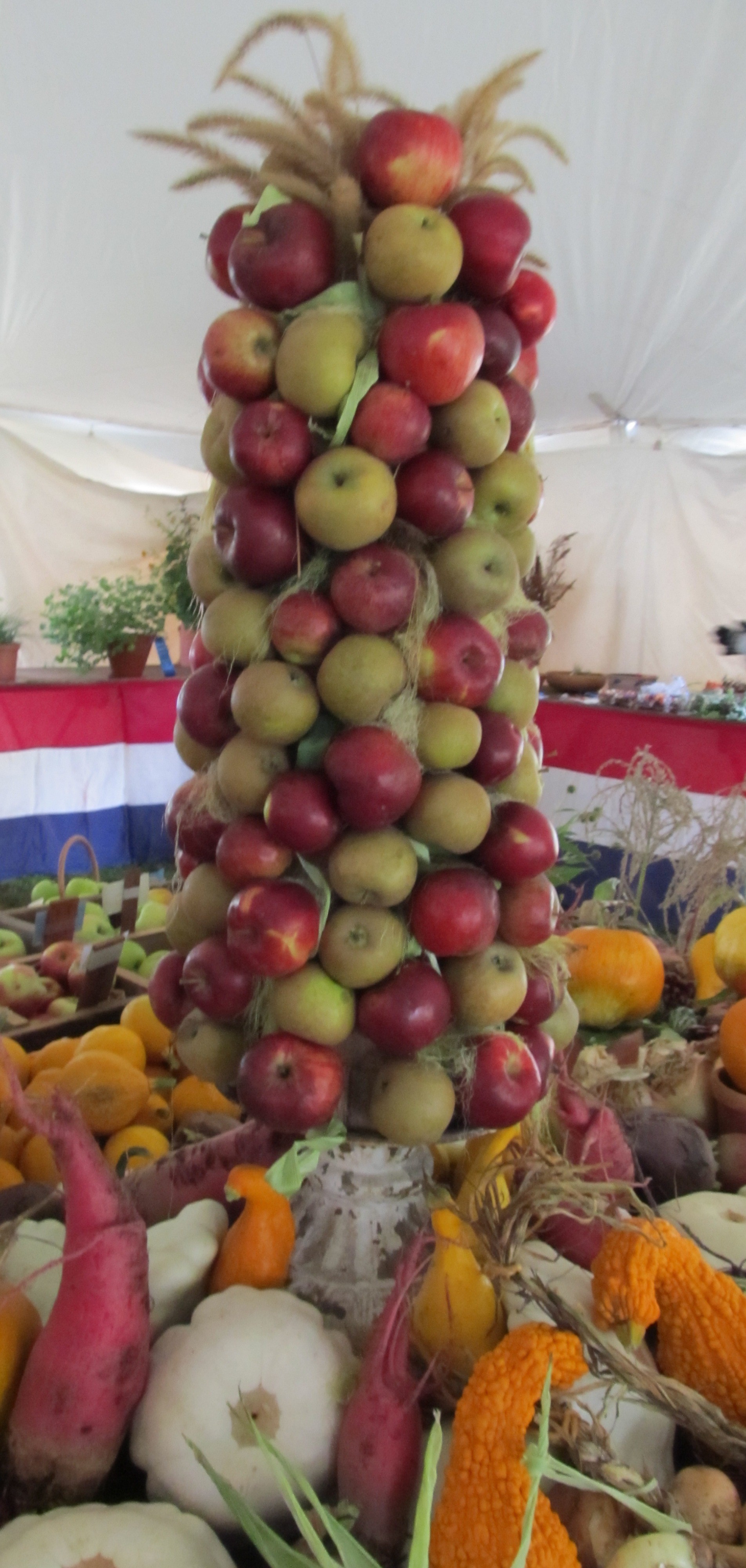
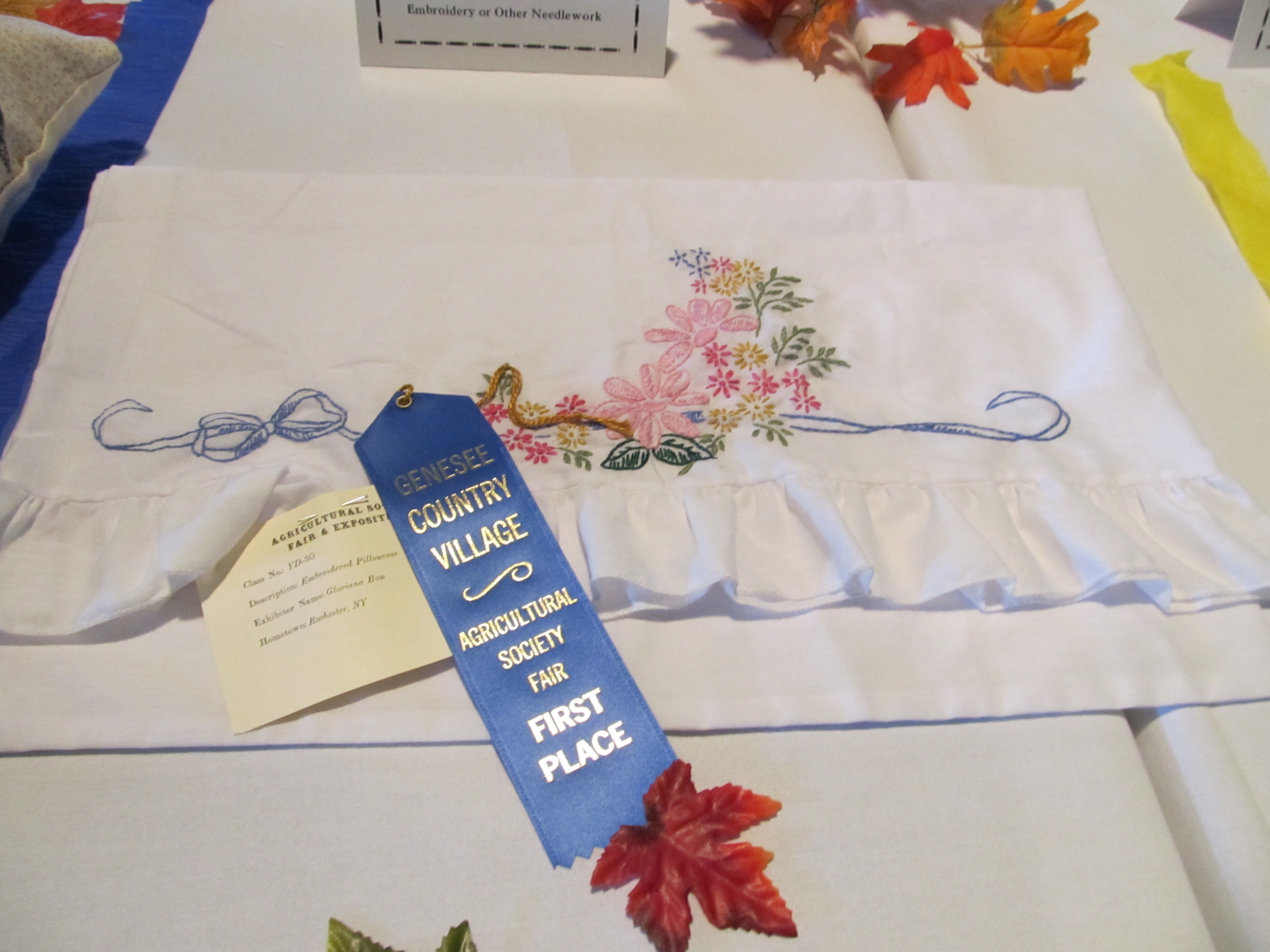
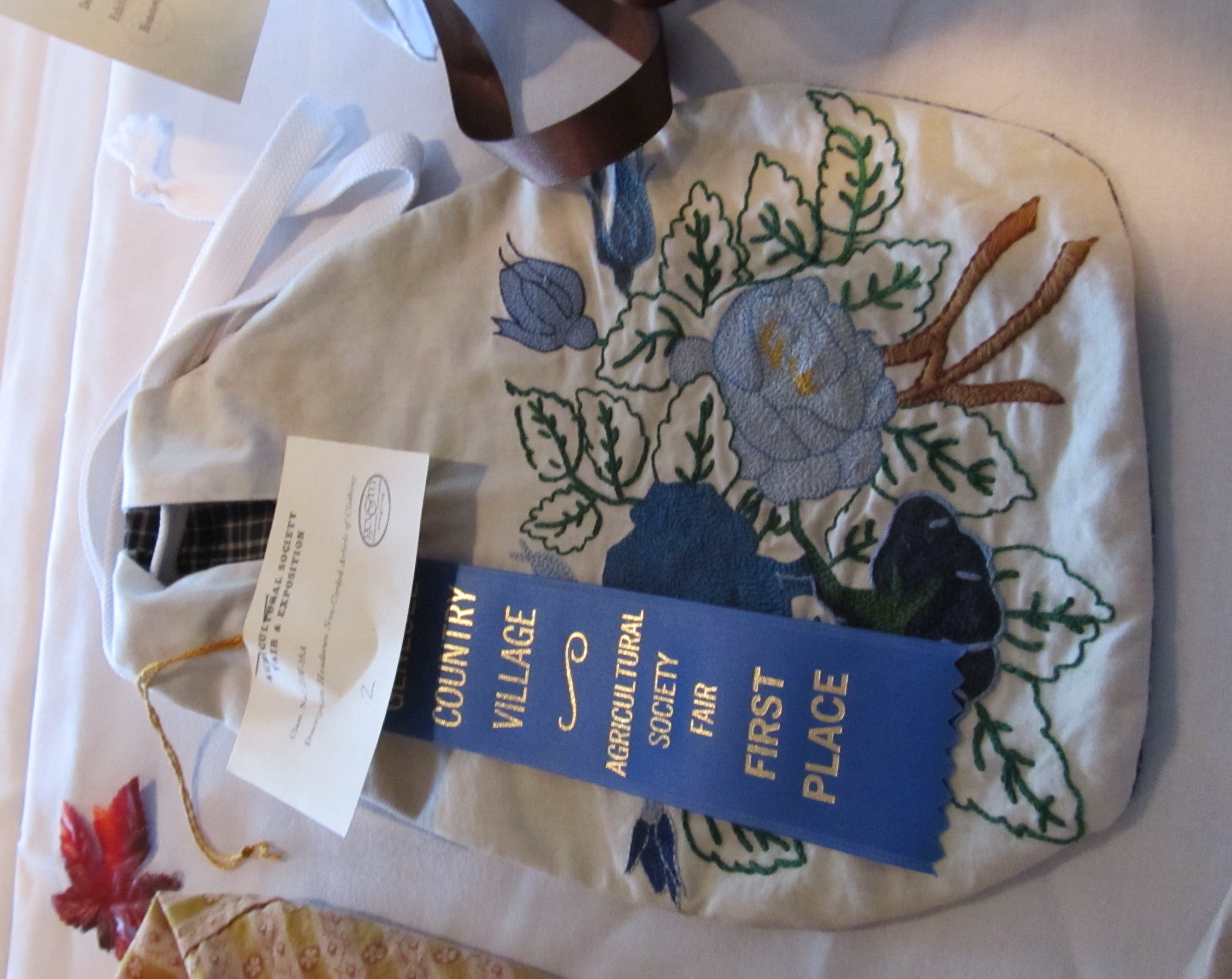
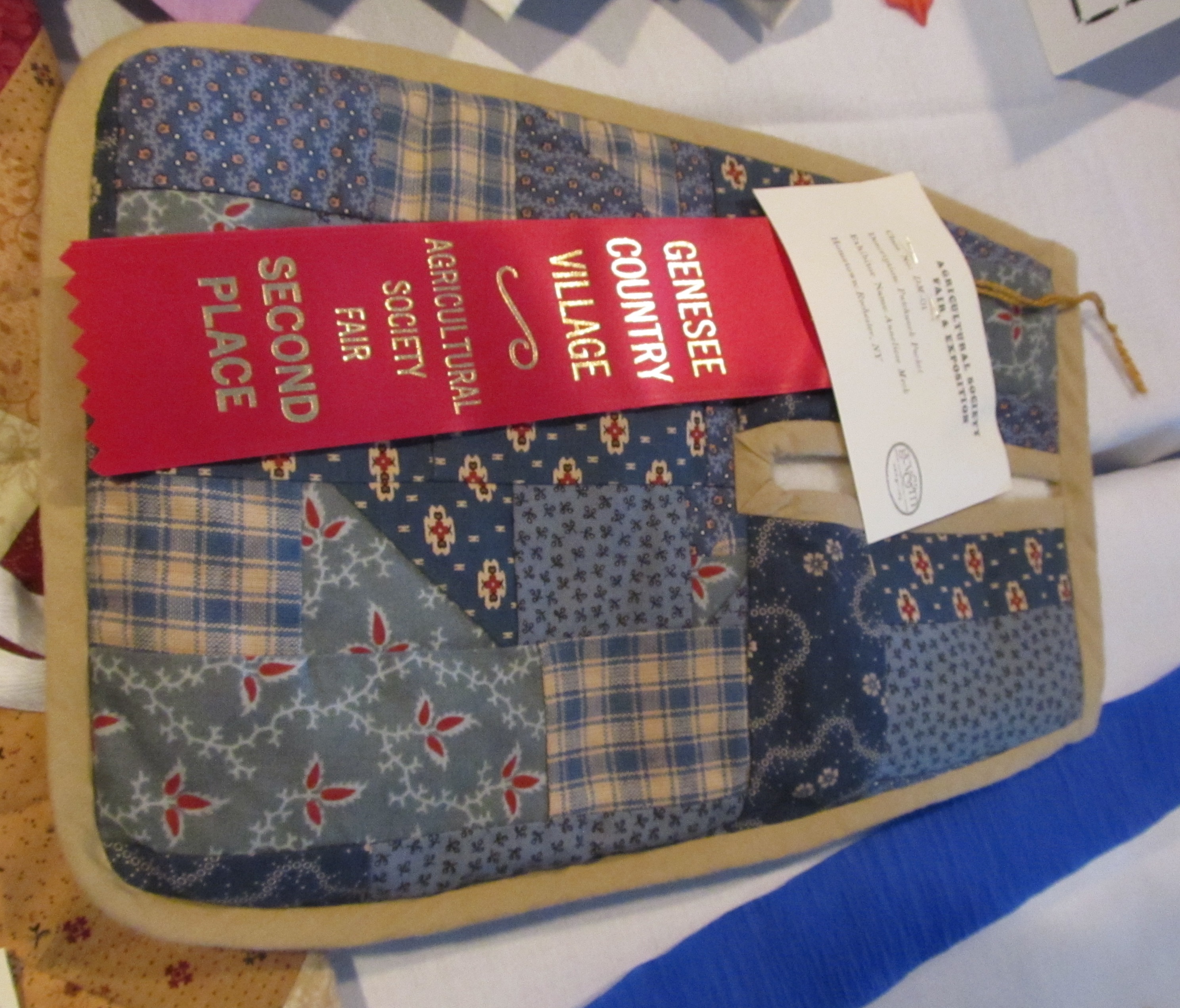
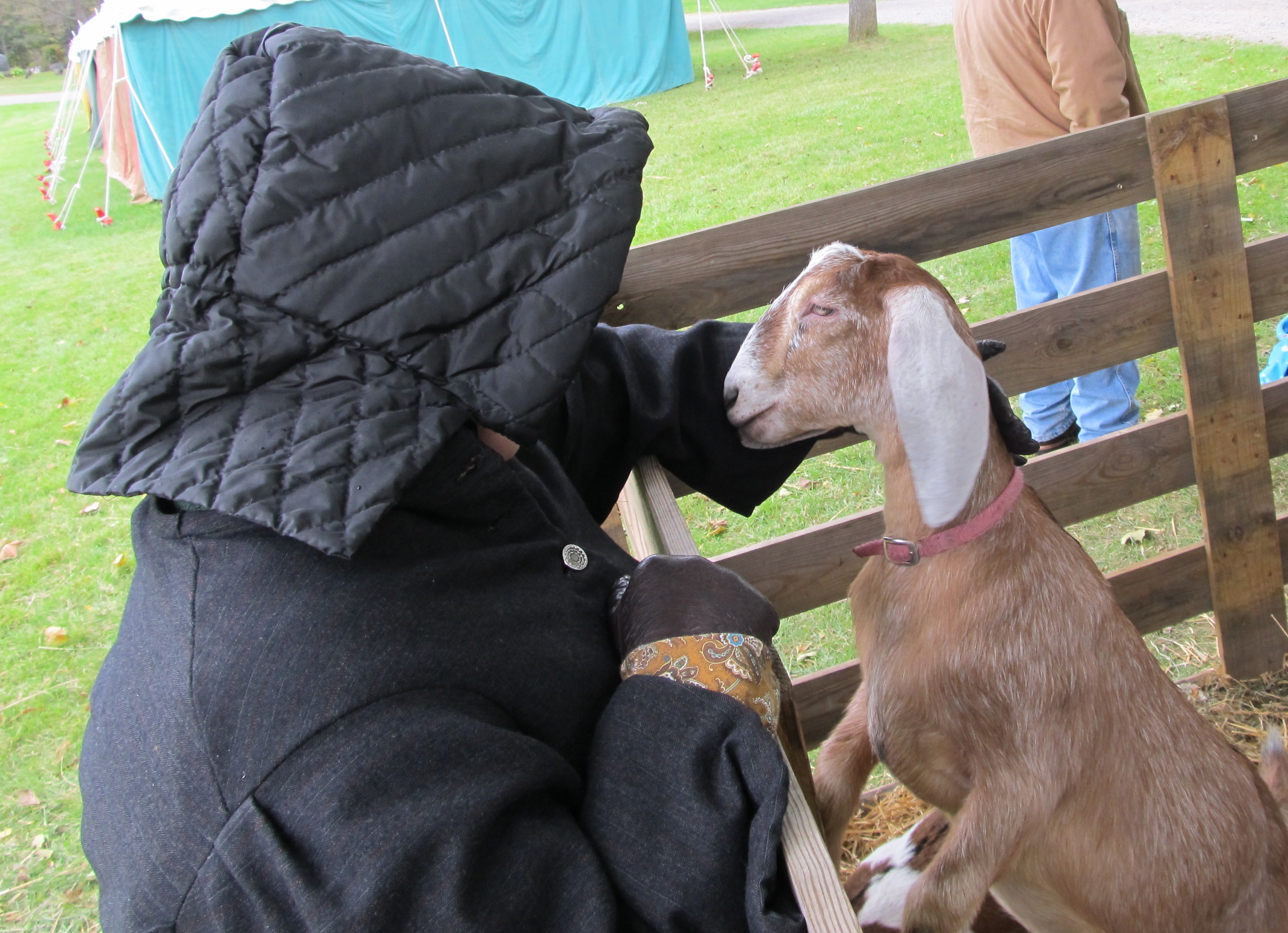
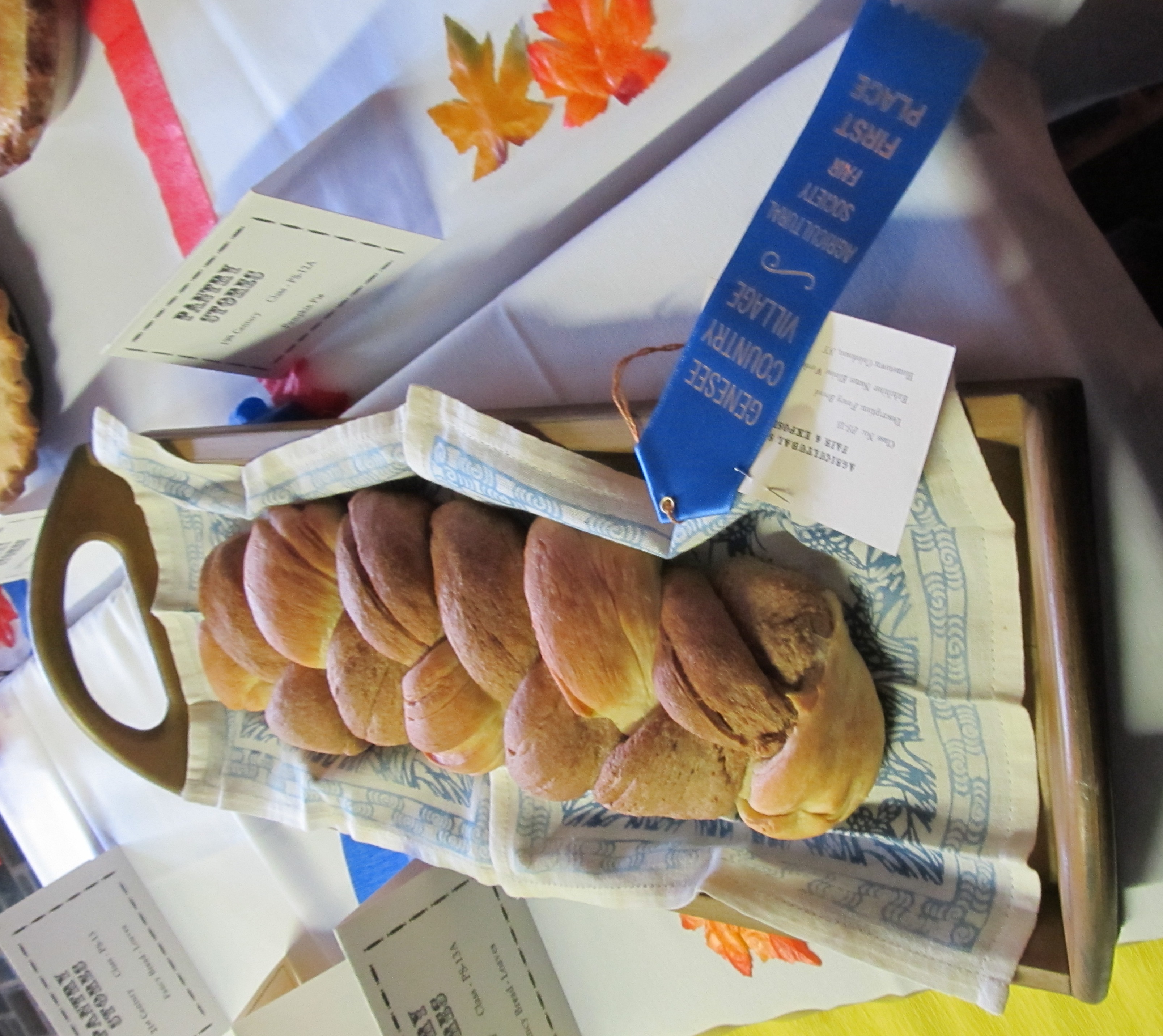
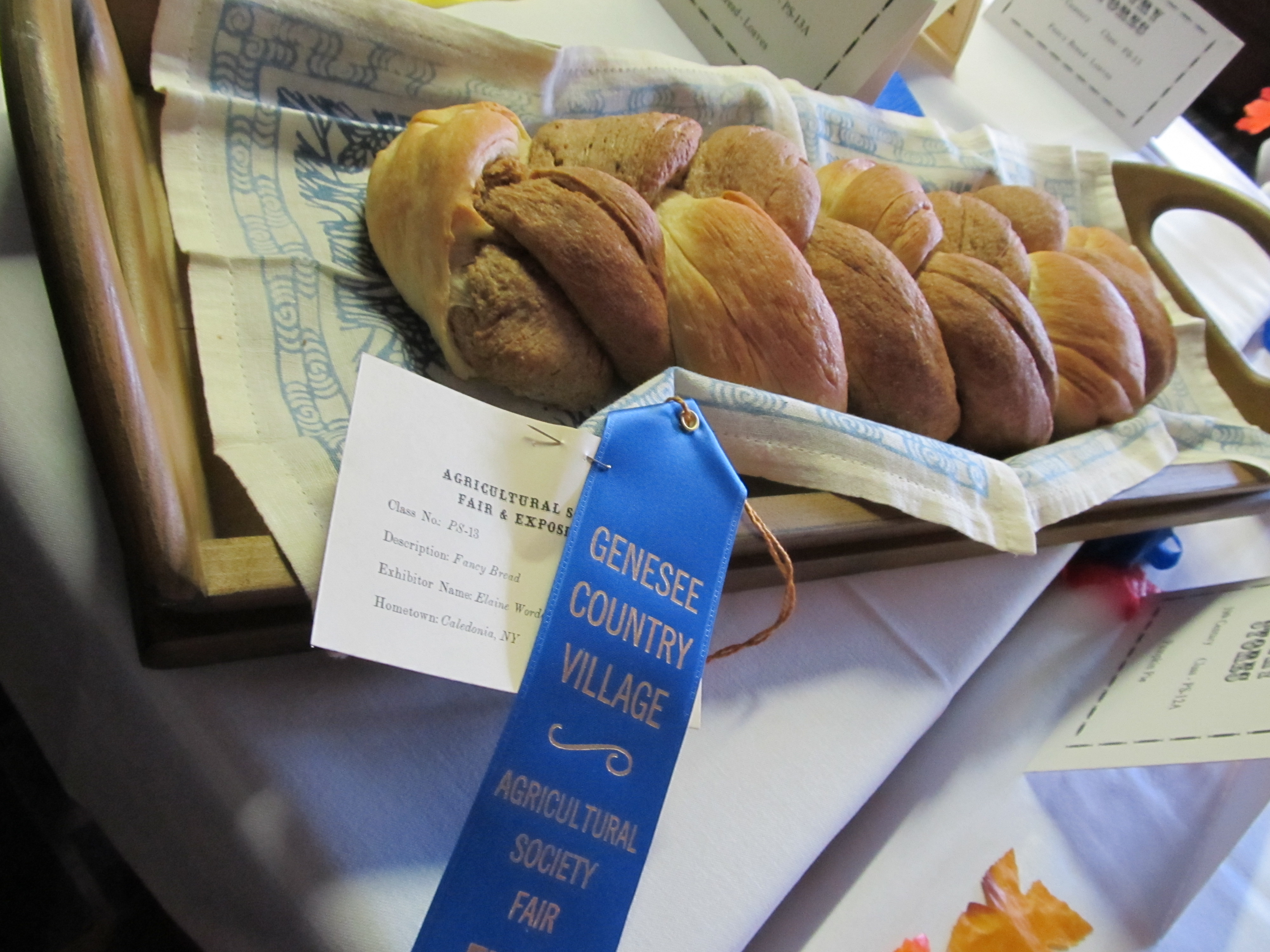
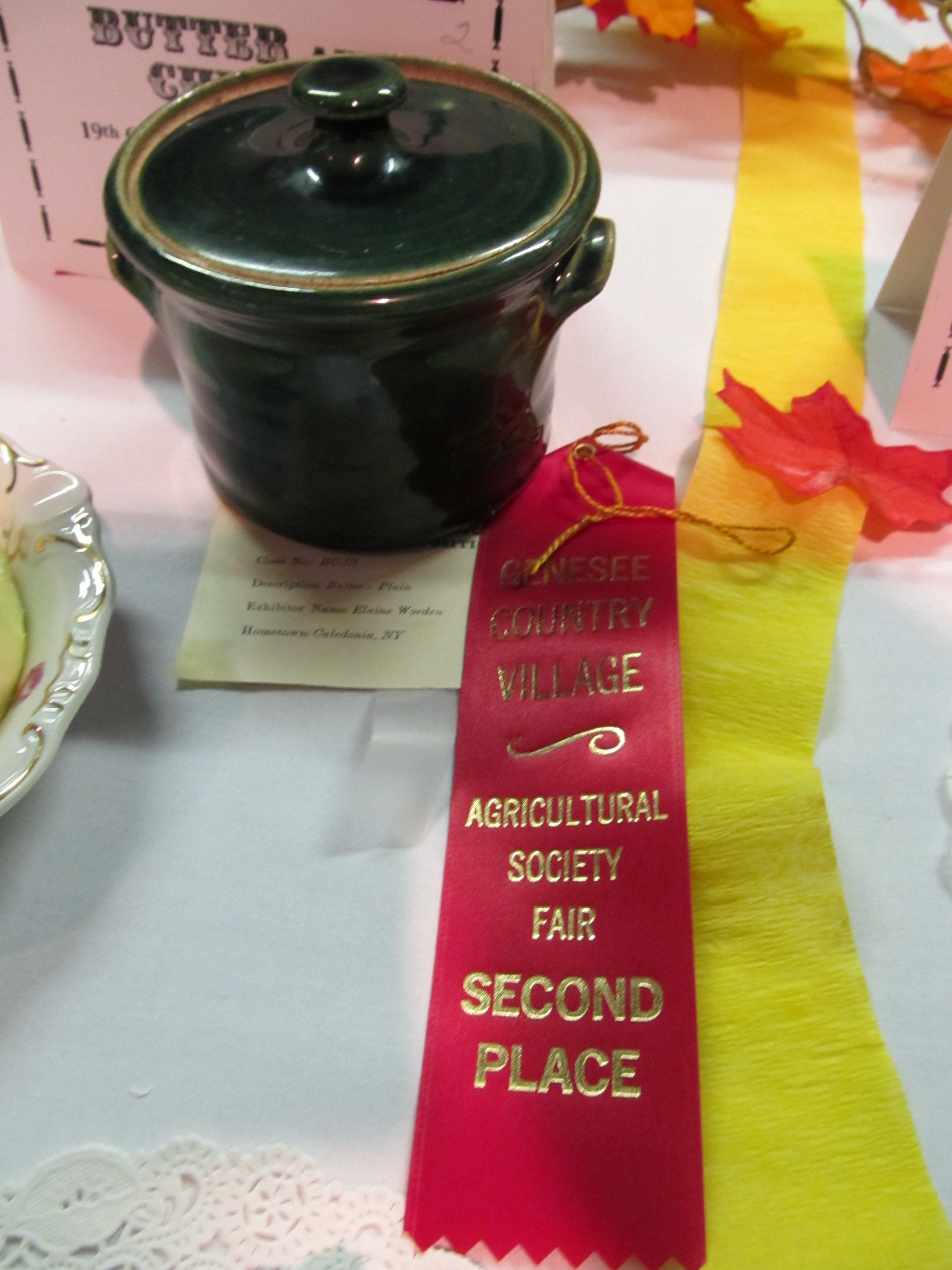
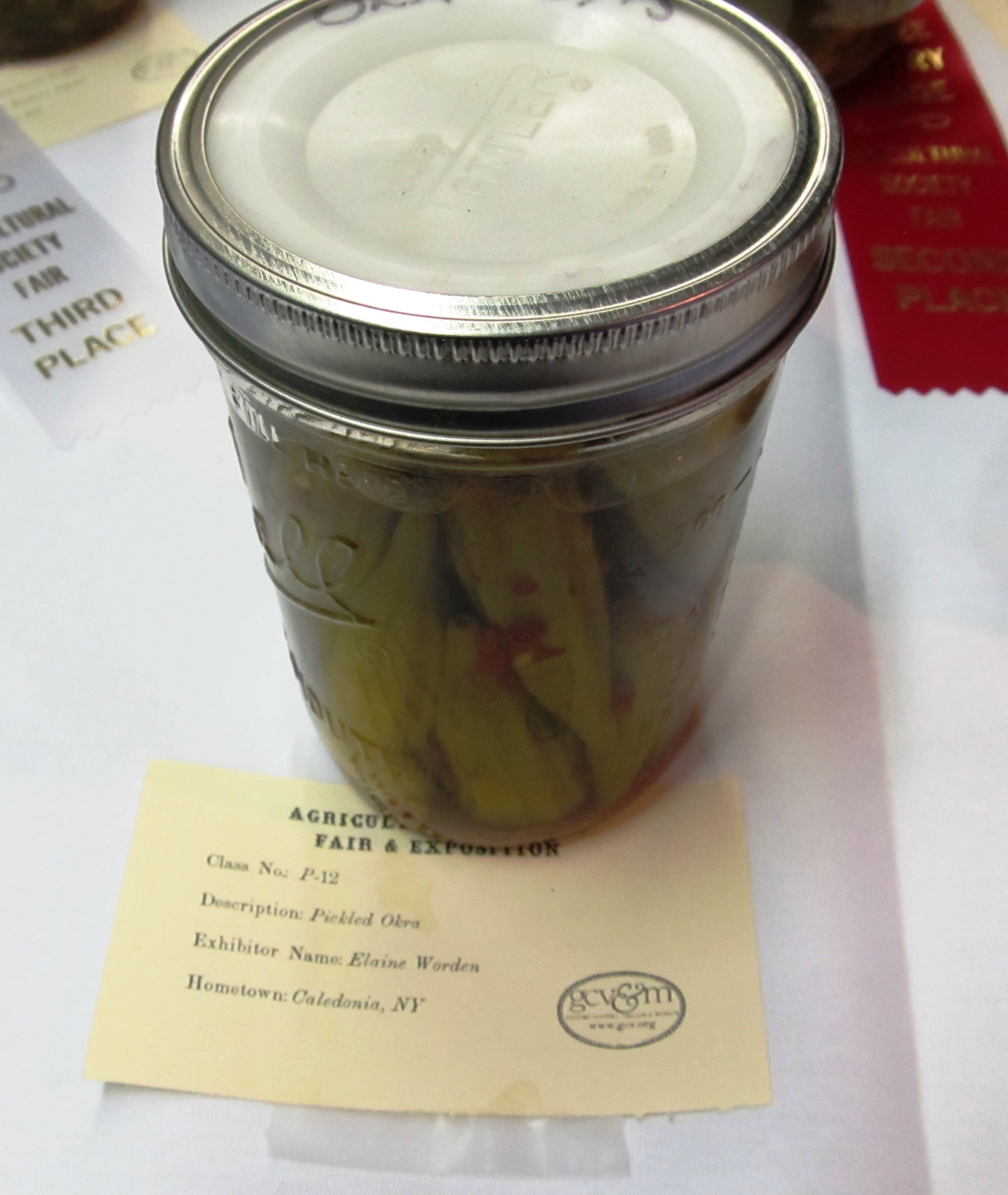
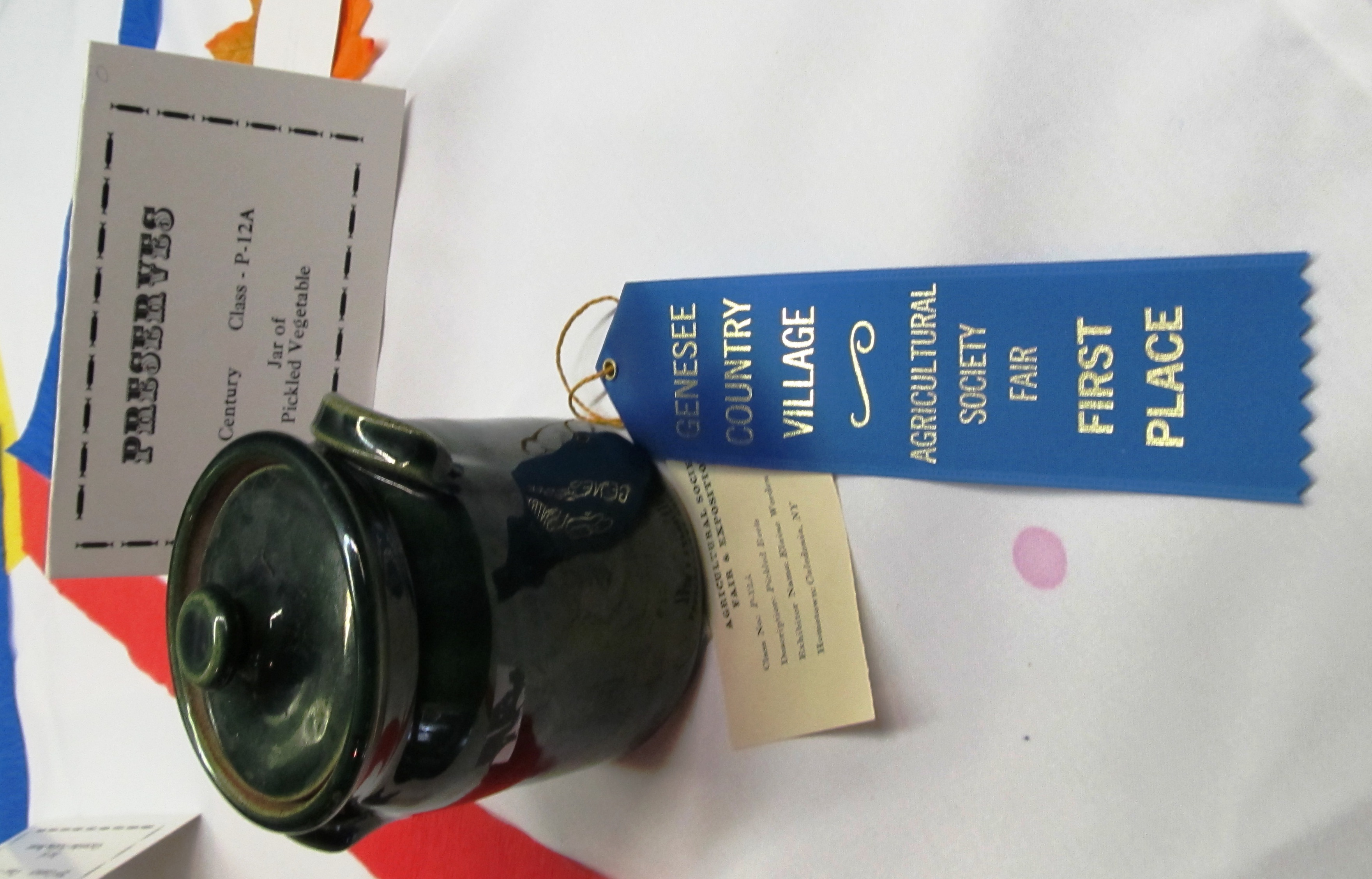
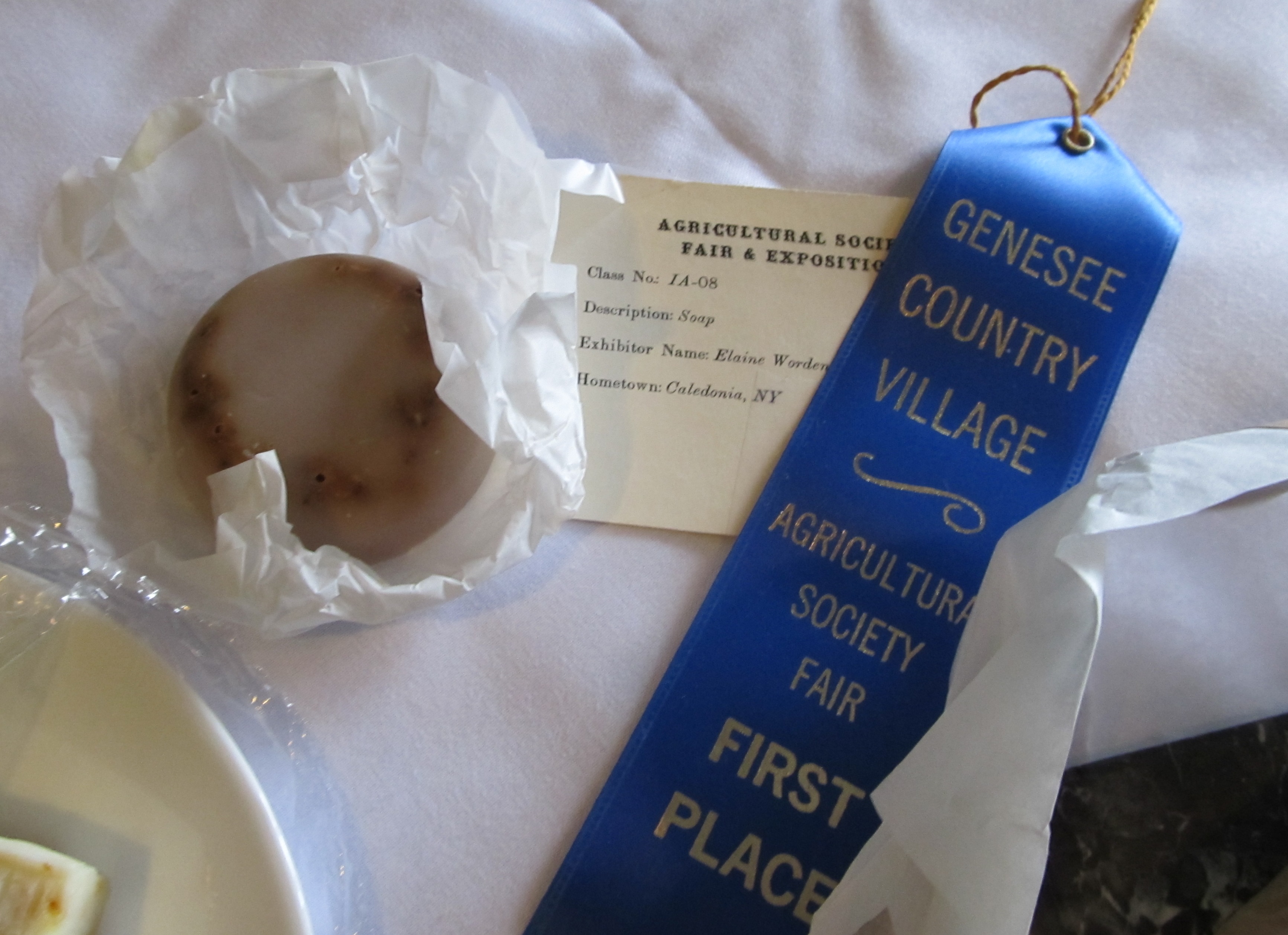
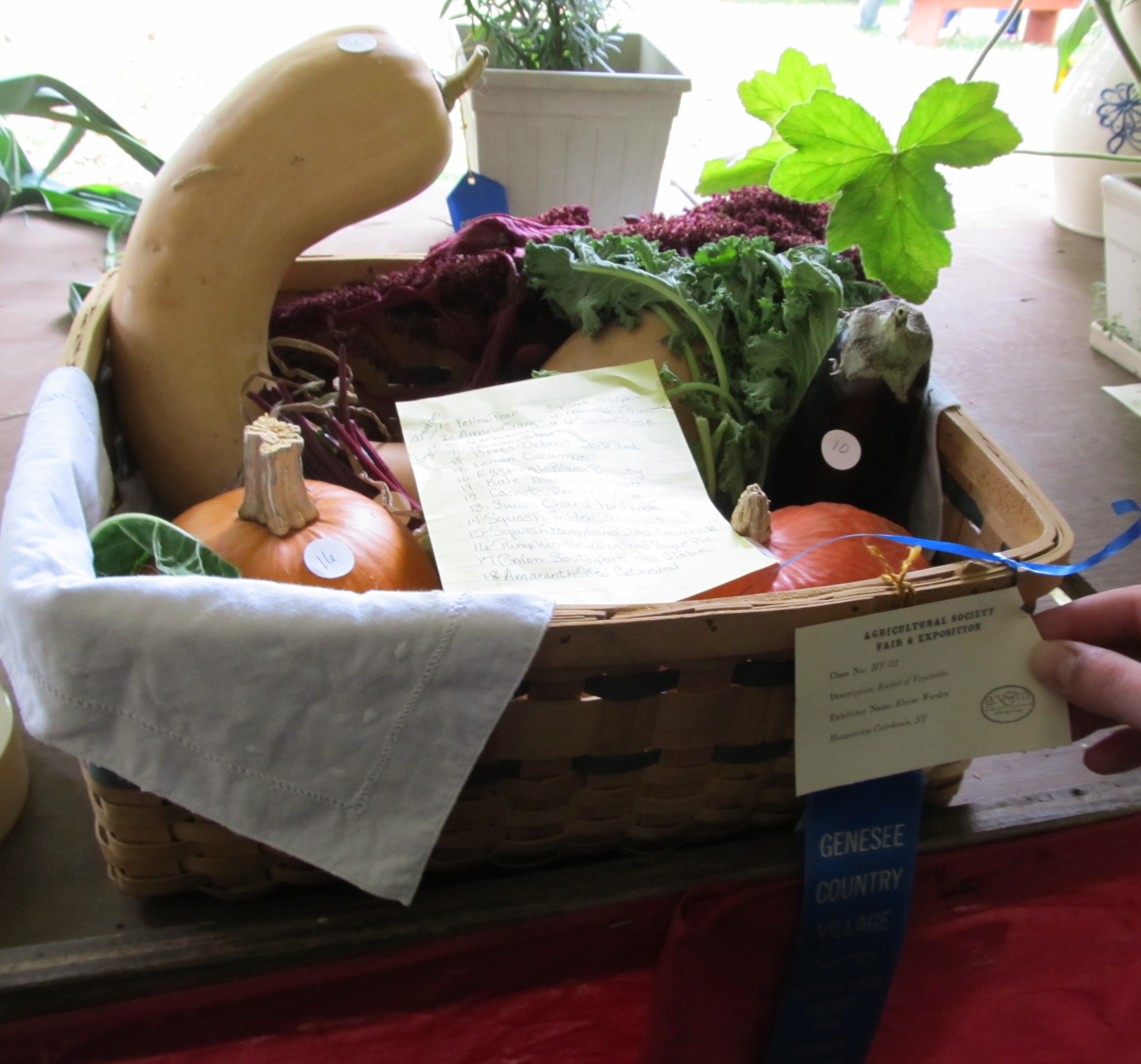
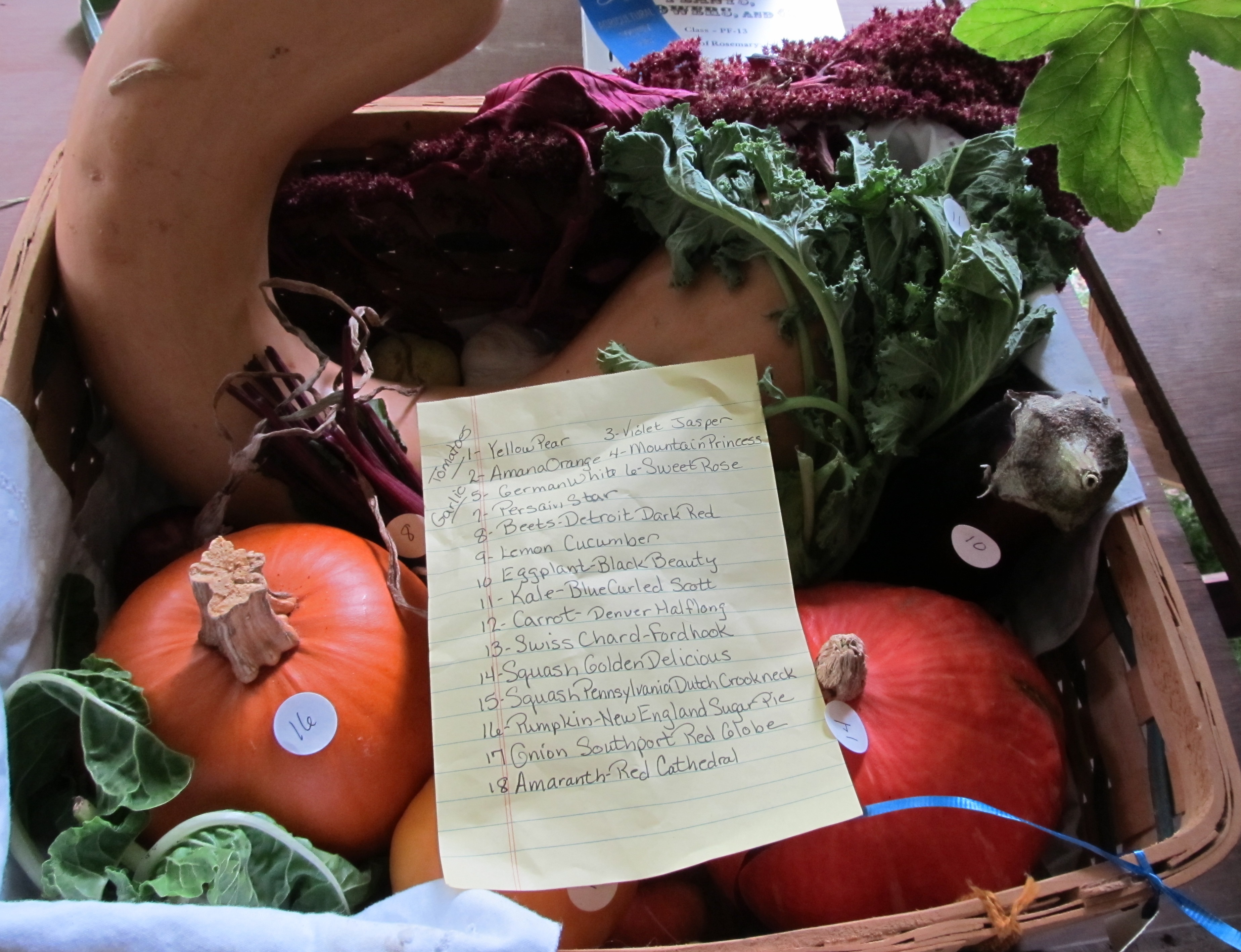
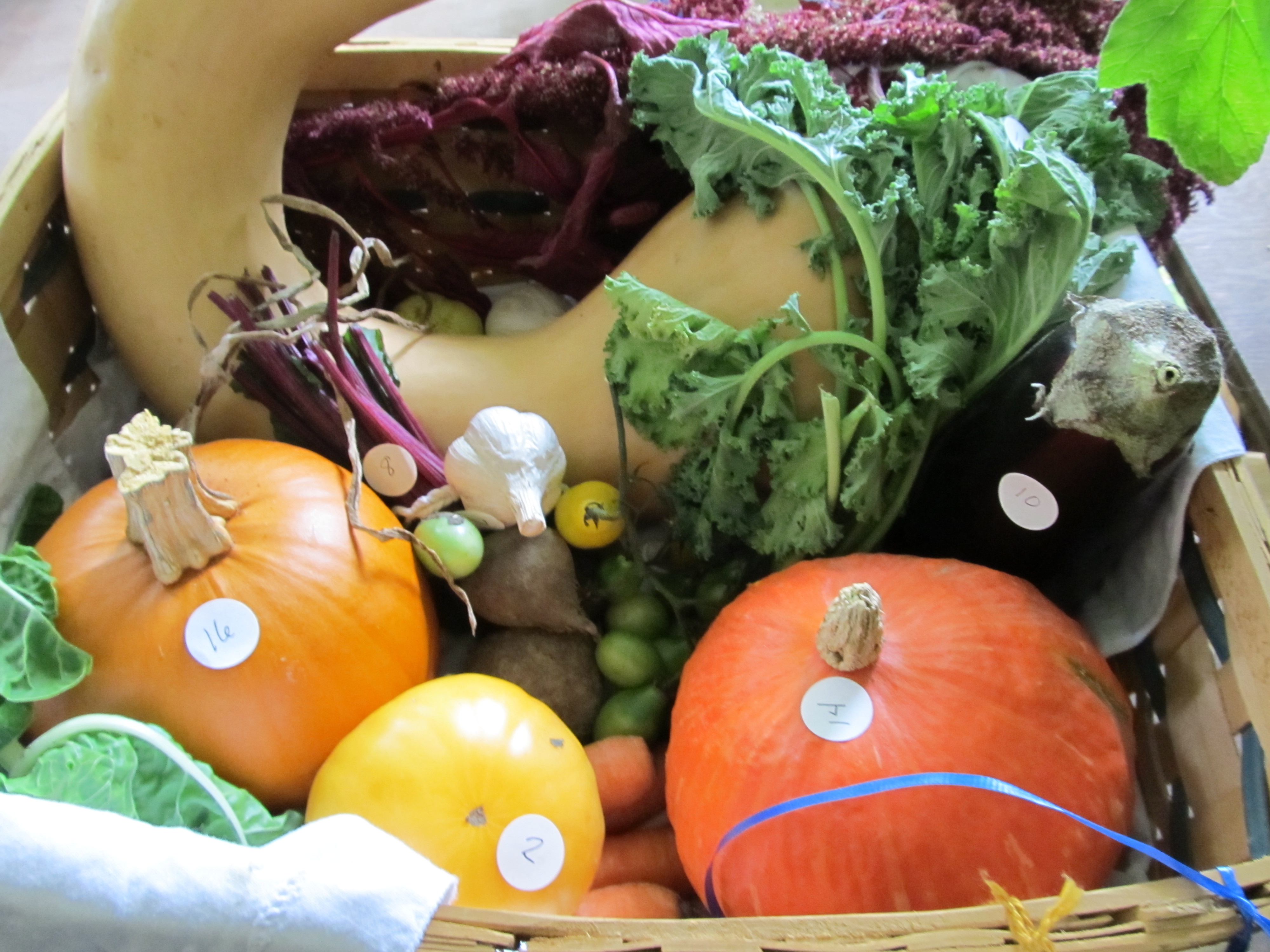
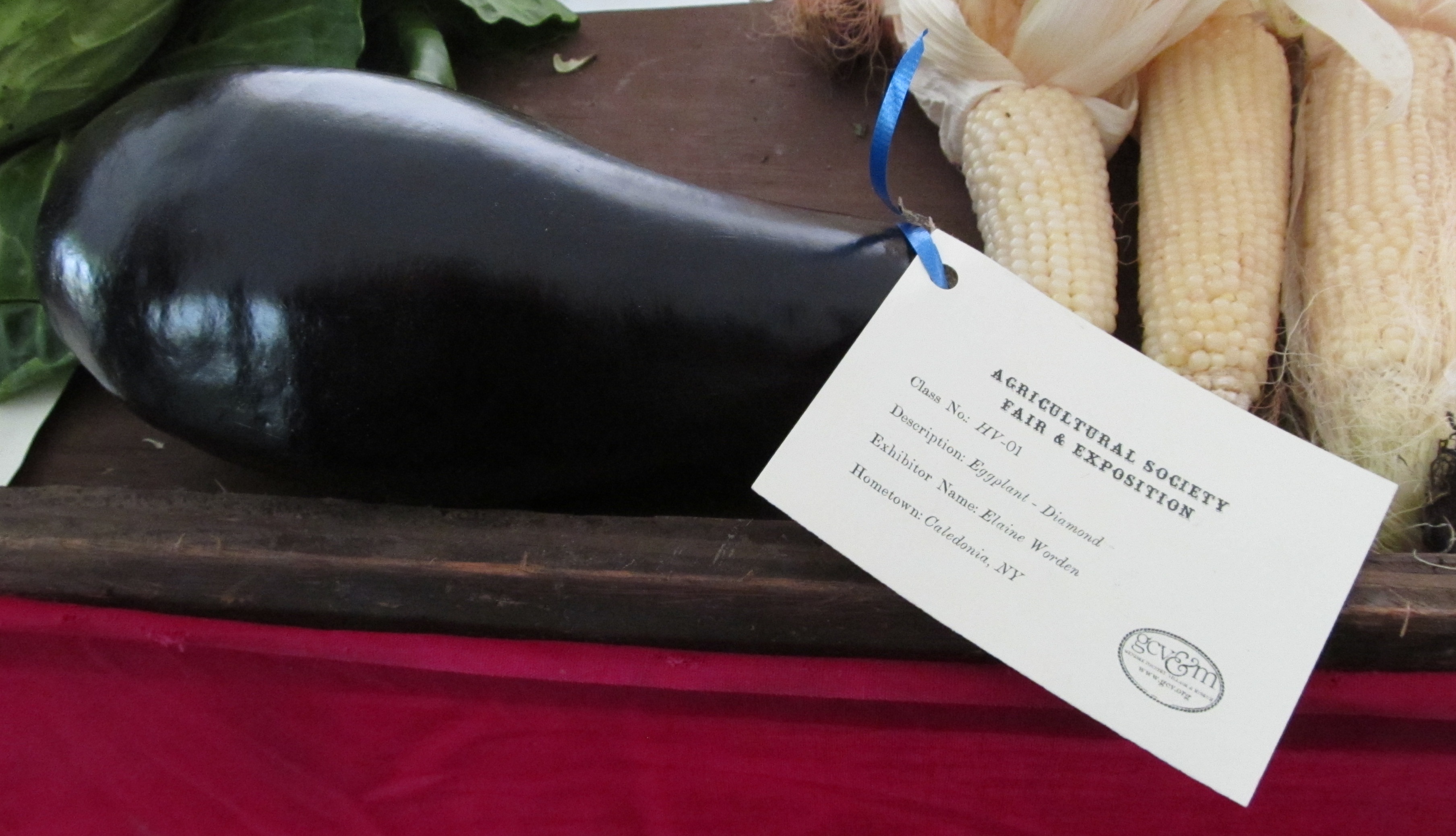
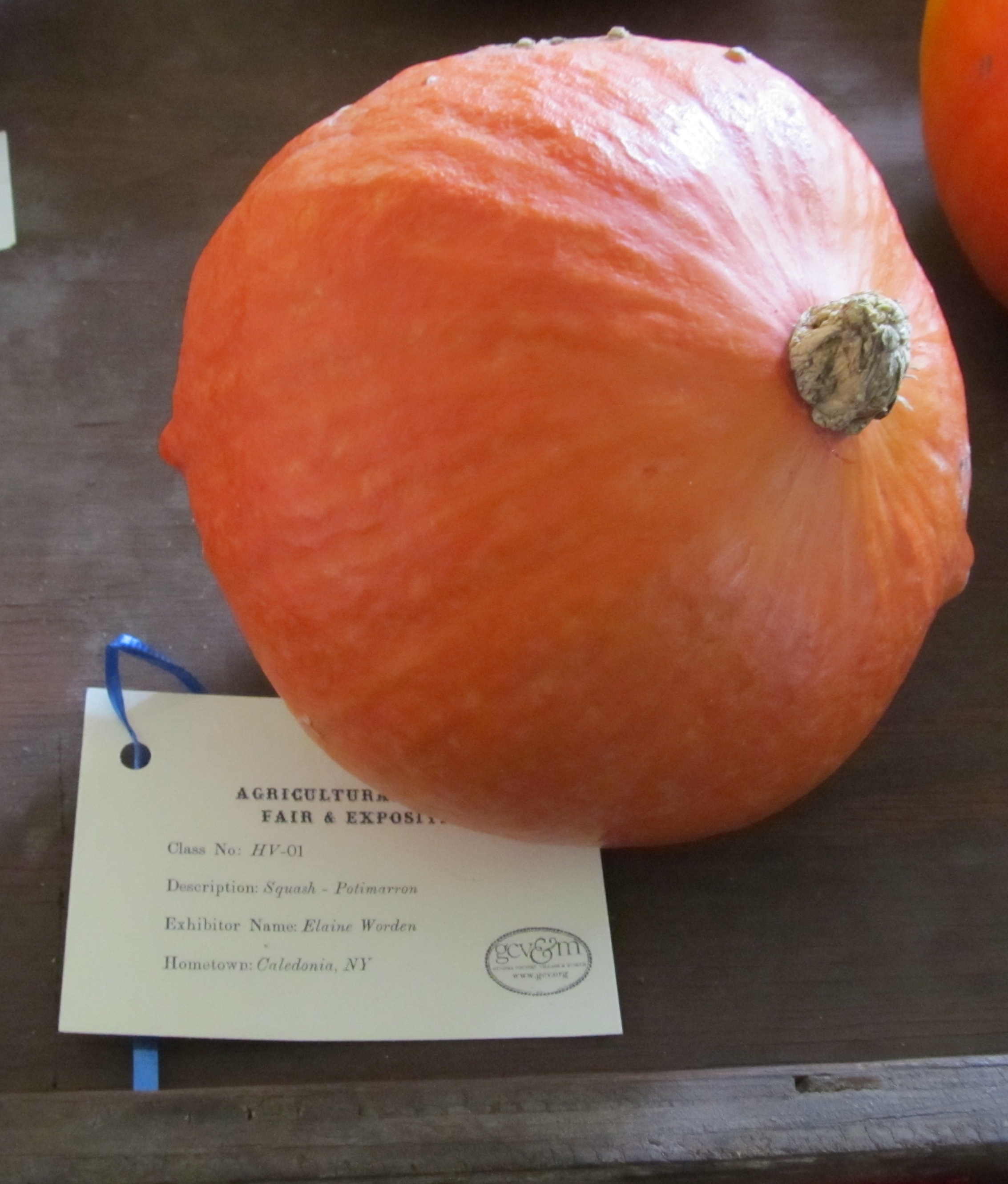
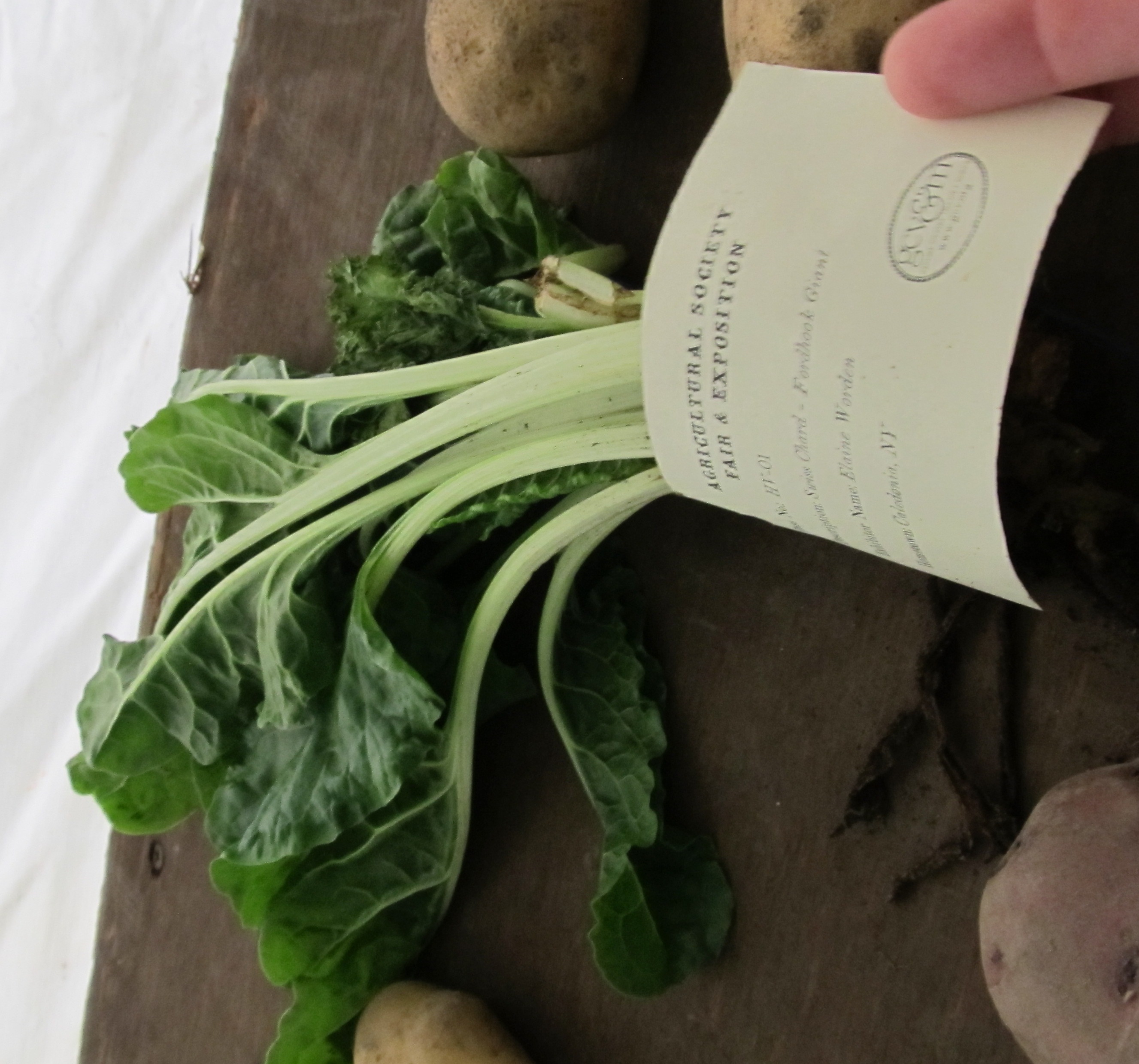
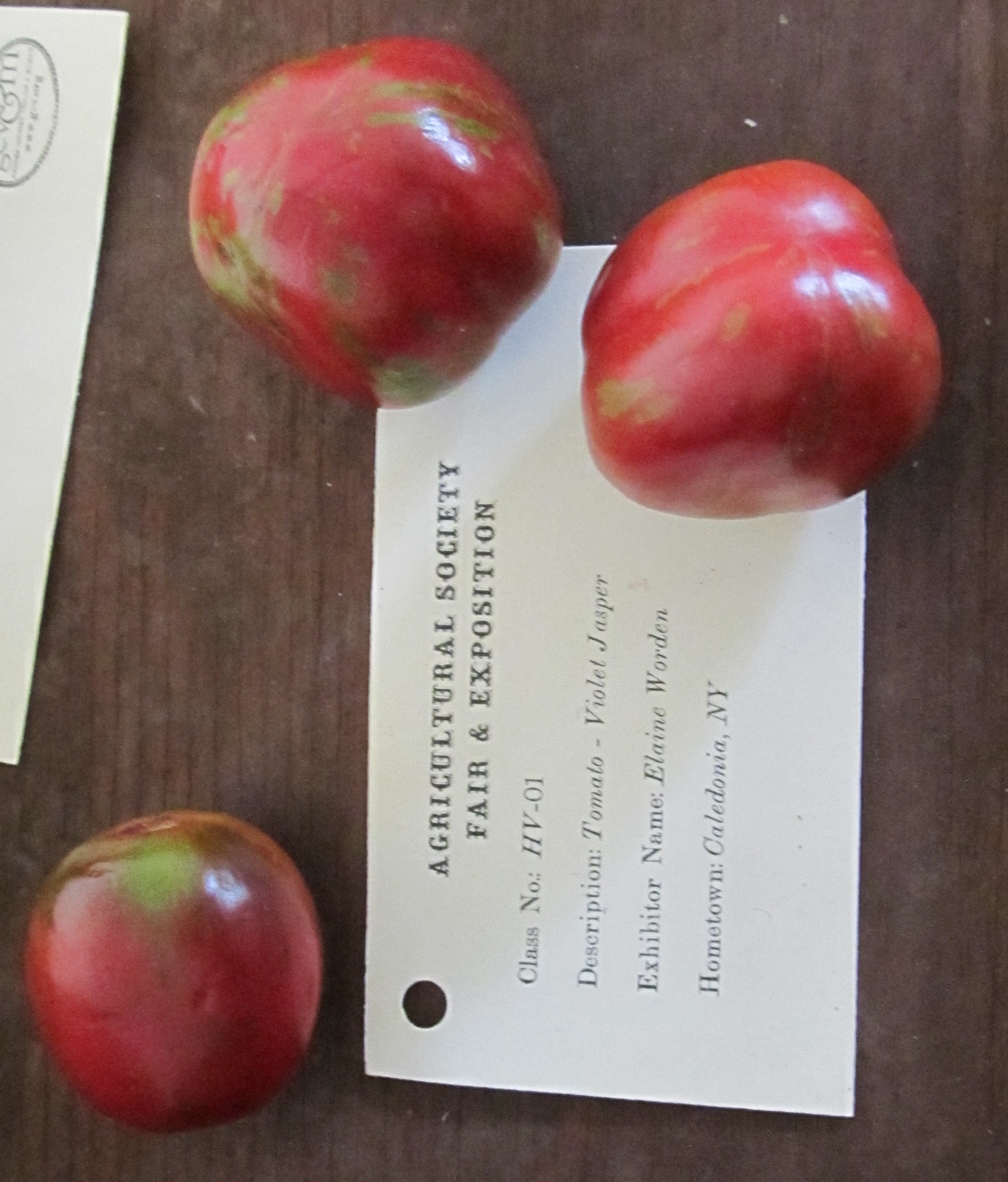
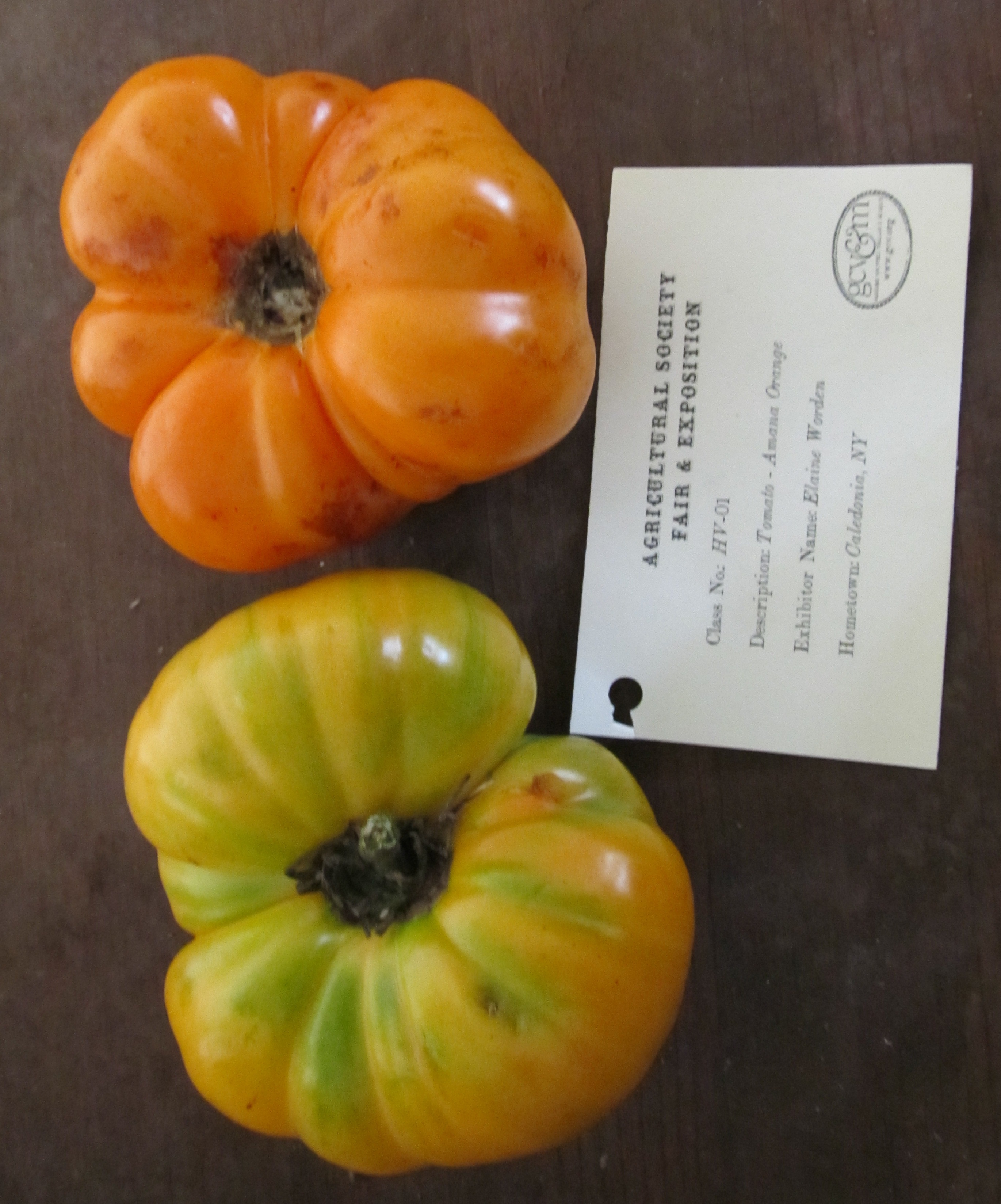
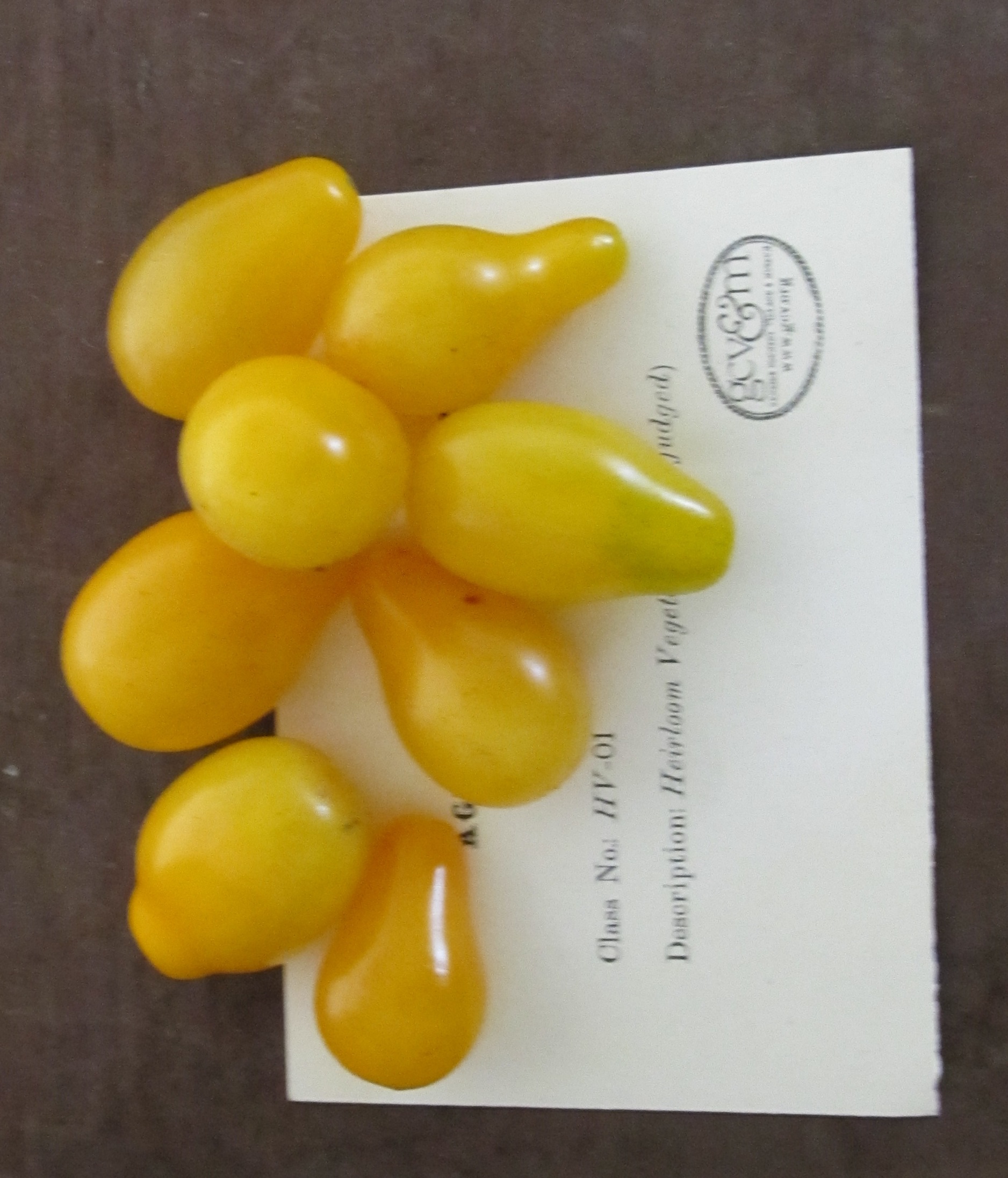
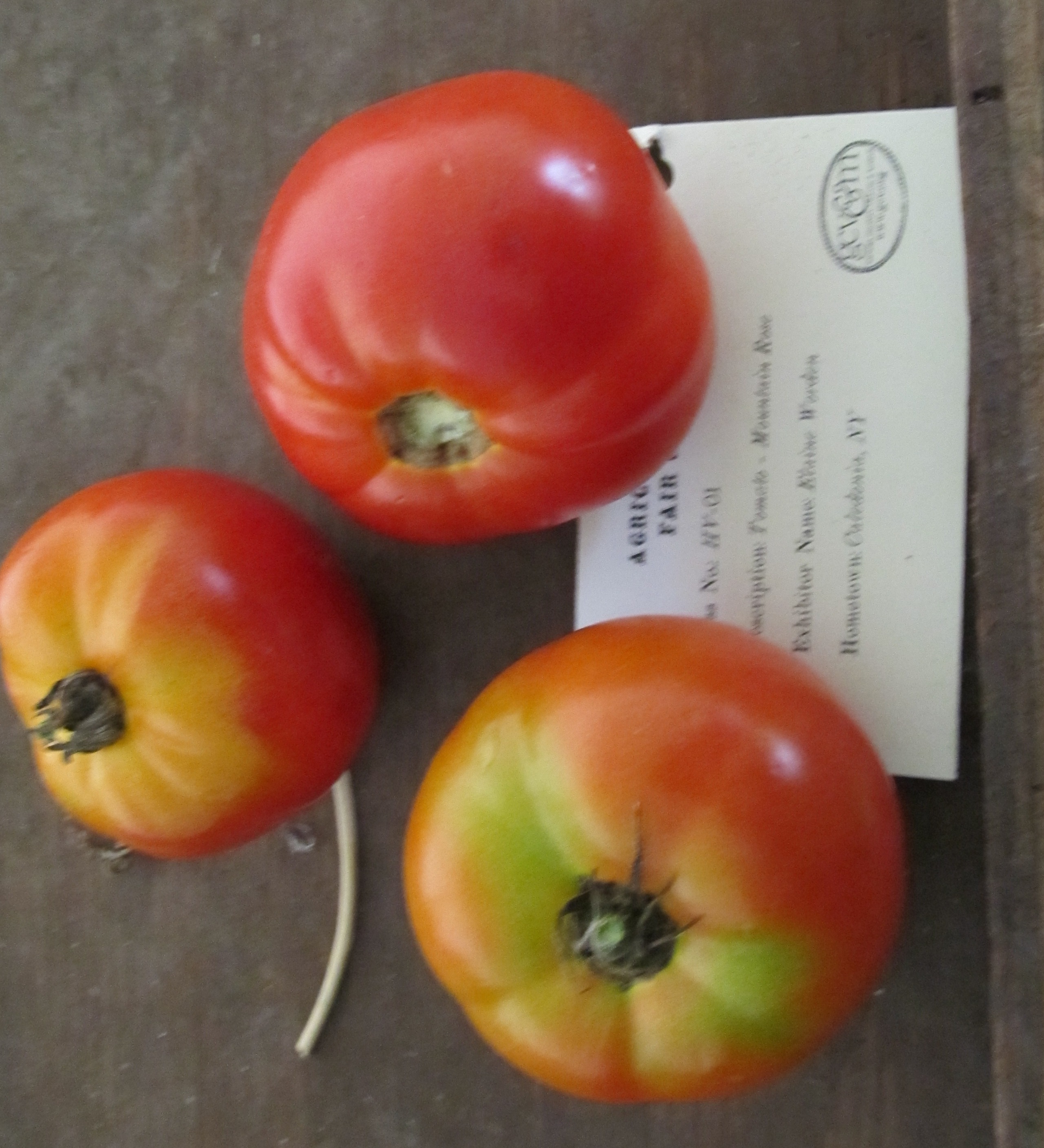
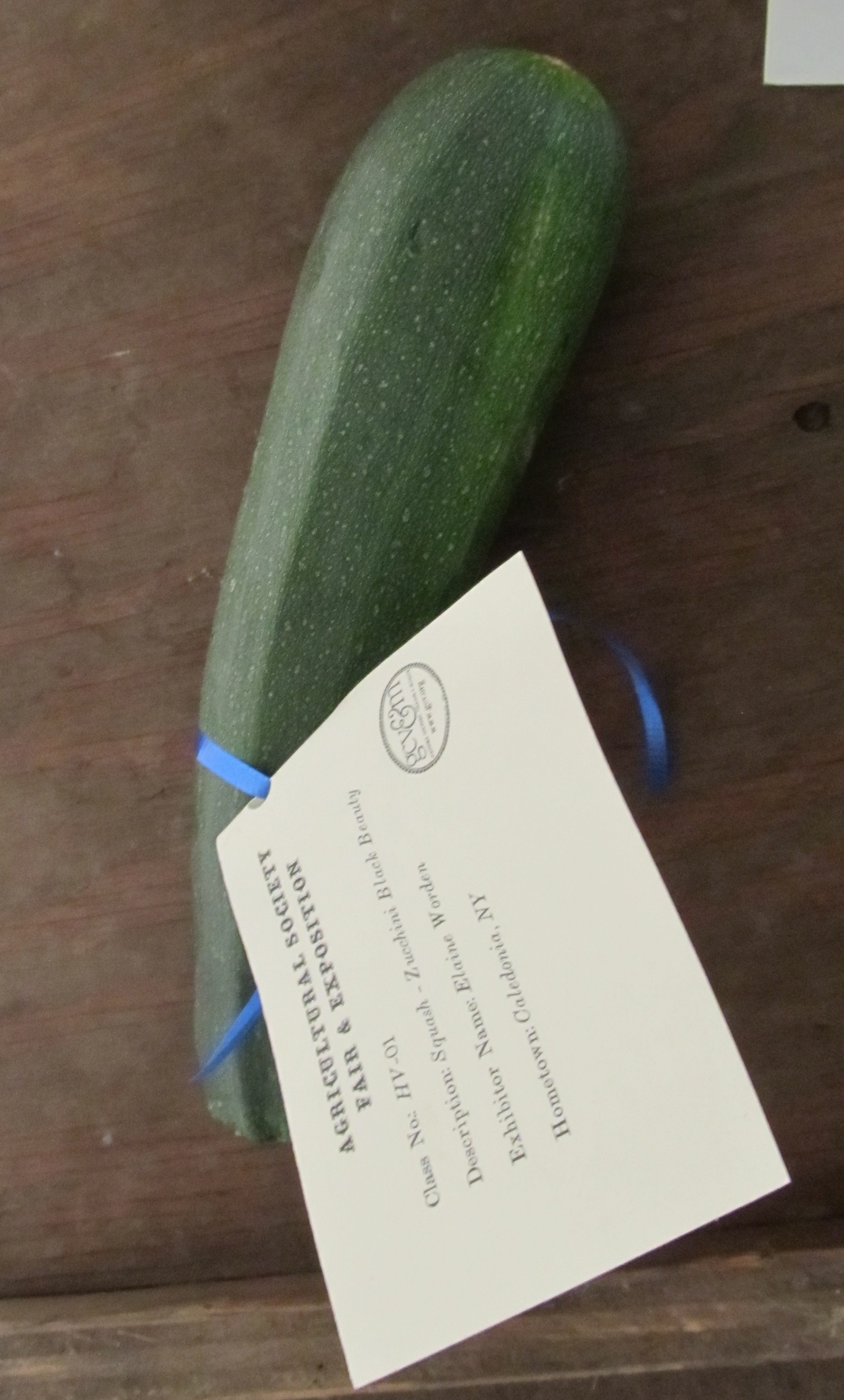
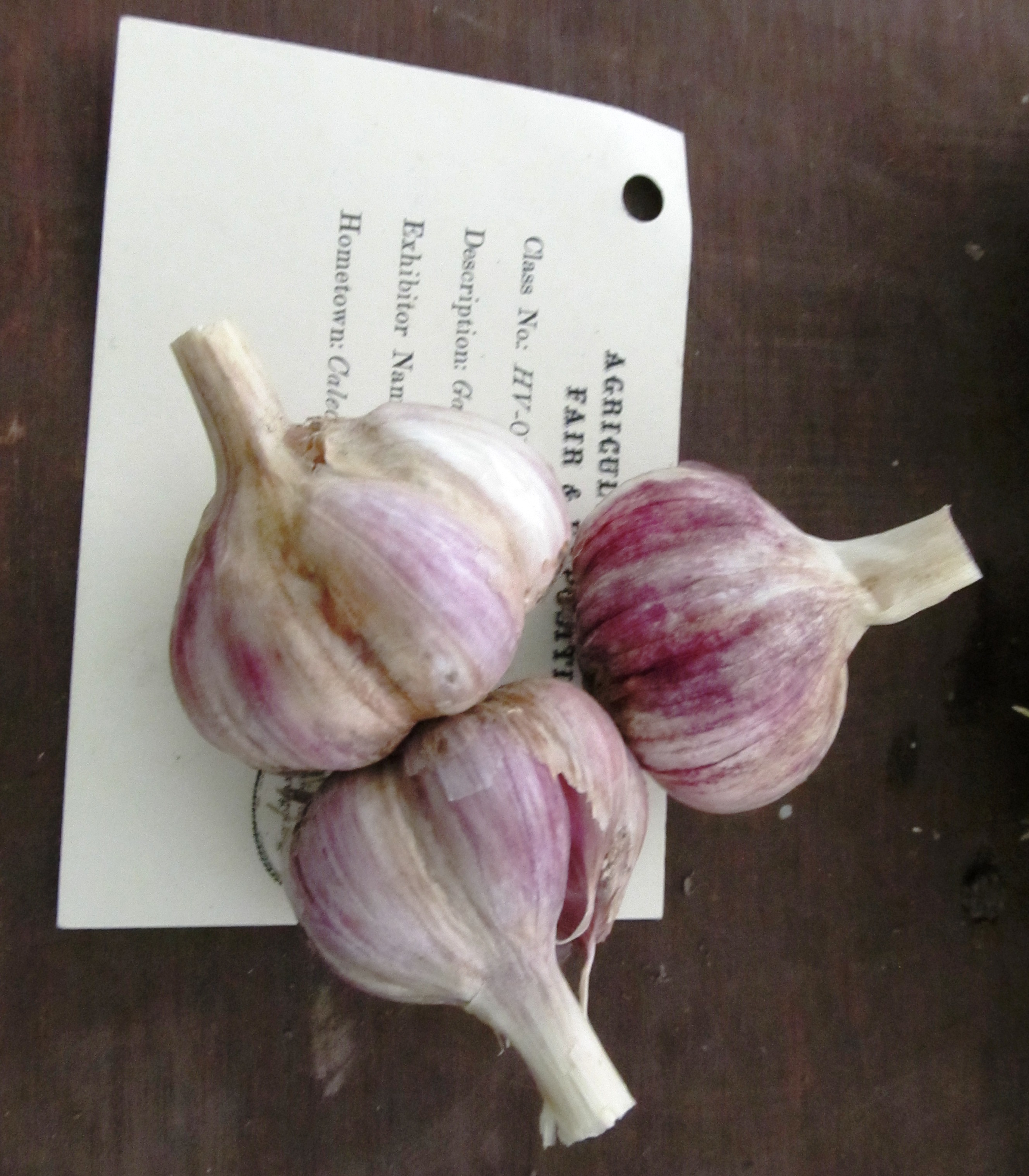
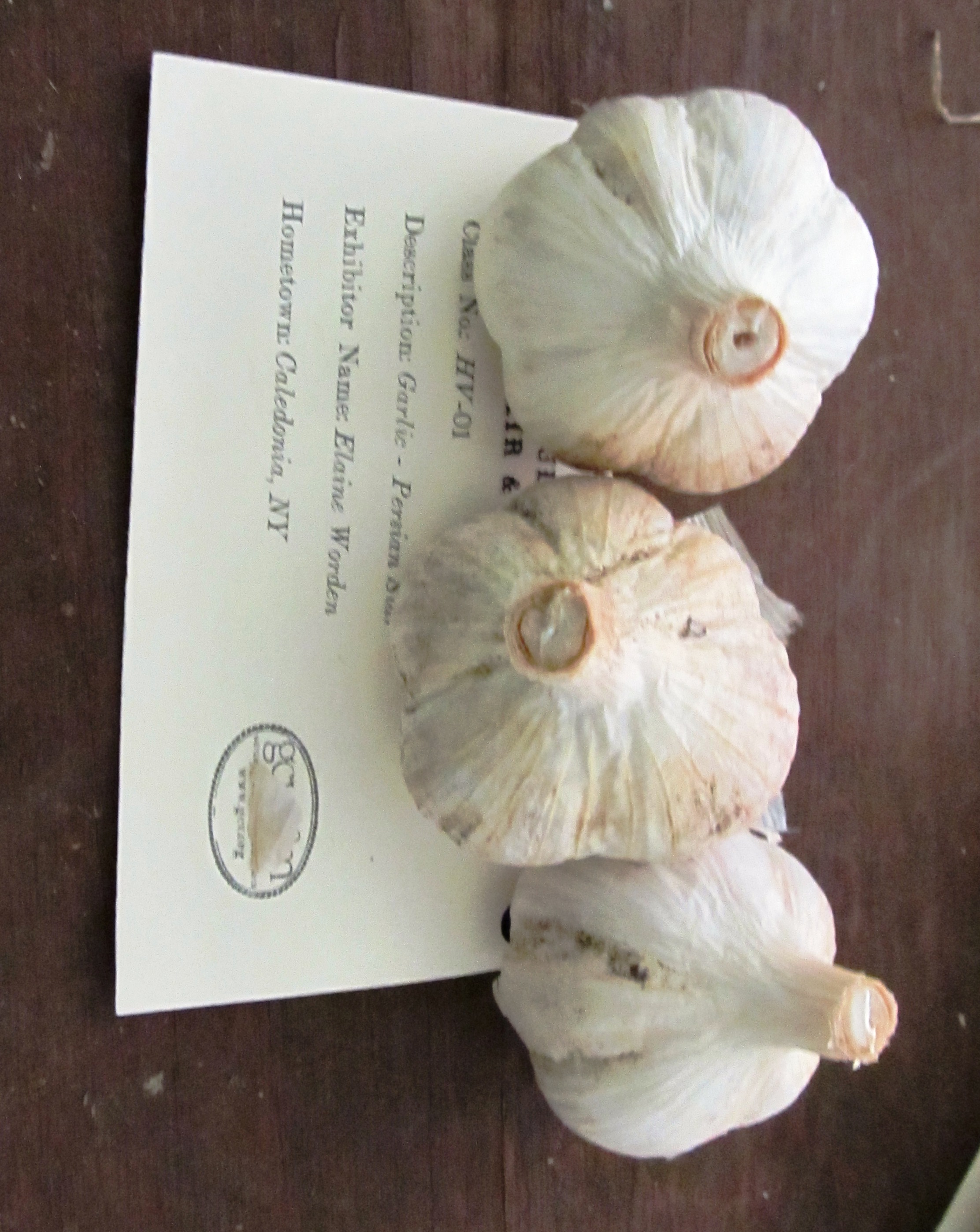
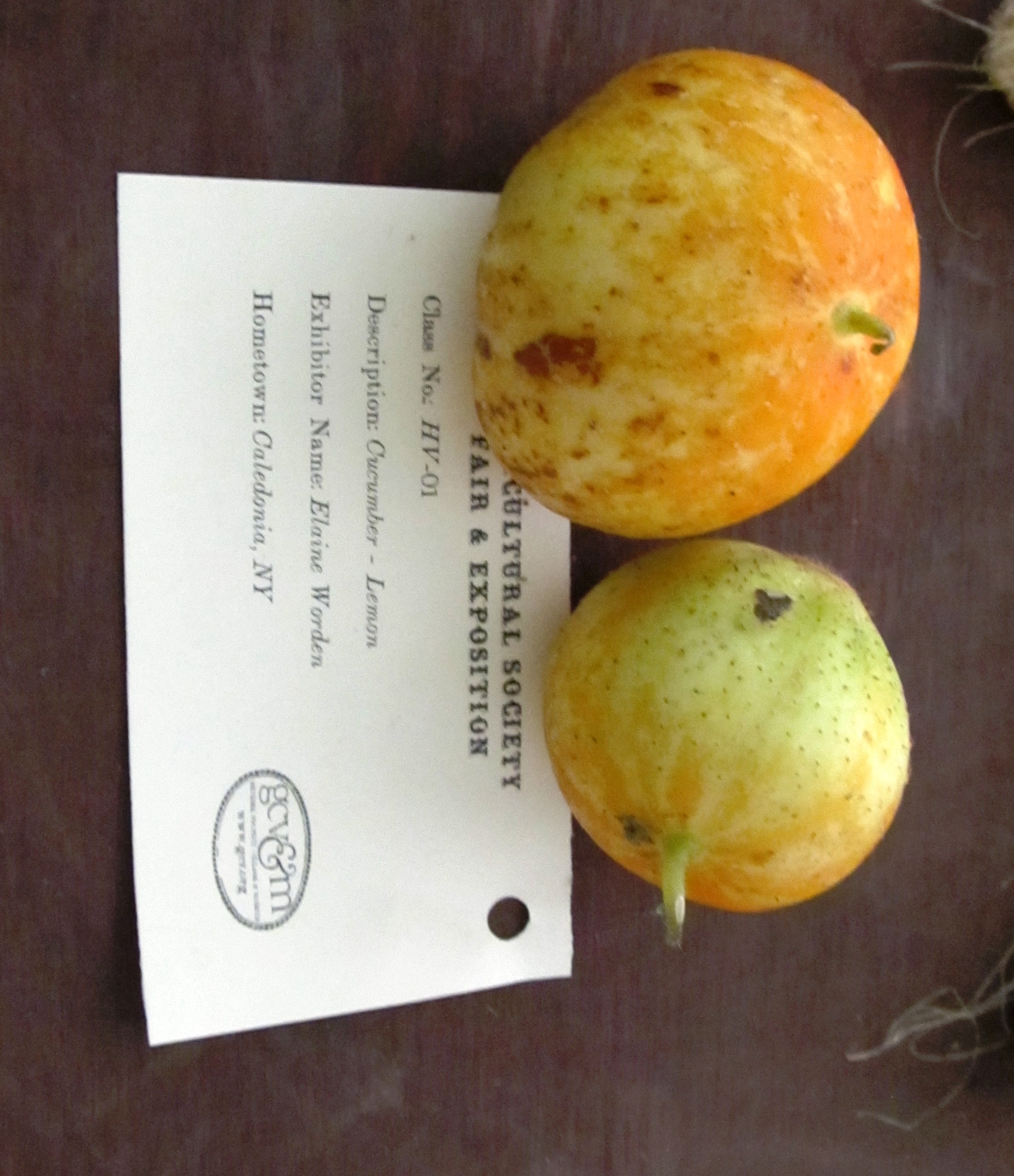
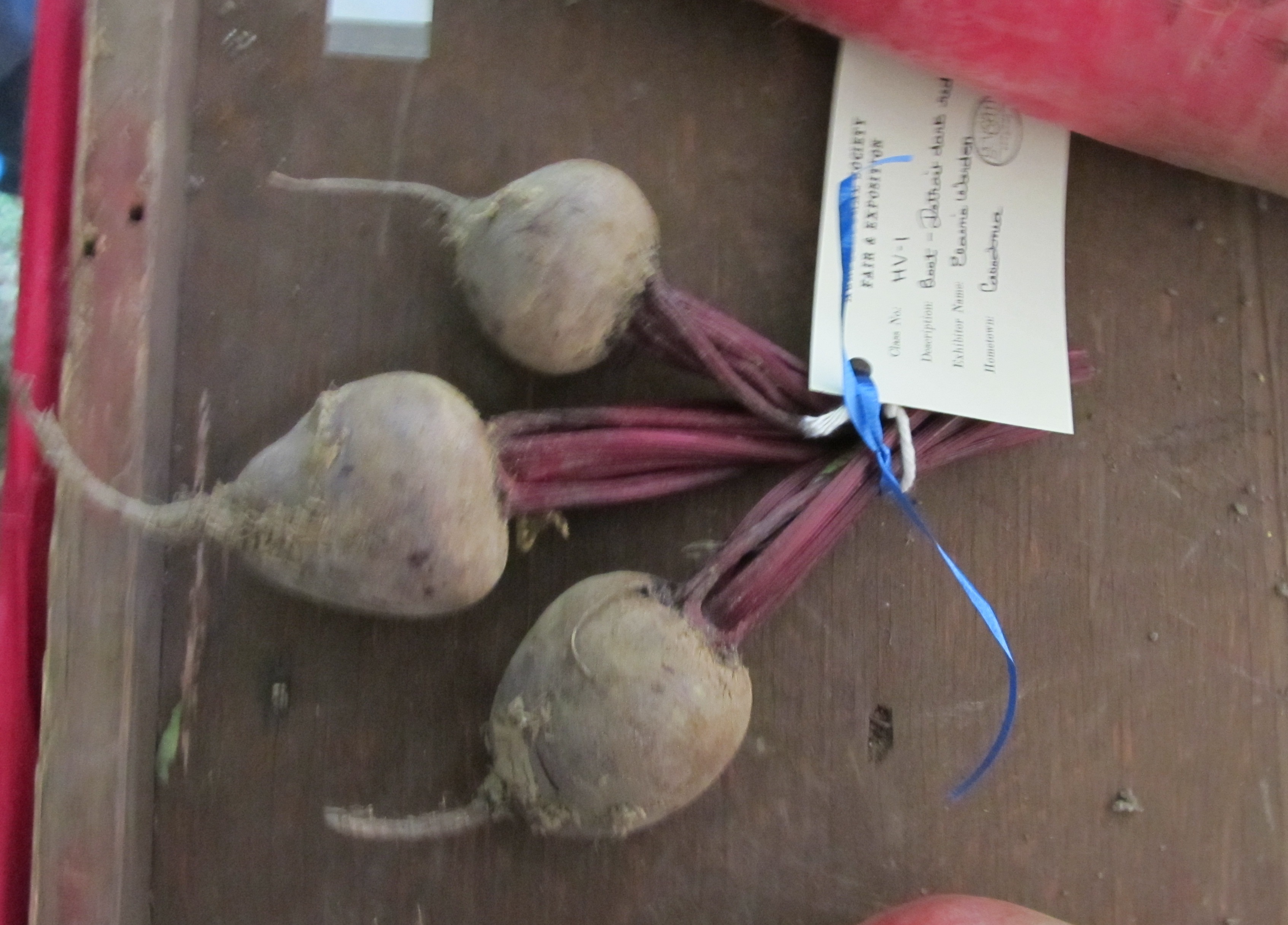
I knew mom was planning to bring a few things to the fair for the horticulture tent. I had no idea….

IMG_7946 IMG_7947 IMG_7948

IMG_7951 IMG_7949 IMG_7961 IMG_7944 IMG_7936 IMG_7938 IMG_7939 IMG_7940 IMG_7941 IMG_7942IMG_7930IMG_7932 IMG_7931 IMG_7929 IMG_7935IMG_7928

Published in: on October 3, 2015 at 5:02 pm  Leave a Comment  

Agricultural Society Fair – Part 1 – Entries

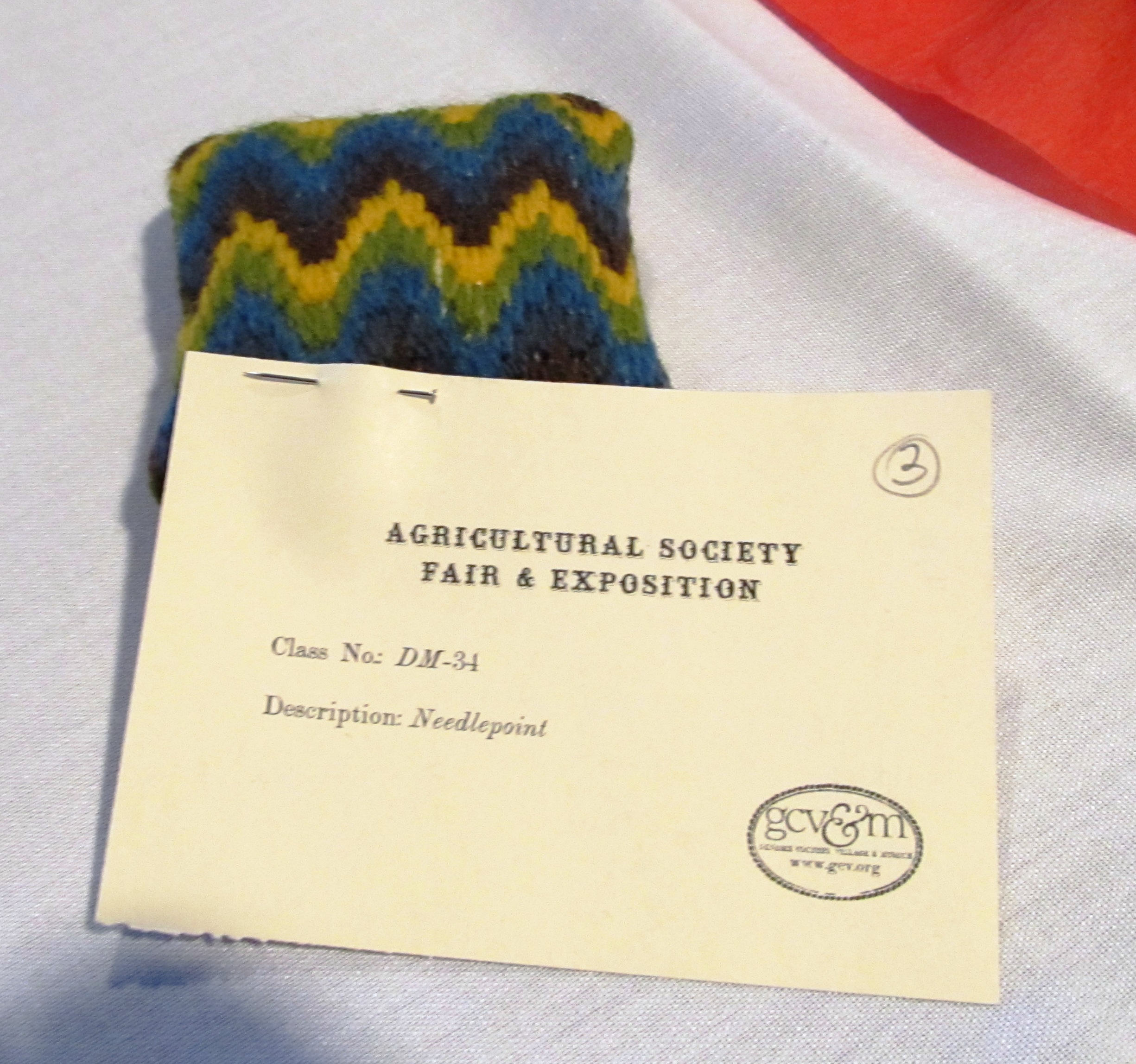
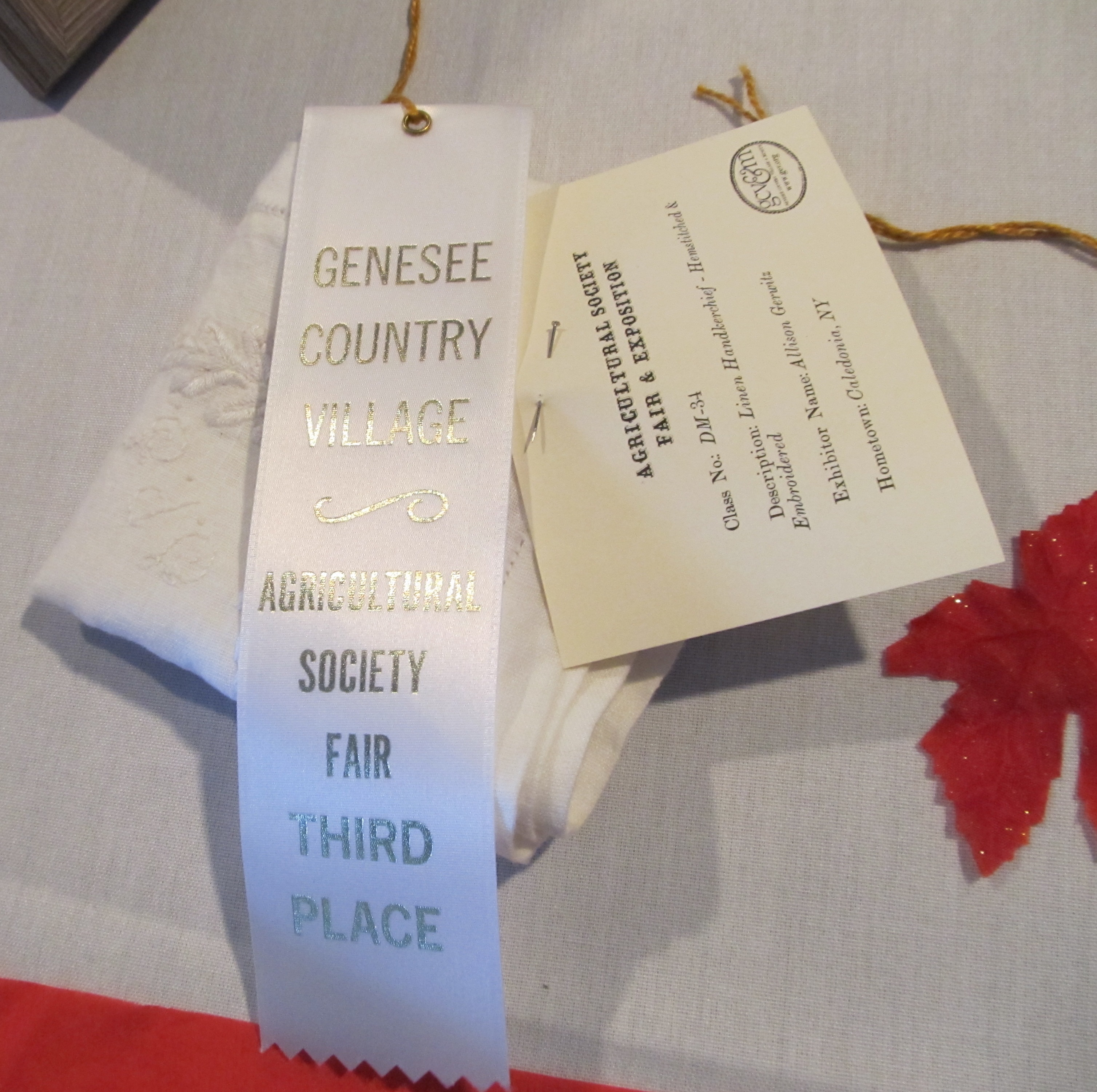
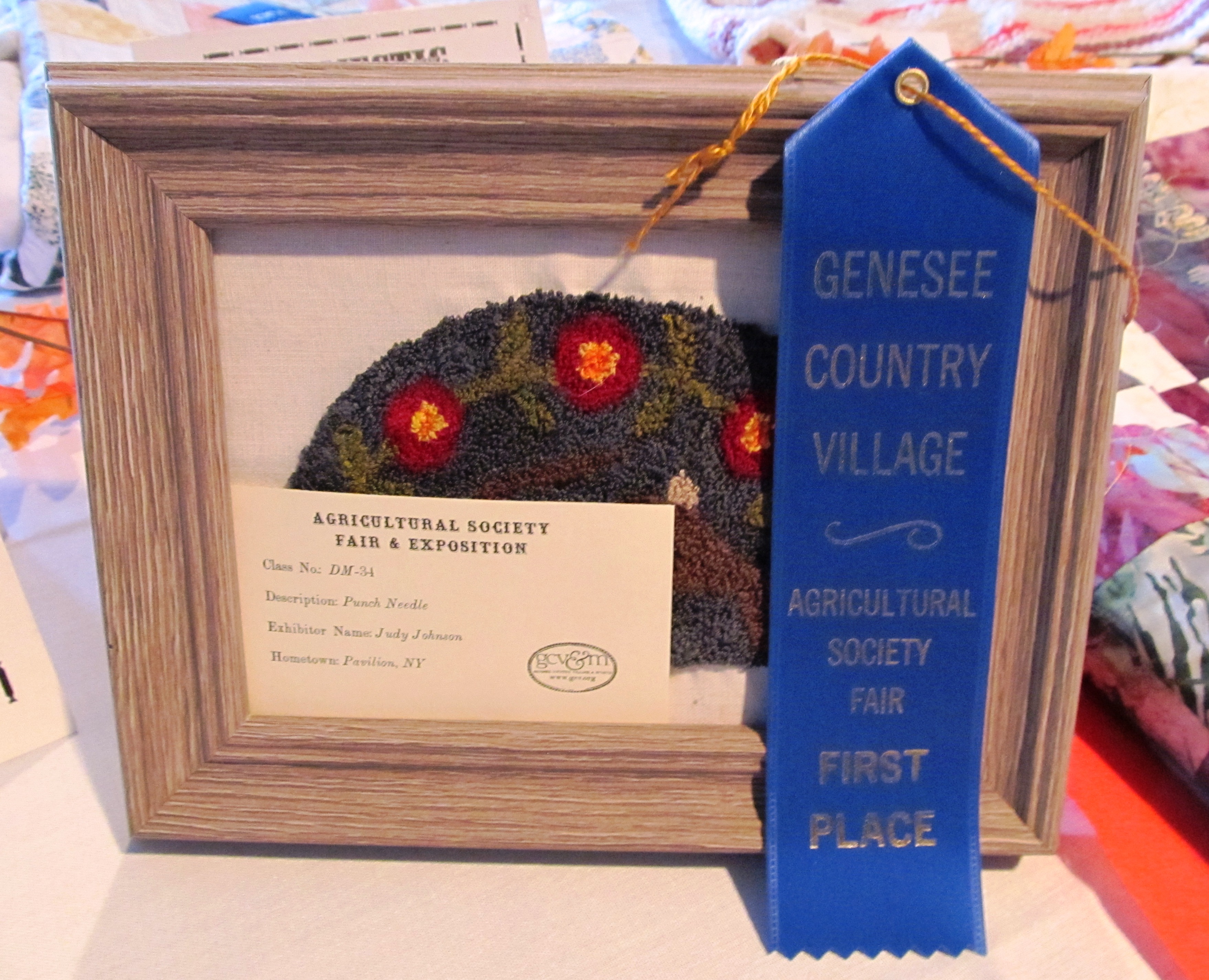
This year, I decided to give myself an extra little challenge – Make my entries in doll scale. I set this goal for myself at the beginning of the year. While I didn’t manage to find the time to make as many pieces as I wanted, I was able to make few. There are also a couple human size pieces as well.

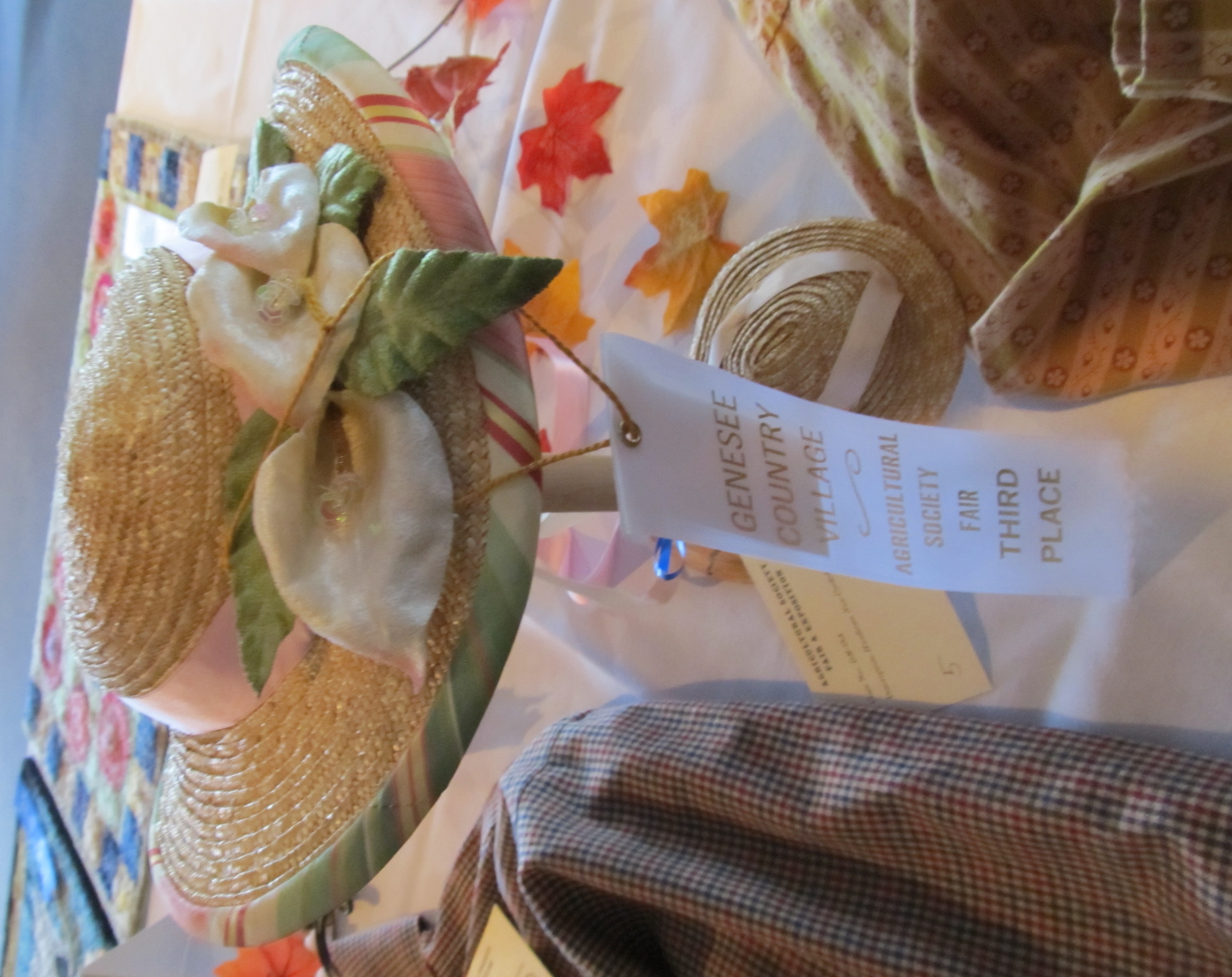
IMG_7915Since I spent so much time this summer making straw hats and bonnets, of course, I needed to make a pair of straw hats, one doll scale and one human scale. The full size straw hat was a favorite of this summer with its bias plaid silk lining and calla lilies. The doll hat is in the same style, simply trimmed with ribbon. If I ever find lilies small enough, I will be happy.

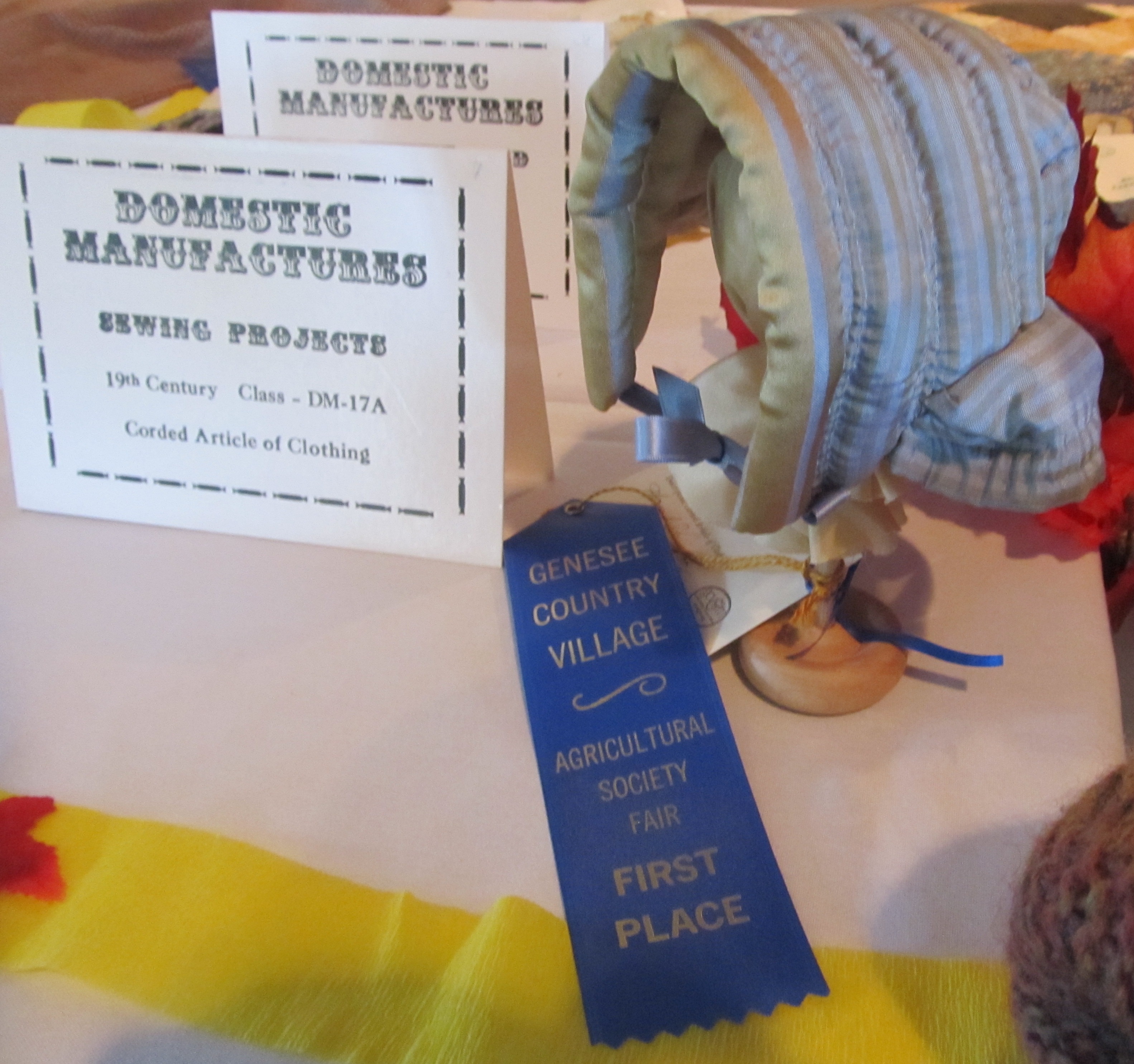
IMG_7921IMG_7917It was fun scaling down the winter bonnet patterns to doll size. I did one in a quilted style using a double twist pattern and one in the corded and wadded style that I find to be nicely warm. These are for dolls with 9.5″ to 10″ heads.

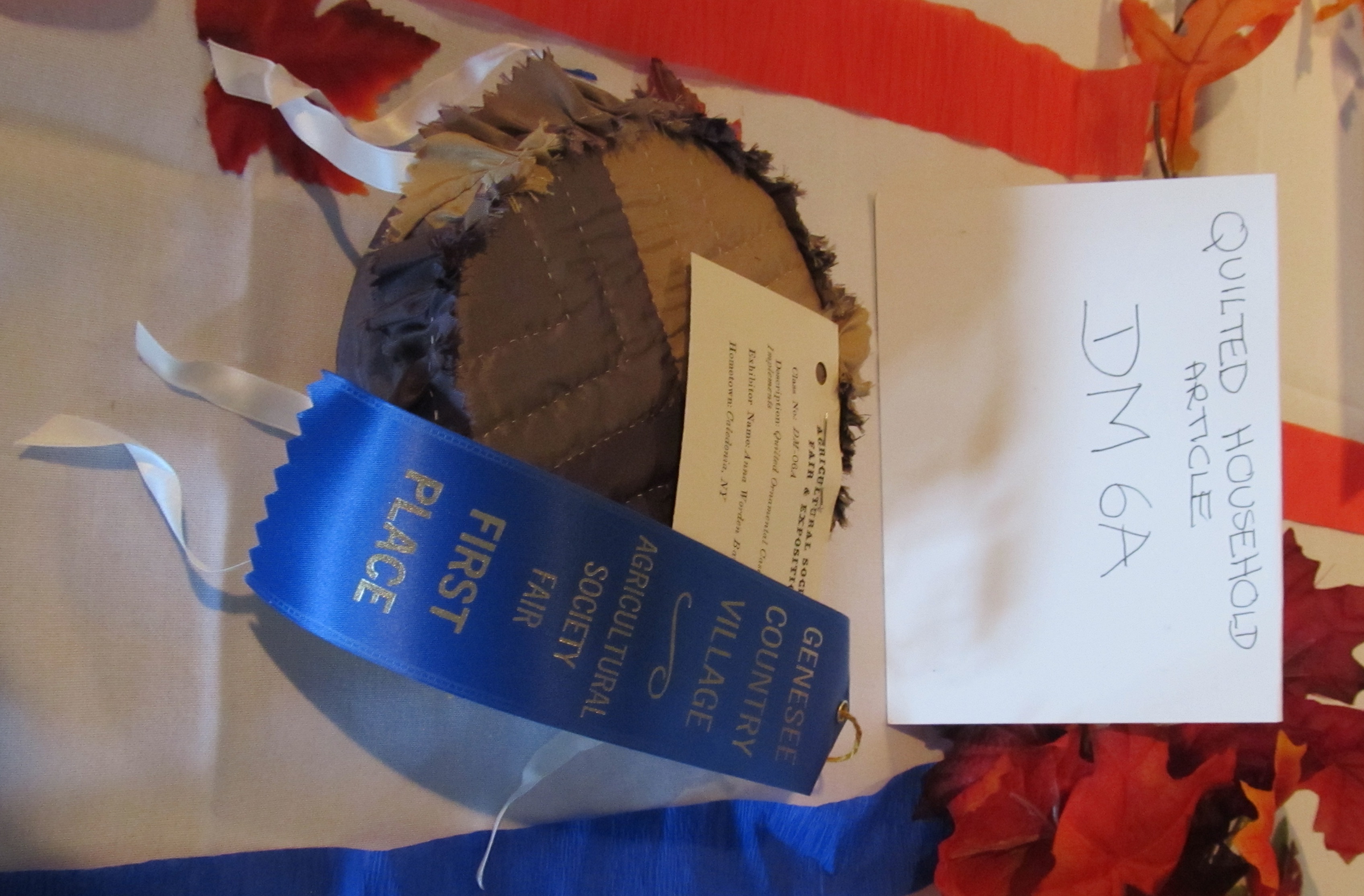
IMG_7918I had lots of fun with this little doll quilt. Triangular piecing was both easy and relaxing. But, as I was almost finished, I realized I needed to bind that curved edge I created. Thankfully, it was a lot easier than I thought. I am tempted to do a full size one in this design. Sometime.

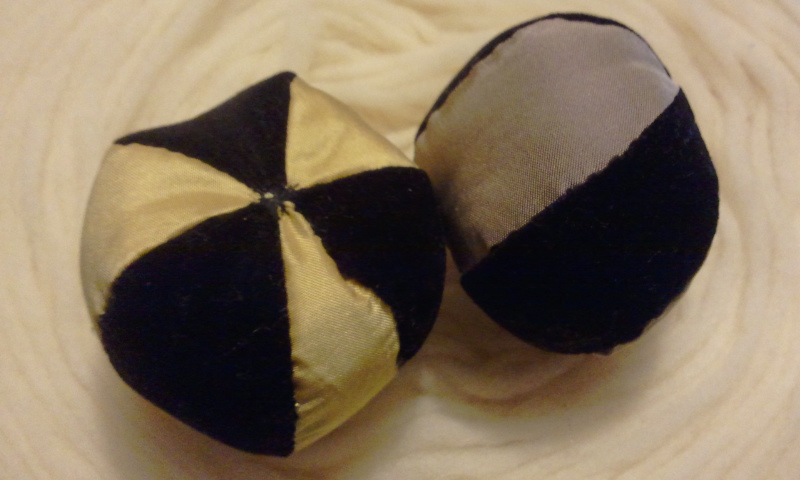
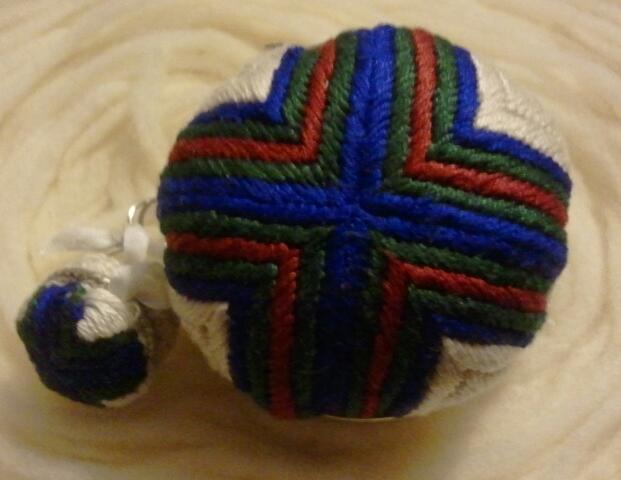
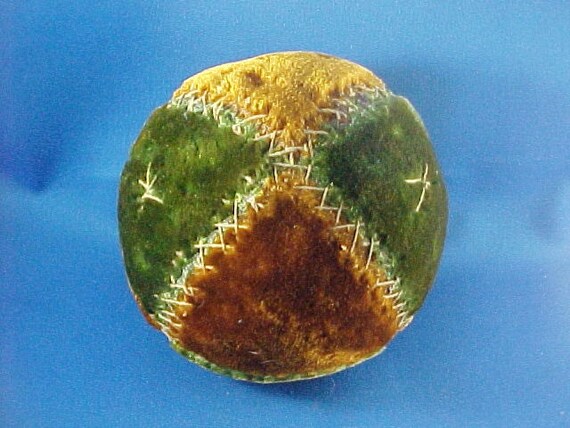
IMG_7908When Mandy found these steel rings, I knew I wanted to do an embroidered pin ball. I did a trial run with simple embroidery on wool. Then jumped into the needlework for this one. Needlework like this is not something I have done much if any of. Some parts were enjoyable. Other parts, well, they made me think “aren’t I done yet?” After finishing the full size one, I wanted to see if I could do the doll size one.wpid-2015-10-01-06.13.49-1.jpg.jpeg wpid-2015-10-01-06.14.02-1.jpg.jpegOne challenge was deciding on what to use for the ring. I pondered an actual ring, but didn’t find one in the right size as I was working. The next challenge was turning the embroidered linen right side out at that small of a scale. I think it came out pretty cute.

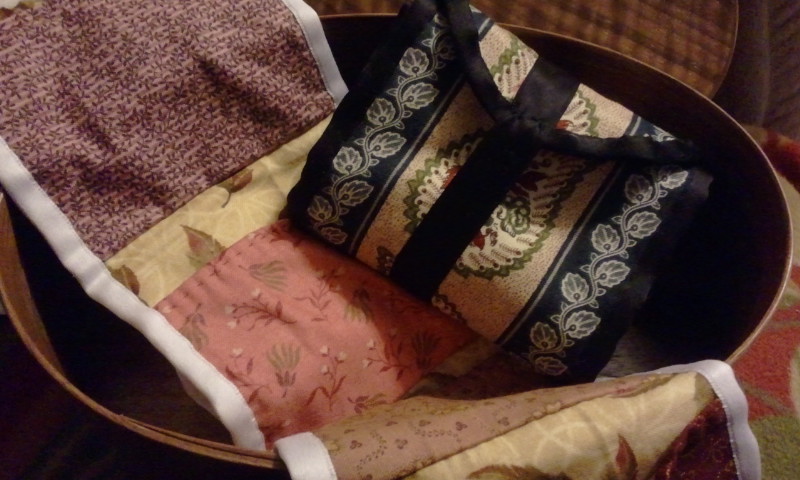
IMG_7923I had every intention of doing my household quilted item in both doll and human scale. Then, as I made the full size one, I decided this was the one and only I was making… ever. This quilted tool case was inspired by an 1872 illustration in Peterson’s Magazine. It could hold sewing tools or toilet tools nicely.

Workshop – Pocket of Pockets

wpid-2015-10-01-19.31.19.jpg.jpegI am very excited that I will be facilitating two Fanciful Utility workshops at the upcoming Domestic Skill Workshop hosted by the Genesee Country Village and Museum during the first weekend of November.

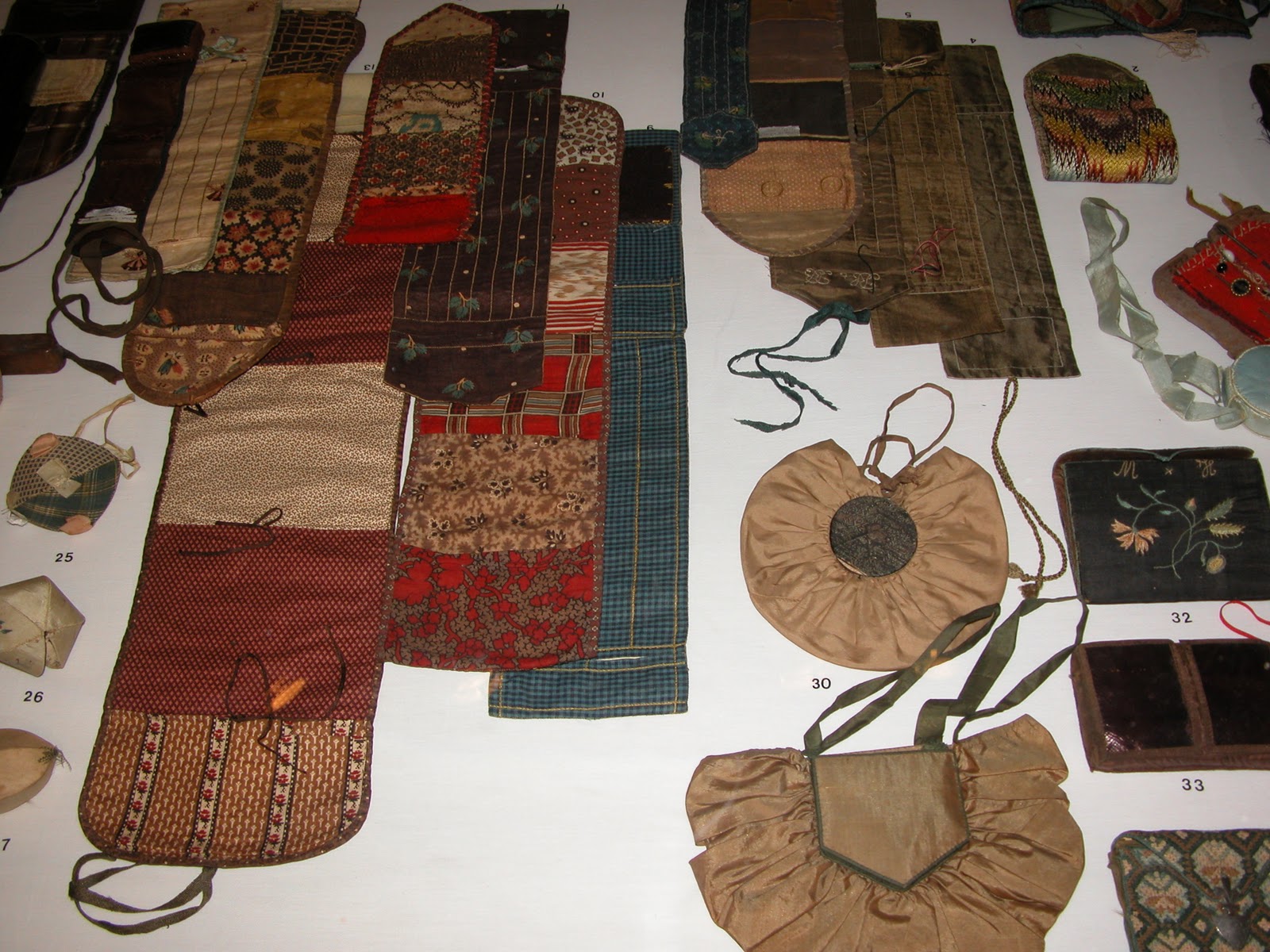
IMG_7791The Sunday afternoon workshop will be a “Pocket of Pocket” Work pocket. Attendees will make one of the most versatile and useful work pockets. Each can choose among a wide assortment of period cotton prints to make their rolled pocket. The workshop directions will be easy to follow for beginner sewers and open enough for those who are more experienced.

wpid-2015-10-01-19.32.08.jpg.jpegOriginal work pockets, made of a row of pockets which roll up, can be found spanning from the 18th century through the 19th century. Their pockets held numerous sewing needs, nicely organized. Some pockets were made with various prints of a single color or shade such as this Turkey red example or this blue example. Other pockets used an assortment of prints, stripes and plaids. This example used a plaid, print and check for the pockets.  The size of the pockets varied through time as well. On the left hand side of this photo, you can see many different sizes.

wpid-2015-09-30-14.54.07.jpg.jpegwpid-2015-09-30-14.51.38-1.jpg.jpeg

Published in: on October 2, 2015 at 6:01 am  Leave a Comment  
Tags:

Workshop: Pin Cushion Sampler

I am very excited that I will be facilitating two Fanciful Utility workshops at the upcoming Domestic Skill Workshop hosted by the Genesee Country Village and Museum during the first weekend of November.

The morning workshop will be A Pin Cushion Sampler. Attendees will be able to make two or three pincushions of their choice during the workshop. Don’t worry, all attendees will take home the directions for each of the cushions. I have put together an assortment of pin cushions that will meet a range of sewing abilities, beginner to experienced alike, as well as meet a variety of sewing case needs.

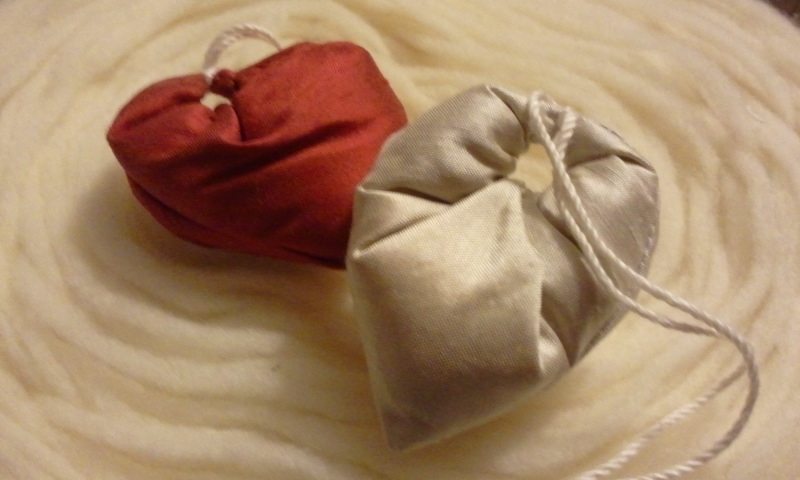
wpid-2015-10-01-06.15.38.jpg.jpegThe easiest pin cushion is the heart shaped cushion from Eliza Leslie’s American Girl’s Book. This simple, silk cushion is both easy to make and quite pretty. It can be made small (as our cushion will be) or rather large to suit the needs of the sewing box.

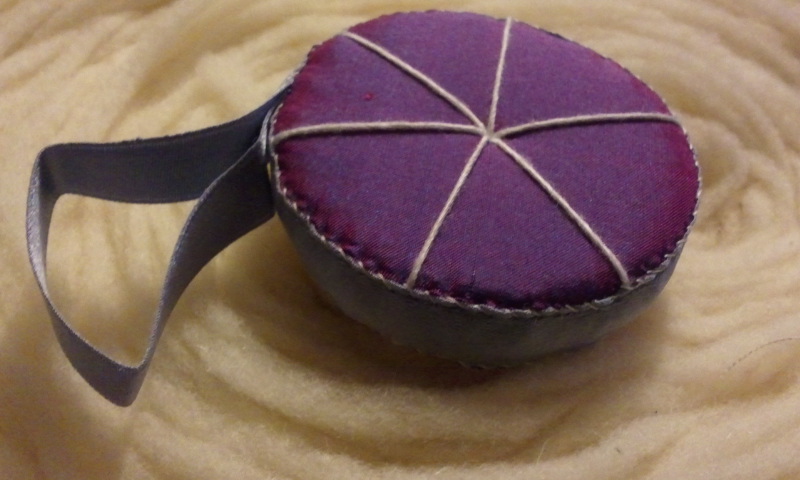
wpid-2015-10-01-06.15.20-1.jpg.jpegThe most challenging cushion is this multi-media ring pin cushion, made with a silver tone ring and silk. In making this cushion, you will practice covering pasteboard, manipulate the batting and finish it off with a pretty silk. Multi-media pin cushions such as this one were popular throughout the century.

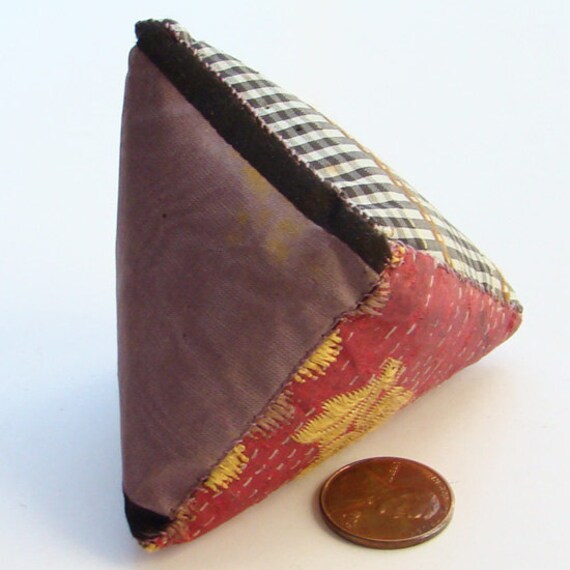
wpid-2015-10-01-06.16.50-1.jpg.jpegFor those looking for a small, whimsical pin cushion, this pyramid cushion will suit. This cushion will be worked in firmer fabrics, including wools and velvets. This cushion is inspired by this adorable original. (I’ll have some pretty ribbons you can add as well.)

wpid-2015-10-01-19.25.29.jpg.jpeg

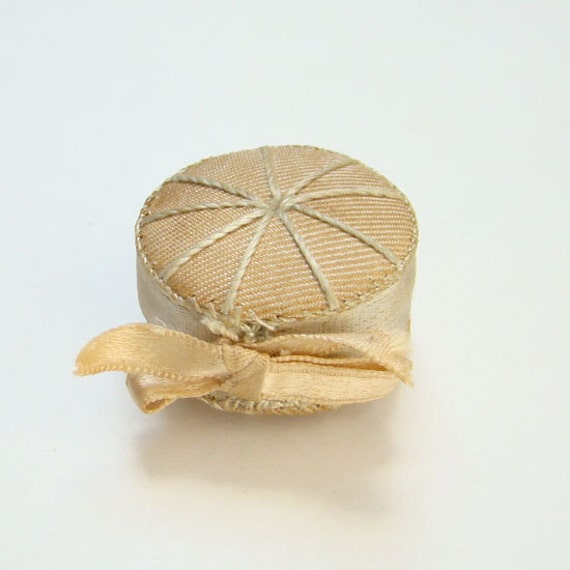
If you love ribbon, this ribbon pin cushion may be the one for you. This cushion uses Fanciful Utility techniques in a unique way to create this pretty cushion. It is inspired by originals such as this one.wpid-2015-10-01-06.14.57-1.jpg.jpeg

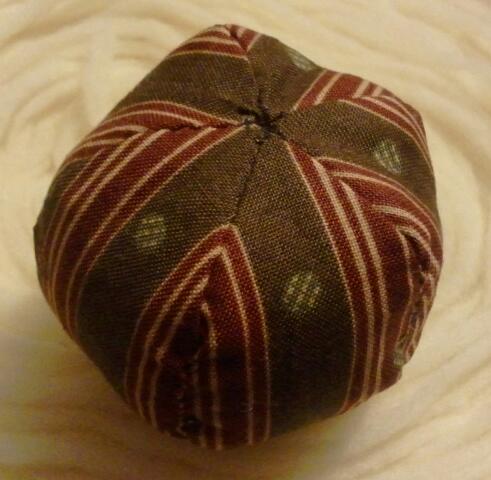
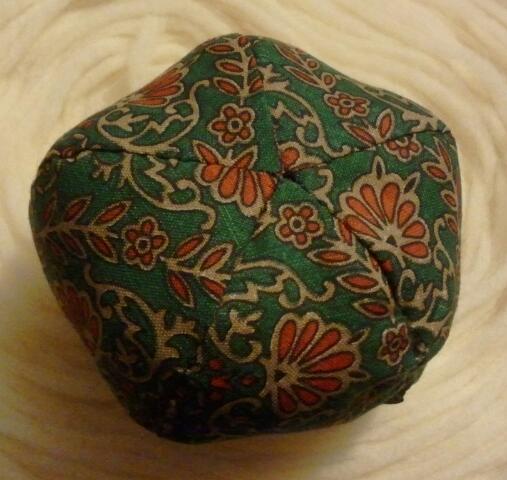
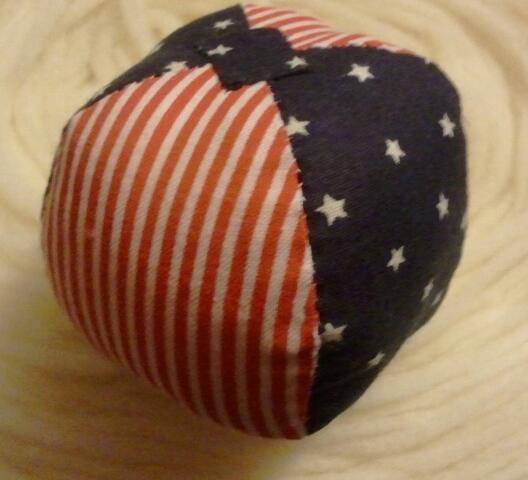
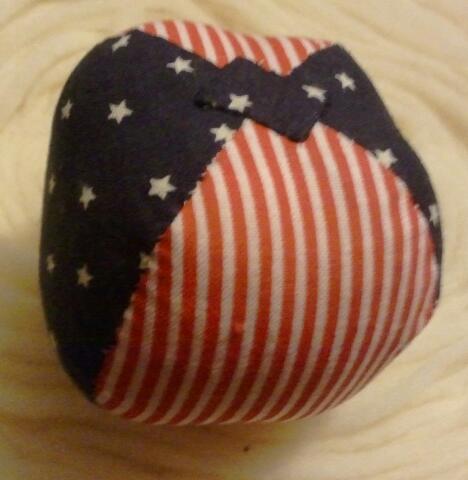
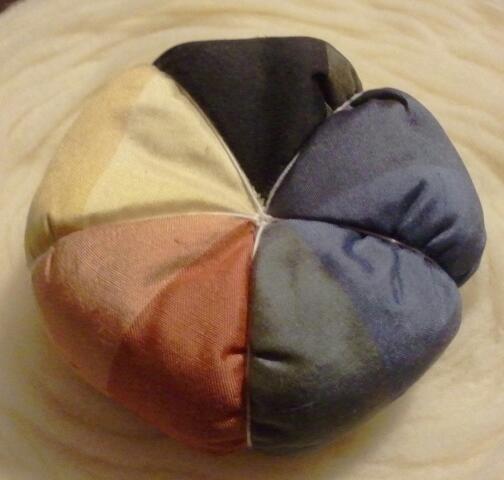
For those with a playful eye, this ball pin cushion is a fun choice. We will be making ours with silk pieces. Originals can be found in an assortment of materials.

wpid-2015-10-01-06.14.34-1.jpg.jpeg

Variations of a gored pin cushion are found in both published books and originals. This cushion is easy to make, while being very versatile. As these are similar to the ‘tomato’ pin cushions, I am going to bring along some simple circles too in case those are the preference.

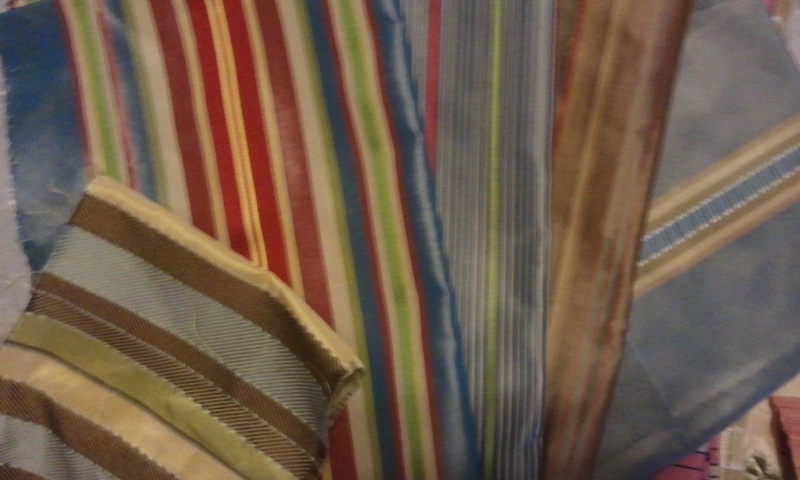
Oh, I almost forgot…. Here are some of the fabrics we will get to play with….

wpid-2015-09-28-18.03.22.jpg.jpegwpid-2015-09-30-14.54.07.jpg.jpeg

Published in: on October 2, 2015 at 6:00 am  Leave a Comment  
Tags:

Fair on the Brain

This is the time of year that I have Ag. Fair on the brain. The Genesee Country Village & Museum’s Agricultural Society Fair is coming up in a few days.

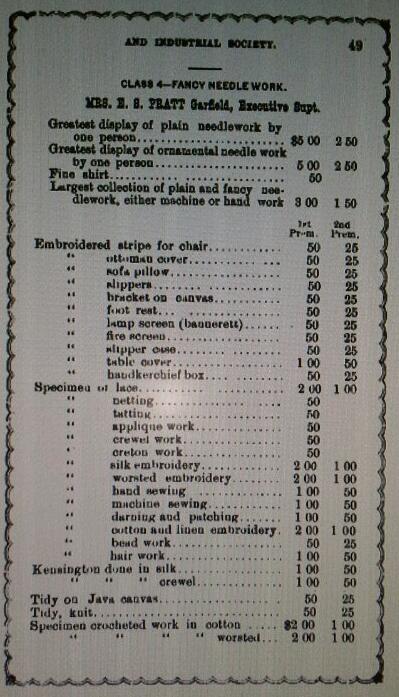
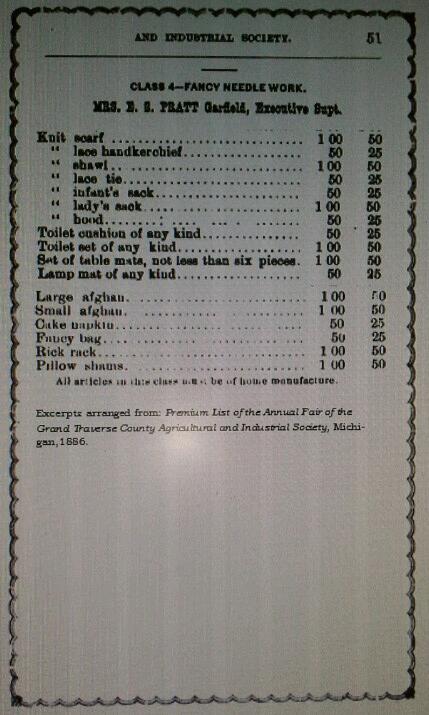
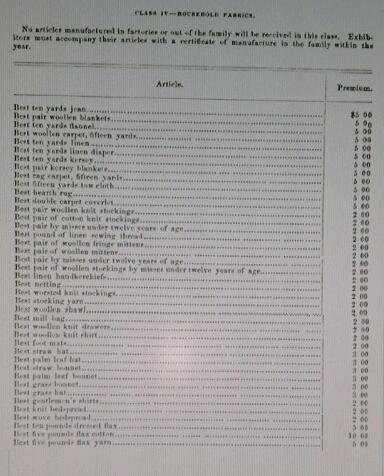
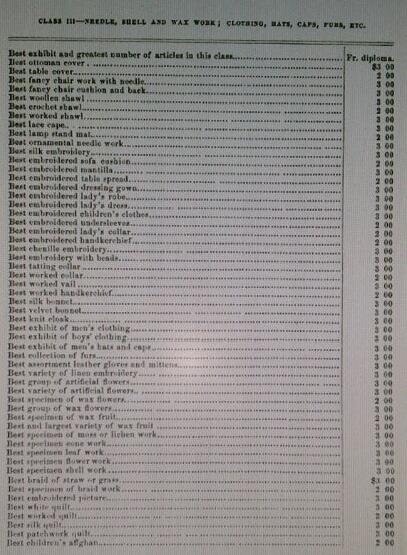
wpid-2015-09-21-09.23.14-1.jpg.jpegI find the premium lists and premium books to be quite fun to look at. These lists of entry catagories tell us the type of things people grew in an area and what they made on the domestic and manufacturing levels. They give us an idea of what they prized. Some even tell us what they collected.

wpid-2015-09-21-10.28.57-1.jpg.jpegOne of the most interesting entry categories I’ve seen comes from the 1873, Deseret Agricultural & Manufacturing Society Premium book for Salt Lake City. This List of Premiums includes: “Best collection of gold fish, in an aquarium”, Okay, the entire section on paints and oils from that premium book, I find interesting.wpid-2015-09-21-10.28.47-1.jpg.jpeg Btw, in 1839, a set of artificial teeth were entered in the Second Annual Fair of the Ohio Mechanics’ Institute.

from the 1866 California State Fair’s Premium book:

wpid-2015-09-21-14.06.37-1.jpg.jpeg wpid-2015-09-21-14.06.12-1.jpg.jpeg

Published in: on October 1, 2015 at 6:00 am  Leave a Comment  

The Pin Fair

I shared this article ones before. It seems fitting to share it again in anticipation of this weekend’s Agricultural Society Fair at the Genesee Country Village and Museum. Here, from the 1867 The Lyceum Banner, (Chicago).

Pin Fair

The enterprises of boys are never recorded, no matter how much energy, talent and taste they display. It gives me great pleasure to be able through these columns, to describe to other boys and girls, an enterprise on which I know there was a great deal of energy shown, but of the taste and talent, I will leave others to judge.

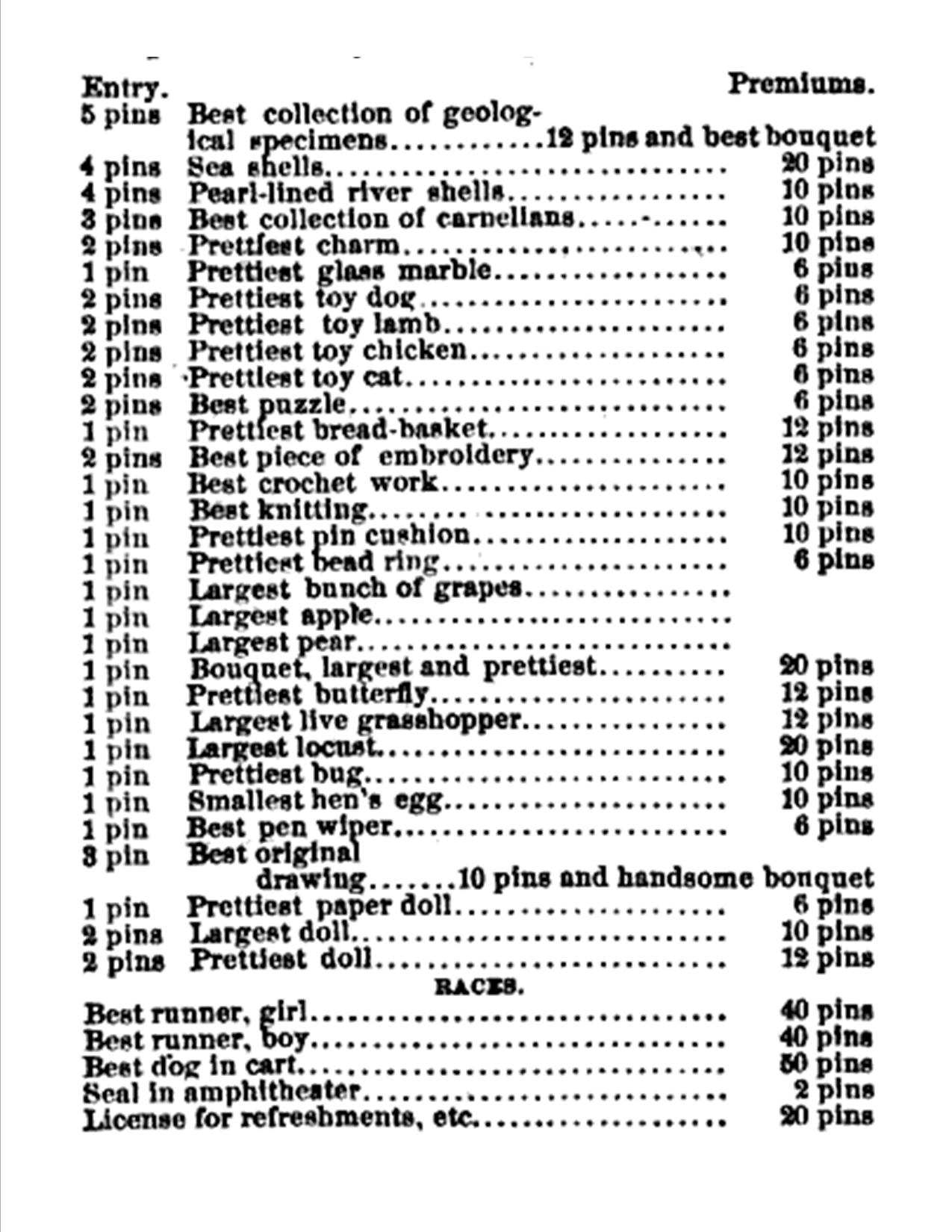
I had just attended the Rock Island Fair, and having examined the grounds, buildings, articles entered, and race-track, and inquired how it was conducted, I proposed to open a Pin Fair on an empty lot near my home. Johnnie Gow, brother Roddie and myself constituted ourselves a stock company, and agreed to plan, execute and control the fair without the assistance of the grown folks. We spread tables in the open air for display of articles, built an amphitheater of raised seats under some trees, and made a race-track in a circle, Oscar Dow as Marshal. Cousin Carrie printed some handbills, and the following saw the price of entry and the premiums awarded:

1

We only sold tickets to children in our neighborhood, because we were afraid we could not control a large crowd, without assistance of the grown folks. The day was pleasant. The tables were covered with beautiful articles tastefully displayed and interspersed with splendid bouquets and wreaths. The most noticable among the premiums awarded to Nettie Guyre, for best embroidery and prettiest doll; to Lizzie Whitman, for best bead basket, best charm; to Charlie Riggs, for best collection of geological specimens, best original drawing, best puzzle, largest bunch of grapes and larges apples; to Lucy Harper, for prettiest toy lamb; to Jennie Gow, for best collection of sea shells and prettiest toy dog; to Minnie Hakes, for prettiest paper doll; to Cornelius Smith, for the best worsted knitting; to Mary Gale, for best bouquet; to Lucy Gow, best pin cushion, best crochet work; to Roddie Riggs, best collection of river shells, largest pear, largest toy chicken; to Clara Whitman, largest glass marble; to Minnie Gow, prettiest bead ring, largest doll, prettiest pen-wiper; to Carrie Conant, largest collection of carnelians; to Harry Carter, best crab apples.

[paragraph on racing]

Our receipts were 187 pins. We spent a very happy day in the open air, increased our love of the beautiful, gave an impetus to our industry, and I hope improved our health and by social intercourse, our good manners. Next year, if we get larger grounds and if the grown folks will control it, we can open it to the public, and get up a big Pin Fair. Charlie.

PS – Two blog posts with lovely photos of a local event in Angelica, NY came up on my feed this morning. Check them out.

Published in: on September 30, 2015 at 6:00 am  Leave a Comment  
Tags:

Oh, for the love of tea…..

The moon was lovely. As the eclipse reached its peak, the line of clouds embraced it. I was off to sleep. Apparently…. not enough sleep.

Oh, for the love of tea…..

Okay, so the images aren’t tea. But, if it were, oh, how this is what I need.

Coffee stall,  from Charles Knight's London, vol.4, 1843

Coffee stall, from Charles Knight’s London, vol.4, 1843

Breakfasting Out, 1859, by Robert Dowling,

Breakfasting Out, 1859, by Robert Dowling,

Published in: on September 28, 2015 at 6:00 am  Leave a Comment  

Dry Goods – From the Shopper’s Perspective

I am hesitant to recommend this book because it is 1872 and I don’t want those interpreting the 1850s or 1860s to rely on it too heavily. At the same time, I would be remiss if I did not share the book because it is so useful.

This book gives an view of dry goods for the consumer as it was written for that audience. In addition to the over view of fibers and colors, it breaks down the materials and goods available in sections divided for dress goods, household goods and misc.. It ends with a listing of where many of the goods are manufactured.

I find it to be a nice introduction, if advanced in years for some, and general overview of what was available in the United States for dry goods.

Scissors and Yardstick; or, All About Dry Goods, by C.M. Brown and C.L. Gates (Hartford, Conn. 1872)

There is an earlier publication in a similar format covering dress goods and related items. This in a British publication rather than an American one. So, some of the items may be different. This book’s Haberdashery section will be of interest to those who sew or wish to know some of the details of what goes into their garments.

A Treatise on Haberdashery & Hosiery by E.E. Perkins (London: 1845.)

Published in: on September 25, 2015 at 6:00 am  Leave a Comment  

Beyond the Slubs

In the mid-19th century, we know

dupioni silk = slubs = bad

When “is this silk okay” or “can I use dupioni” questions come up in forums and discussion groups, the go-to explanation is about the slubs. In the mid-nineteenth century slubby* silk was considered inferior.

This is true. But, there are a couple more layers to it than that.

There is the dupioni part of it and there is the inferior fabric part of it. Let’s look at the dupioni part first.

wpid-2015-09-24-16.49.27.jpg.jpeg

A sample of dupioni. Notice the slubs in the weft threads. When frayed, see the difference between the finer warp threads and the uneven, thicker weft threads.

Dupioni is a plain weave silk. It uses two different types of thread though. In the warp, the threads that go up and down on a loom, the threads are fine with a tight twist. In the weft, the threads that go back and forth on a loom, the threads are loose, not tightly twisted. This weft thread is irregular, uneven and contains the cocoons of the silk caterpillars. Those cocoons are what make a dupioni fabric slubby. Beyond those slubs, those weft threads are also soft and fuzzy. The weave of a dupioni silk unravels much easier than that of a taffeta. The unraveling is a fuzzy one, rather than a dangling long, fine thread of silk.

Why is this important?

wpid-2015-09-24-16.47.27.jpg.jpeg

Three silk samples, two taffetas on the left and one dupioni on the right. See the thread comparison below.

Because, most modern interpreters are shooting for a taffeta, one of the most common silks used in the mid-nineteenth century for women’s clothing. Silk taffeta is also a plain weave fabric. It uses fine, tightly twisted silk threads for both the warp and the weft. Taffeta (that meant for clothing) has a full drape but retains an airiness because it is light weight. Taffeta will also crease sharply when asked and retain shaping. When we compare the two fabrics, dupioni is heavier, it drapes fully but with a bit of cave due to the weight, it also tends to be thicker due to the weft threads being uneven. Dupioni will not hold a crease or particular shaping like taffeta.

In the end, even if a dupioni has little to no slubs, it still retains the unruly weft threads.

Now, on to the inferior silks part.

Inferior silks did exist in the mid-nineteenth century. We wouldn’t hear about them otherwise. So, the questions are – What were inferior silks? and What were actually done with them?

To get a full understanding of inferior silks, there is plenty to read in Google Books.

To stick with the basics… Inferior silk can start with the fiber itself as it comes out of the cocoon. Inferior silk can be so at the spinning stage as well. Shorter fibers and uneven fibers in a strand or in a thread make for an inferior silk since the ideal was fine, even and smooth.  Many manufactures used those inferior fibers and threads for the tram, the filling or thicker cords that make the ribs in ribbed fabrics and ribbons (think grosgrain, bengaline and faile.) Some inferior threads were used for knitting stockings.

In terms of the silk fabrics themselves, textile dictionaries refer to specific fabrics as coarse or rough. While these fabrics did in some cases become materials of fashion late in the century, during the mid-century they were not the ideal as they did not offer the drape and shaping needed for the style of the era. In some domestic guide books there are sections on how to select goods while shopping. I am trying to recall which one it is that goes into silk, discussing how to determine a silk’s quality. As soon as I remember which it is, I will include it. Until then, the existence of the passage tells us inferior, or at least lesser quality silk fabrics did make it into stores. It can be deduced that there was a manufacturing <> economic factor to all of this.
So, in end…. Dupioni is slubby. But, the un-desirableness to the fabric goes beyond the slubs.

————————————————————————

wpid-2015-09-24-16.45.37-1.jpg.jpeg

The dupioni threads are noticeably different, warp on the left, weft on the right

wpid-2015-09-24-16.45.53-1.jpg.jpeg

The taffeta threads are both find and spun.

wpid-2015-09-24-16.46.07-1.jpg.jpeg

Even though this silk, which is a shot silk, has two different color threads in two different thicknesses, all three thread (white, green and yellow) are even, fine and spun with a twist.

*btw – What we call “Slubs” were known as Slugs, Nubs, Nibs and Knots in the nineteenth century.

ADDING: Jessamyn mentioned the difference between between dupioni and shantung in a comment on FB. I thought I should add a link to this modern article on “How to tell the difference between silk dupioni and shantung.” If you have seen my plaid 50s dress with the big sleeves, that is shantung.

Published in: on September 24, 2015 at 4:00 pm  Leave a Comment  

A Closer Look at My Winter Bonnets

IMG_7764I have been meaning to write about how I make my winter bonnets for a while now, a while being over a year. I really want to share with you what goes into each of the bonnets I make.

Why do I love working on winter bonnets?

As you know, with my straw bonnets it is all about the art, the lines and curves that make up each style. For the winter bonnets, it is equally as much about the why and how of the construction, they layers and the materials. I love figuring out why a bonnet was constructed in a specific way, what the material choices were for, why this little area was done this way, etc. There is also something about the visual texture the quilting or wadding creates. I find it pleasant.

I also get very, very cold in the winter. The soft, snuggly warmth of a wadded or quilted bonnet is comforting. I often want one of my 19th century bonnets for everyday wear during my frigid, pre-dawn morning commute.

Where do the patterns come from?
Each of the bonnets I am now making come directly from original bonnets in my collection. I have slowly been collecting winter bonnets with a variety of shapes and construction techniques. Each piece goes through my version of a conservation process (how I wish I had the resources to do everything I would like), ensuring there are no buggy nasties, helping the all too often crushed, scrunched, flattened fibers back into shape and stabilizing. Once I think a piece is ready and I am ready to focus on a piece, I have a note taking process that I am sure would make some people’s heads turn sideways in puzzlement. Hey, it works for me. From my notes, I draft a pattern. These patterns are what I use for creating my winter bonnets.

What materials do I use?

I try to use the same types of materials I find in original winter bonnets. Sadly, as with many things, we simply do not have the same silks they did in the 19th century. Of the fabrics we do have, I use silk taffeta, tight weave silk twill, silk faille, some special weave silks and tight weave smooth wool. For linings, again, I use what originals bonnets show – polished cotton, cotton prints, cotton weaves, silk and tropical wools.

For the batting and wadding, I use 100% wool batting. Occasionally, I will layer 100% wool batting with 100% cotton batting to get the right loft and firmness. Depending on the bonnet, I use a variety of lofts and layering. I refuse to use polyester batting. I do not think it is warm enough or gives the look of original bonnets. Due to allergy issues, I will consider using just 100% cotton or alpaca/cotton batting.

How do you know which bonnet will be right for you?

When choosing the right winter bonnet for you, I suggest thinking about the type of weather you have in your area and/or where you will attend events. Picture when you were out in the snow last winter, did the snow stick to your coat and hat? Was the snow wet? If you are in an area with sticky snow, I suggest a very smooth fabric like a silk taffeta. If you have wet snow, the tighter weaver the better. For wet snow, you really want a wool batting, I’d even consider silk interlined with a light wool fabric.

How do you trim your bonnets?

I look to originals to determine what kinds of trim I will use. While period fashion columns do suggest some additional trims, I have yet to determine to what extent these trims were actually used. So far, I have stuck to ribbon and silk trim. I may venture into tassels and beading. Maybe.

For the functional ties, I have found I love cotton sateen. This is entirely Eileen Hook’s fault since she showed me the cotton sateen she picked up at Needle and Thread. Cotton sateen is durable and ties nicely. I anticipate it doing very well in the wet of winter. For decoration, I do prefer silk ribbon, but will also use high quality modern ribbons such as Hyman Hendler’s. 

How do you quilt your bonnets?

Far prefer doing quilting by hand. I like the look of hand quilting more than that of machine quilting. That said, hand quilting can take a long time, a very long time in some cases. Yes, this has to be reflected in the price.  I understand machine can be faster, making a bonnet more affordable. In addition to the time/cost factor of machine quilting, there are occasions when a piece wants a tighter quilting than I can currently get with my hand quilting. I often end up arguing with myself over which approach to take, that of the tighter machine quilting and that of hand quilting.

What is the deal with wired and unwired?

From an interpretive perspective, this often comes down to two factors: Do you need to pack your bonnet flat? and How do you want it to frame your face? But, in terms of historical construction techniques, wiring is just one of several structural materials found in originals. (I’m going to hold on to the list of those materials for a certain something special.)

Why do I show photos of the insides?

I want to show you how I finished the insides because I know some people like pretty finished seams. As with originals, sometimes I make the seams pretty and sometimes I leave them.

EDIT TO ADD:

Do I have an Etsy shop?

Yes! A Milliner’s Whimsy by Anna Worden Bauersmith

Published in: on September 23, 2015 at 6:00 am  Comments (3)