Anatomy of a Straw Bonnet

Each of these points are general for fashionable bonnets made of straw, primarily straw plait, from approx 1858 through 1863. Finer points adjust with each season’s prevailing fashion.

General Construction – Straw bonnets were sewn by hand in the round. Plaits ranged from 1/8″ split straw to wider whole straw and fancy plaits. Woven straw was also used.
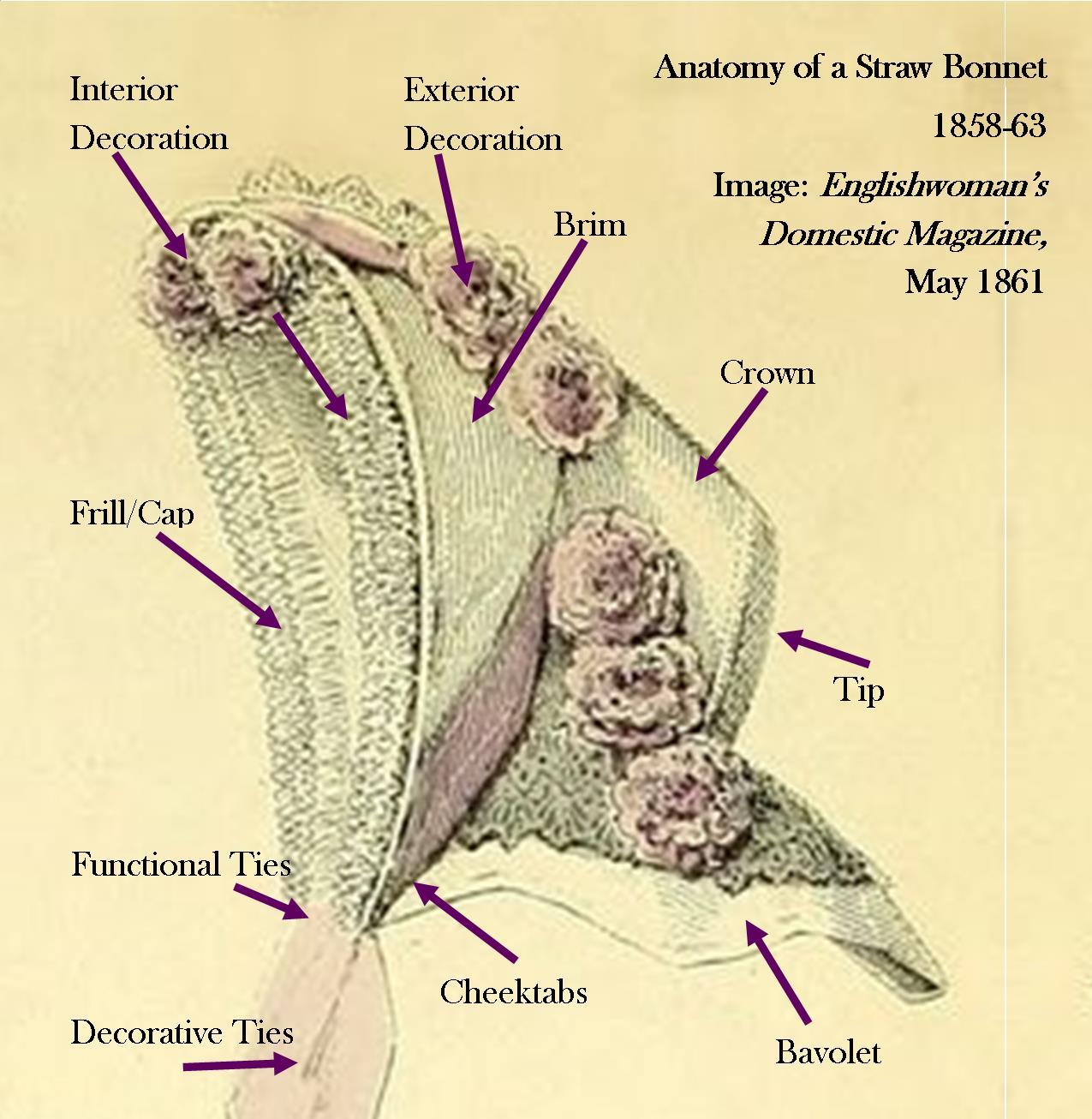
Anatomy 1

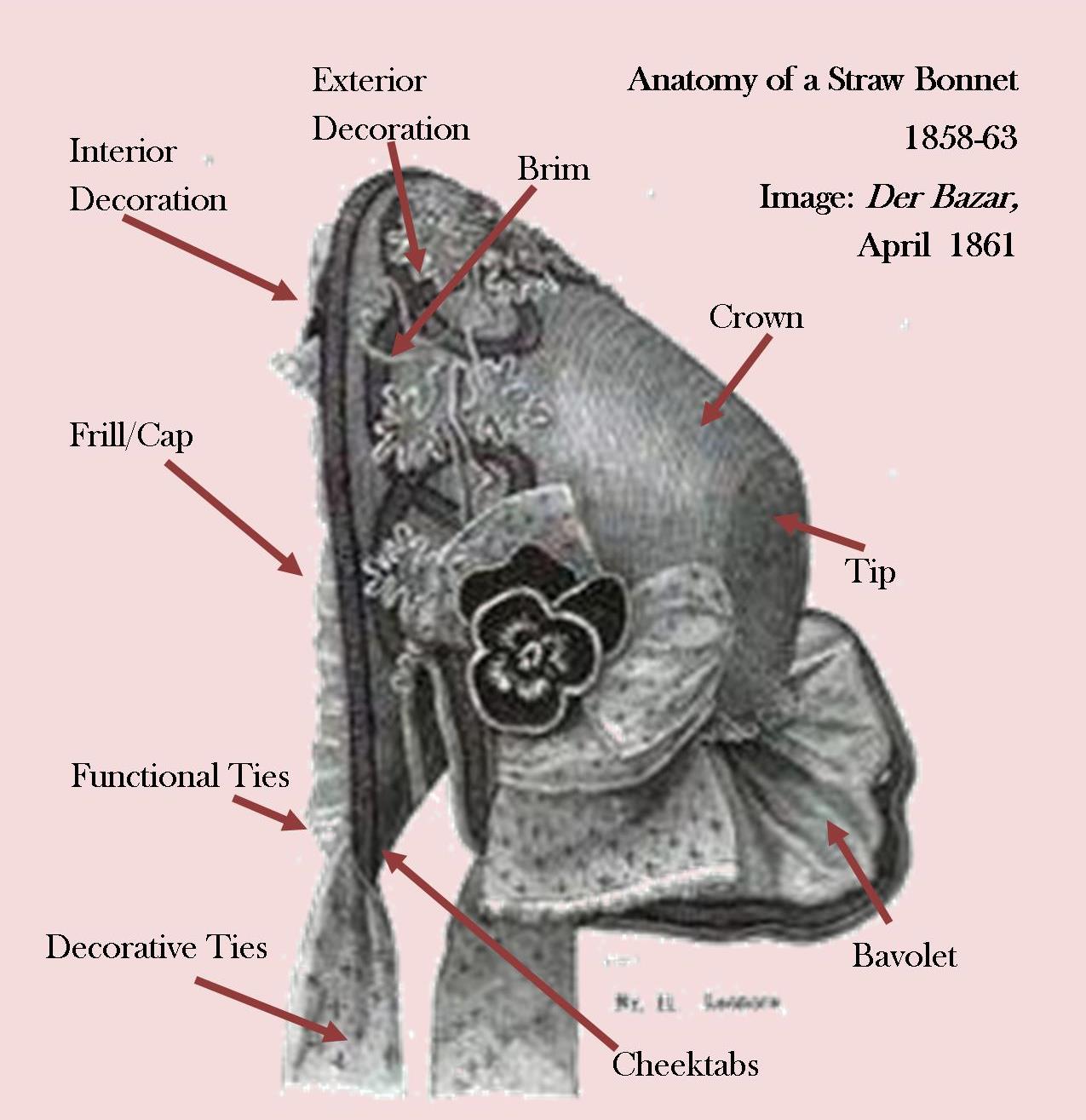
Tip – The back section of the crown in the tip. On a straw bonnet this can either be domed, flattened at the back curving to the side of the crown. It should not have a sharp angular transition from the back to the sides.

Crown – The crown of a straw bonnet should create a smooth transition from the crown to the brim. Much of the shaping in the bonnet will be created in this transition area.

Brim – The brim of a straw bonnet will vary according to fashion. The brim’s edge should be a single or double row of straw plait. It should not have raw edges needing to be bound.

Cheek-tabs – The cheek-tabs should have a gentle curve coming from the neck edge of the crown along the side of the bonnet dropping down to roughly your jaw line meeting the brim edge. This is a graceful line, not a straight edge or angular transition. There is a variation in the twist of the cheek-tab from the fifties into the sixties. The cheek-tab is part of what helps hold a bonnet in place.

Binding – The binding on a straw bonnet should be straw plait. Raw edges were covered on the exterior and sometimes the interior along the back of the cheektabs, sides and tip. Multiple rows were used as well.

Lining – A lining is a functional layer of light weight, open-weave cotton covering most of the interior of the bonnet. It aids in keeping the straw from snagging the hair while worn. The lining can not be seen when the bonnet is worn.

Frill/Cap/Ruche –This decorative layer of gathered cotton or silk  covers fills the inside of the brim. This is very fine most often net, lace or organza. The full frill aides in holding the bonnet in place.

Facing – Some bonnets have a facing of silk from the edge of the brim through the first couple inches of the interior brim.

Bavolet/Curtain – The bavolet is attached to the binding edge on a straw bonnet along the sides and crown. This silk piece should be lined with net to give it more body. The bavolet may be a single piece of fabric, most often on the bias and occasionally on the grain, or pieced from bias cuts of ribbon. The bavolet may also be decorated.

Functional Ties – The functional ties are attached to the interior of the cheek-tabs or under the decorative ties. These are narrower ribbon to hold the bonnet in place.

Decorative Ties – Decorative ribbons are wide, 3″-8″ based on a wide survey I did years ago. They are on the grain, not bias. Tied, they do not take the support of the bonnet.

Interior Decoration – Interior decoration also helps hold the bonnet in place.
Anatomy 2

Want to learn more? Try:

My Straw Bonnet Workbook

From Field to Fashion

Find the earlier video on Bonnet Stays here: https://youtu.be/gcnLtlDGblk

Anatomy of a Straw Bonnet

Each of these points are general for fashionable bonnets made of straw, primarily straw plait, from approx 1858 through 1863. Finer points adjust with each season’s prevailing fashion.

General Construction – Straw bonnets were sewn by hand in the round. Plaits ranged from 1/8″ split straw to wider whole straw and fancy plaits. Woven straw was also used.

Anatomy 1

Tip – The back section of the crown in the tip. On a straw bonnet this can either be domed, flattened at the back curving to the side of the crown. It should not have a sharp angular transition from the back to the sides.

Crown – The crown of a straw bonnet should create a smooth transition from the crown to the brim. Much of the shaping in the bonnet will be created in this transition area.

Brim – The brim of a straw bonnet will vary according to fashion. The brim’s edge should be a single or double row of straw plait. It should not have raw edges needing to be bound.

Cheek-tabs – The cheek-tabs should have a gentle curve coming from the neck edge of the crown along the side of the bonnet dropping down to roughly your jaw line meeting the brim edge. This is a graceful line, not a straight edge or angular transition. There is a variation in the twist of the cheek-tab from the fifties into the sixties. The cheek-tab is part of what helps hold a bonnet in place.

Binding – The binding on a straw bonnet should be straw plait. Raw edges were covered on the exterior and sometimes the interior along the back of the cheektabs, sides and tip. Multiple rows were used as well.

Lining – A lining is a functional layer of light weight, open-weave cotton covering most of the interior of the bonnet. It aids in keeping the straw from snagging the hair while worn. The lining can not be seen when the bonnet is worn.

Frill/Cap/Ruche –This decorative layer of gathered cotton or silk  covers fills the inside of the brim. This is very fine most often net, lace or organza. The full frill aides in holding the bonnet in place.

Facing – Some bonnets have a facing of silk from the edge of the brim through the first couple inches of the interior brim.

Bavolet/Curtain – The bavolet is attached to the binding edge on a straw bonnet along the sides and crown. This silk piece should be lined with net to give it more body. The bavolet may be a single piece of fabric, most often on the bias and occasionally on the grain, or pieced from bias cuts of ribbon. The bavolet may also be decorated.

Functional Ties – The functional ties are attached to the interior of the cheek-tabs or under the decorative ties. These are narrower ribbon to hold the bonnet in place.

Decorative Ties – Decorative ribbons are wide, 3″-8″ based on a wide survey I did years ago. They are on the grain, not bias. Tied, they do not take the support of the bonnet.

Interior Decoration – Interior decoration also helps hold the bonnet in place.

Anatomy 2

Find the earlier video on Bonnet Stays here: https://youtu.be/gcnLtlDGblk

Understanding the Ribbon Bavolet

~~~This is one of the many wonderful bonnets found in the Susan Greene Collection at the Genesee Country Village. (To see some of their ribbons, be sure to hop over to the Millinery Ribbon Blog.) ~~~ This straw bonnet shows a great many things from the over-all spoon bonnet shape to the shape of the cheektabs to the fineness of the straw. I would like us to look at the bavolet today. We also know the bavolet as the “curtain.” The bavolet is a fabric or ribbon pleated into the back neckline edge of a bonnet. This can resemble a flounce in that the top is drawn in while the lower edge floats or flares out. The bavolet can, but does not need to be a single material as we see here. It can be made of layers of silk, net and lace. Some high-end fashion plates show beading as well.

(Honestly, I don’t think I could handle beads dangling on my neck.)
~~~The construction seams on the underside are covered by a net. Net is used to give the silk bavolet more body and fullness. It is sewn so the net is not seen from the outside and pleated into the bavolet. The bavolet reaches all the way around the back of the bonnet (the tip) and up along the sides while the lower edge connects to the cheektabs.
*The section of ribbon that decorates the exterior of the bonnet can be on the grain or on the bias. The ties need to be on the grain. To see a nice example of the ribbon decorating over the top of the bonnet, see this MFA example that happens to have the bavolet on the grain. Notice how the bavolet flops more than floats.

Published in: on April 17, 2023 at 12:05 am  Comments (3)  

Anatomy of a Straw Bonnet

Each of these points are general for fashionable bonnets made of straw, primarily straw plait, from approx 1858 through 1863. Finer points adjust with each season’s prevailing fashion.

General Construction – Straw bonnets were sewn by hand in the round. Plaits ranged from 1/8″ split straw to wider whole straw and fancy plaits. Woven straw was also used.

Anatomy 1

Tip – The back section of the crown in the tip. On a straw bonnet this can either be domed, flattened at the back curving to the side of the crown. It should not have a sharp angular transition from the back to the sides.

Crown – The crown of a straw bonnet should create a smooth transition from the crown to the brim. Much of the shaping in the bonnet will be created in this transition area.

Brim – The brim of a straw bonnet will vary according to fashion. The brim’s edge should be a single or double row of straw plait. It should not have raw edges needing to be bound.

Cheek-tabs – The cheek-tabs should have a gentle curve coming from the neck edge of the crown along the side of the bonnet dropping down to roughly your jaw line meeting the brim edge. This is a graceful line, not a straight edge or angular transition. There is a variation in the twist of the cheek-tab from the fifties into the sixties. The cheek-tab is part of what helps hold a bonnet in place.

Binding – The binding on a straw bonnet should be straw plait. Raw edges were covered on the exterior and sometimes the interior along the back of the cheektabs, sides and tip. Multiple rows were used as well.

Lining – A lining is a functional layer of light weight, open-weave cotton covering most of the interior of the bonnet. It aids in keeping the straw from snagging the hair while worn. The lining can not be seen when the bonnet is worn.

Frill/Cap/Ruche –This decorative layer of gathered cotton or silk  covers fills the inside of the brim. This is very fine most often net, lace or organza. The full frill aides in holding the bonnet in place.

Facing – Some bonnets have a facing of silk from the edge of the brim through the first couple inches of the interior brim.

Bavolet/Curtain – The bavolet is attached to the binding edge on a straw bonnet along the sides and crown. This silk piece should be lined with net to give it more body. The bavolet may be a single piece of fabric, most often on the bias and occasionally on the grain, or pieced from bias cuts of ribbon. The bavolet may also be decorated.

Functional Ties – The functional ties are attached to the interior of the cheek-tabs or under the decorative ties. These are narrower ribbon to hold the bonnet in place.

Decorative Ties – Decorative ribbons are wide, 3″-8″ based on a wide survey I did years ago. They are on the grain, not bias. Tied, they do not take the support of the bonnet.

Interior Decoration – Interior decoration also helps hold the bonnet in place.

Anatomy 2

Find the earlier video on Bonnet Stays here: https://youtu.be/gcnLtlDGblk

Understanding the Ribbon Bavolet

Reblog from 2014

Straw bonnet from the Greene Collection at the Genesee Country Village

Straw bonnet from the Greene Collection at the Genesee Country Village

~~~This is one of the many wonderful bonnets found in the Susan Greene Collection at the Genesee Country Village. (To see some of their ribbons, be sure to hop over to the Millinery Ribbon Blog.) ~~~ This straw bonnet shows a great many things from the over-all spoon bonnet shape to the shape of the cheektabs to the fineness of the straw. I would like us to look at the bavolet today. We also know the bavolet as the “curtain.” The bavolet is a fabric or ribbon pleated into the back neckline edge of a bonnet. This can resemble a flounce in that the top is drawn in while the lower edge floats or flares out. The bavolet can, but does not need to be a single material as we see here. It can be made of layers of silk, net and lace. Some high-end fashion plates show beading as well. (Honestly, I don’t think I could handle beads dangling on my neck.)

~~~The construction seams on the underside are covered by a net. Net is used to give the silk bavolet more body and fullness. It is sewn so the net is not seen from the outside and pleated into the bavolet. The bavolet reaches all the way around the back of the bonnet (the tip) and up along the sides while the lower edge connects to the cheektabs.

*The section of ribbon that decorates the exterior of the bonnet can be on the grain or on the bias. The ties need to be on the grain. To see a nice example of the ribbon decorating over the top of the bonnet, see this MFA example that happens to have the bavolet on the grain. Notice how the bavolet flops more than floats.

20190312_081424.jpg

Published in: on March 6, 2022 at 6:41 pm  Leave a Comment  

Anatomy of a Straw Bonnet

Each of these points are general for fashionable bonnets made of straw, primarily straw plait, from approx 1858 through 1863. Finer points adjust with each season’s prevailing fashion.

General Construction – Straw bonnets were sewn by hand in the round. Plaits ranged from 1/8″ split straw to wider whole straw and fancy plaits. Woven straw was also used.

Anatomy 1

Tip – The back section of the crown in the tip. On a straw bonnet this can either be domed, flattened at the back curving to the side of the crown. It should not have a sharp angular transition from the back to the sides.

Crown – The crown of a straw bonnet should create a smooth transition from the crown to the brim. Much of the shaping in the bonnet will be created in this transition area.

Brim – The brim of a straw bonnet will vary according to fashion. The brim’s edge should be a single or double row of straw plait. It should not have raw edges needing to be bound.

Cheek-tabs – The cheek-tabs should have a gentle curve coming from the neck edge of the crown along the side of the bonnet dropping down to roughly your jaw line meeting the brim edge. This is a graceful line, not a straight edge or angular transition. There is a variation in the twist of the cheek-tab from the fifties into the sixties. The cheek-tab is part of what helps hold a bonnet in place.

Binding – The binding on a straw bonnet should be straw plait. Raw edges were covered on the exterior and sometimes the interior along the back of the cheektabs, sides and tip. Multiple rows were used as well.

Lining – A lining is a functional layer of light weight, open-weave cotton covering most of the interior of the bonnet. It aids in keeping the straw from snagging the hair while worn. The lining can not be seen when the bonnet is worn.

Frill/Cap/Ruche –This decorative layer of gathered cotton or silk  covers fills the inside of the brim. This is very fine most often net, lace or organza. The full frill aides in holding the bonnet in place.

Facing – Some bonnets have a facing of silk from the edge of the brim through the first couple inches of the interior brim.

Bavolet/Curtain – The bavolet is attached to the binding edge on a straw bonnet along the sides and crown. This silk piece should be lined with net to give it more body. The bavolet may be a single piece of fabric, most often on the bias and occasionally on the grain, or pieced from bias cuts of ribbon. The bavolet may also be decorated.

Functional Ties – The functional ties are attached to the interior of the cheek-tabs or under the decorative ties. These are narrower ribbon to hold the bonnet in place.

Decorative Ties – Decorative ribbons are wide, 3″-8″ based on a wide survey I did years ago. They are on the grain, not bias. Tied, they do not take the support of the bonnet.

Interior Decoration – Interior decoration also helps hold the bonnet in place.

Anatomy 2

Find the earlier video on Bonnet Stays here: https://youtu.be/gcnLtlDGblk

Quilted Winter Bonnet

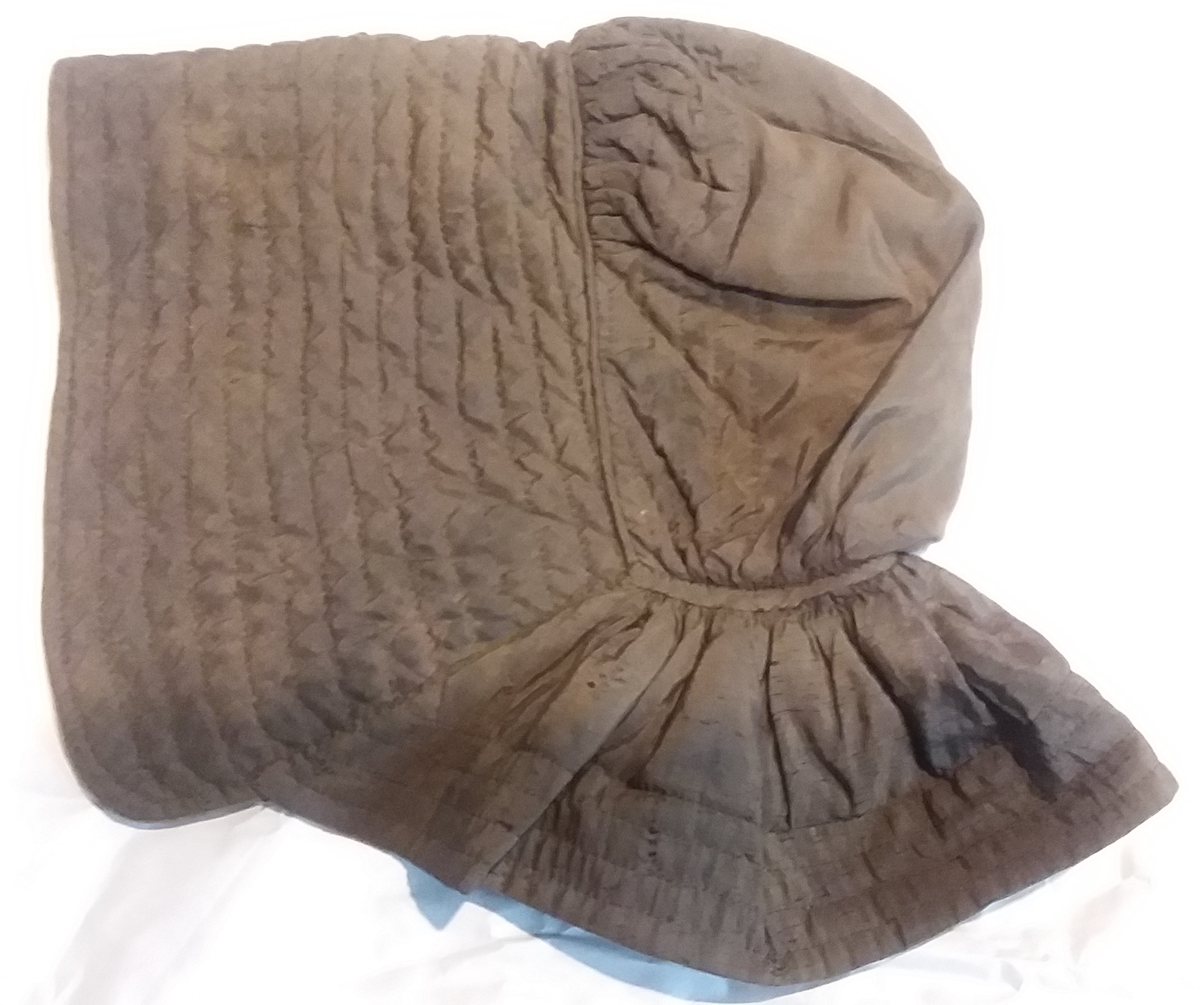
I have decided to share select pieces from my winter hood/bonnet collection. Every few days, I will post a new piece. My collection currently spans most of the 19th century, though lightly at the very beginning and end. The pieces I share will be from the early and mid-Victorian eras, roughly 1830s through the 1870s. All but one of my pieces originate from the United States.

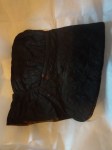
This adult size winter bonnet is a quilted piece, ca. 1840s-1870s. The exterior is a brown silk which has some staining. The interior is a cotton in a slightly lighter shade of brown on the brim and bavolet, while the crown has a darker polished cotton. The batting is not visible at any point, leaving it undetermined, likely a wool.

The bonnet is constructed of three main pieces, typical of many winter hoods of this era. These pieces include the crown, brim, and bavolet. The brim was cut on the bias, while the bavolet was cut on the grain. The shape and construction could classify this as a winter bonnet rather than a hood.

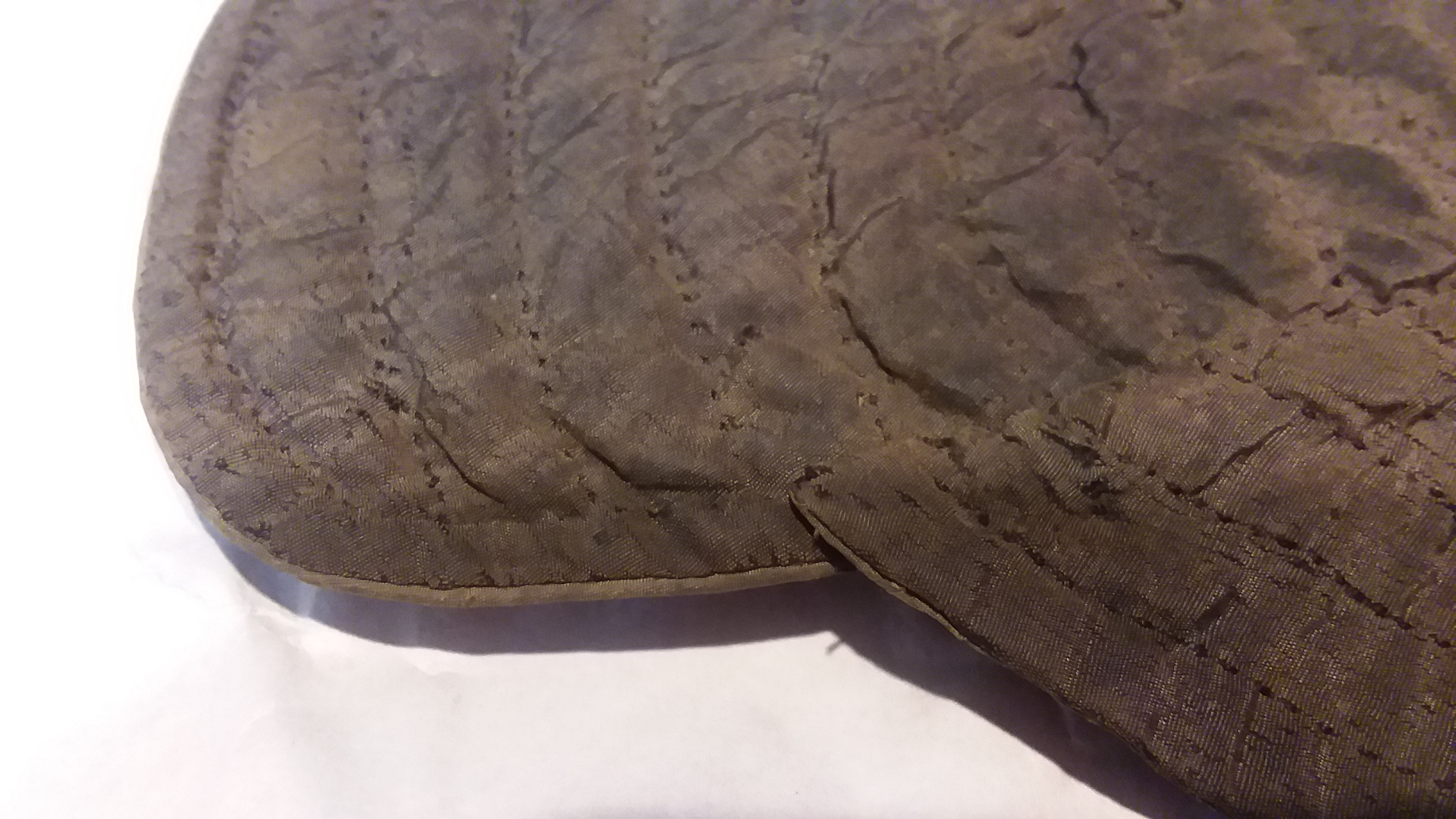
The quilting is is by hand with a running stitch. The front most edge around the brim having a narrower and slightly thicker section. The quilted rows appear to be done by eye rather than being fully traced out. This can be seen in the cheek area (below) as the rows curve and narrow imperfectly.

There is evidence that this piece was either made from fabric taken from a previous garment or the quilting was redone. In this photo you can faintly see the holes from former threads.

The gathered seam along top of the bavolet where it meets the crown.

The interior seams are treated in multiple ways. The neck edge where the bavolet is gathered to a gathered crown, the seam is covered with a darker fabric. This may or may not have been a later addition/change. Often this neckline has a channel for drawstring to assist with fit. The seam where the bavolet meets the brim is turned under. The seam where the brim and crown meet was trimmed and overcast


Note 1 – Additional Winter Millinery can be found in posts from September though November, 2019 using the search term: Winter Millinery Series or clicking here.

Published in: on September 25, 2019 at 6:00 pm  Leave a Comment  
Tags:

Almost Unpacked

I know. It has been months. I am still unpacking. This post’s title doesn’t even mean all the stuff.

What is unpacked? Well, almost all unpacked?

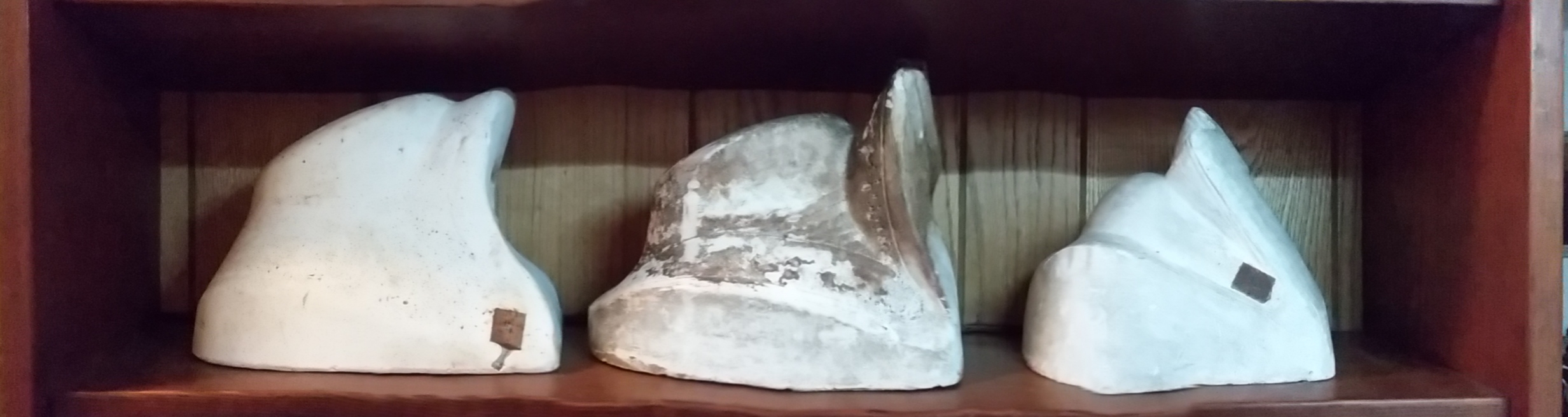
The plaster blocks!

Because of how delicate these are, I needed to be sure I had a safe shelf for these to live on before unpacking them. After some rearranging, there was finally a shelf

Don’t the bonnet blocks look happy all lined up in a row?

Of the bonnets, Serenity is not yet unpacked. She won’t fit on this shelf.

In fact, although I had pictured the smaller bonnet blocks and the hat blocks fitting on this set of shelves…. I was wrong. As you can see this block definitely does not fit. I am just not comfortable with a 150+ year old piece over hanging like that.

While we are looking at this block…. Does this shape look familiar to anyone? If you’ve been watch PBS’s Victoria, you will have seen a similar shape worn by several women in episode 3.

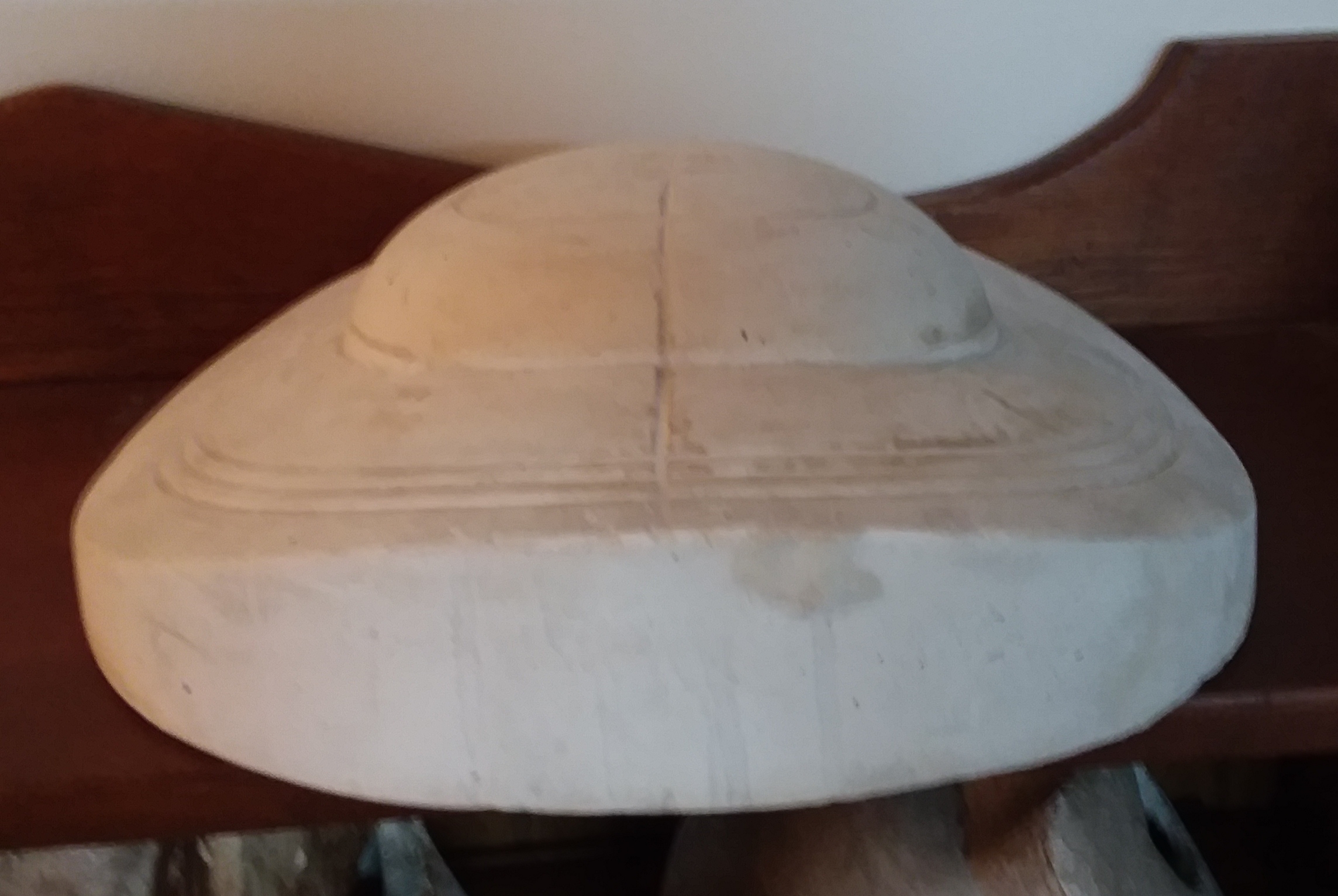
Hanging out, and fitting, on the shelf is the mystery hat block. This nifty shape is one I have yet to connect with examples of what it made. The waves brim is quite unique.

I will be writing posts soonish about each block and what shape bonnet or hat it makes. I thought people would like that.

Published in: on February 9, 2019 at 5:25 pm  Comments (2)  

Coming Up

33 degrees!

That is how cold it was this morning on the drive in to work. Brrr!!!! By the way… the car currently has no heat. Did I mention Brrrr!!!!

It is most definitely full on fall here in New York.

With the past few crazy months, I am really looking forward to some happenings coming up.

I have two workshops coming up during the Genesee Country Village & Museum’s Domestic Skills Symposium, November 10th, 11th, and 12th. If you haven’t already, I highly recommend registering for this symposium.

IMG_20170818_153458I’ve been cutting the materials for my new Exploring the Work-box: Tools and Trims. This is the workshop held on Friday. Next, I have to make sure I have all the samples organized and pretty. Attendees will be making their own sample book filled with trim samples made with the antique pinking tools I am bringing.  I hope this will be the first in a series of “Explore the Work-box” workshops. Btw, I think I will be naming the pinking machines.

_20171002_181826The materials for the Sunday’s Pin Cushion Sampler are almost ready. Well, they have to all be put in one box to make their way to the village. We will be making popular pin cushions of the nineteenth century – strawberries, seashells, walnuts, and acorns.

fb_img_1479602076155.jpgThe weekend following is GCV’s Preparing for the Holiday’s event. This is a great opportunity to see the historic village in the fall as it will be packed full of interpreters planning for the coming holidays and getting ready for winter. Last year, I made strawberry pin cushions by candlelight with a fellow interpreter. The visitors were wonderful, with the best questions. I have yet to decide if I will be making strawberries or walnuts this year.

After that…. I will be working on smaller gift items for the holiday season. I will also be making more winter hoods. I hope to have more writing time because I have two publications I am working on. I am anxious to get To Net or Not to Net: Revisited and Warmth for Winter (Wintering Warmly?) written and available to all of you. If you missed the information on these:

  • To Net, or Not to Net: Revisited. A deeper look at the hairnet, how they wore it, and how to capture the correct look. This booklet expands on the article I wrote about hairnets a decade ago. This updated and expanded research will include extensive photographs and a new details.
  • Warmth for Winter: Sewn Domestically Winter Hoods and Bonnets. A detailed analysis of construction methods spanning fifty years of quilted and wadded bonnets. This e-book will be photo heavy with close-ups of original hoods and bonnets in my collection. (This title keeps changing between Warmth for Winter and Wintering Warmly.)

Lunch? Yes, I still want to do the off-season local history lunches. I’ve fallen behind on planning those, as with so many other thing.

This Season’s Winter Millinery 

The winter hoods I am making this fall to winter season are based on original garments in my collection. 

For those in an area with windy, blustery winters, this first hood is a great option. The original comes forward of the face with long lappet like cheektabs. It was made with a dark green wool exterior and bright pink inside. I will be offering this hood in both wool as the original and in silk as many similar originals are made, including another with the same shape and color combination. This hood is also available adps a pattern in my Etsy shop.

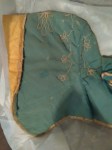
This next hood is a sweet hood formerly in Vivian Murphy’s collection. I am quite lucky to be able to care for several hoods previously in her collection. This sweet hood has a light green wool exterior and gold silk interior. The shapes used to make it are beautiful. This hood also can fold forward to protect the face from the elements. I will be offering this hood in wool and in silk with various trims in period techniques.

Functional and popular is this, a warmer, thicker batted bonnet style. This brim is shallower and oh-so soft to wear. The quilted bavolet protects the neck from the cold and snow. I will be primarily offering this style in silk with local wool batting inside. 


Dont worry, I haven’t forgotten the well loved wadded, or pumpkin bonnet. This thickly wadded silk bonnet is filled with wool. It is so and warm, protecting the wearer from the coldest of winters. I will be offering a few of these this winter in silk. 

Please visit my Etsy shop to see what is available. I expect to offer a bonnet every other week or so. I have some beautiful silks to work with and some really lovely wools.