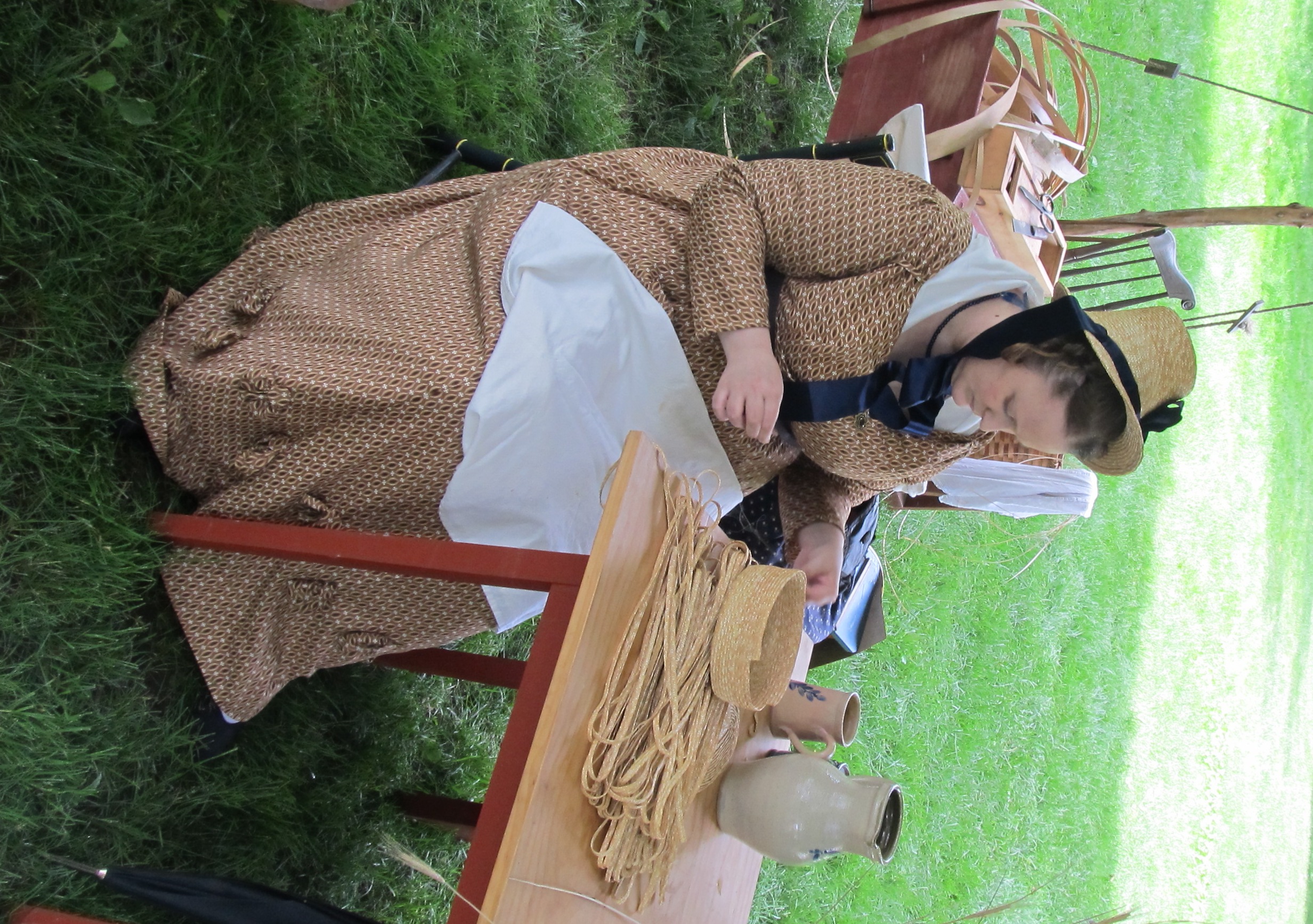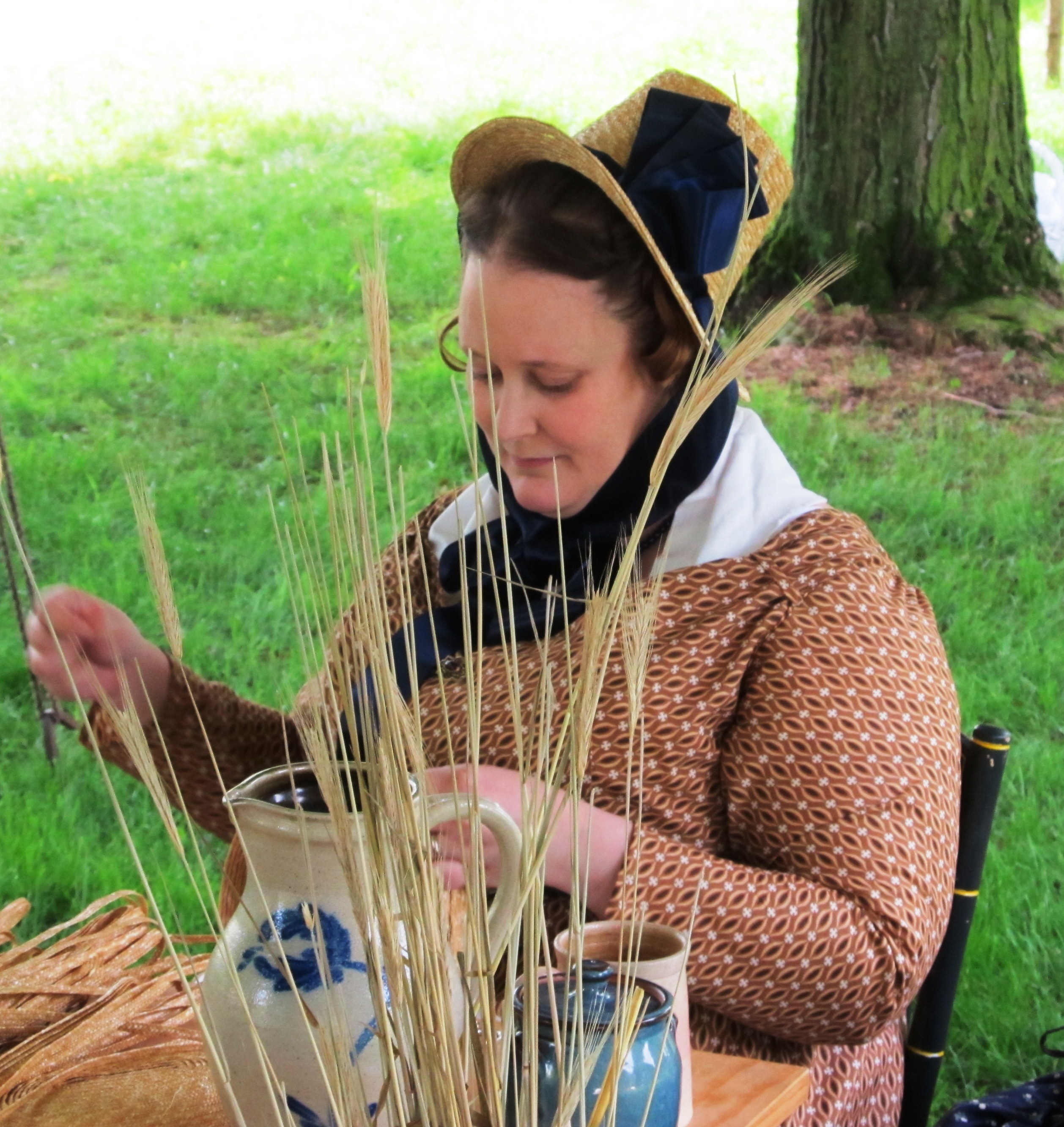
I rarely get photos of myself at events because I rarely take my camera or remember to get out my phone. I was very happy when Dan showed up to take some photos for me.
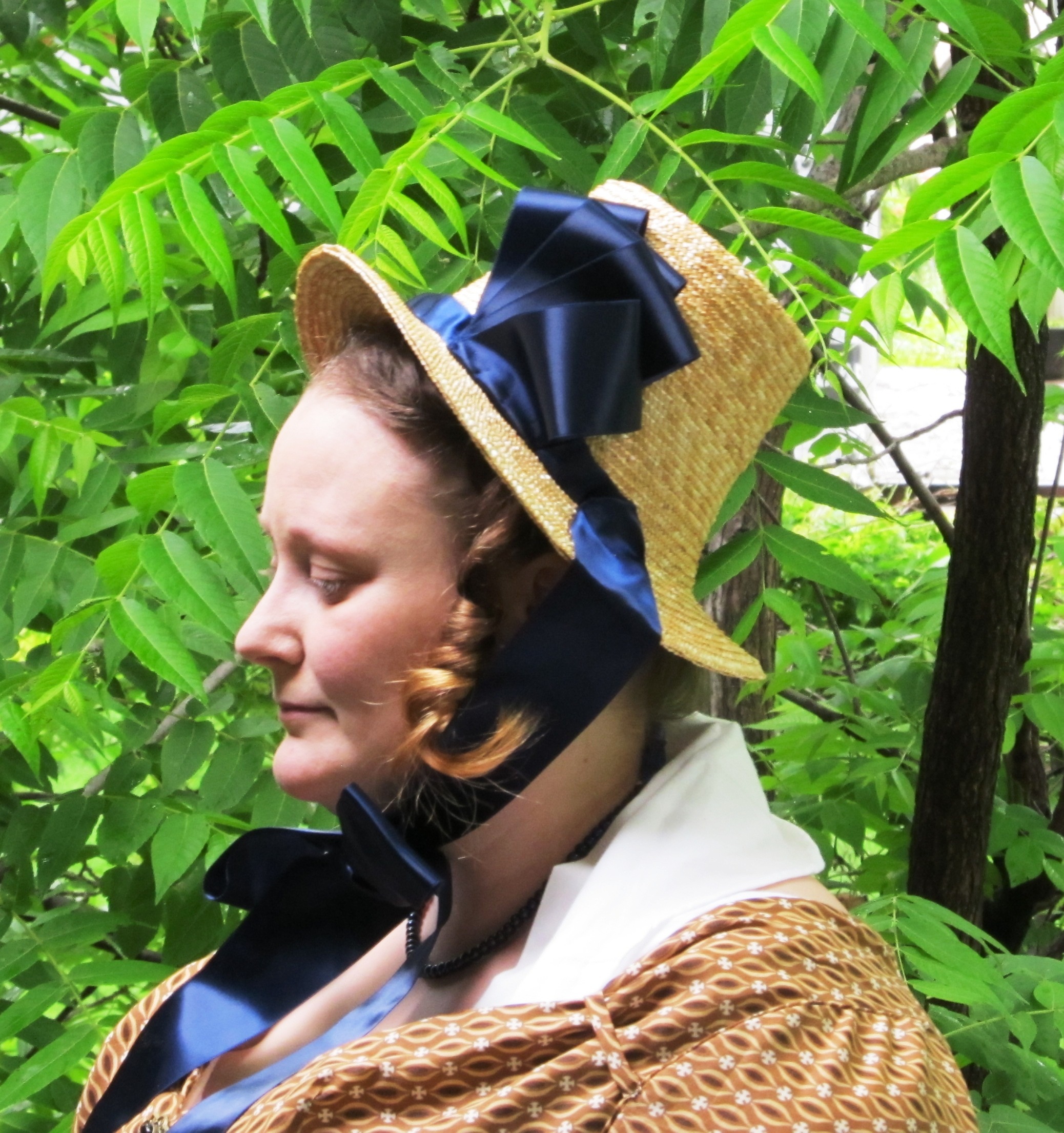
So, this post is less about the event and more about me. First, to the right, this is one of my new favorite photos.
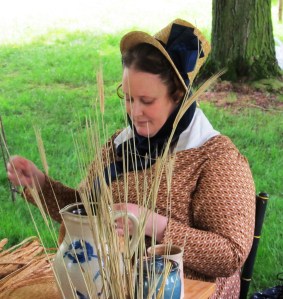
The day itself was beautiful. After a stormy Friday and night, the day started a bit humid, but that dried off as the sun came out. The temperature was quite mild until just after mid-day, making it quite comfortable for me in the shade.
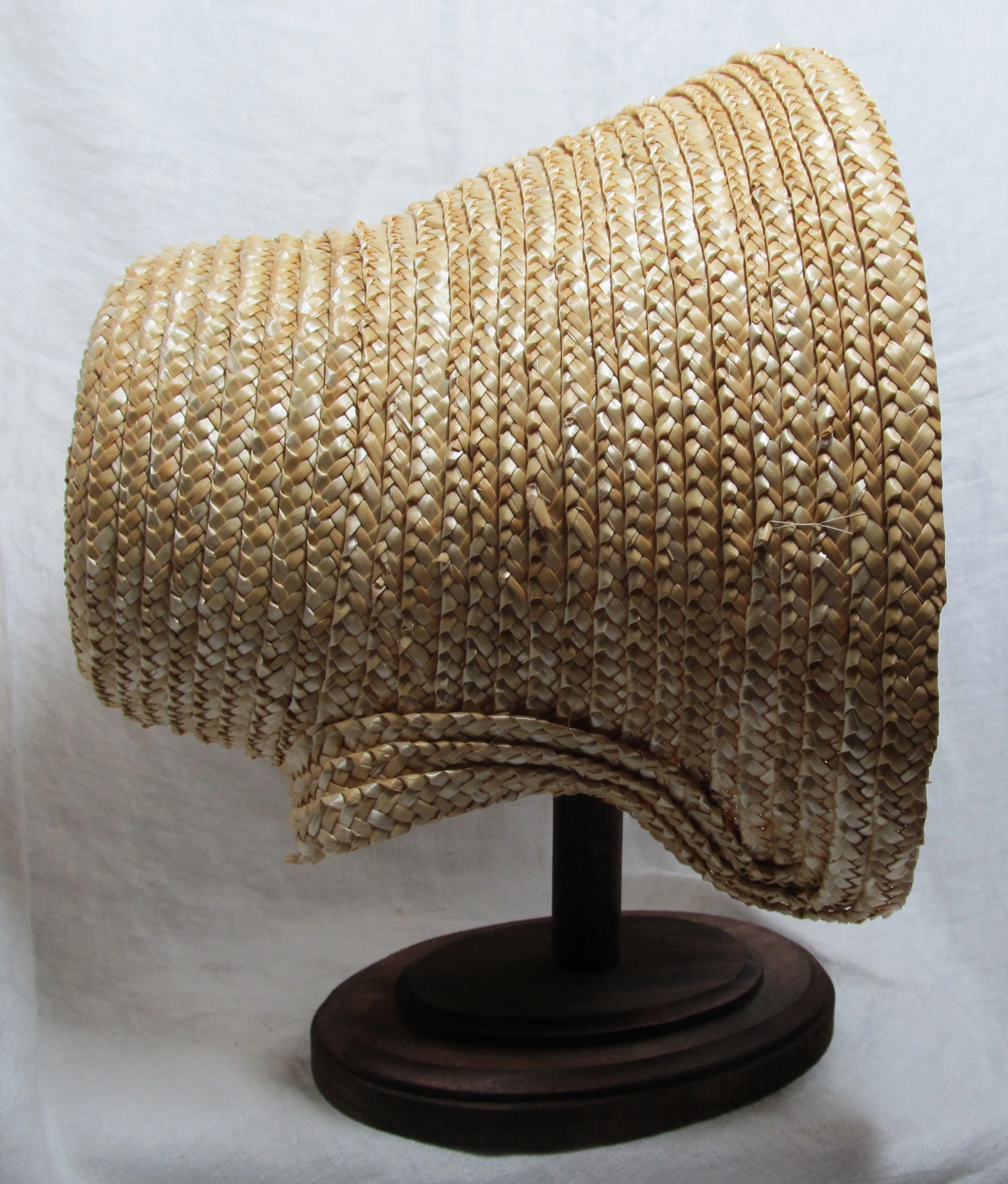
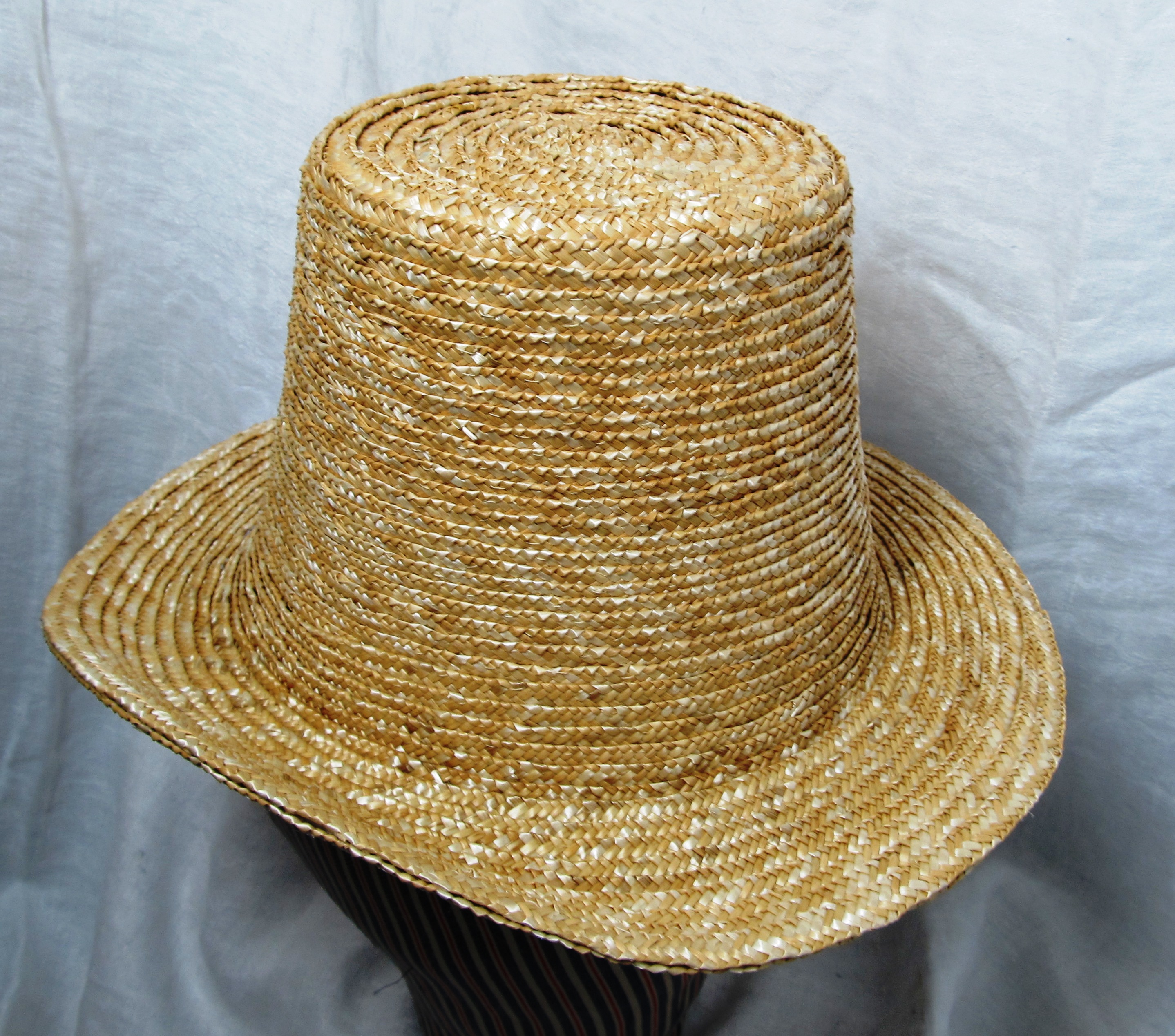
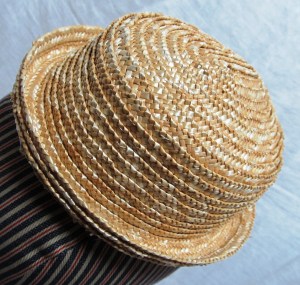
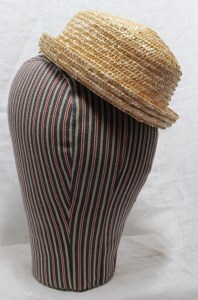
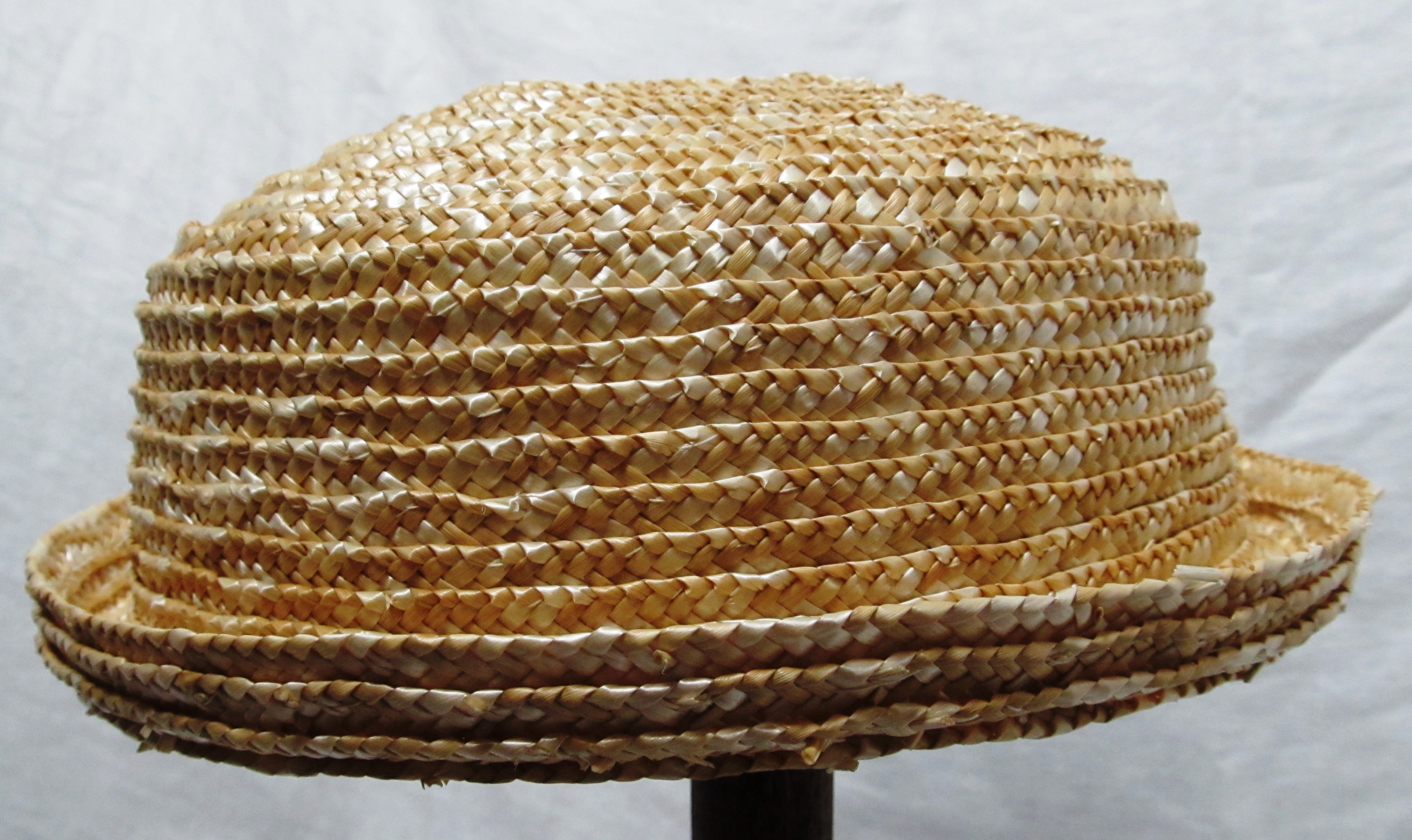
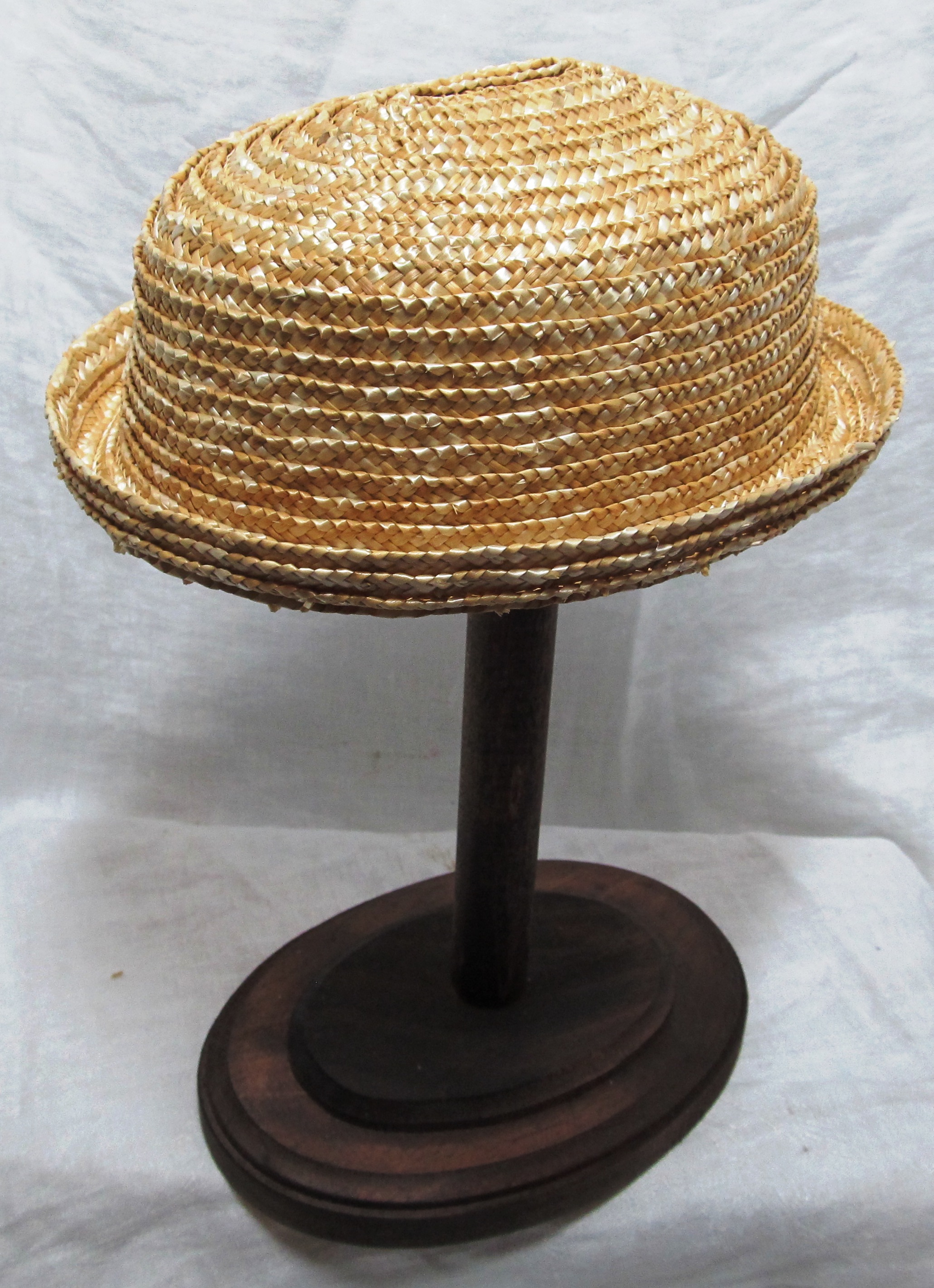
I spent the day demonstrating how I sew straw plait. I mostly worked on a Regency era bonnet and a little bit on a hat when the bonnet needed to rest.
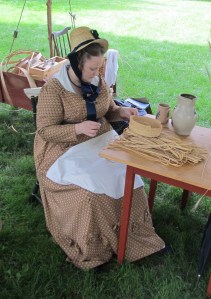 I met several wonderful people including a lovely milliner who was very pleasant to chat with. I was also able to put faces to names I’ve known for a while. (Though I was really hoping to meet the author of Kitty Calash. I suspect I may have seen her just beyond a few visitors while we were talking.)
I also had time to catch up with a few friends I don’t get to see over the winter. Some of us talked about a potential millinery day this fall.
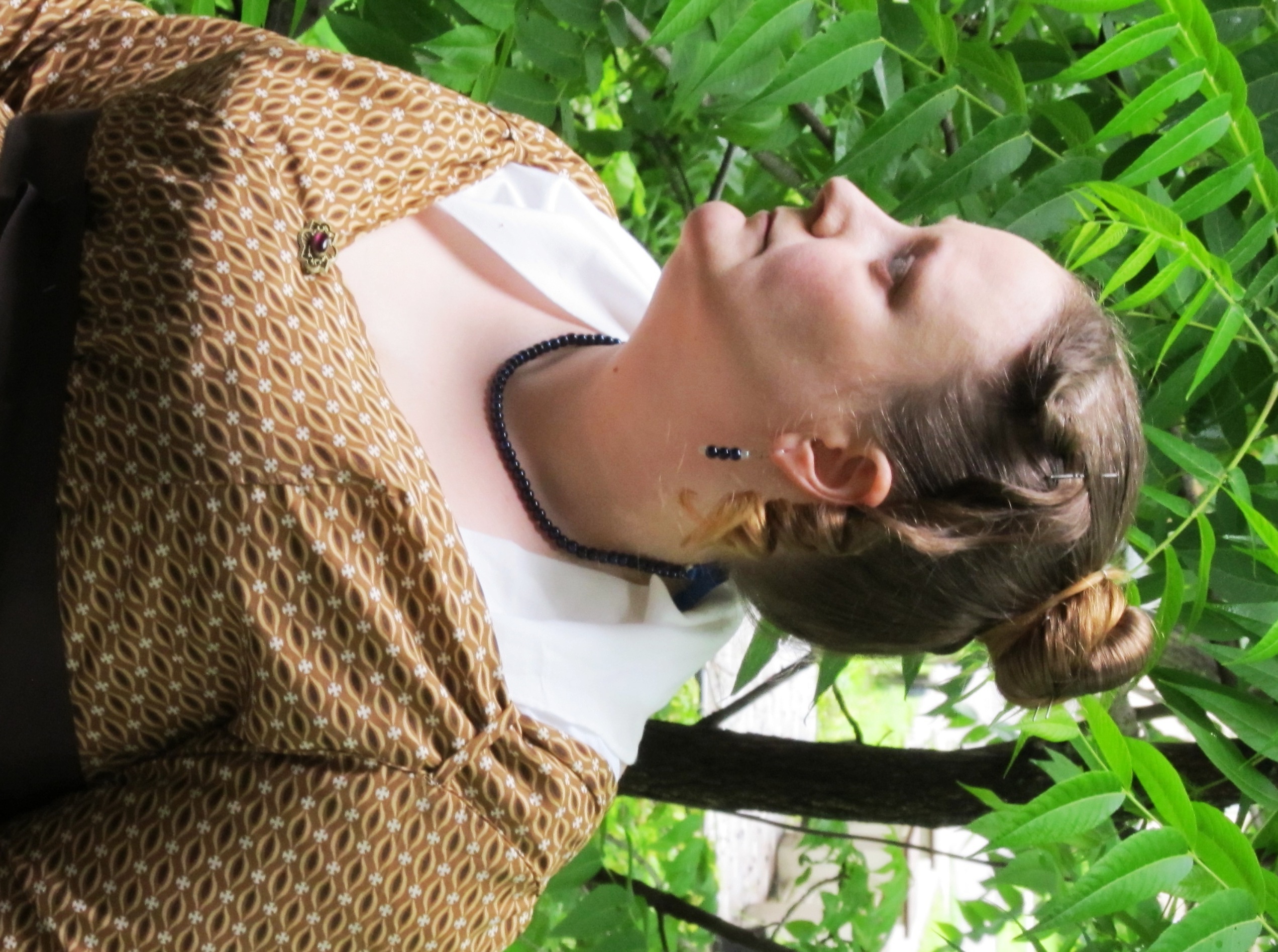
Here is proof I actually had curls before leaving the house for the day. See… curls. They did get pinned up and then back as the day went on. But, yeah, curls. You can see the necklace and earrings I made here too. (I must figure out the trick to ribbon tied necklaces. Thank goodness for cleavage that catches falling jewelry.)
 Okay, so I need to do better about the smiling thing. The dress was very comfortable, the sleeves in particular. This is note worthy because I find sleeves to be a pain because of my large arms. Another note – I’ve never worn so many pins before. Once dressed, I discovered the cut of my bodiced petti and the cut of my bodice do not go together. Ooops. I guess this means I need another dress and another bodiced petti. Darn.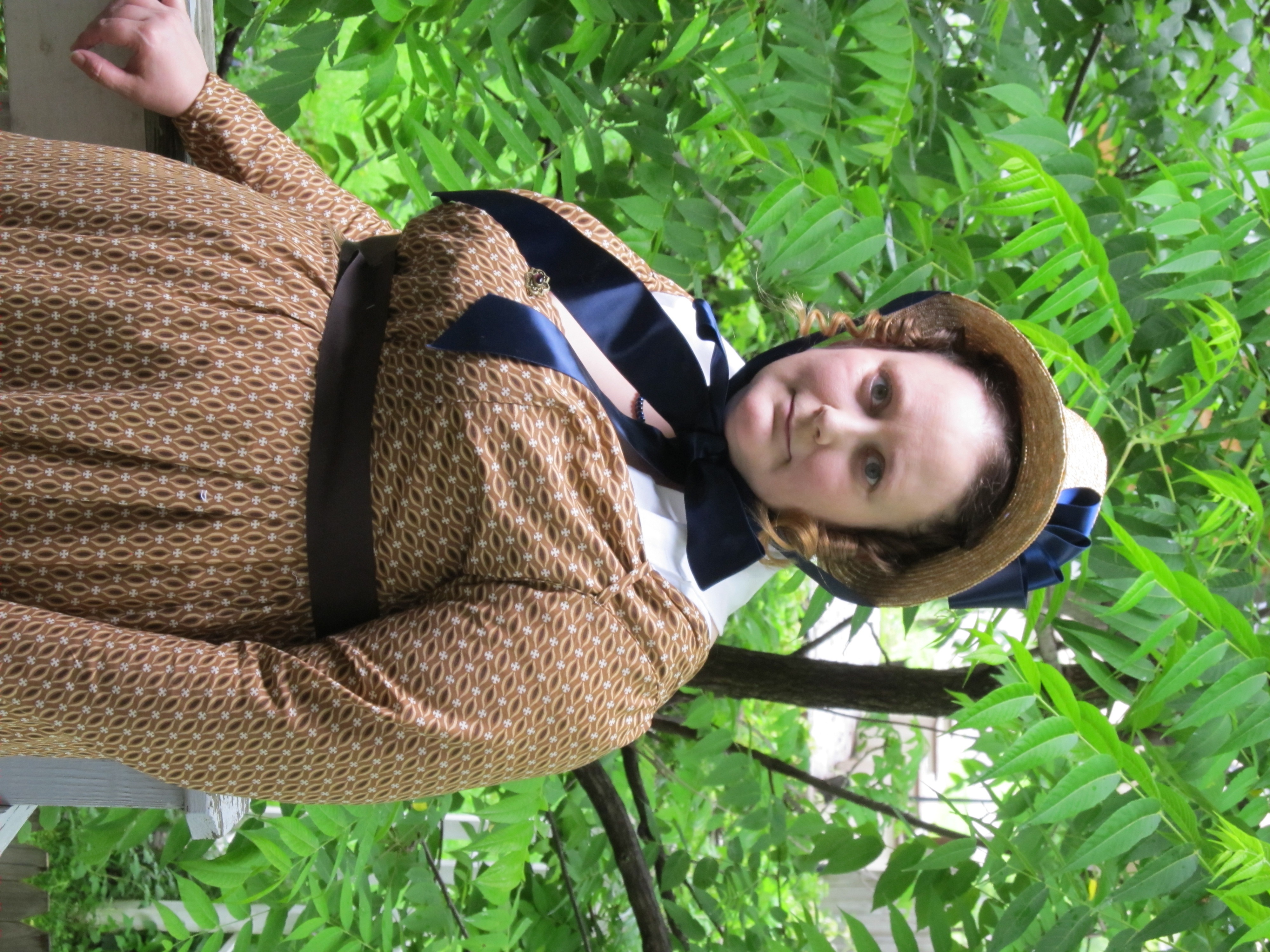
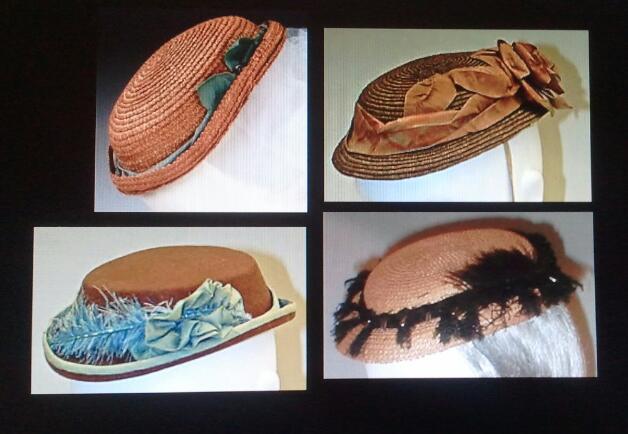
Here is a good look at the hat I remade. I am pretty happy with how it came out and very happy with how comfortable it is. The blue is just fabulous. 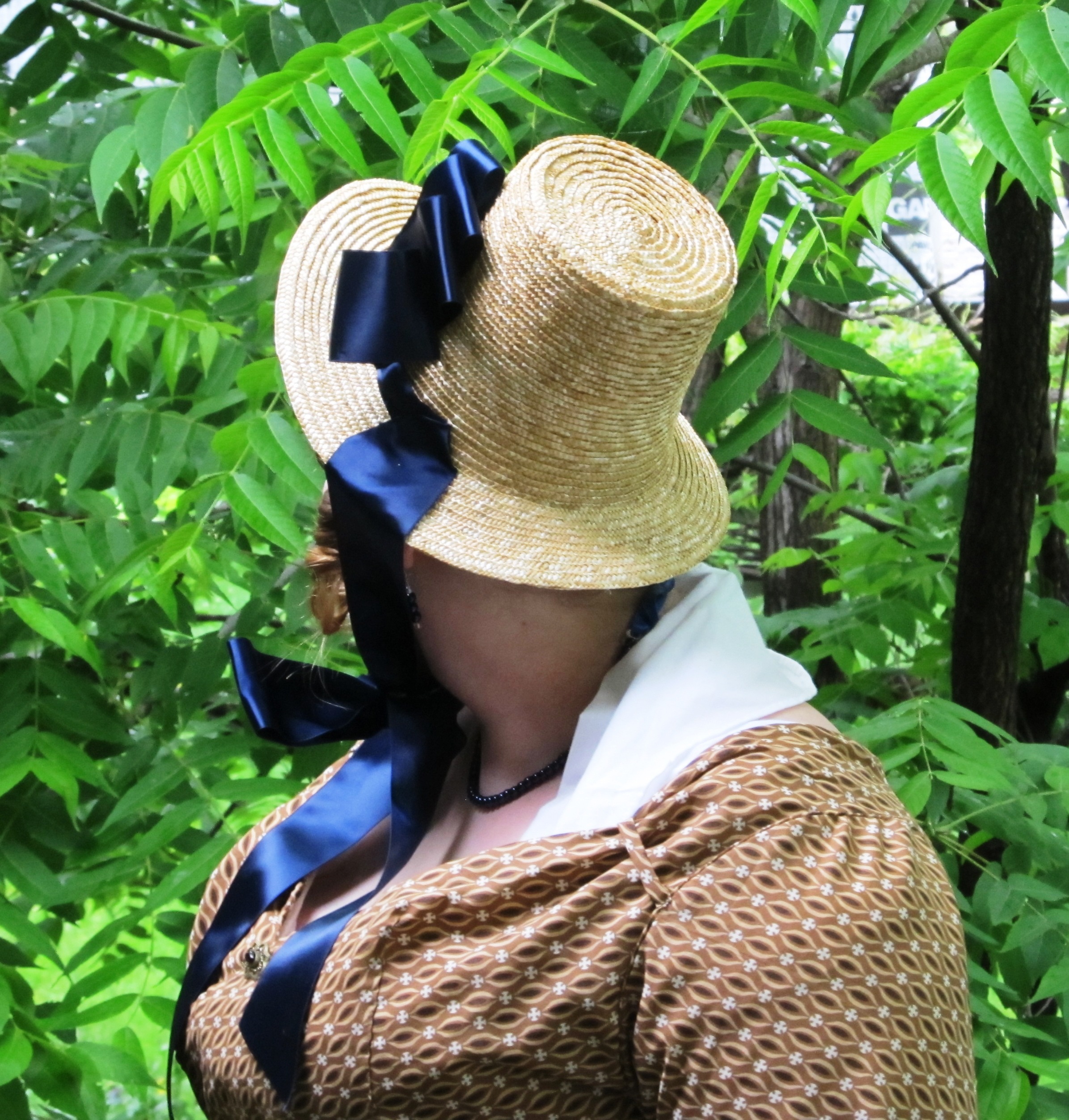


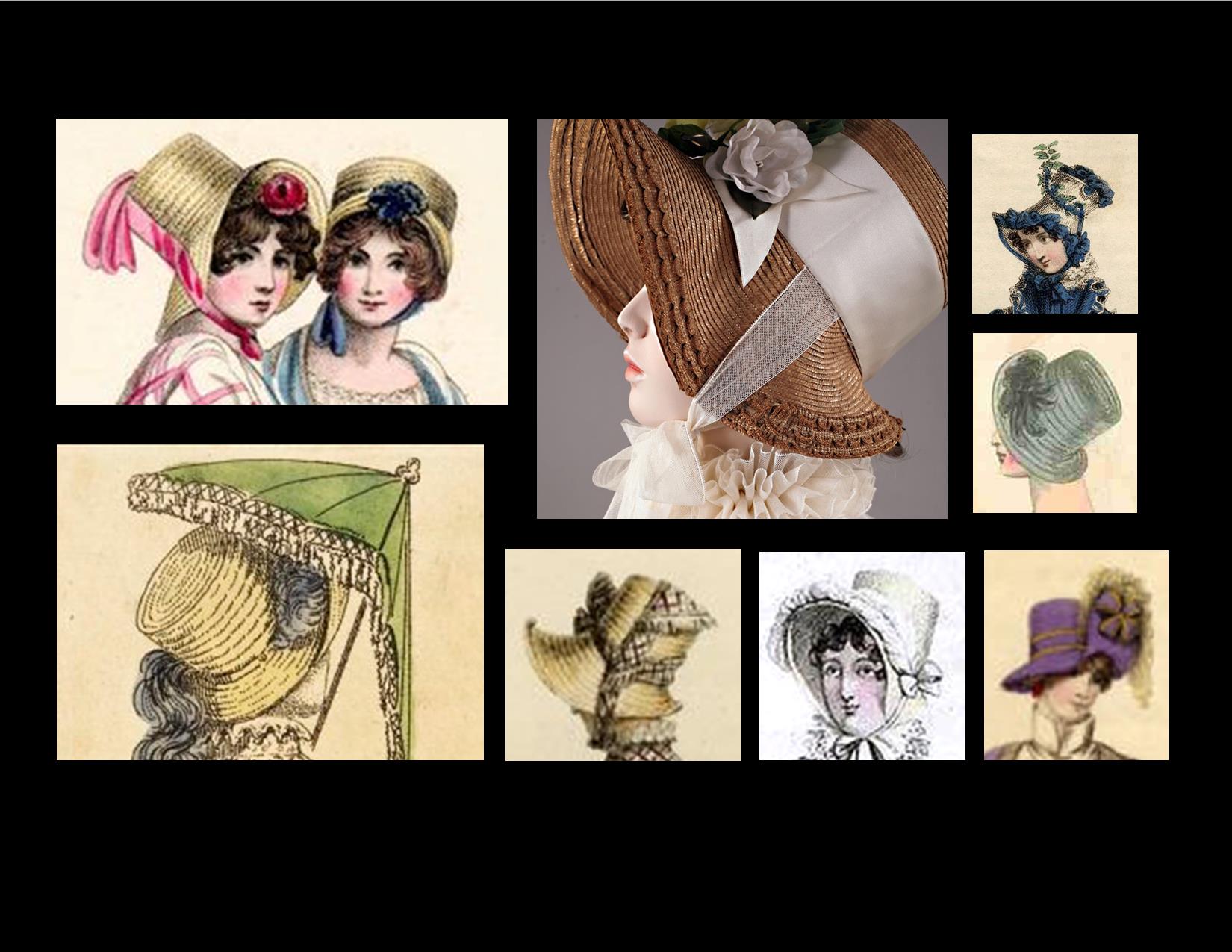
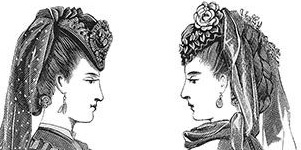
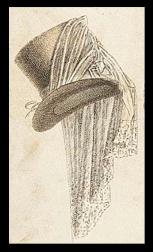 Another nudge towards working with my tall hat was this illustration. I just love this. How I would love to have a yard of delicate silk gauze and narrow silk ribbon to play with this look. If only….. time allowed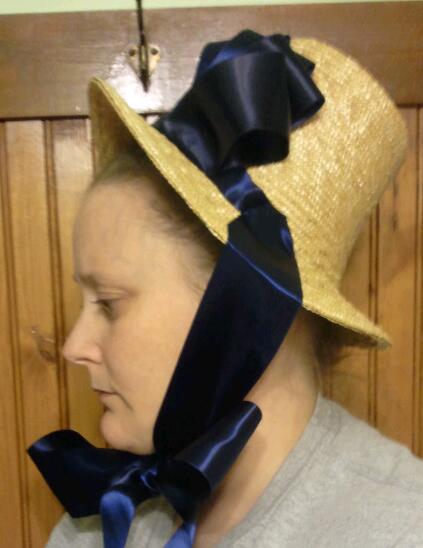
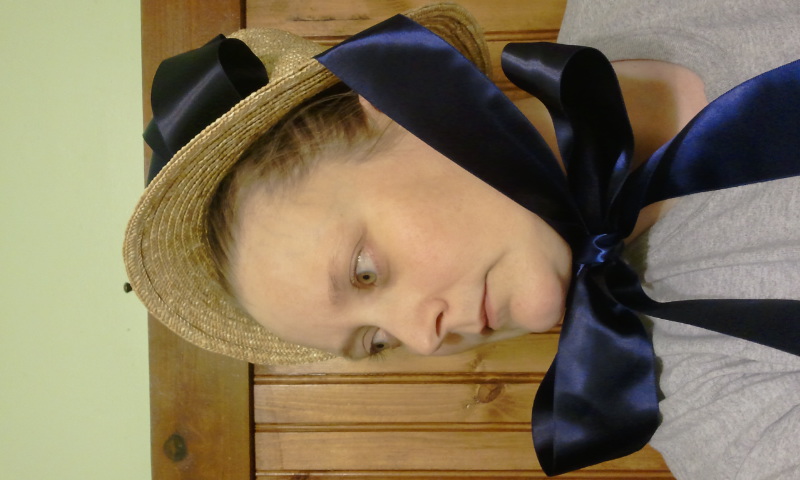
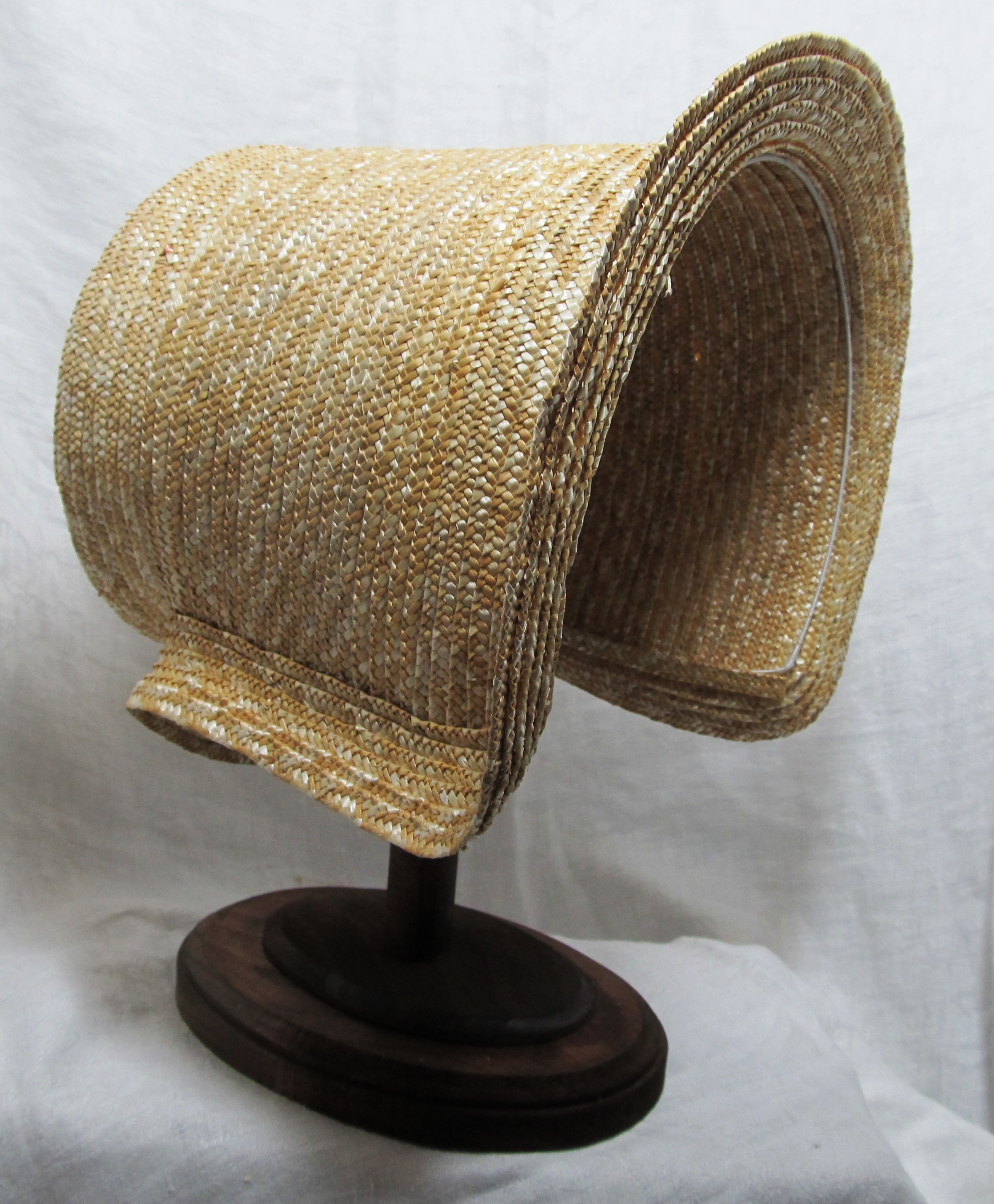
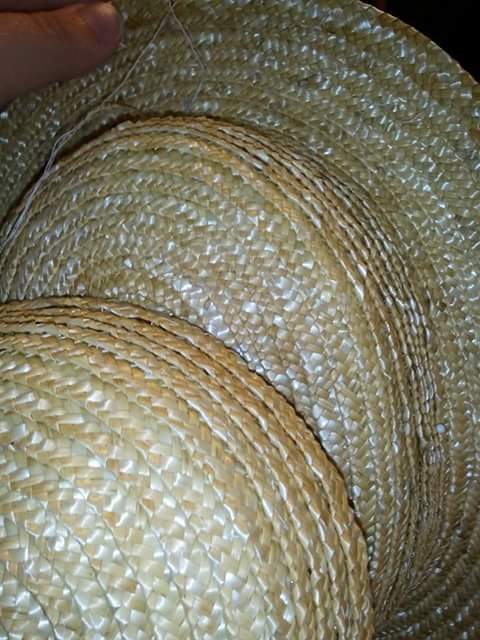
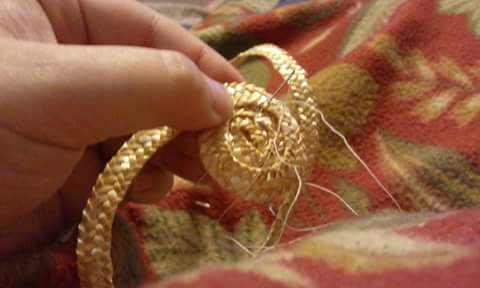
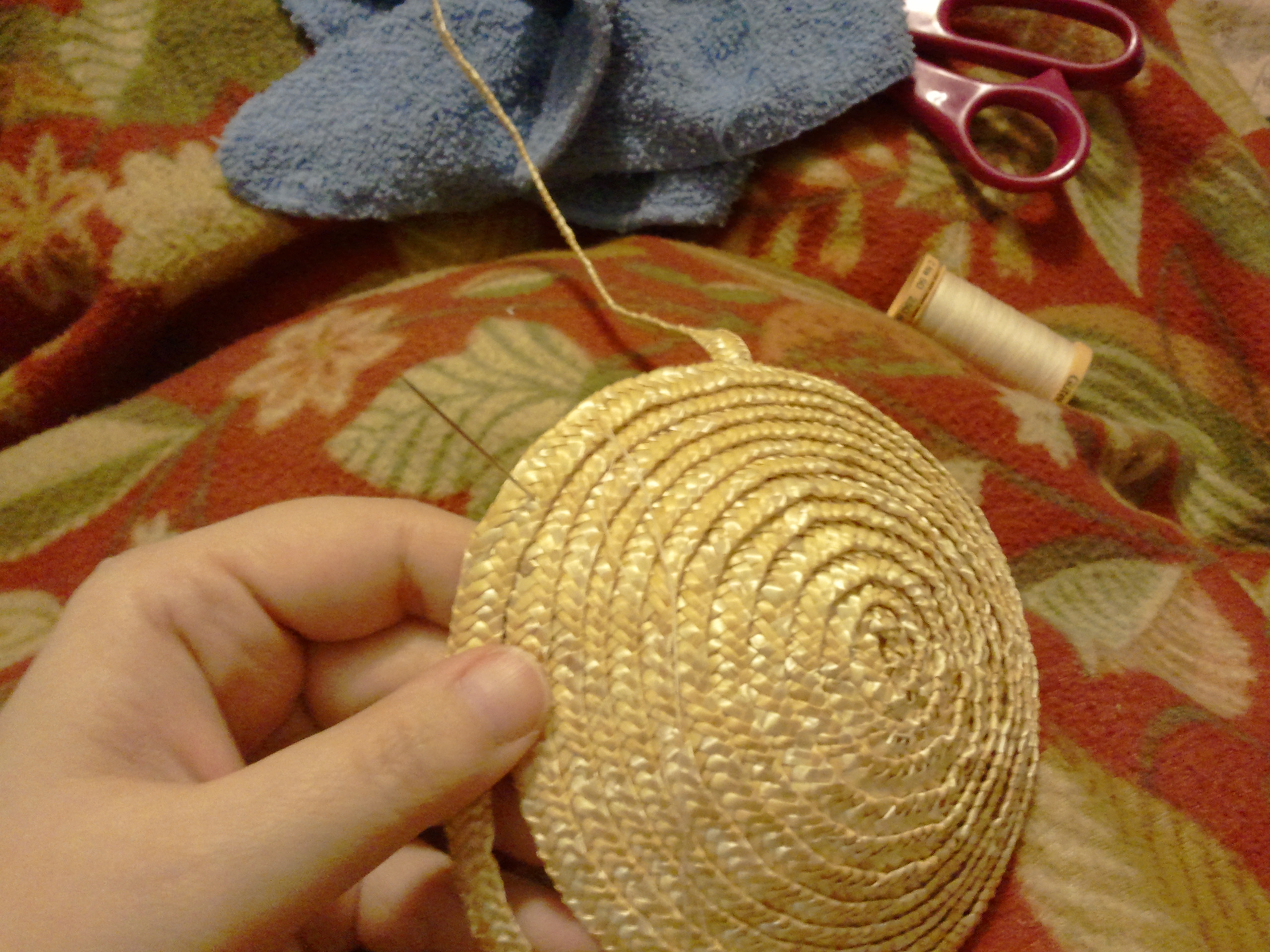
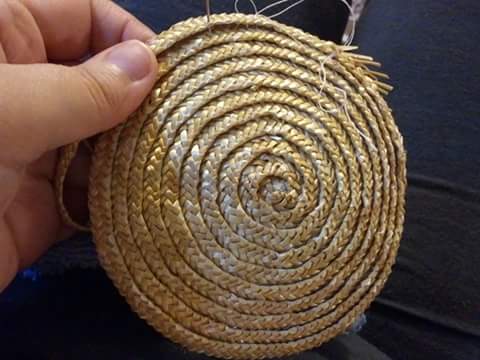
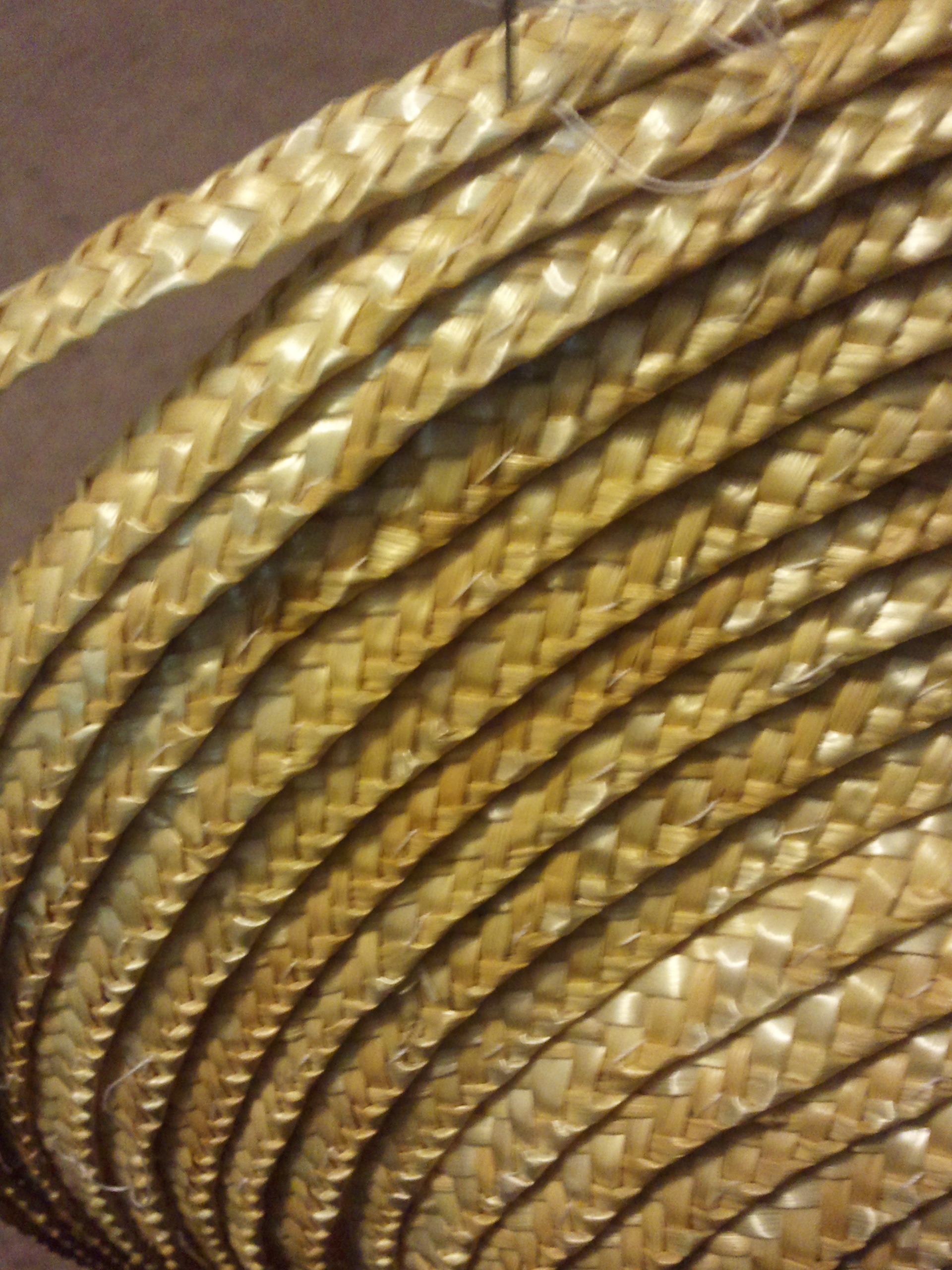
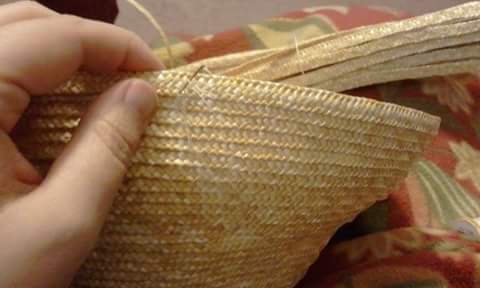
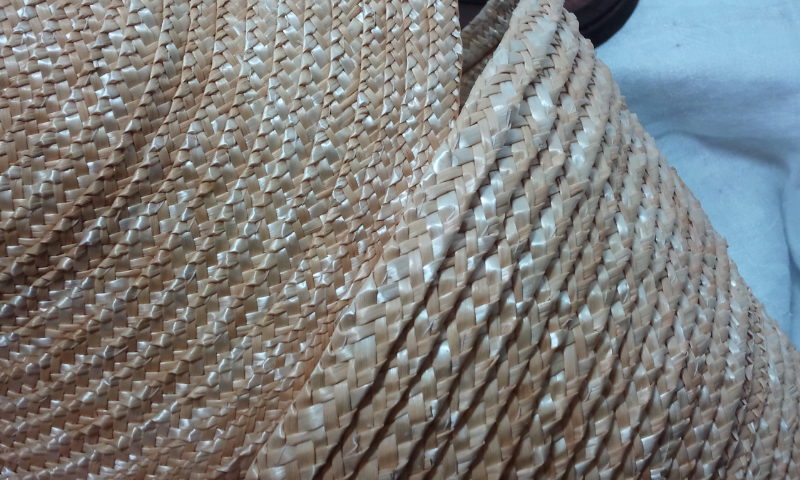


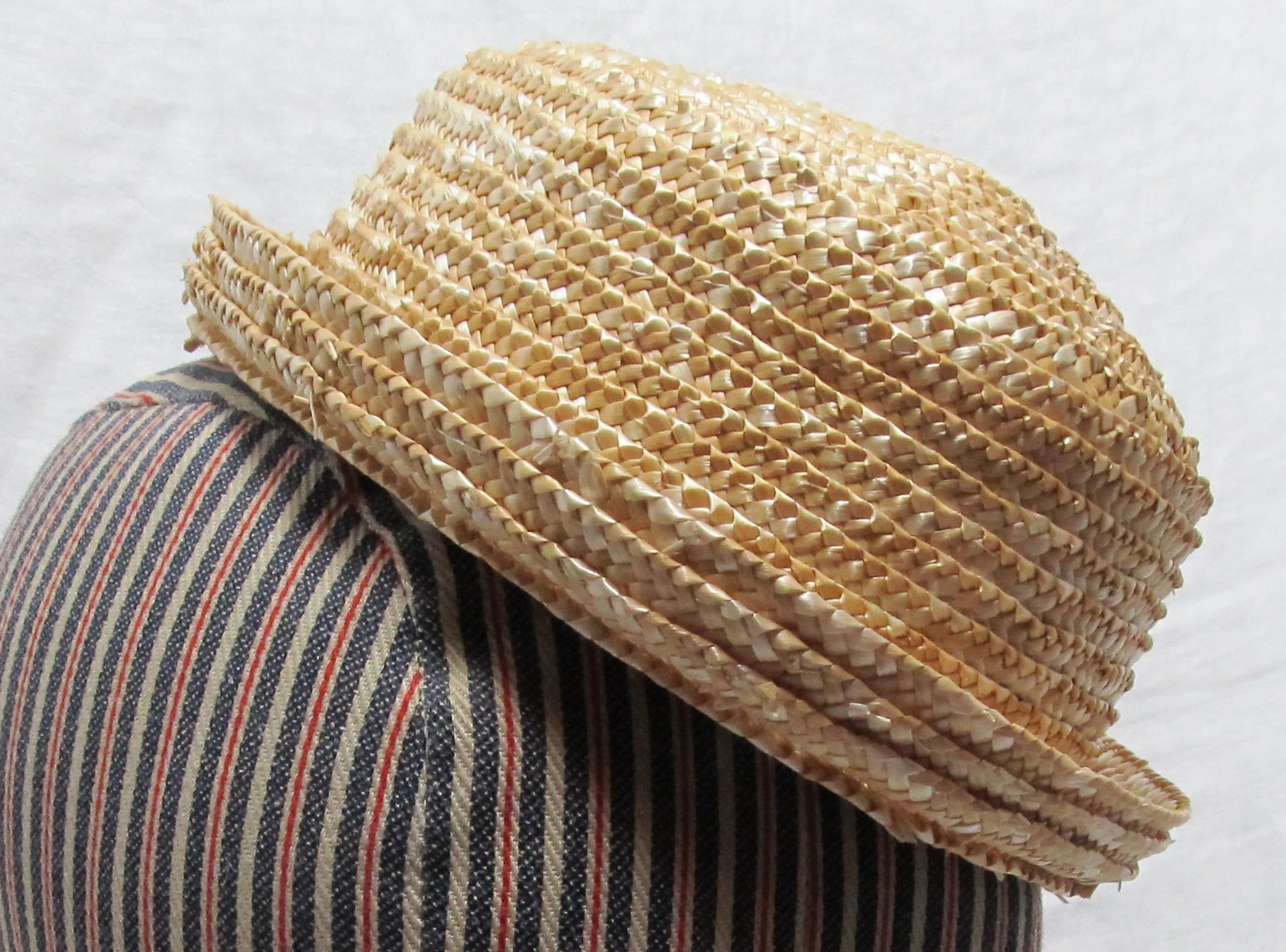
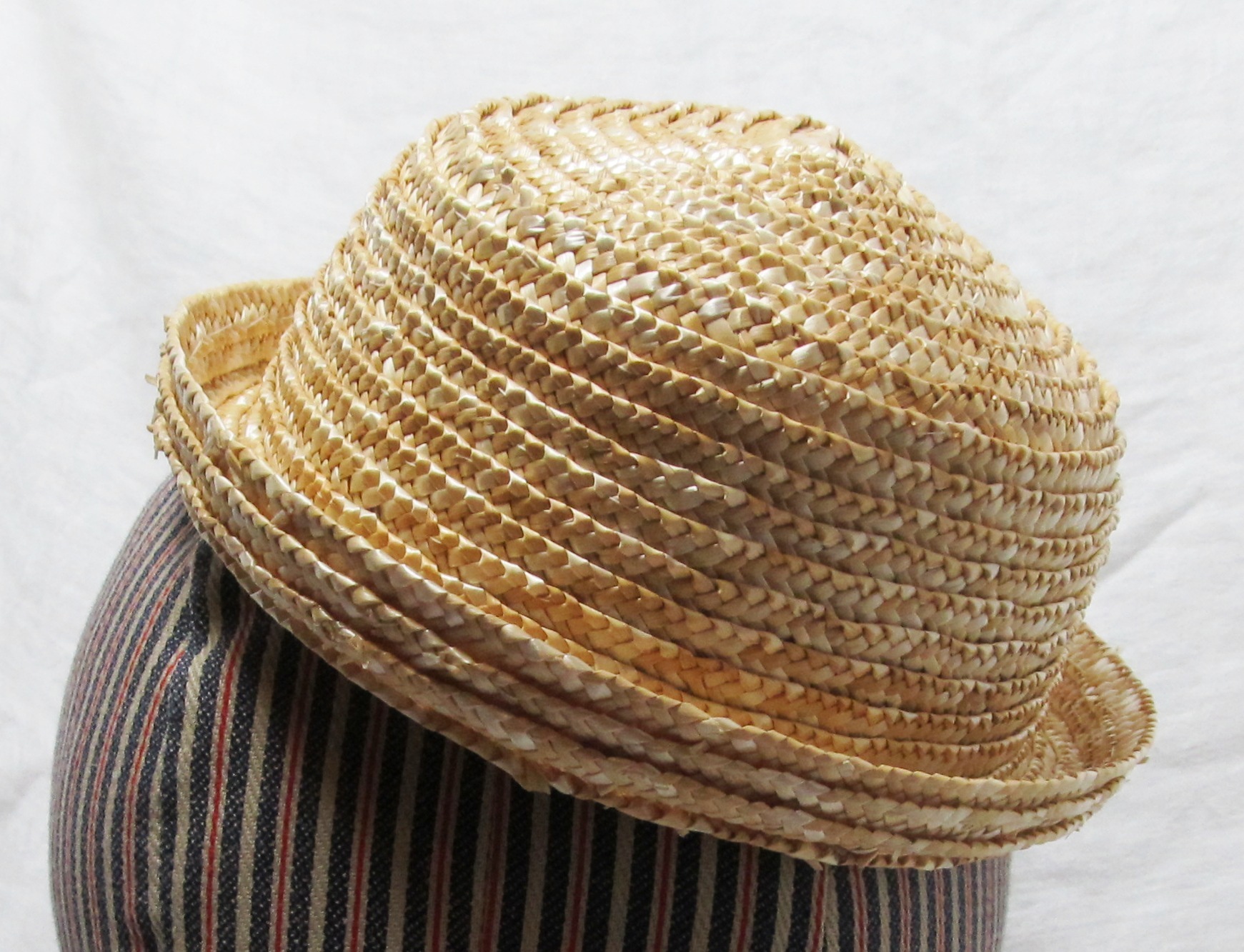
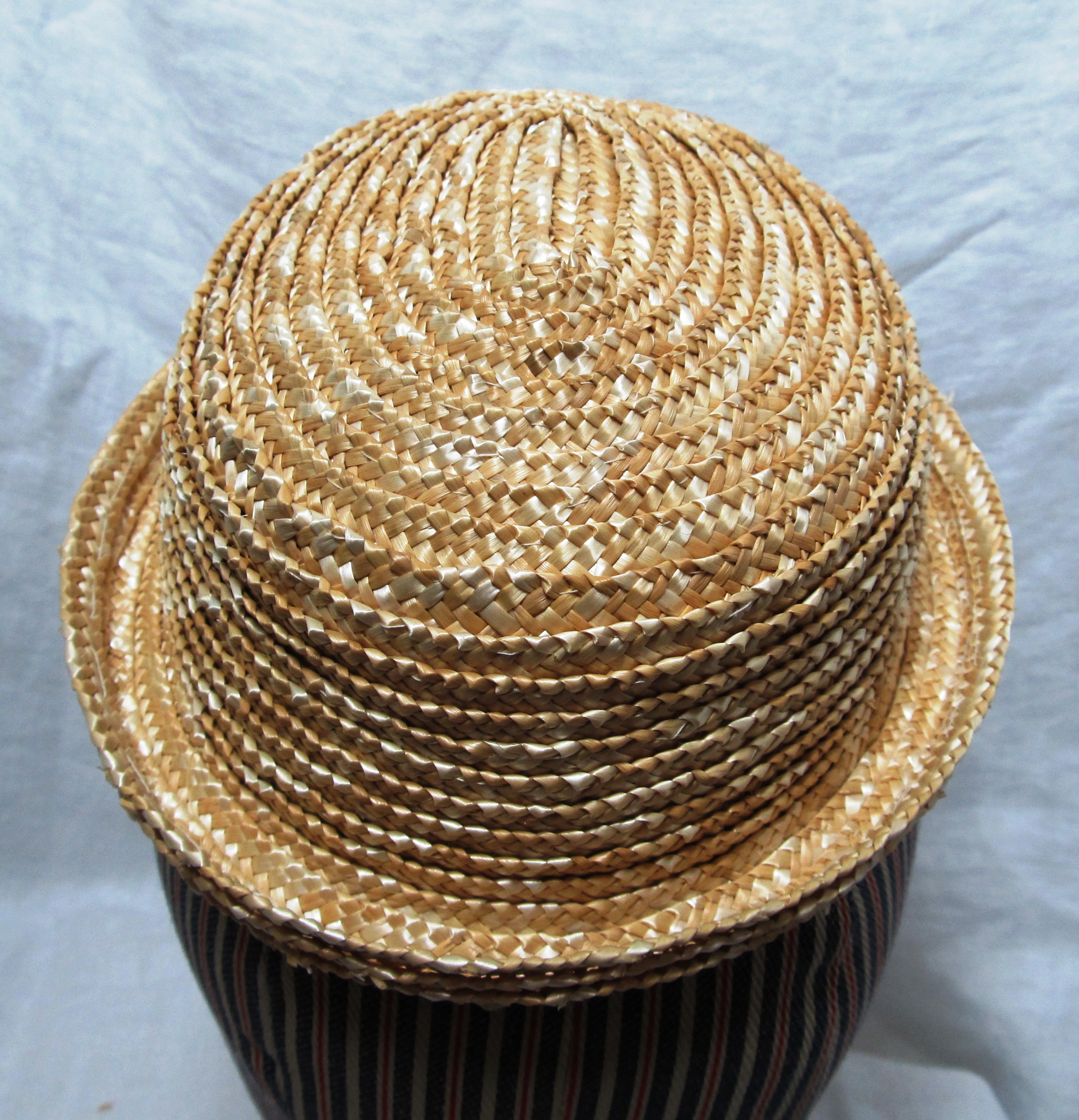
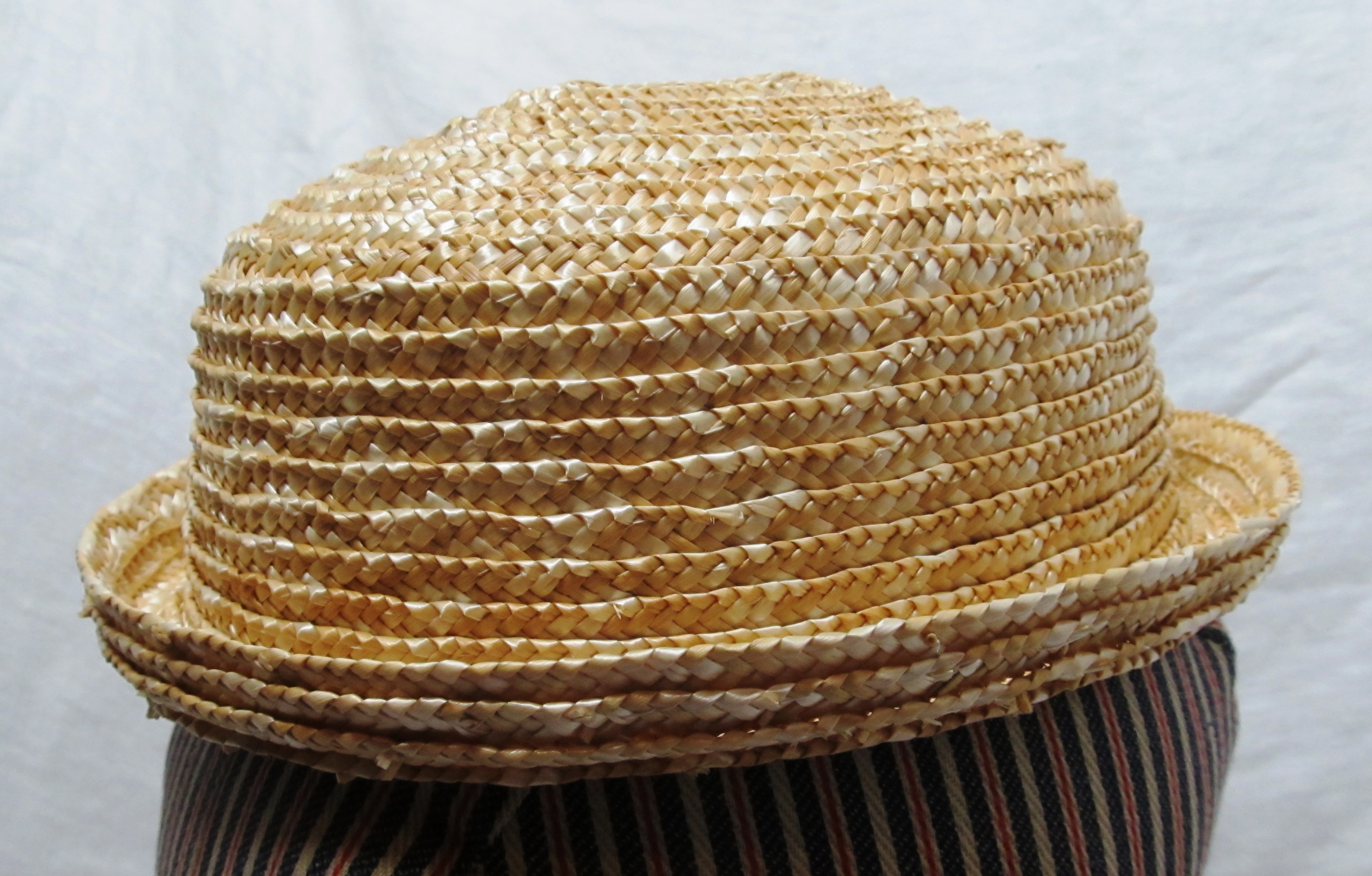
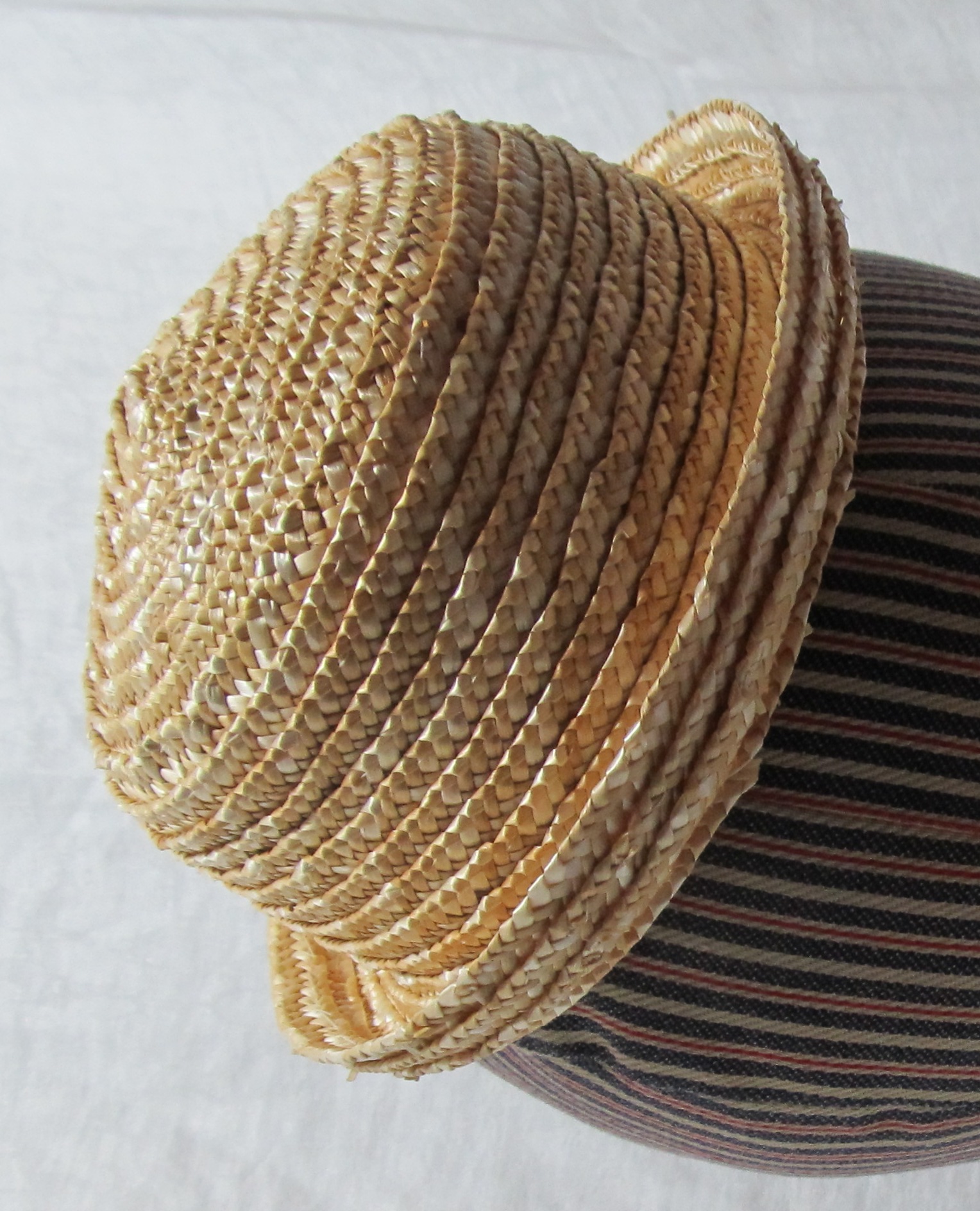
 This shallow hat is rounder than the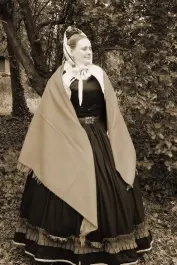




 If I Had My Own Blue Box: