Aka: My thoughts on my shoes.
This lost focuses on mid-nineteenth century appropriate shoes, including those good for the Civil War years. I have yet to build an early century foot wardrobe I am satisfied with.
About my feet:
I technically have size 7.5 double wide feet. This means in modern shoes I can wear from a 7.5 W to an 8.5W depending on the maker. If it helps with perspective, I prefer Bass Shoes, Naturalizer, and Sketchers for my every day modern shoes. My feet are sensitive to pressure on either area where I broke both toes abck to back one summer, and along the top of the foot to any irritant. The diagonal line from heal to top of my foot is longer than some.
Current Shoes:
Robert Land Wool Upper Balmorals
[Photo coming once I find them.] These were my first pair of reproduction shoes. They are the only pair I was able to buy directly from Land. I sent him measurements and a tracing of my foot. These arrived perfectly, like a glove for the foot. The wool breathes beautifully. I have not worn them in a few years because my feet got wider over the years. I will not pass them on though.
Robert Land Side Lacers
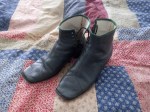
These are a size 8.5. These were actually my dream shoe for years: green side lacers by Land. These fit comfortably and do not rub or pinch my feet. I find at the end of an average day my feet are not sore or tired. They must have more depth between the heal and top of the foot because these slide on easily enough. (see below.)
Sekela Balmorals
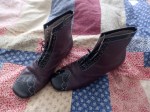
These are a size 8.5 I bought these second hand. I have not worn them as much as my other shoes because I have not had them as long. They are cut higher than the other boots I have. Even with larger legs, I do not find these tight in the calf or ankle.
Fugawee Leather Gussets
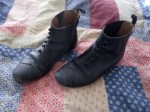
These are a size 9. I consider these my weather shoes mostly because they are more easily replacable than the others. I wear these for wet, muddy, or snowy events. They fit in rubber overshoes (currently in storage) and coil grips. My feet can slide in and out of these fairly easily. This was important after my surgery as it was difficult to impossible to lace my shoes. This is also helpful for putting shoes on and off throughout they for coming and going from a house. The one problem I have is these shoes are stone catchers. The ankle area is loose enough stones fall inside when they are kicked up while walking.
Unknown Maker Side Lacers
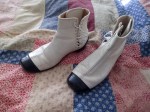
This pair was purchased second hand inline. I do not know the maker or size. I recall the seller saying the maker was out of business and from California. I have worn these for seven or so years. There are componants that are not natural. While they are mostly comfortable, these sag or bunch through the day. The edging around the eyelets has worn through. I plan to replace it.
Slippers
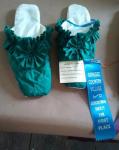
These were handmade by me based on a pair in the Buffalo & Erie Historical Society Museum. I recommend slippers to anyone doing interpretation inside a house with carpet or floor clothes. Your feet will love you.
Shoes I am Lacking for this Era:
Social indoor shoes
Dance shoes
American Duchess and Amazon Drygoods shoes.
Shoes I don’t own anymore:
Robert Land Silk Side Lacers: I found a size 8 pair on Ebay. They were beautiful but I couldn’t even get my feet inside. They ended up going to a friend with smaller 7 feet.
Sekela Low Shoes: These were my birthday shoes. They were absolutely beautiful and well made. My previously broken toes did not like them, and kept bruising. These went to a trusted friend with slightly longer feet who will care for them.


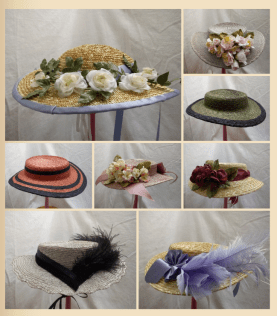 I focus on two types of millinery: straw plait millinery and quilted/wadded winter millinery. All of my straw pieces are hand sewn using historic techniques. I use both original bonnet and hat blocks, as well as hand carved blocks for blocking my pieces. I use two different millinery sizings. While I primarily offer straw forms, I occasionally offer fully decorated pieces. When I do, I use appropriate techniques and as accurate trimmings as possible. Given the likelihood that antique silk ribbons will shatter or fracture, I strongly prefer not to use them in pieces to be worn. I want you to be able to wear your millinery for years. I currently offer:






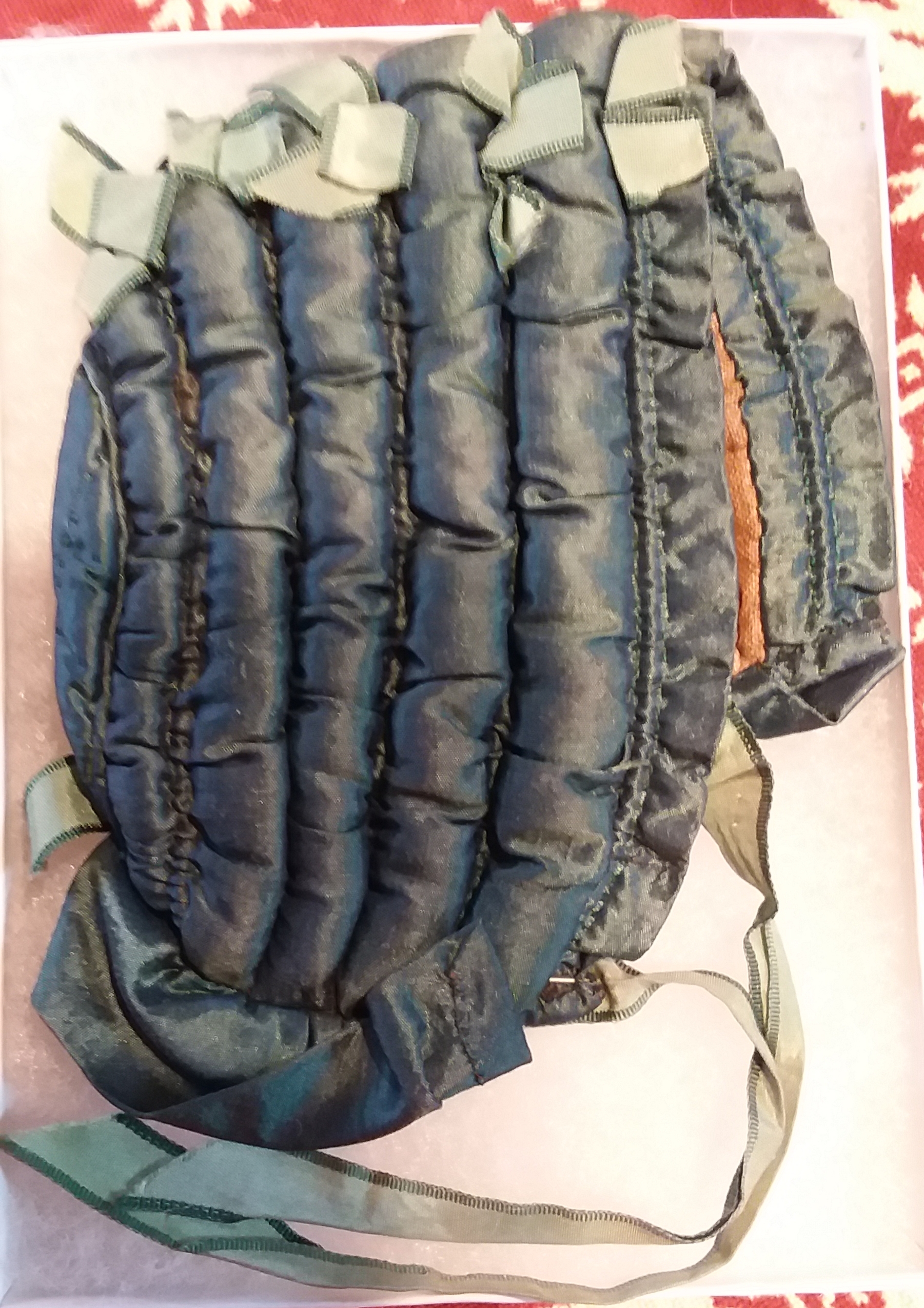
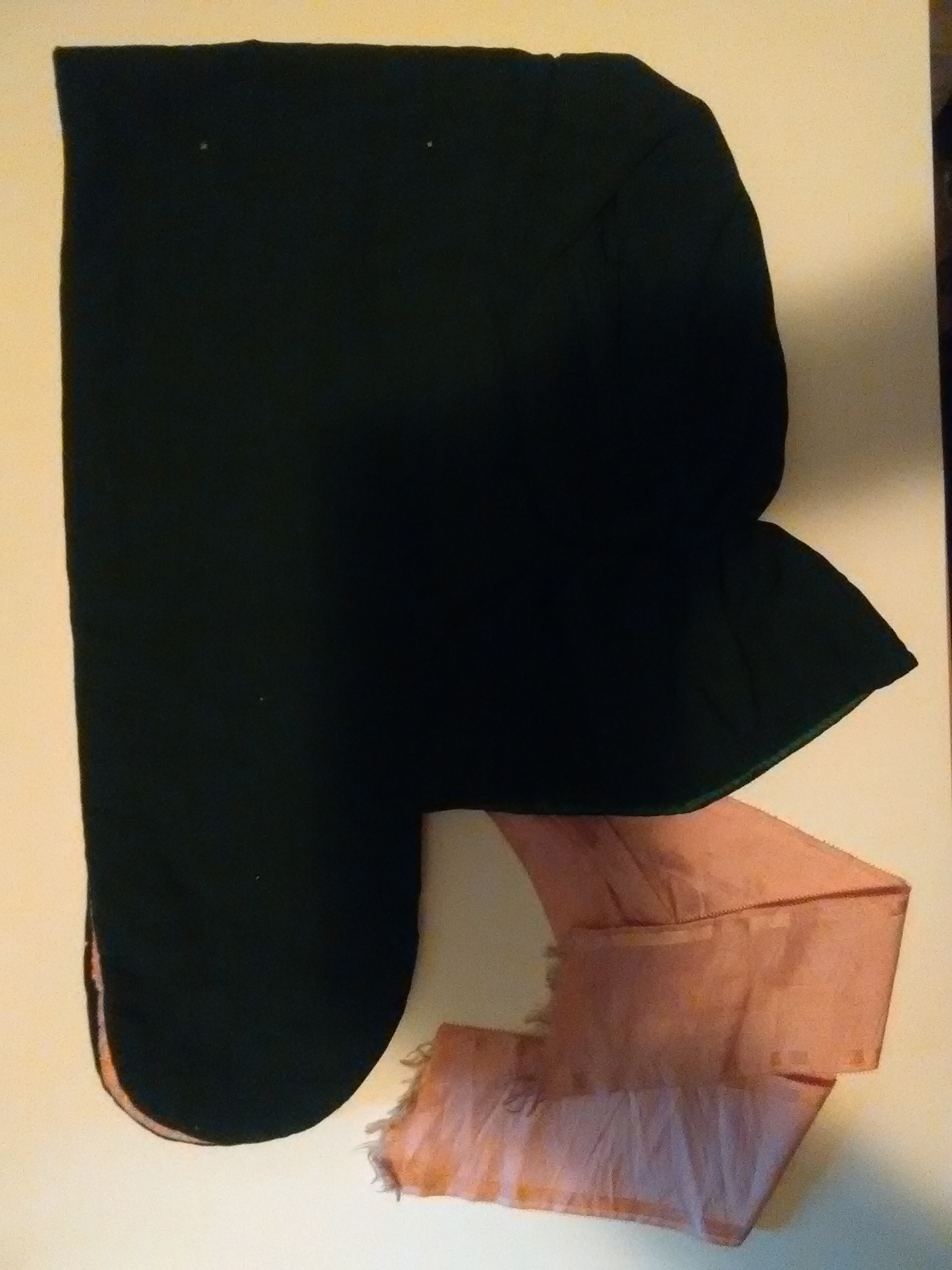
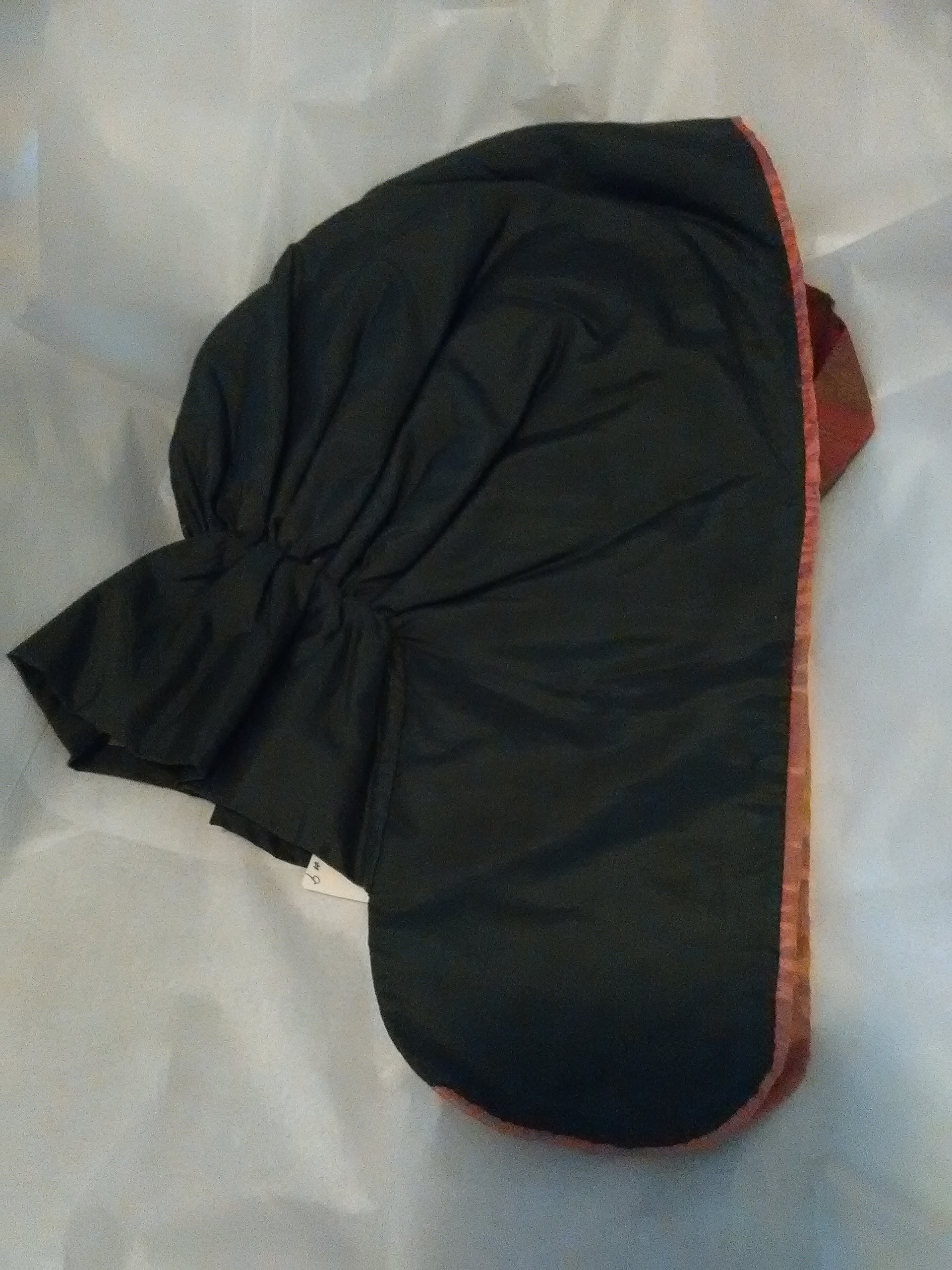
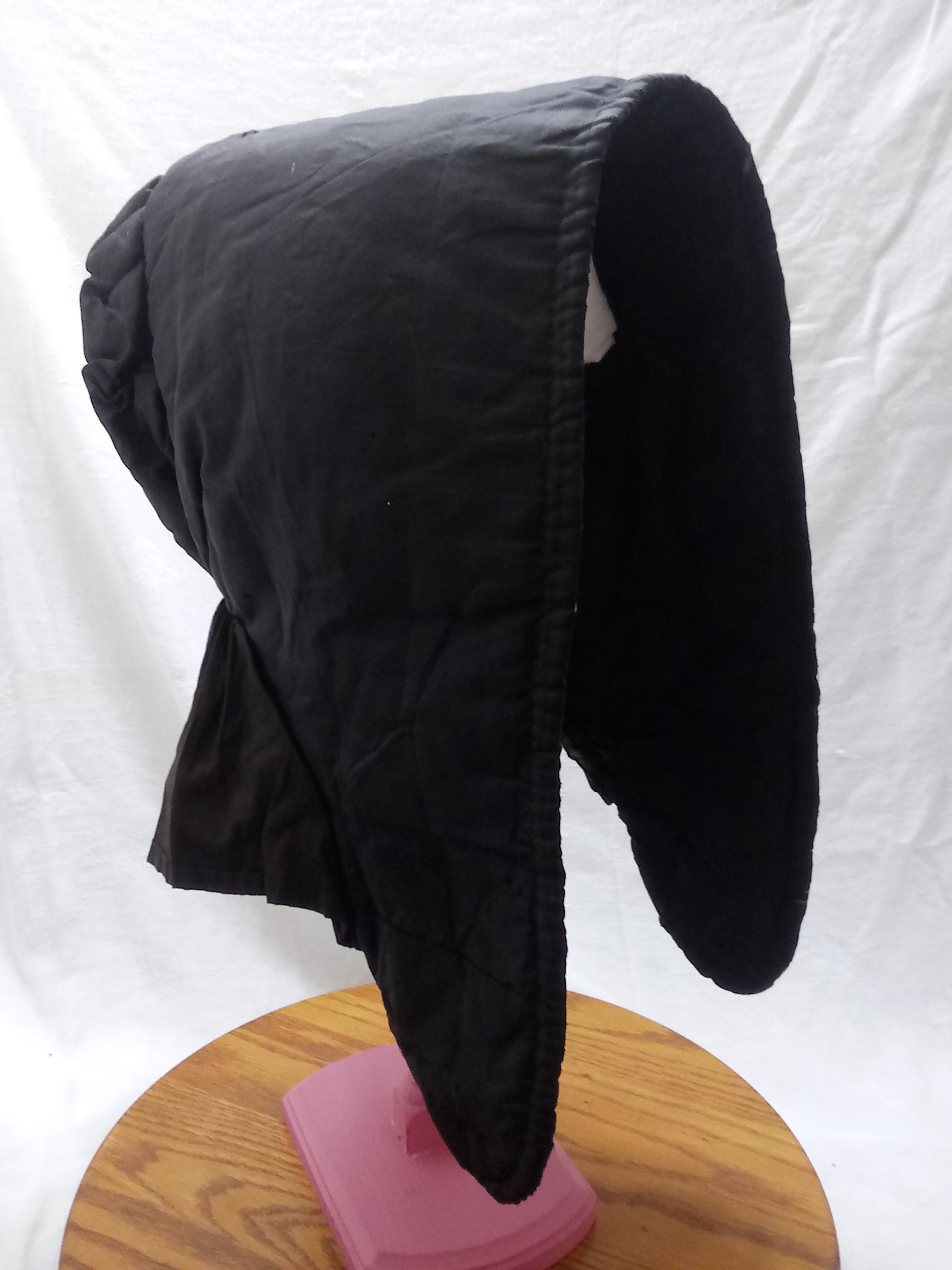
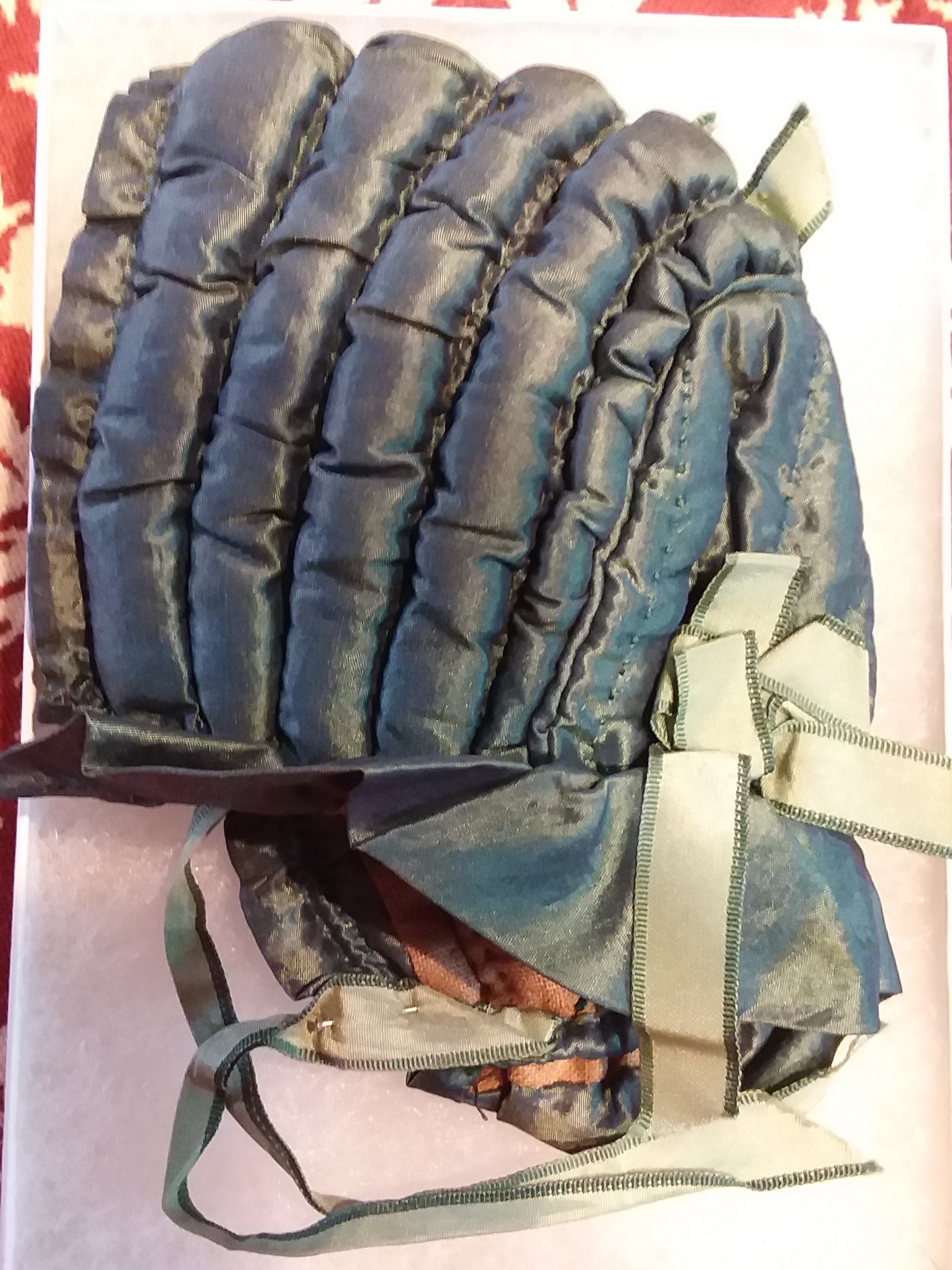
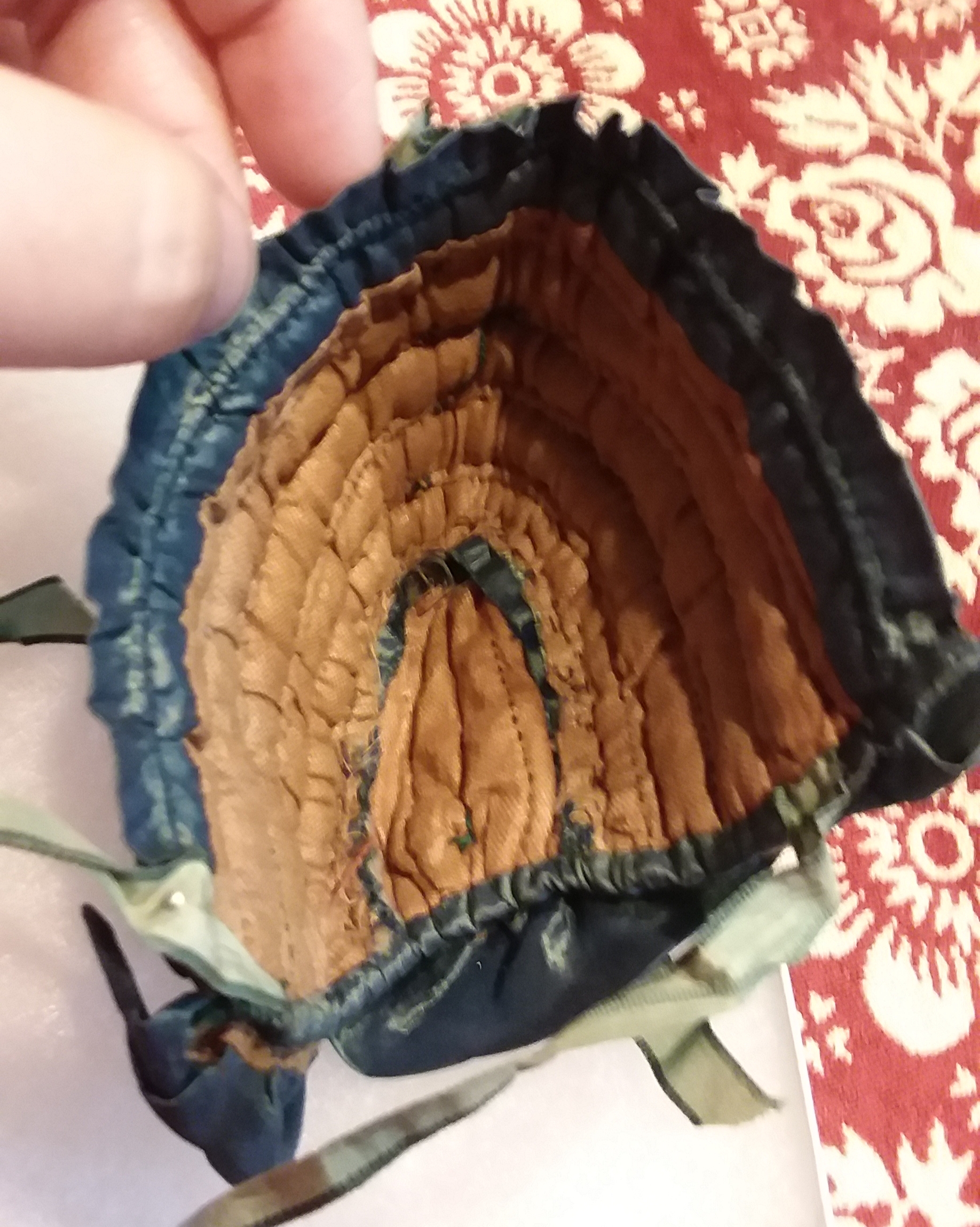
 A Pumpkin hood is a style of sewn winter hood made in the first half of the nineteenth century and later eighteenth century. This type of hood is also known as a wadded hood or an “ugly.”