From Moore’s Rural New-Yorker in Rochester, NY
November 12th, 1864
The Profession of Women
A magazine article says the profession of women is housekeeping, declares it thoroughly dishonored and offers the following proofs:
The delicate constitution and failing health of young girls, the sickness and sufferings of mothers and housekeepers, the miserable quality of domestic service, the stinted wages of seamstresses, the despair of thousands who vainly strive for an honest living, and the awful increase of those who live by vice, are more and more pressing on public attention.
What is the cause of all this? The chief cause is, that woman is not trained for her profession, while that profession is socially disgraced.
Women are not trained to be housekeepers nor to be wives, nor to be mothers, nor to be nurses of young children, nor to be nurses of the sick, nor to be seamstresses, nor to be domestics.
And yet what trade or profession of men involves more difficult and complicated duties than that of a housekeeper?
When parents are poor, the daughters are forced into considerable practical training for future duties, though many a mother toils to the loss of health that her daughters may have all their time for study and school.
In the more wealthy classes the young girl is subjected to a constant stimulus of the brain, involving certain debility of nerves and muscles, books in the nursery – books in the parlor – books in the school-room surround her. Her body is deformed by pernicious dress, her stomach weakened by confectionary and bad food. She sleeps late in the morning, lives more by lamps and gas than sunlight, breathing bad air in close rooms or a crowded school. A round scientific study and fashionable accomplishments alternate, while her ambition is stimulated to excel in anything rather than her proper business.
School is succeeded by a round of pleasurable excitement till marriage is secured, and then – perhaps is one short year – the untrained novice is plunged into all the complicated duties of wife, mother, and housekeeper, aided only by domestics as ignorant and untrained as herself.
What would a watch-maker be called who should set up his son in the trade when he had never put together a watch, furnishing only journeymen and apprentices as ignorant as his son” if in addition to this the boy’s right hand were paralyzed, he would be no more unfit for his business than are most young girls of the wealthy classes when starting in their profession at marriage.
Then, on the other hand, women who do not marry, especially in the more wealthy class, have no profession or business, and are as ill-provided as men would be, were all their trades and professions ended, and nothing left but the desultory pursuits of most single women who do not earn their living. A few such can create some new sphere as authors, artists, or philanthropists. But the great majority live such aimless lives as men would do where all their professions ended.
Almost every method that can be devised to make woman’s work vulgar, and disagreeable and disgraceful has been employed, till now the “lady,” signifies a woman that never has done any of the proper work of a woman.
Dark and dirty kitchens, mean and filthy dress, ignorant and vulgar associates, inconvenient arrangements, poor utensils, hard and dirty work, and ignorant and unreasonable housekeepers – these are the attractions offered to young girls to tempt them to one of the most important departments of their future profession.
The care of infants and young children is made scarcely less repulsive and oppressive, and usually is given to the young of the ignorant. Thus the training of young children at the most impressive age, the providing of healthful food, and suitable clothing, and of most of home comforts are turned off to the vulgar and ignorant. A woman of position and education who should attempt to earn her living in any of these departments of woman’s proper business would be regarded with pity or disgust, and be rewarded only with penurious wages and social disgrace.
Meantime, while woman’s proper business is thus disgraced and avoided, all the excitements of praise, honor, competition, and emolument are given to book-learning and accomplishments. The little girl who used to be rewarded at school for sewing neatly, and praised when she had made a whole skirt for her father, now is rewarded and praised only for geography, grammar and arithmetic. The young woman in the next higher school goes on to geometry , algebra and Latin, and winds up, if able to afford it, with French, music and drawing. Twenty other branches are added to these, not one of them including any practical training for any one of woman’s distinctive duties.
The result it, that in the wealthy classes a woman no more thinks of earning her living in her true and proper profession than her brothers do of securing theirs by burglary of piracy.
This feeling in the more wealthy classes descends to those less favored by fortune. Though forced by lack of means to some degree of training for woman’s business, the daughters of respectable farmers and mechanics never look forward toward earning a living in their proper business, except as the last and most disgraceful resort of poverty. They will go into hot and unhealthy shops and mills, and even into fields with men and boys, rather than to doing woman’s work in a private family. Not that, take the year round, they can make much more money, but to avoid the tyranny and social disgrace of living as a servant in the kitchen, with all the discomforts connected with that position. Few except the negro and poorer German and Irish will occupy the place which brings to respectable and educated women social disgrace and the petty tyranny of inexperienced and untrained housekeepers, who know neither how to perform their own duties nor how to teach incompetent helpers to perform theirs.
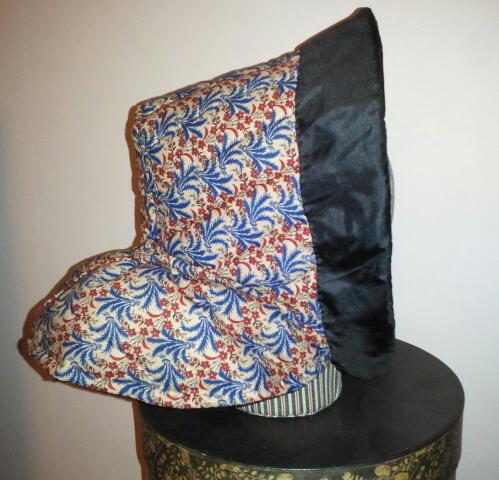
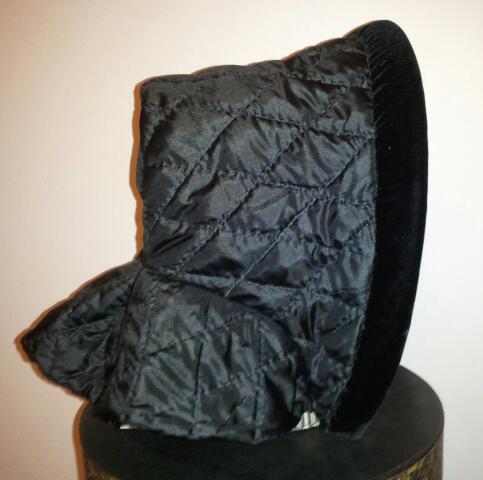
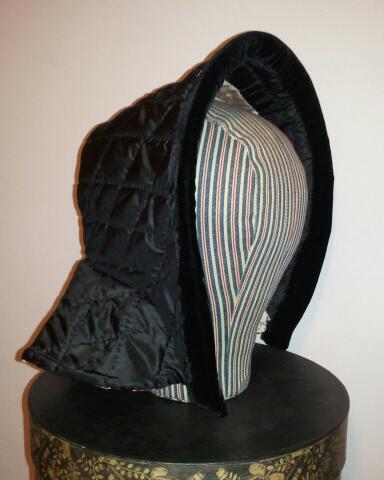
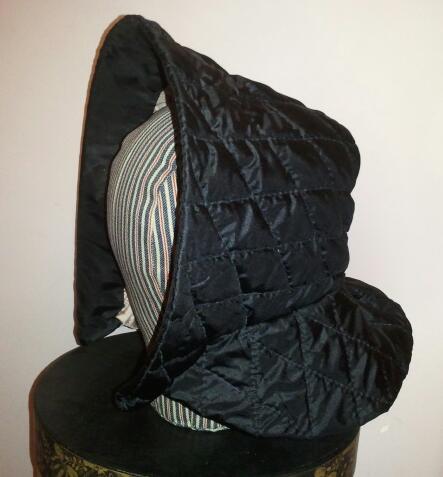
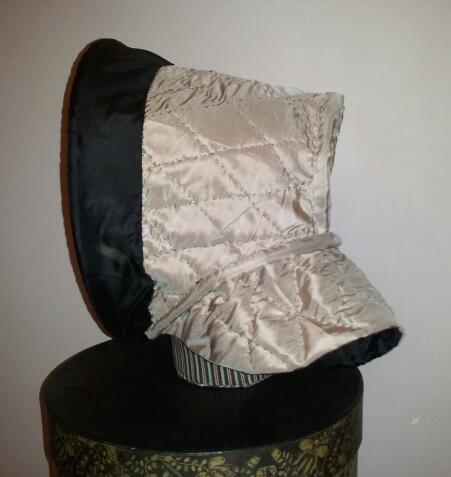
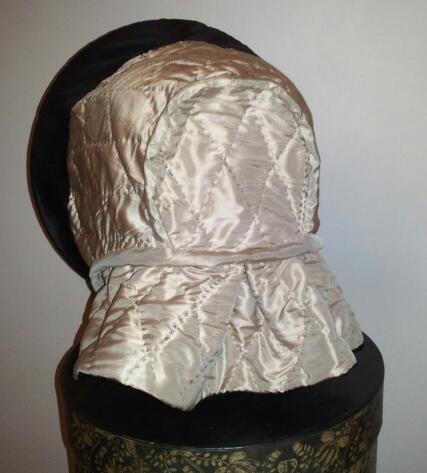
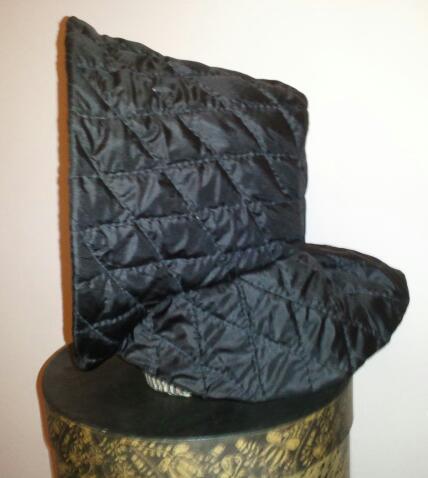
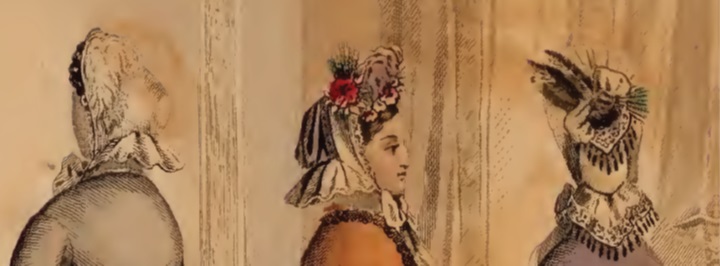
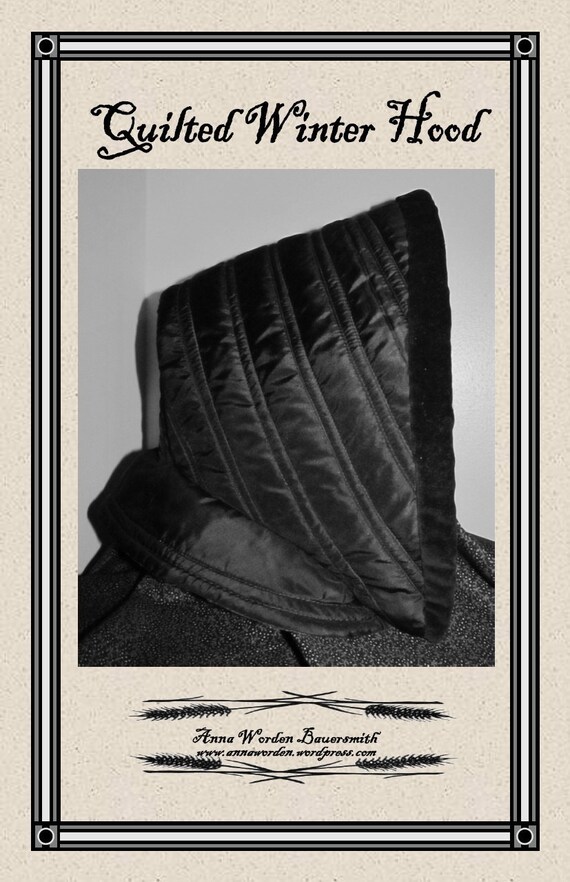 As the weather turns cold, very cold for some of us, I have had more and more people asking for my Quilted Hood Pattern. I have mixed news.






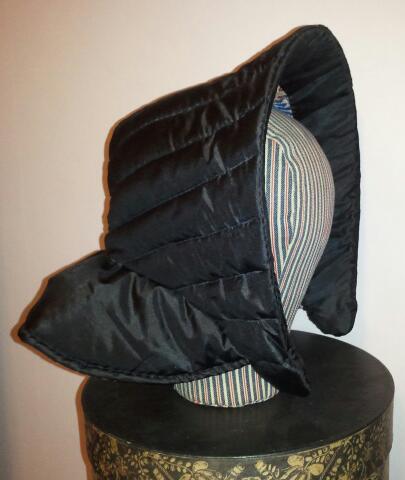
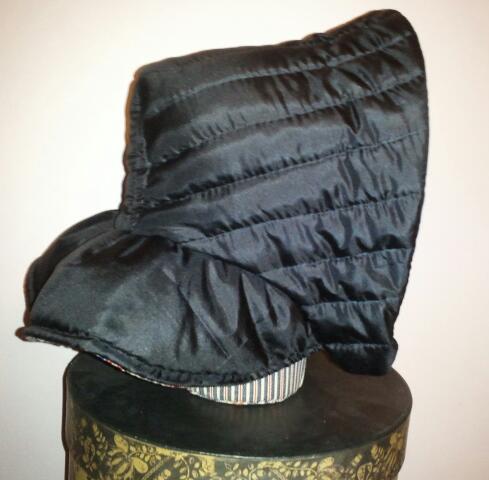
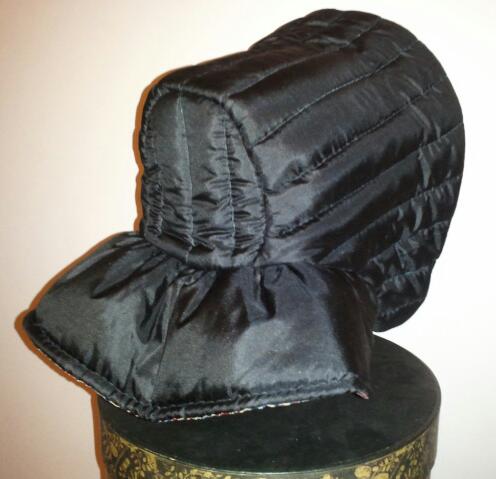








 If I Had My Own Blue Box: