This unboxing reveals a new personal skill challenge as well as a change in my collection’s direction. You will likely notice I am both excited about this new challenge as well as nervous. I want to get this right and do the contents justice.
Millinery Monday – Higher Crown Hat Block
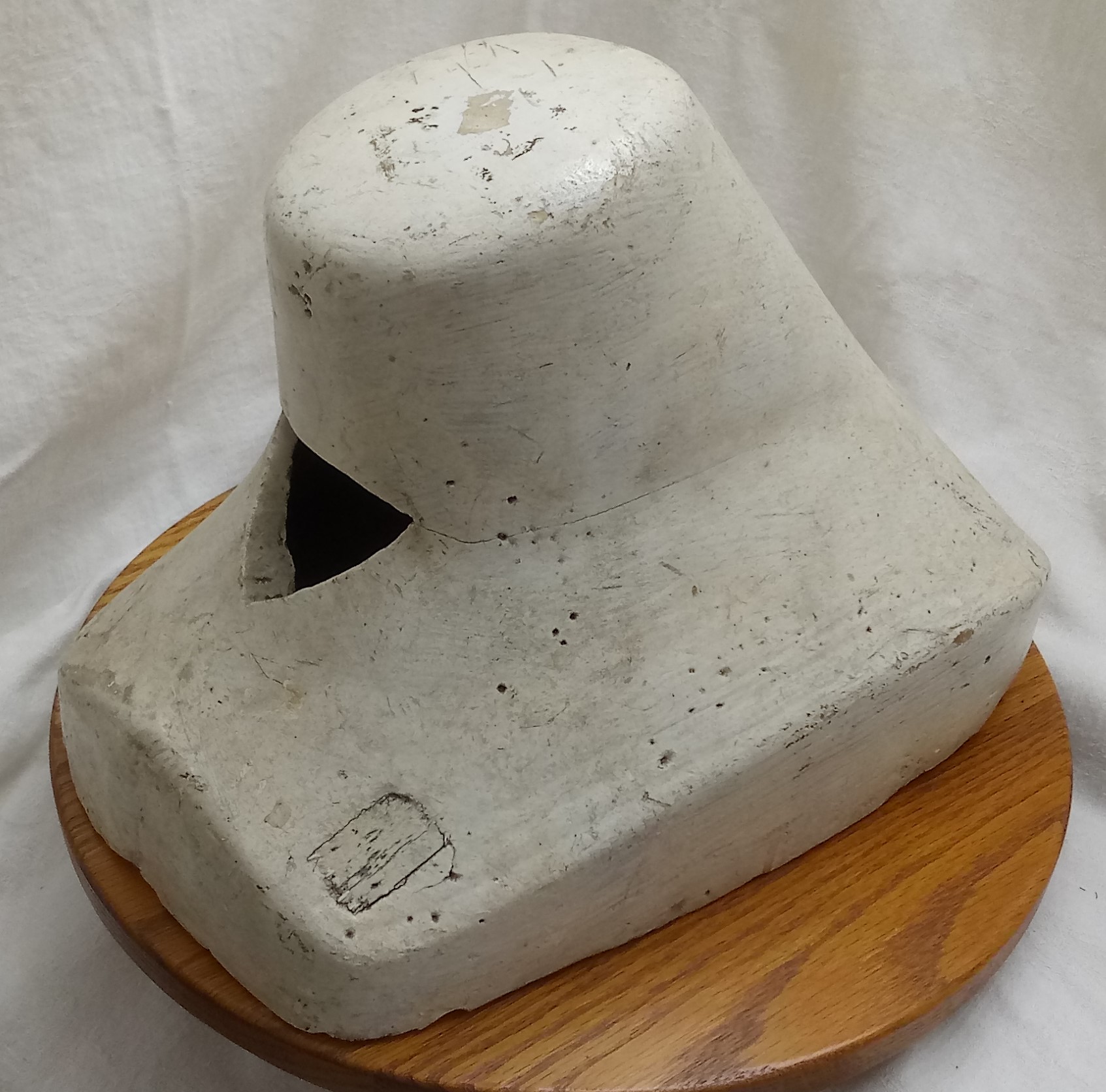
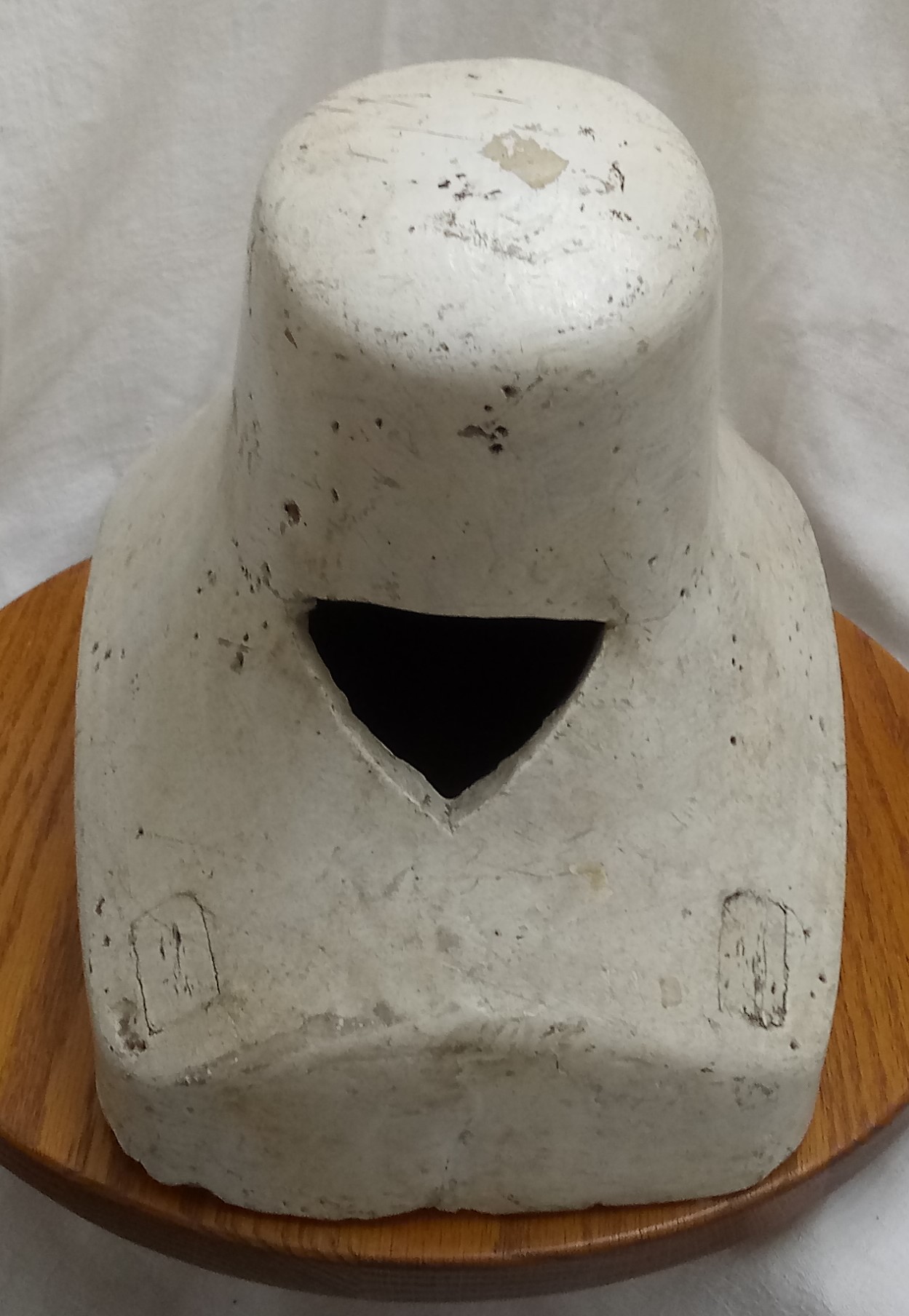
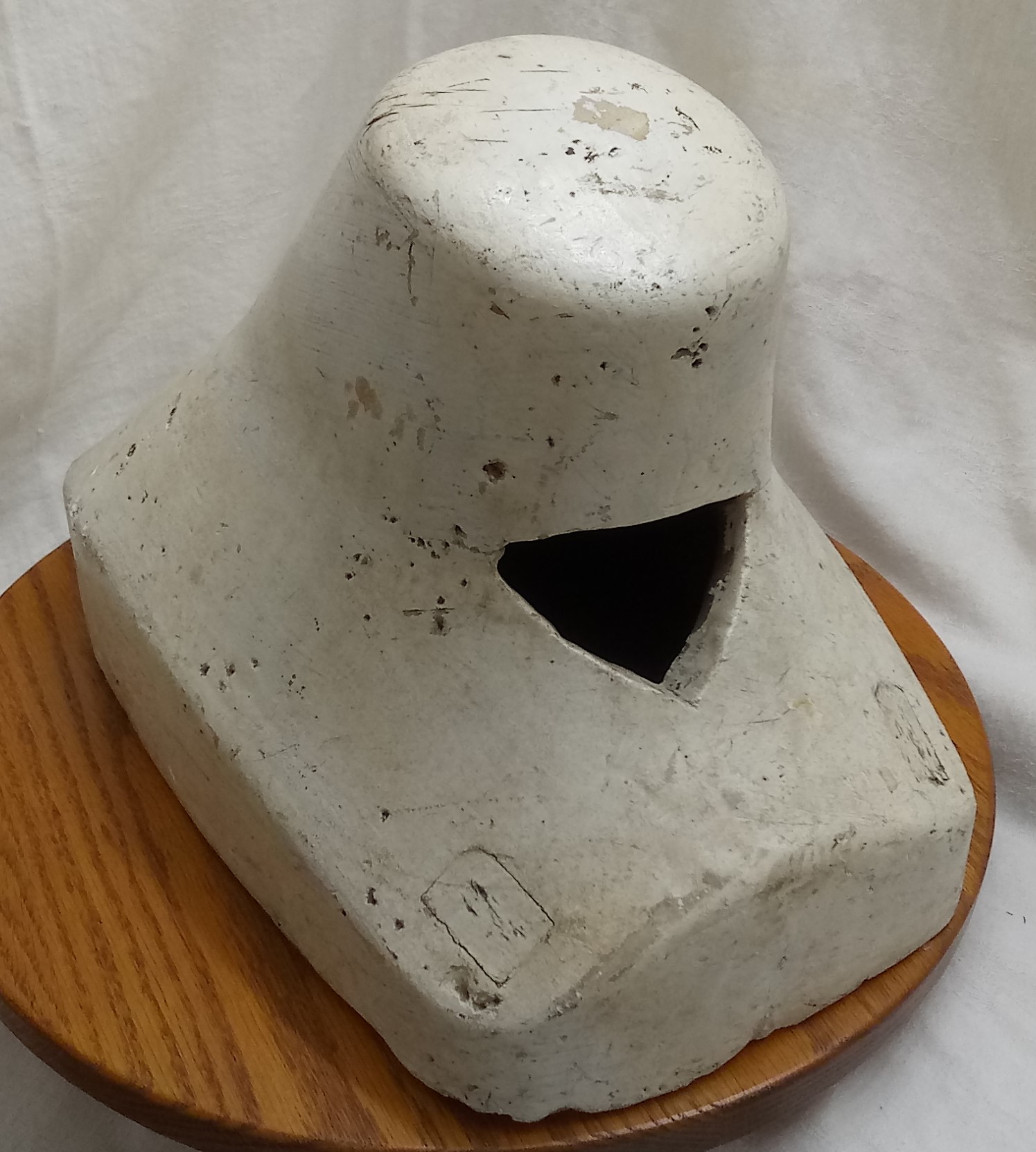
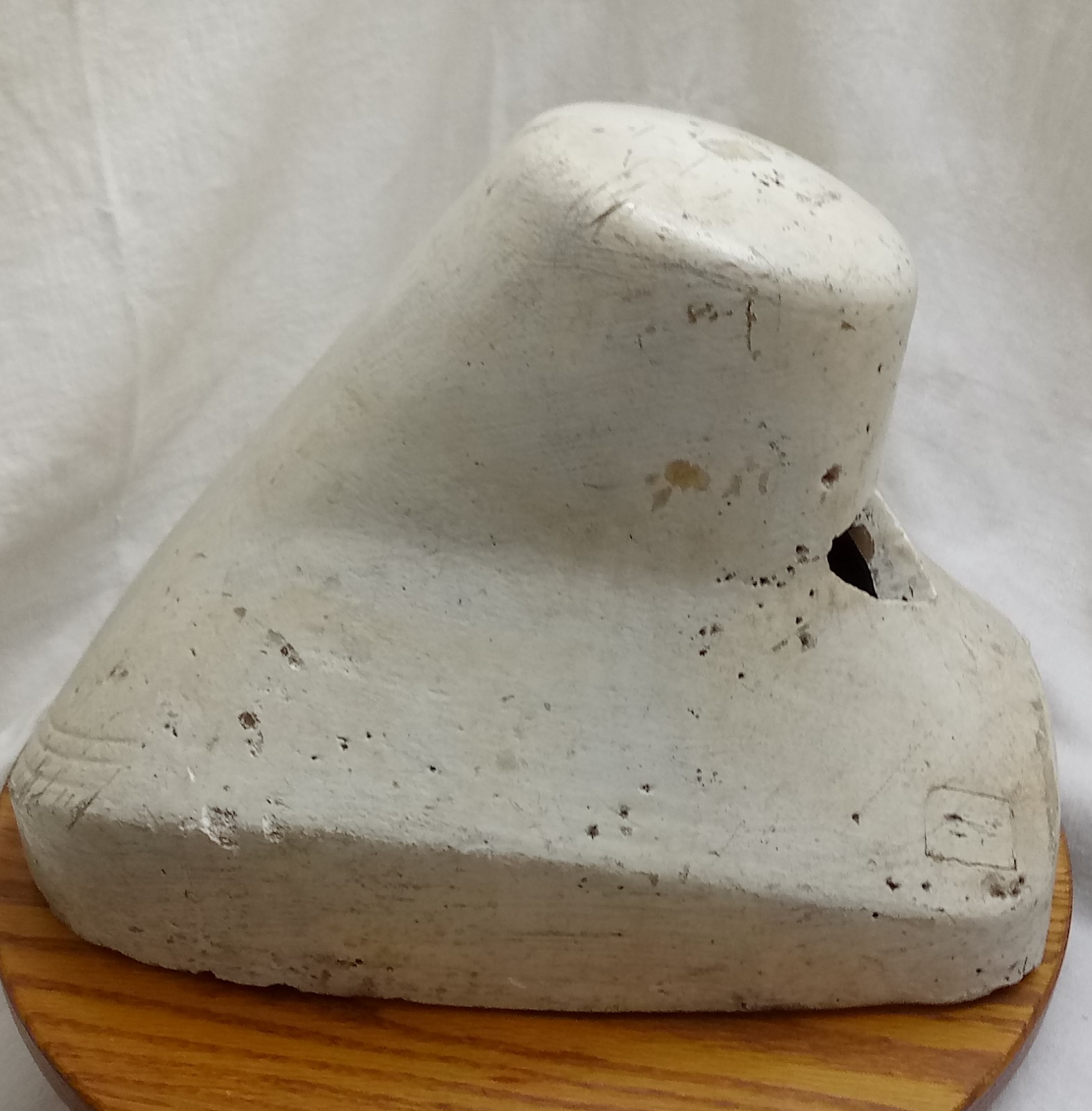
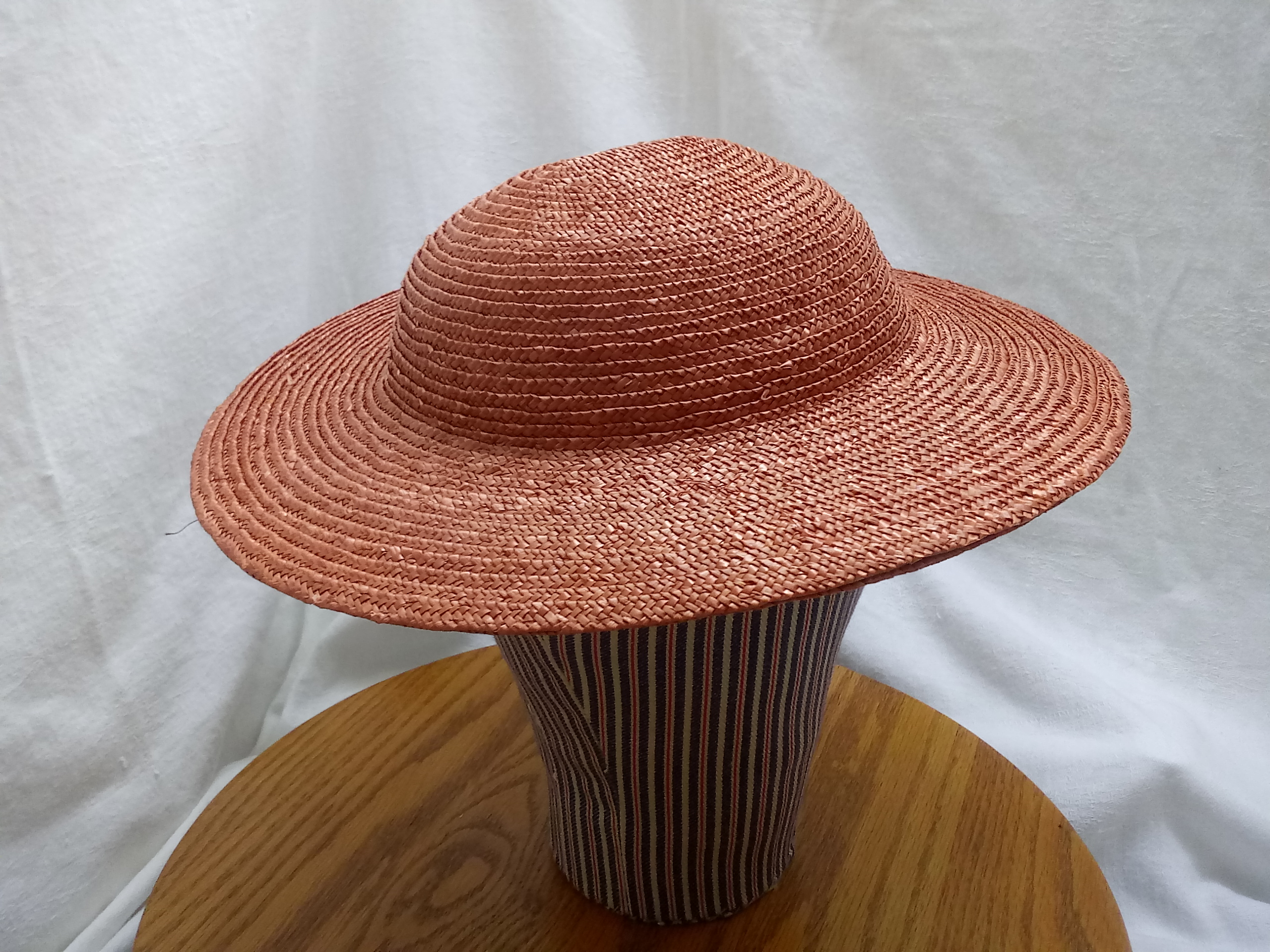
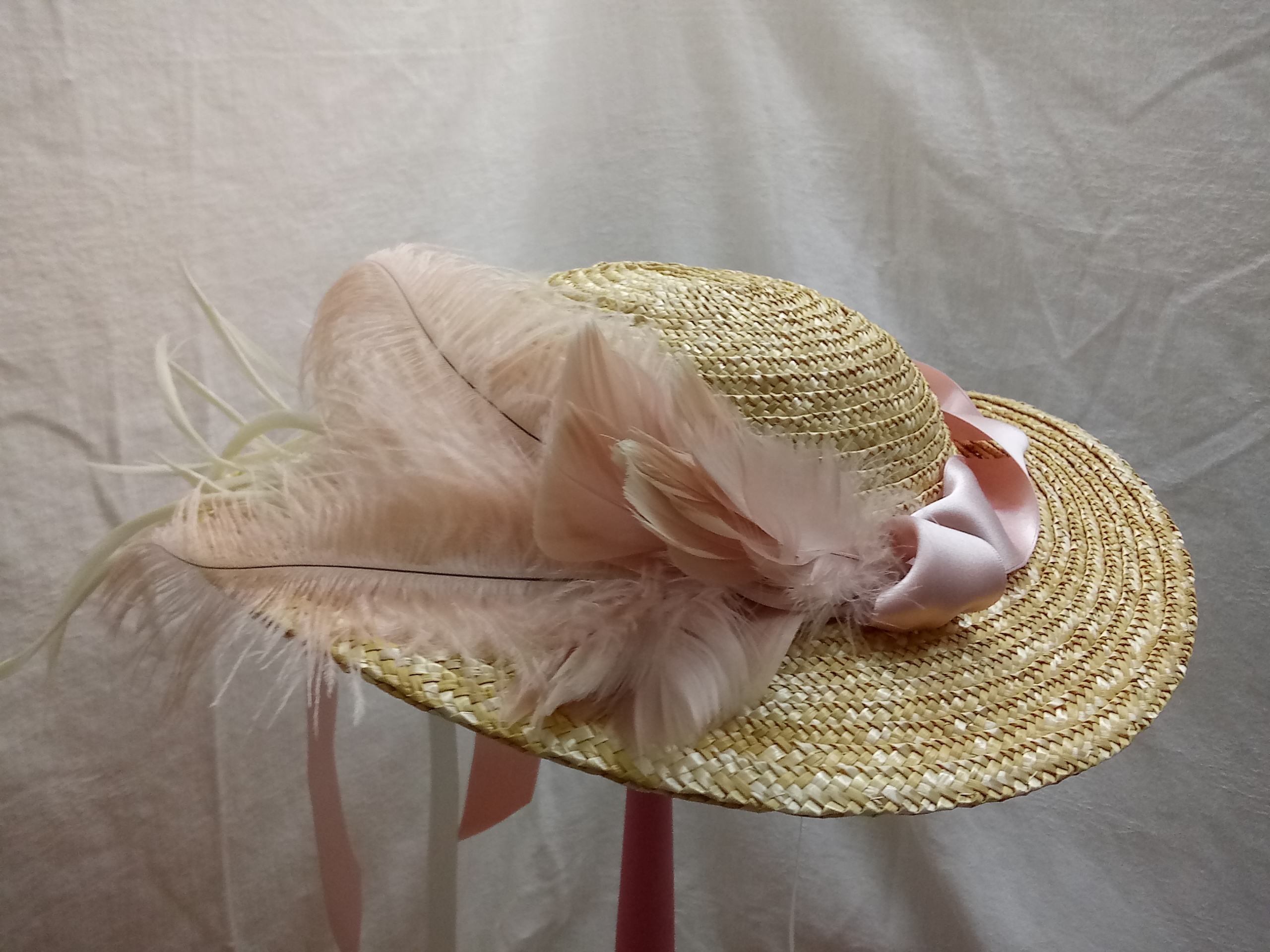
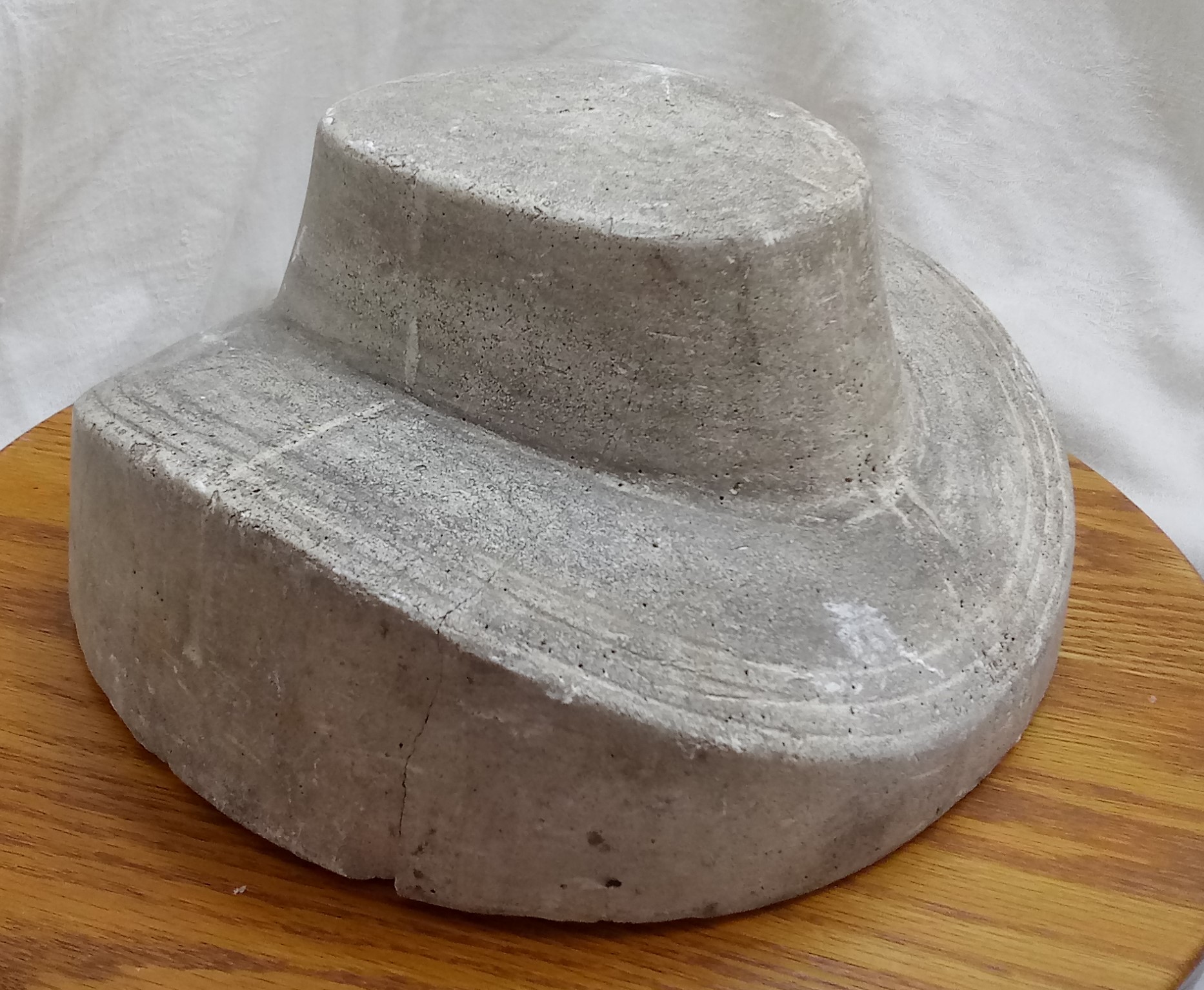
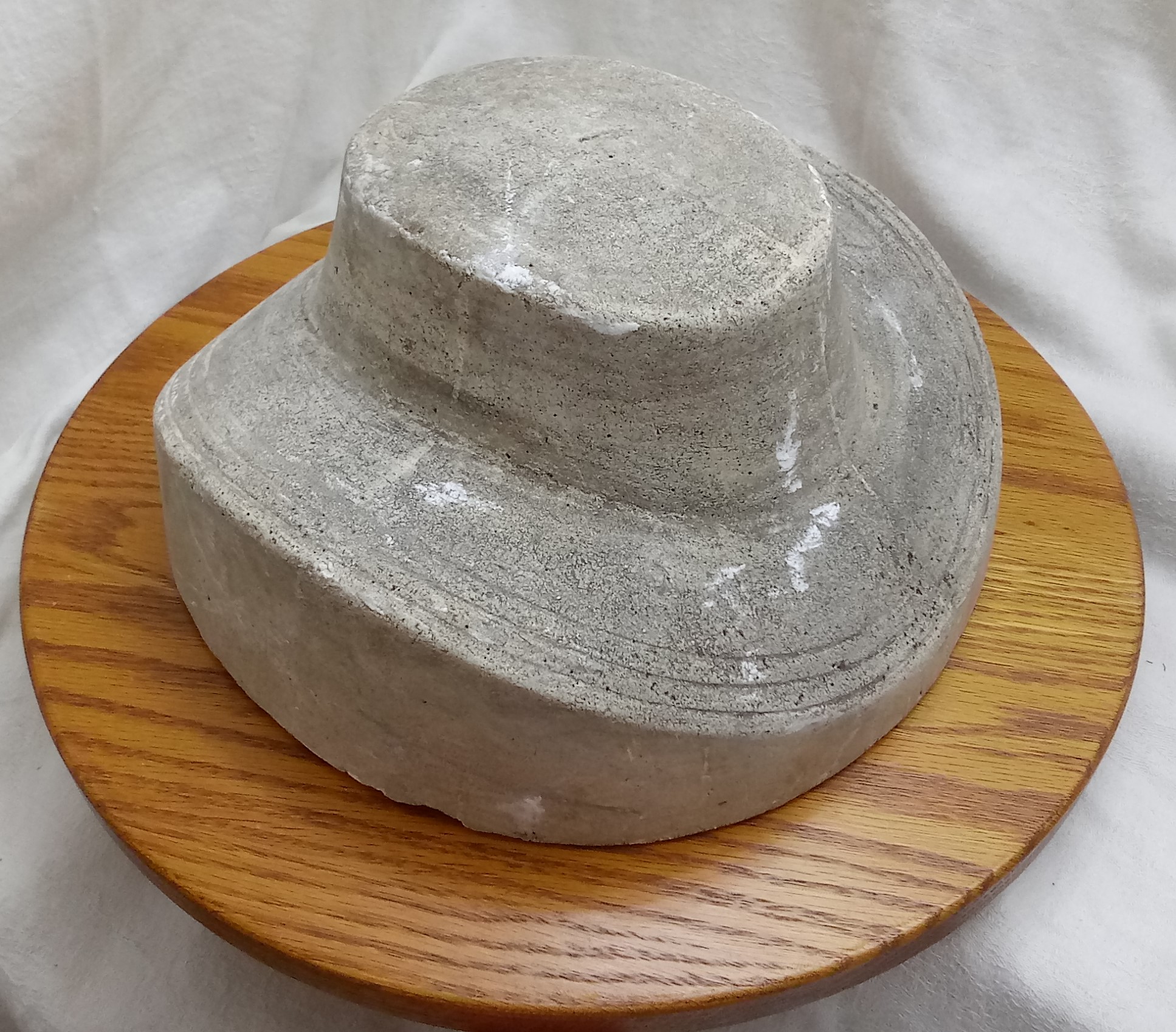
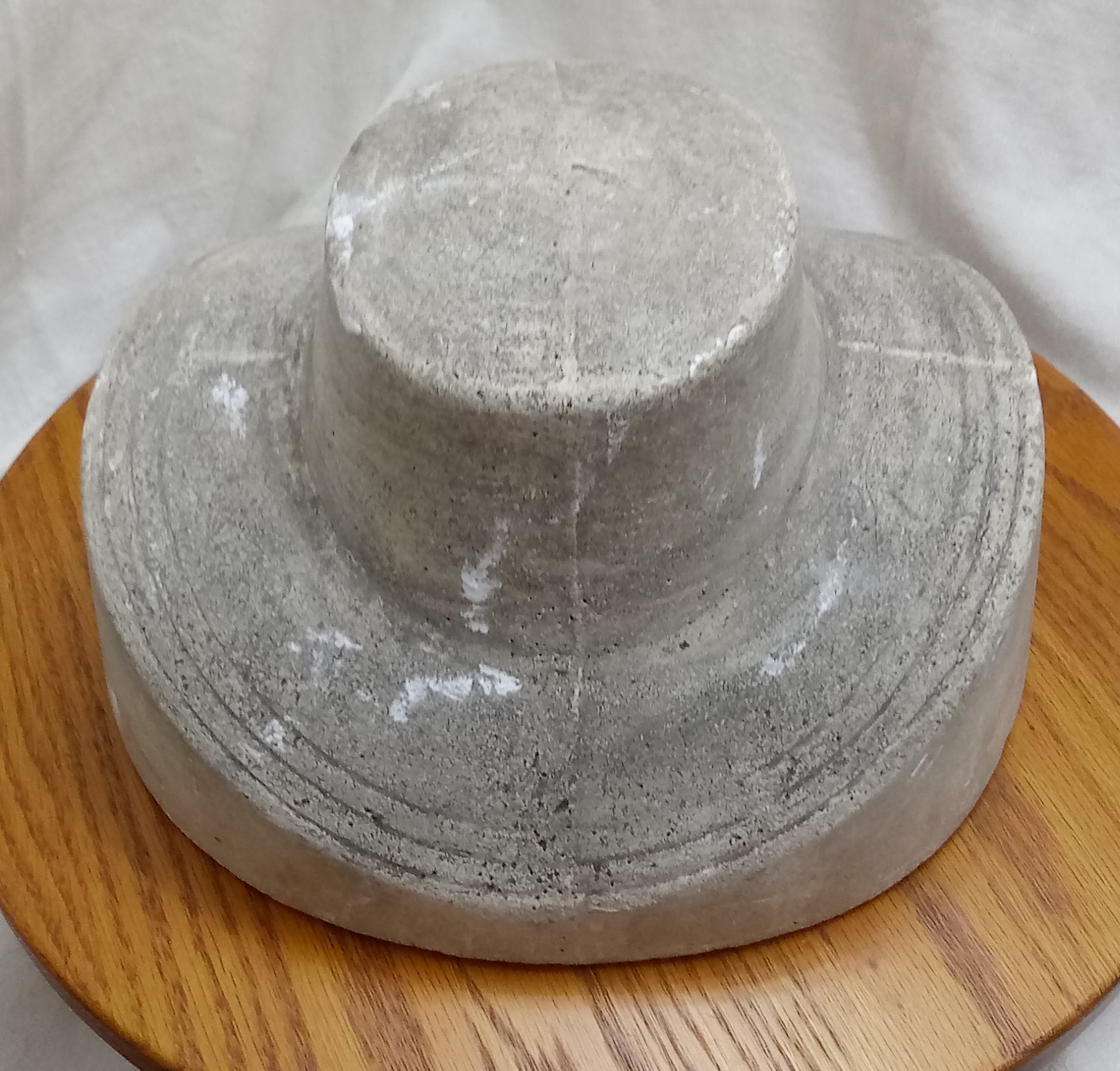
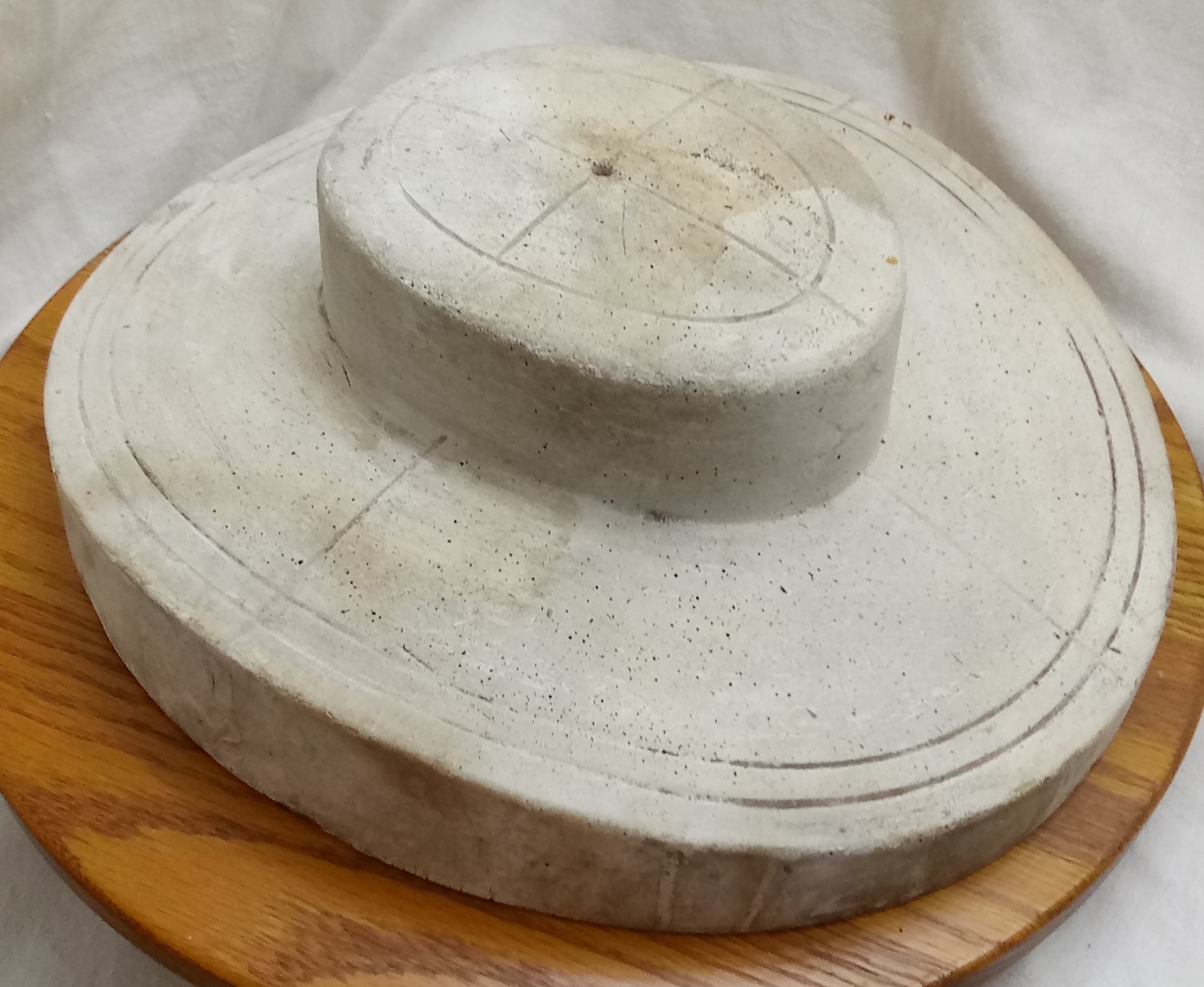
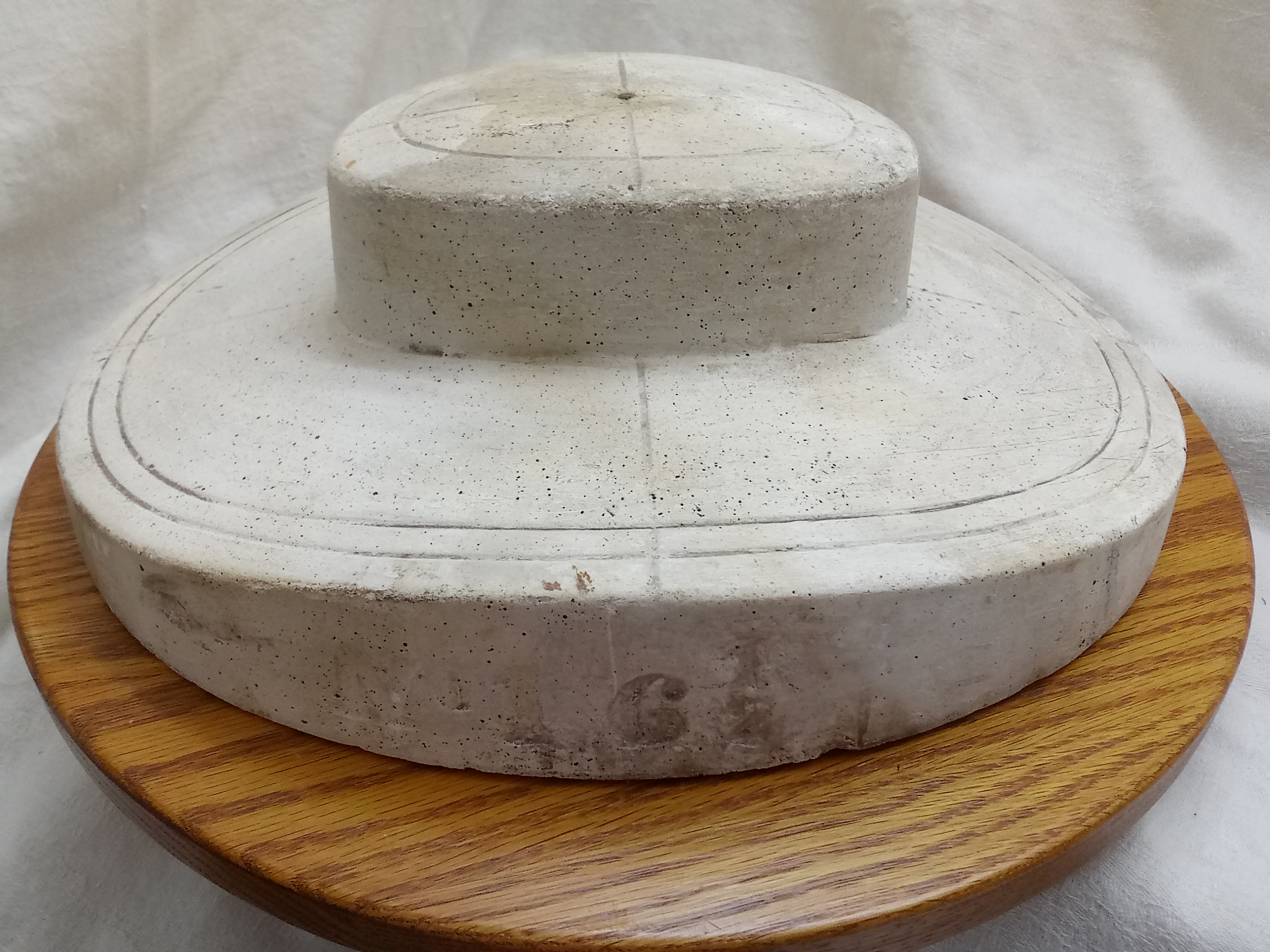
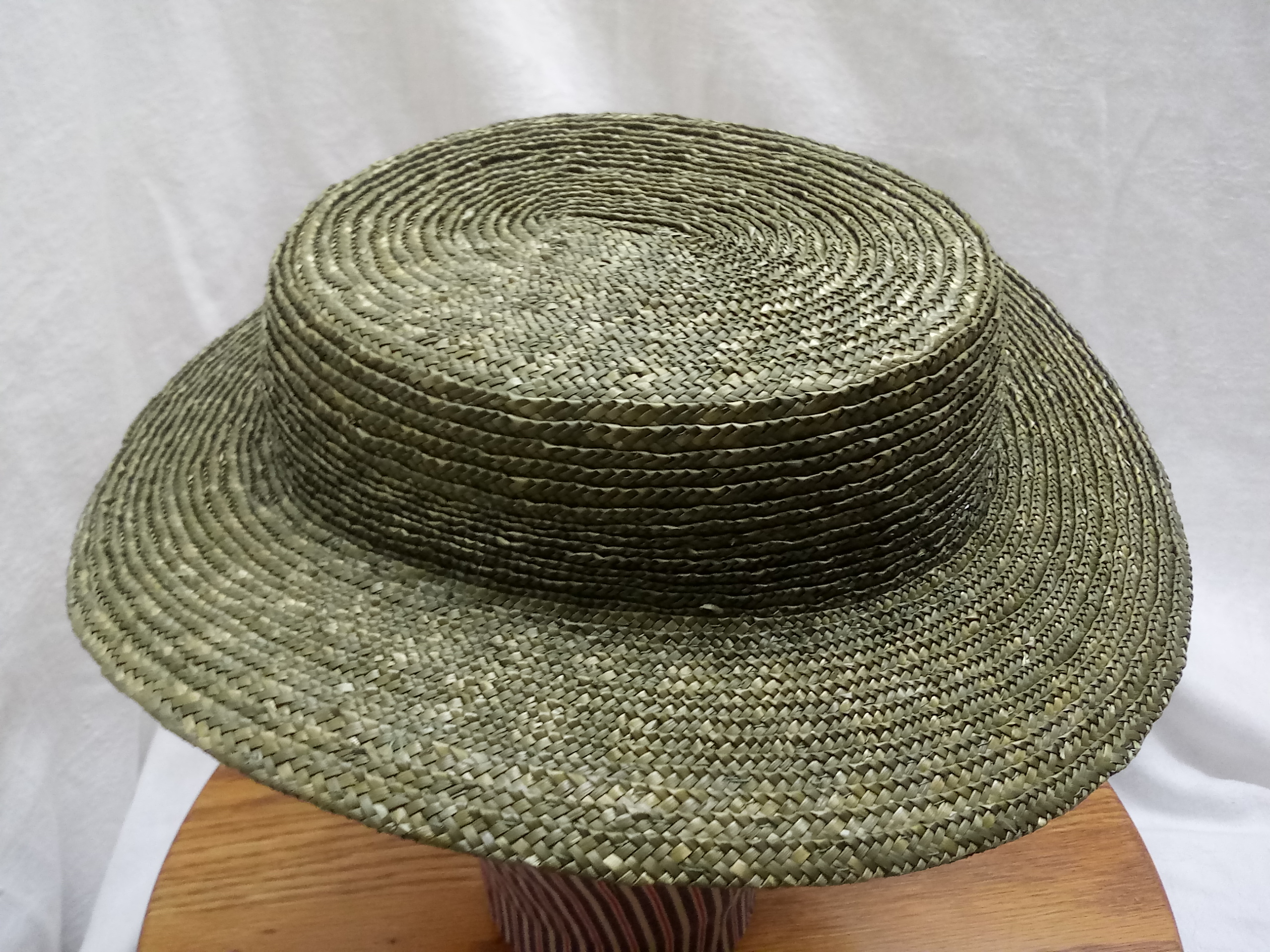
This week’s block is similar to last weeks. It is a tapered crown with a shaped brim. This crown is taller than the previous. It rises just over 2.75″ in the front and 2″ on the sides. This crown is also 19″ around. The brim is also shallower, being only 2.5″ deep in the front.


My Story of Straw – Sorta – I needed more tea
Interested in From Field to Fashion? It is available in my Etsy shop.
Want to support my occasional pre-tea blabberings or other posts and videos? Consider becoming a Patron on Patreon.
Millinery Monday – Tapered Crown Hat Block
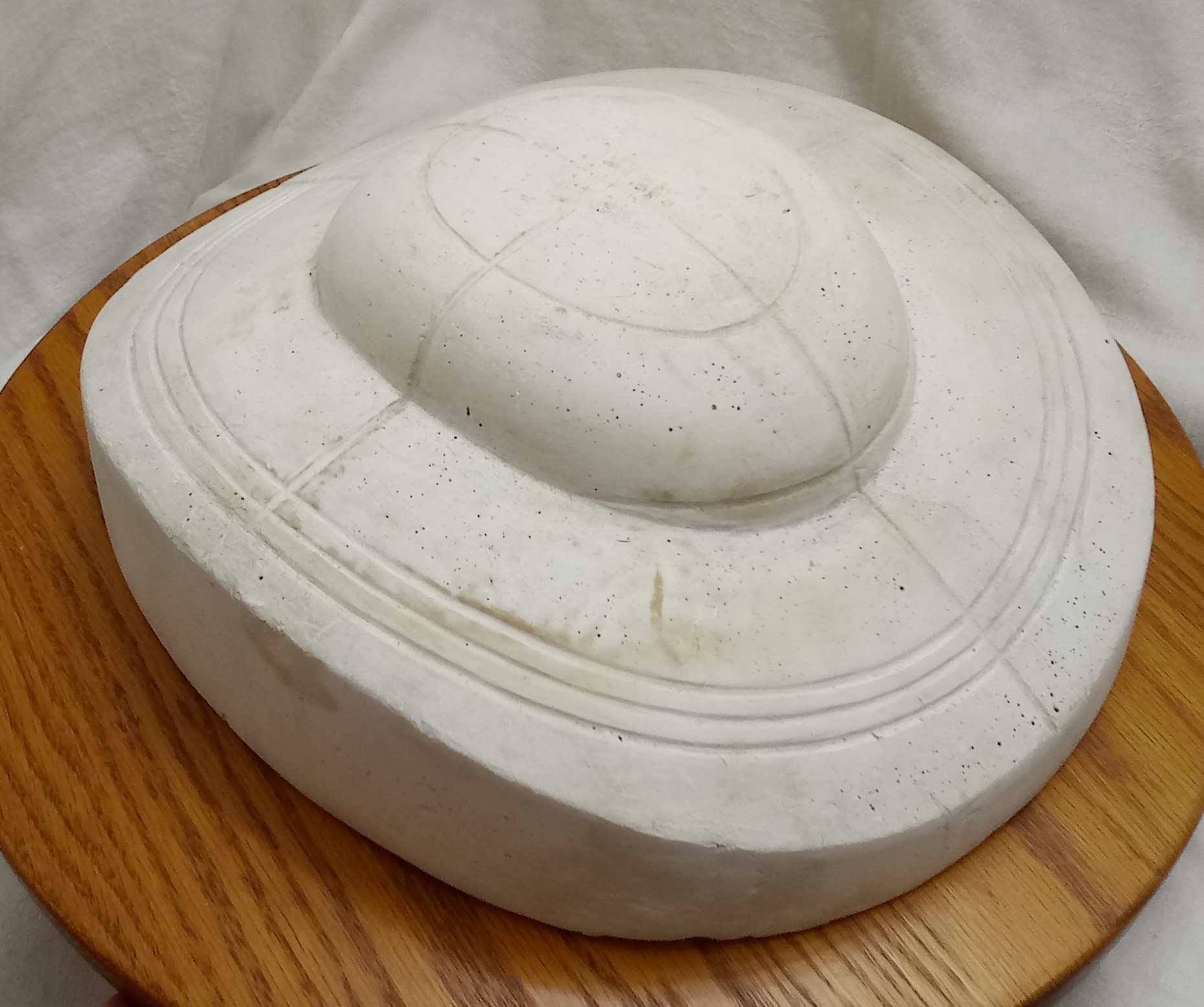
This begins the next segment of Millinery Monday. For the next several weeks, I will focus on original plaster millinery blocks in my collection.
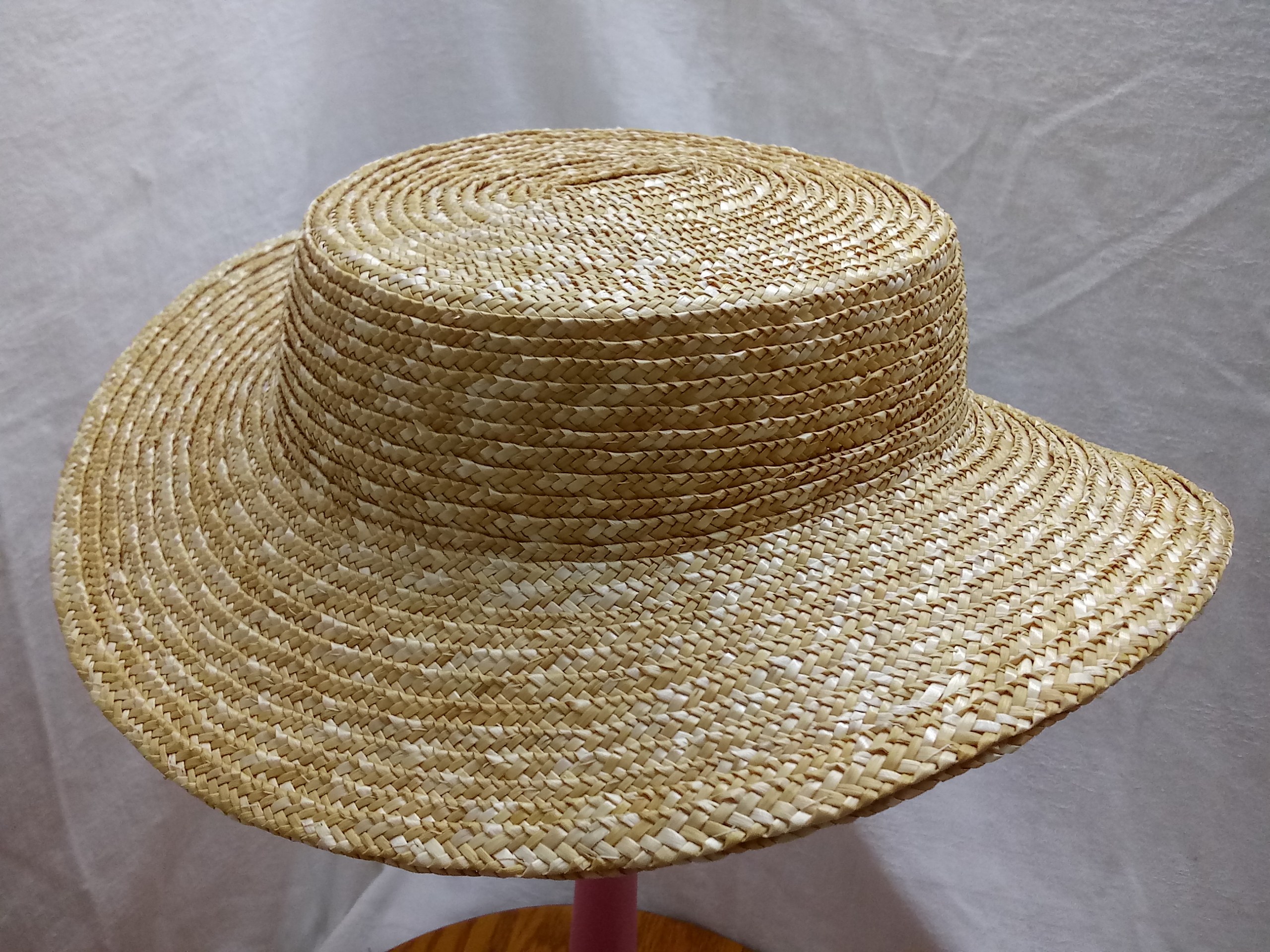
To start off, this block is a tapered crown with a shaped brim. This block may have originated from the mid 1850s through the 1860s. Notice the crown is shallow. It rises 1.75″ in the front and 1.5″ on the sides. This crown is 19 inches around, meant to be worn high on the head as with most fashion hats of the era. The brim is only deep enough to cast some shadow on the eyes, but not shade the whole face.


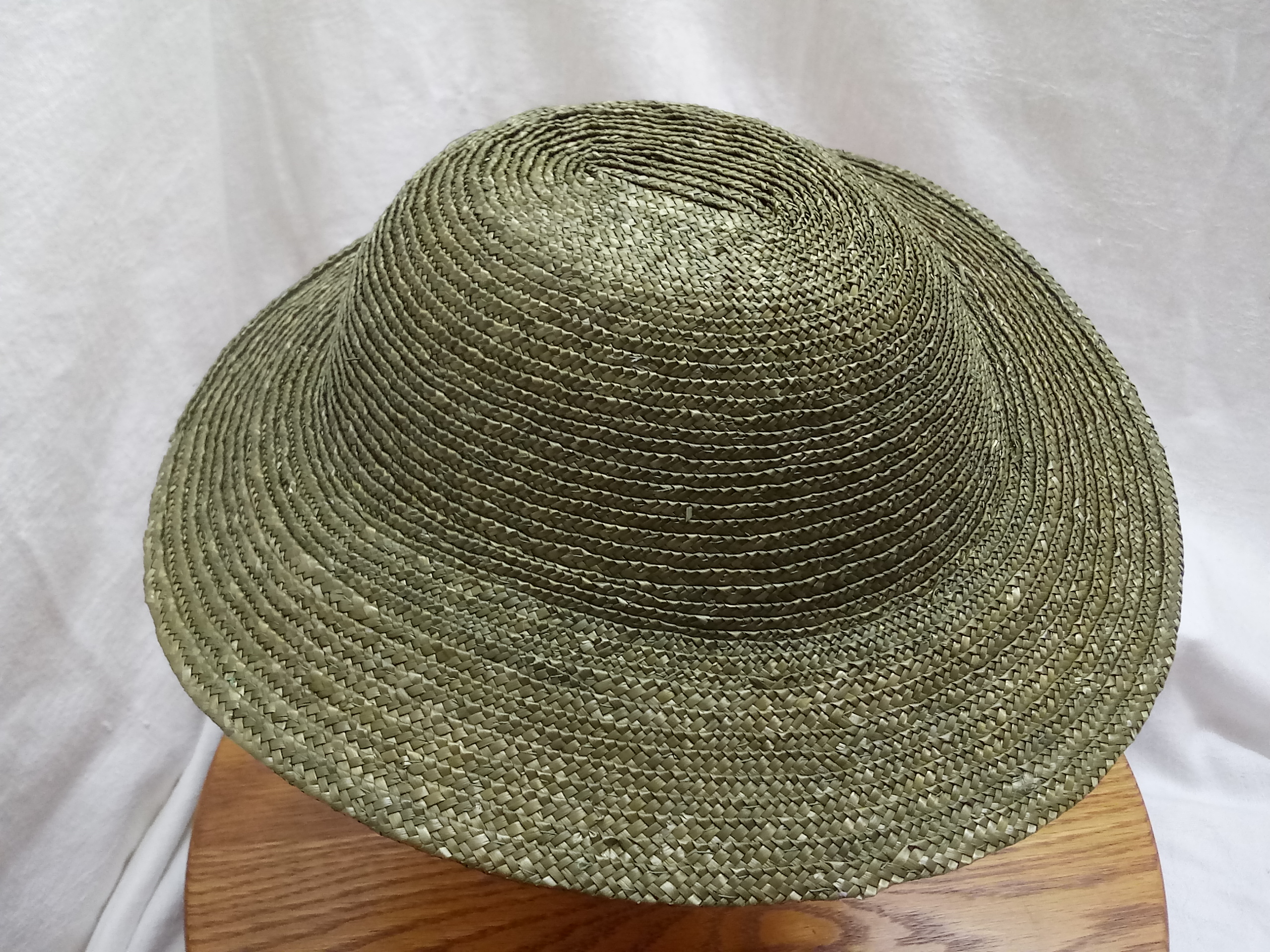
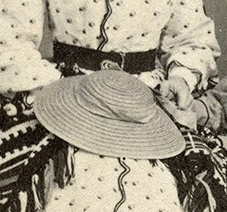
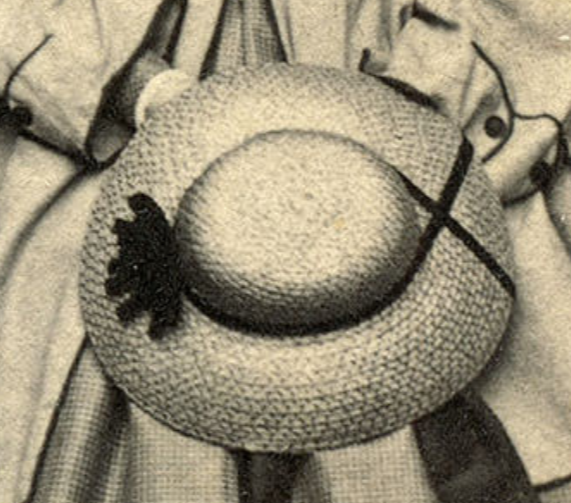
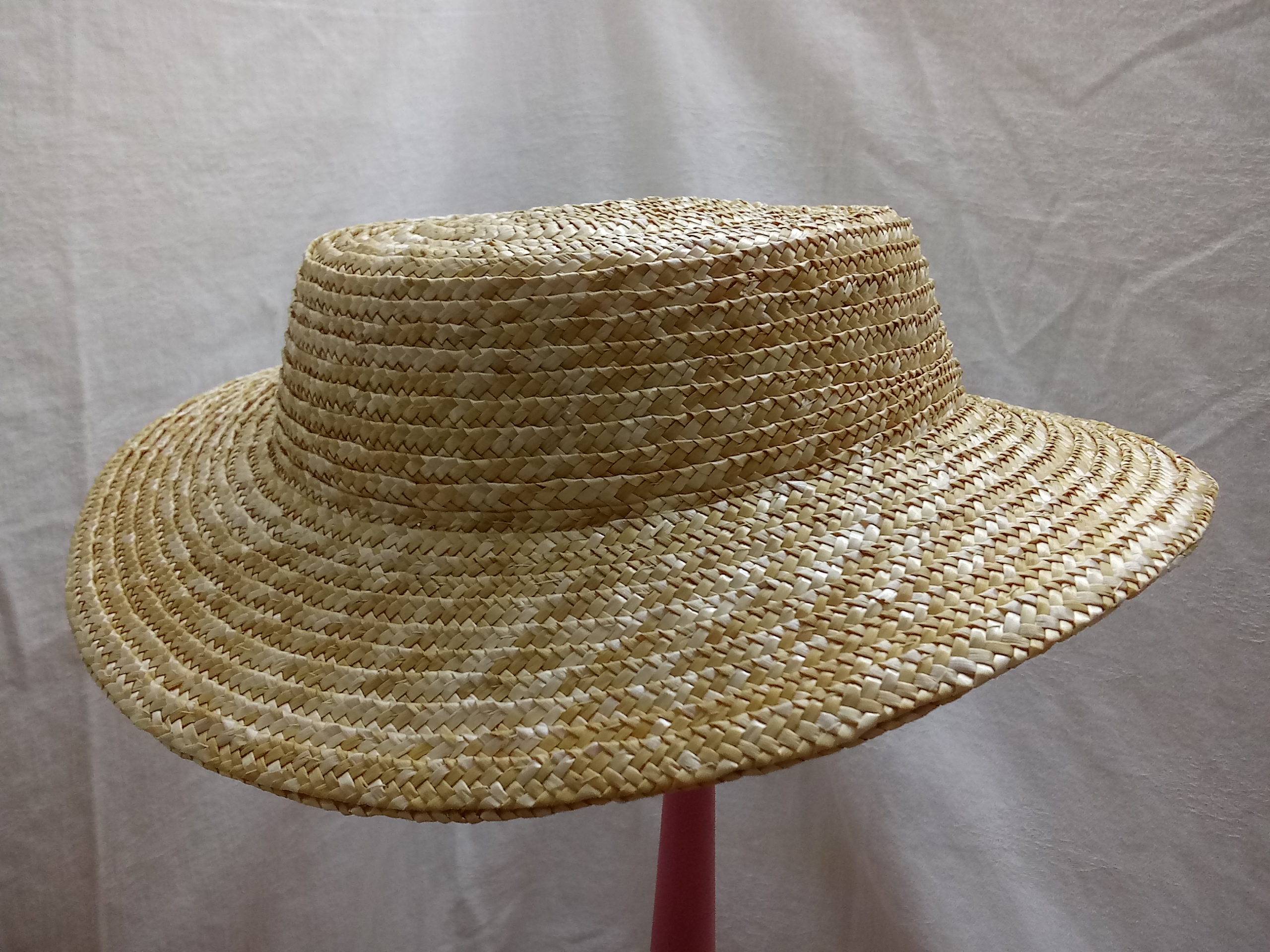
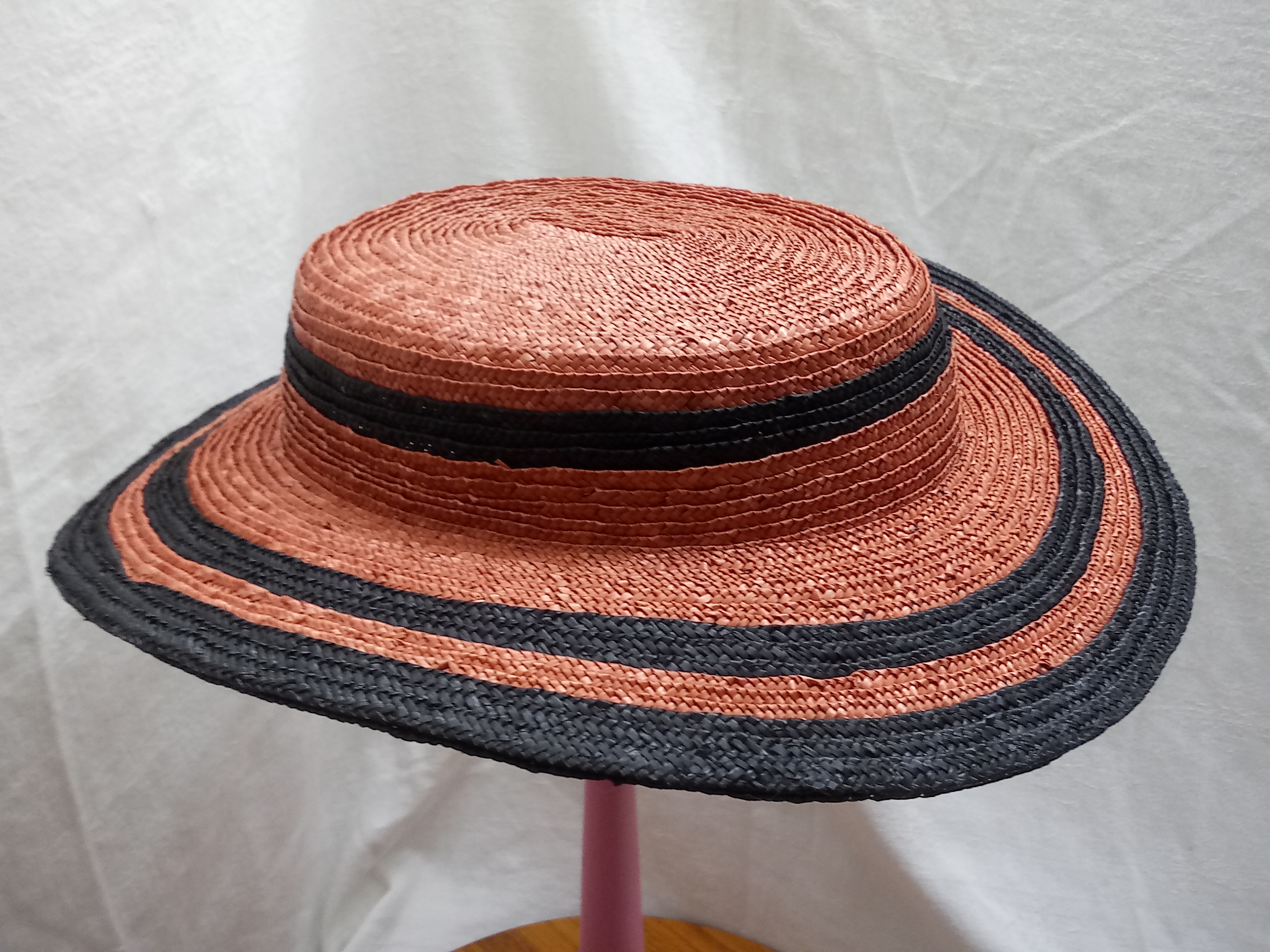
Following are examples of a tapered crown style.


February Reflections
After a blur of a January, February finally felt productive again.
The end of January wrapped up my extended New Year’s e-publications sale. By the end of the sale, over 70 publications sold, many to returning readers. This allowed me to recover from my holiday illness without stressing too much over my budget. Thank you.
February began the official spring season for the year. I filled the shop with some favorite styles and some new ones….
February wraps up the two month long series of winter millinery in Millinery Monday’s post. Be sure to check those out if you missed them. March will begin a look at the plaster millinery blocks in my collection.
Whimsy Wednesday continues with weekly chats and occasional projects. This past two weeks we made a woven ribbon pin cushion.
Projects: I have several projects rolling around in my head, enough to actually make a list:
● Delayed: Wadded Hood Pattern
● Urgent: The annual numbers thing
● Historic: 1830s stays (Redthreaded pattern tweaked)
● Historic: Straw sewing appropriate clothes to go over the above stays.
● Historic: I keep thinking about that rose stripe sheer
●
● Functional: Tall necked millinery head (Must find the wood disks)
● Functional:
●
● Dolls: New Dolls need clothes
● Grape hat, pink roses hat, burgundy roses hat,
● Just for Fun: Pansy pen wiper
●
●
●
●
Where Do I Put My Hat?
Or Bonnet?
I am asked regularly about storing and displaying hats and bonnets at home between events.
I talked about some of the stands and boxes I use for millinery during the Community Cast Day 8. For some reason, I did not include the larger band boxes I use for my personal millinery.
I use fabric heads for most working millinery pieces as they get ready to go to their new homes.
I use far more stands when setting up my millinery display than I do at home. I would love to have a couple dozen original wood stands, but that would be very costly. Instead, I have taken to making my own stands.
This is a sampling of the band boxes I use:


Here is a miniature version of me sewing a bandbox: https://annaworden.wordpress.com/2016/04/08/a-week-of-sewing-cases-4/
Here is a previous post on storing bonnets: https://annaworden.wordpress.com/2015/04/15/how-do-i-store-my-bonnets/
A bit on bonnet baskets that I still haven’t tried: https://annaworden.wordpress.com/2015/04/08/bonnet-baskets/
Millinery 2021
Thank you for considering my work for your next straw or hat. I appreciate your patronage. Even, if you are unable to purchase a piece at this time, I appreciate your support of my work and research.
Straw millinery is simultaneously a fascinating research and interpretation subject, as well as a way to relax and calm my mind.
This year is full of questions and uncertainties for all of us, especially those involved in public programming and education. My millinery goal is to meet the needs of interpreters, costumer, et al. as best as possible while maintaining accurate construction and exploring new, period techniques. As for the latter, I have some plans up my sleeve.
“How Do I Buy a Hat or Bonnet?”
I sell all of my straw millinery through my Etsy shop.
During the school year, I will try to sew and offer at least one new piece each week. I am going to attempt to create a new routine of posting newly finished pieces on Saturday. There will be exceptions such as occasions where I need to be elsewhere on Saturday.
Pieces can sell quickly…. Sometimes that is days…. Sometimes that is hours…. Sometimes that is minutes……
Be The First To Know
The best way to know new millinery is available is to subscribe to this blog.

I post pieces here as I post them on Etsy. To subscribe and receive emails for each new post, look under my photo to the right for the subscribe box that says “enter your email address” and a button that says “Follow My Blog.” If you are on your phone, you will find this at the bottom. Enter your email if you want email notifications. Click “Follow My Blog” if you want WordPress notifications. Yes, you can do both.
Know Your Size
It is a good idea to know what size and style you want ahead of time so you don’t second guess yourself. Take a look at my post on hat sizes and measure your head. Then browse my blog to look at the different styles I offer.
When you see a piece you like, click on the orange Etsy button, also found under my photo, or the link in each description.
About My Millinery

I focus on two types of millinery: straw plait millinery and quilted/wadded winter millinery. All of my straw pieces are hand sewn using historic techniques. I use both original bonnet and hat blocks, as well as hand carved blocks for blocking my pieces. I use two different millinery sizings. While I primarily offer straw forms, I occasionally offer fully decorated pieces. When I do, I use appropriate techniques and as accurate trimmings as possible. Given the likelihood that antique silk ribbons will shatter or fracture, I strongly prefer not to use them in pieces to be worn. I want you to be able to wear your millinery for years.
Please take a moment to visit my yearly Galleries to the right (computers) or below (mobile devices.)
I currently offer:
- 1400-1600s – Researching
- Late 1700 – Starting to look at
- Regency era – Developing additional appropriate styles.
- 1820s-1830s – Dabbling.
- 1840s – Working off an original block.
- 1850s through 1864 – Making a variety of bonnets and hats
- Bustle era – Expanding to new styles using reproduction blocks.

Working with original blocks, I find these bonnets and hats feel “average” to “small” for most modern women. Most of my pieces are average to small. I do try to regularly make average to large pieces as well. Each Etsy listing will have measurements.
- Small is 19.5″- 21″ (for a 21″ to 22″ head)
- Average is from 21″-22.5″ (for a 22″ to 23″ head)
- Large is 23″-23.5″, maybe 24″ (for a 23″ to 24″ head)
Pricing
I do my best to keep millinery pieces as affordable as possible. Please, keep in mind each piece is entirely hand crafted, that I hand sew each row of straw, and I hand select each trim used. With the current cost of straw, necessary materials and shipping, undecorated straw forms will start at $125. Variations in straw, style, and (brim) will influence the price.
Custom Orders
I am currently not taking requests or commissions or orders. I find if I take requests, I am quickly working too many months out. I don’t like keeping people waiting.
I will not do sales outside of Etsy because Etsy is also how I keep track of sales.
Winter Millinery
I offer winter millinery, quilted bonnets and wadded hoods, seasonally. This usually is from November through January.