Falling into Fall

It is that transitional time of year for me, when “summer” becomes “fall” with the onset of “back to school.” I would be lieing if I did not say I am sad to say goodbye to summer.

A Digression – I know summer continues for another month for most people. I currently mark summer as the end of school through the beginning of school. Once upon a time, I counted summer as the May through August portion of the museum season. It is complicated and more a mental state than a seasonal state. My fall events don’t actually start for another month. Hmmm, maybe I should rename this limbo period of not quite summer and not quite fall: fammer or summal.

This coming fall is speckled with a nice balance of time travel and classes. Let’s see if I can talk about these in order……

Agricultural Society Fair

This year, I am treating my Ag Fair entries as a culminative of the season, opting to display the main projects of this year, both those made during each of the events and some behind the scene. This will give regular visitors a chance to see the pieces they saw me working on when they visited. I also have a fun something up Mt sleeve.

Holiday Tree Class

I will be teaching a modern crafty sewing class at Chestnut Bay in October. This cute holiday tree evolved from June’s strawberry class.

Preparing For Winter

Funny how I hate winter but love this event. While I do like the layers used in the era for staying warm in the winter, what makes this event for me is the visitors. — November 19th

Holiday Open House

Last year, while working on the bon bon boy, visitors asked for a peppermint doll. This year, I plan to meet their request. The doll head is waiting, body cut out, and dress fabric ordered…..

Published in: on August 23, 2022 at 12:05 am  Leave a Comment  

Summer Reflections

This was a summer filled with time travel. Personally, this summer was the most I felt like me in a long time. (I know summer continues for another month for most. But, I return to school/work tomorrow bringing my summer to an end. This, this post and it’s mate for “fall”.)

Events

The vast majority of early summer was spent fluttering about the nineteen century from event to event.

Pre-summer began with dressing Theo, thus named by visitors, in a dress made from one of the reproduction kerchiefs based on the Green collection.
Tools of the Trade for weekend of the Antique Show. It was nice to see this display/demonstration concept come together for the first time. I toyed with it through the winter. I look forward to further developing it.
Independence Day Celebration – I was rather amused to not only have my photo taken, but to end up on TV.
Bon Bon Baskets for Chocolate Weekend – I was delighted with how well this went over with visitors.
Women’s Employments at the Civil War Living History Weekend – I entered this weekend in an emotional, stressed state. The company of my assistants and excellent questions from visitors turned my mood around.
A Novel Weekend: Sir Arthur Conan Doyle – I attended this event as a visitor. I enjoyed seeing visitors actively engaged with the weekend’s program.

Me

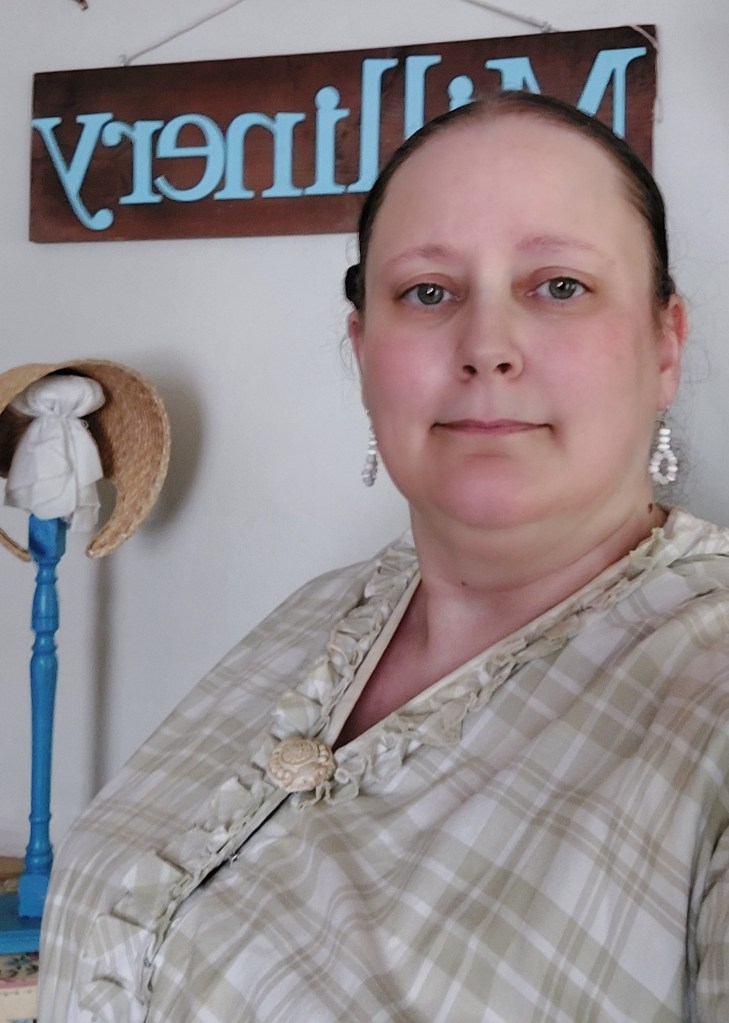
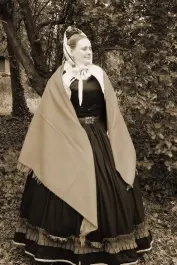
I managed to successfully remember to grab quick selfies most days in dress. This is progress considering I usually forget. Future goal: full dress photos at each event.

Millinery

I usually like to report a total number of millinery pieces made…. I am not quite sure what the full count is. I think 🤔 for July and August I made 28 straw millinery pieces plus 2 special project pieces, 3 bon bon baskets, and an assortment of miniature straw pieces for the holiday season.

New Acquisitions

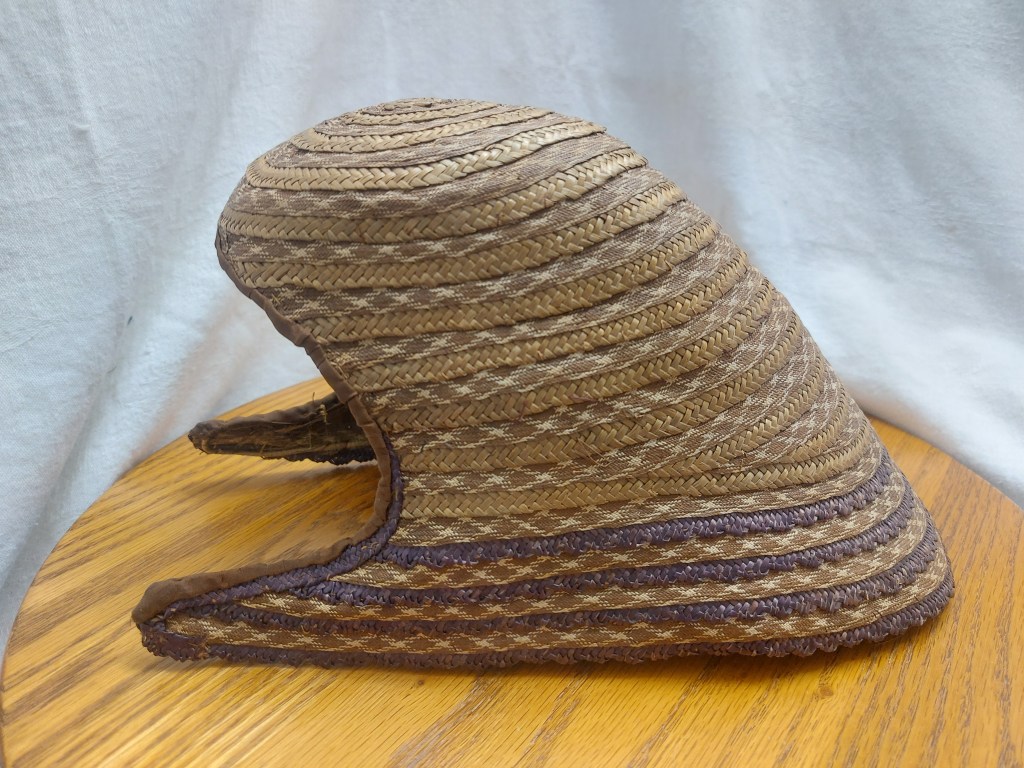
Each time I look at the photos of this bonnet, I pause because I still can’t believe it is mine. It is currently boxed away in the collections closet. This bonnet has nudged my goal of proper archival boxes further up the list. Ideally, I could make the right size boxes for each bonnet with custom supports for the bonnet inside.

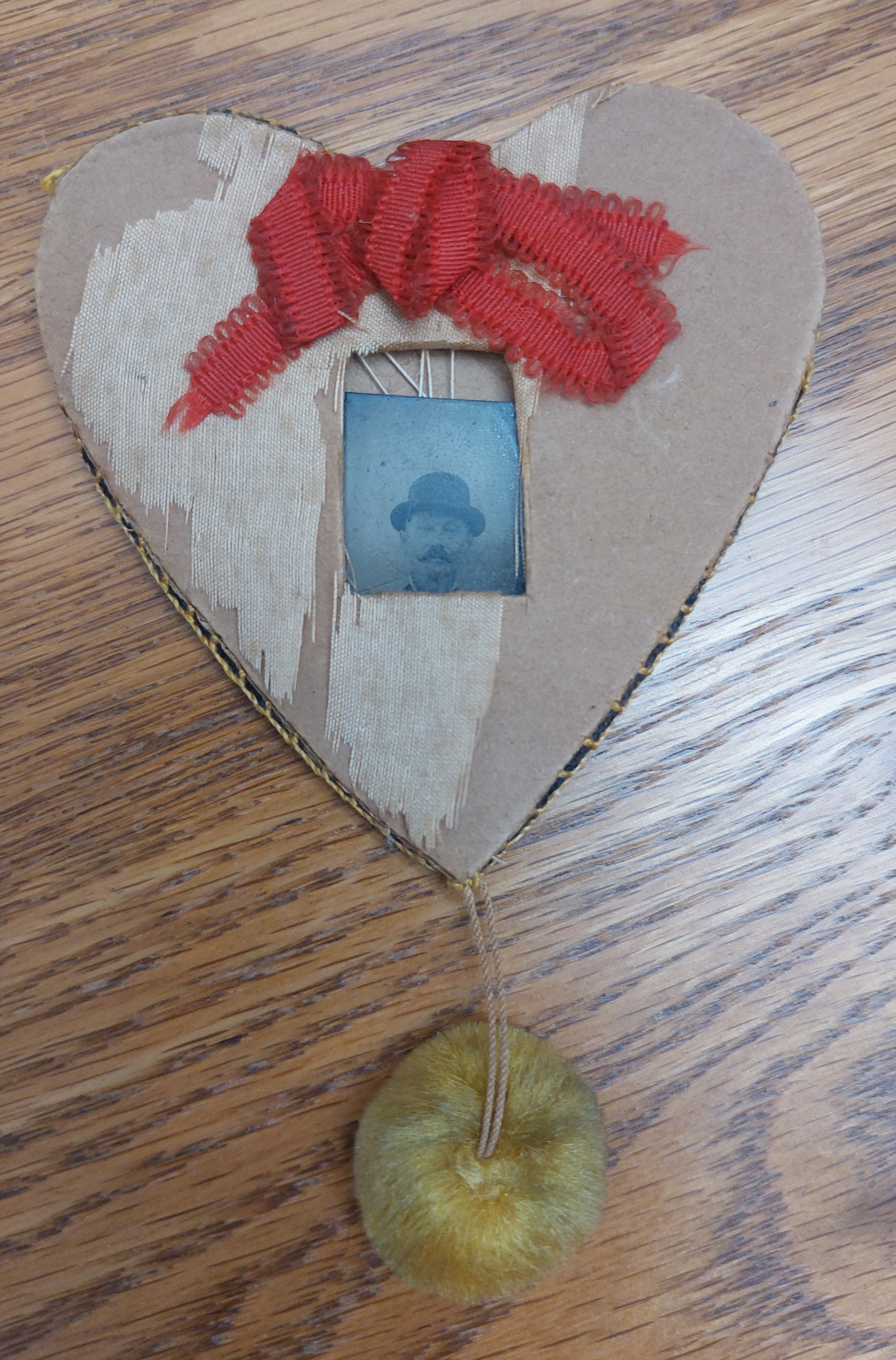
I’m still surprised I saw this little fancy work frame as it was tucked in a basket in an over stuffed antique shop in transition. (Hmmm, I should get back there to see how it is evolving. )

Research

I started a section of my millinery research that I’ve been wanting to do for quite a while. I am looking into the local milliners of the nineteenthcentury, starting with the milliners in Livingston County through the census records. I hope to develop a picture of most of the milliners of the mid century. This started with identifying them in the census and outlining each of their households. Next will be exploring local advertisements in newspapers to see if the shops they worked in can be identified and matched with milliners.

Published in: on August 22, 2022 at 10:44 am  Comments (1)  

Millinery Monday

Published in: on August 22, 2022 at 6:04 am  Leave a Comment  

Millinery Monday

Published in: on August 15, 2022 at 6:05 am  Leave a Comment  

Exclusive Content on Patreon

Remember, if you signed up to support me on Patreon you have access to exclusive content and behind the scenes In Detail posts.

https://www.patreon.com/AMillinersWhimsy

Published in: on August 9, 2022 at 8:02 pm  Leave a Comment  

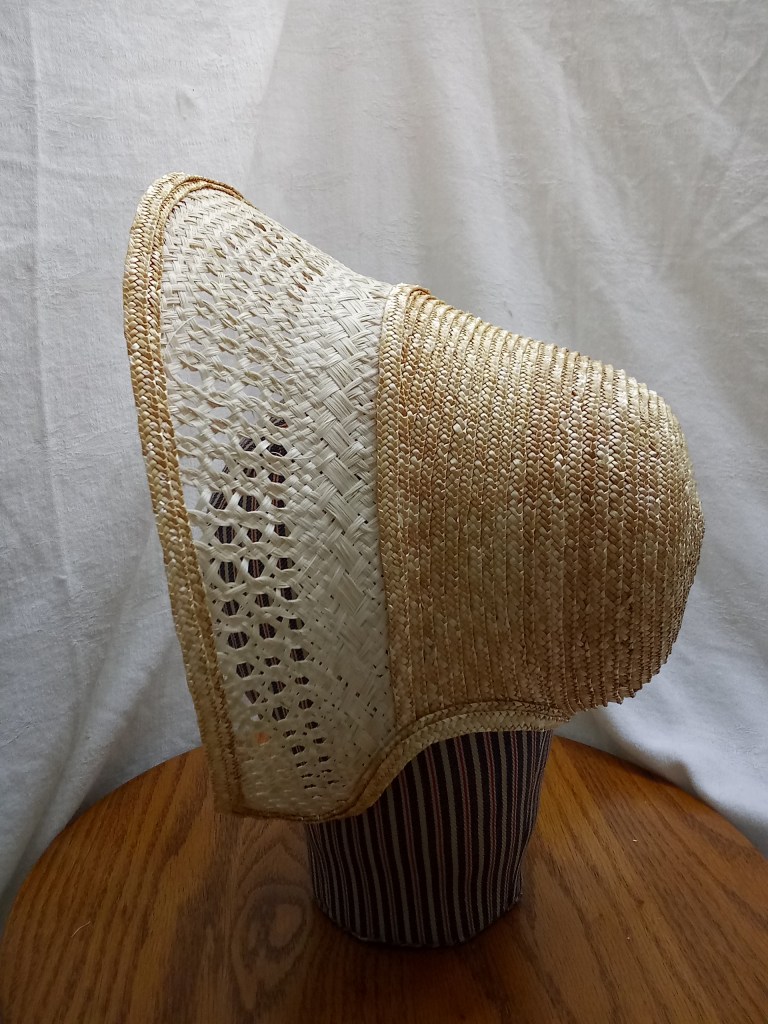
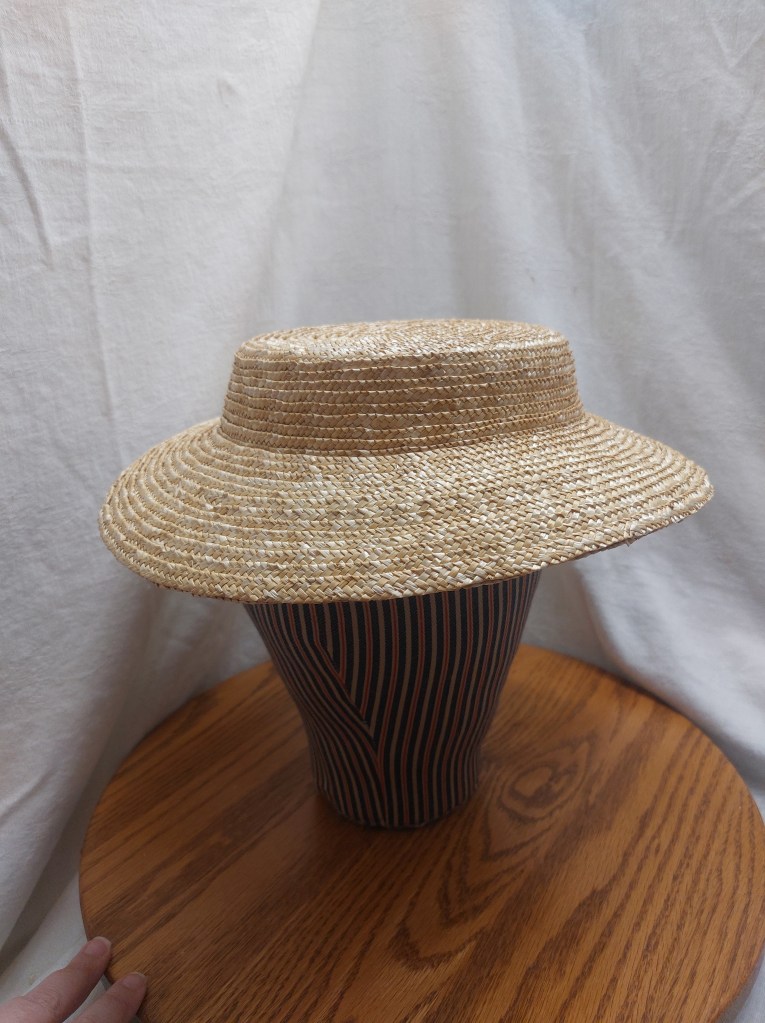
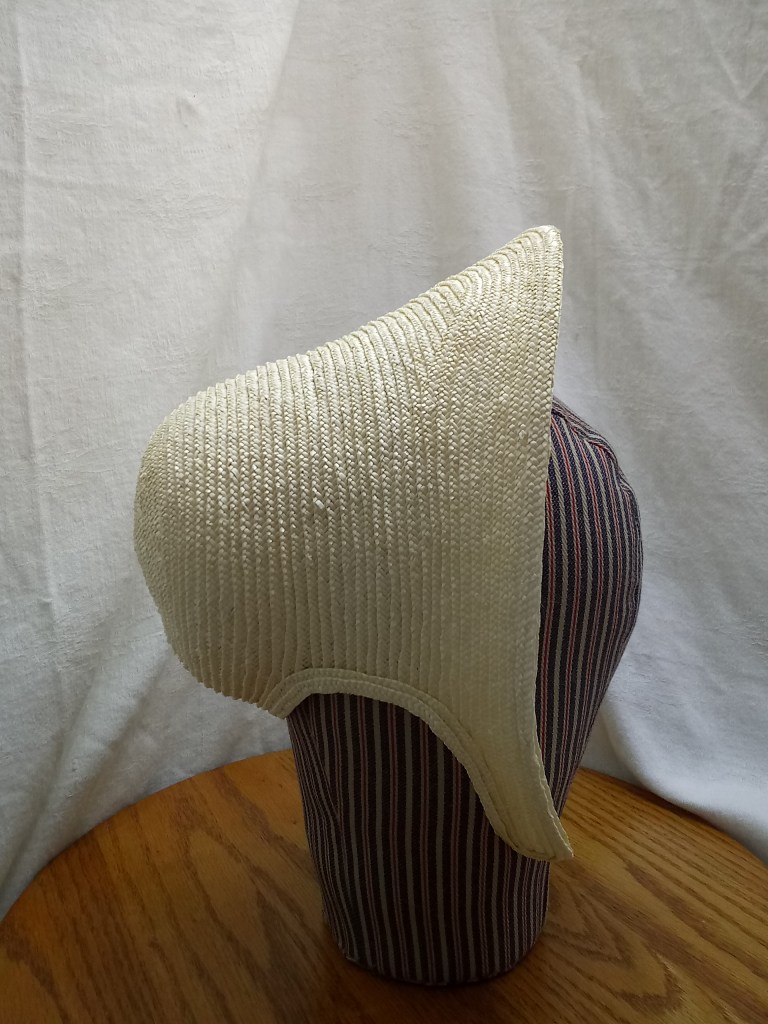
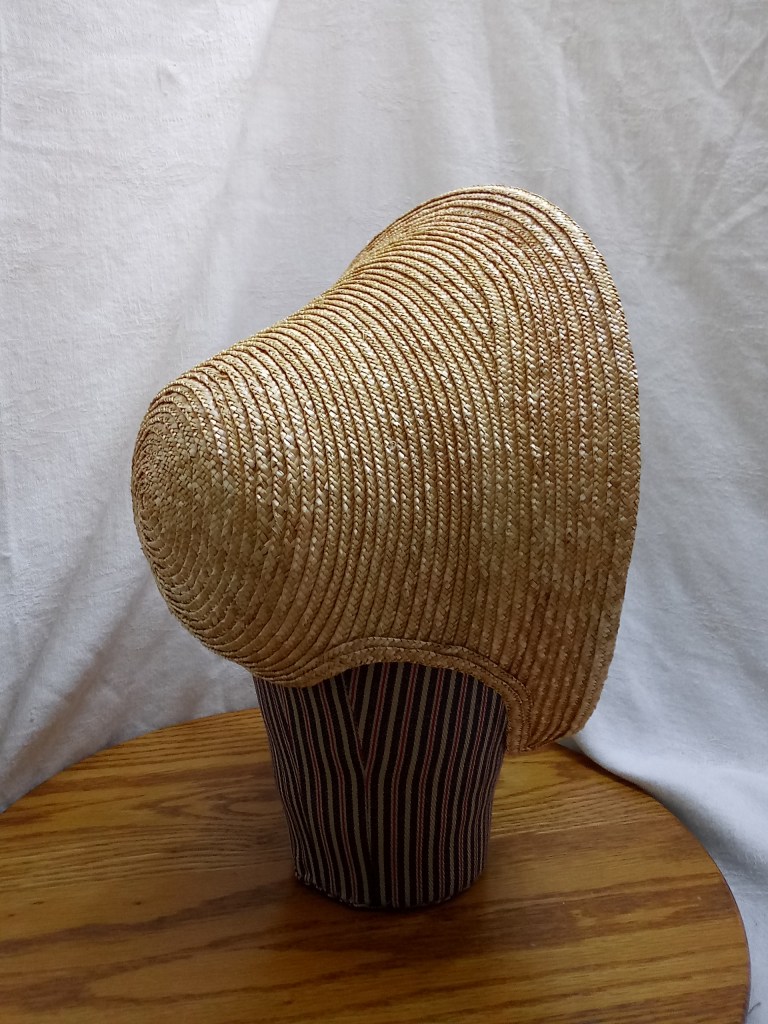
Millinery Monday

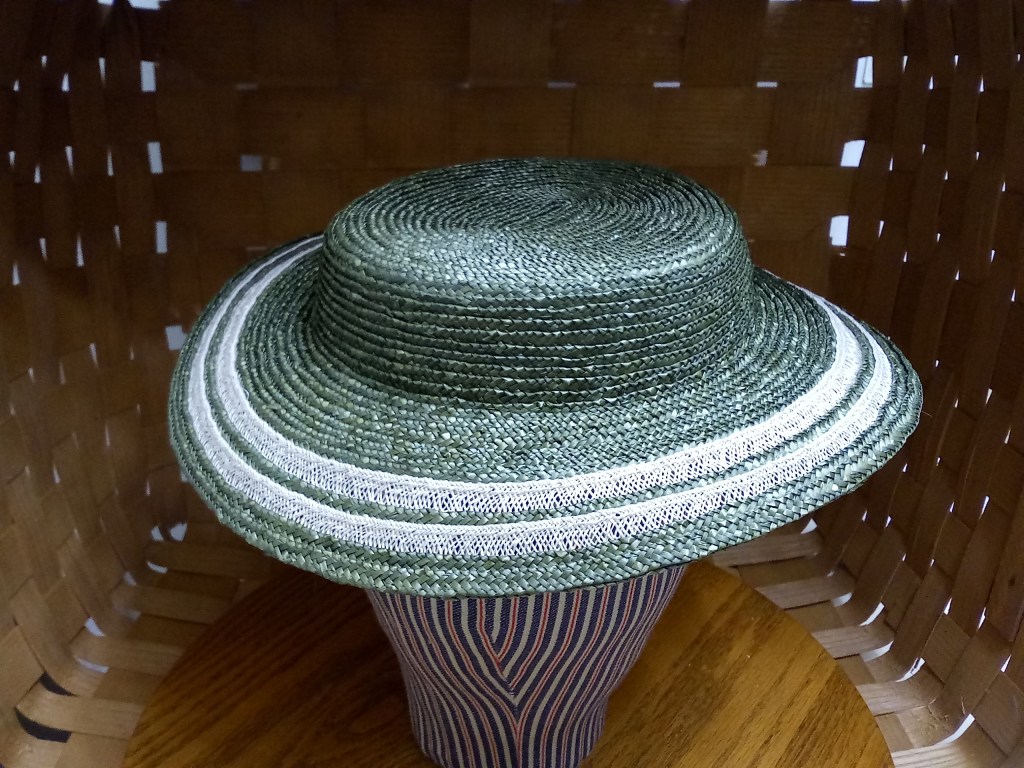
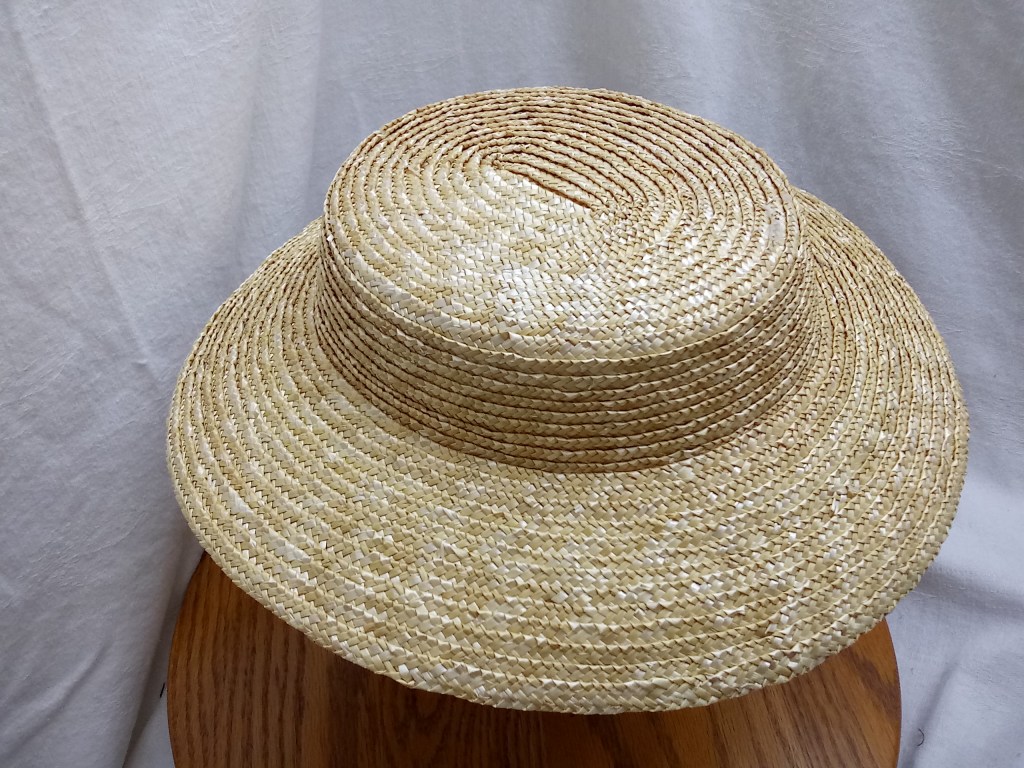
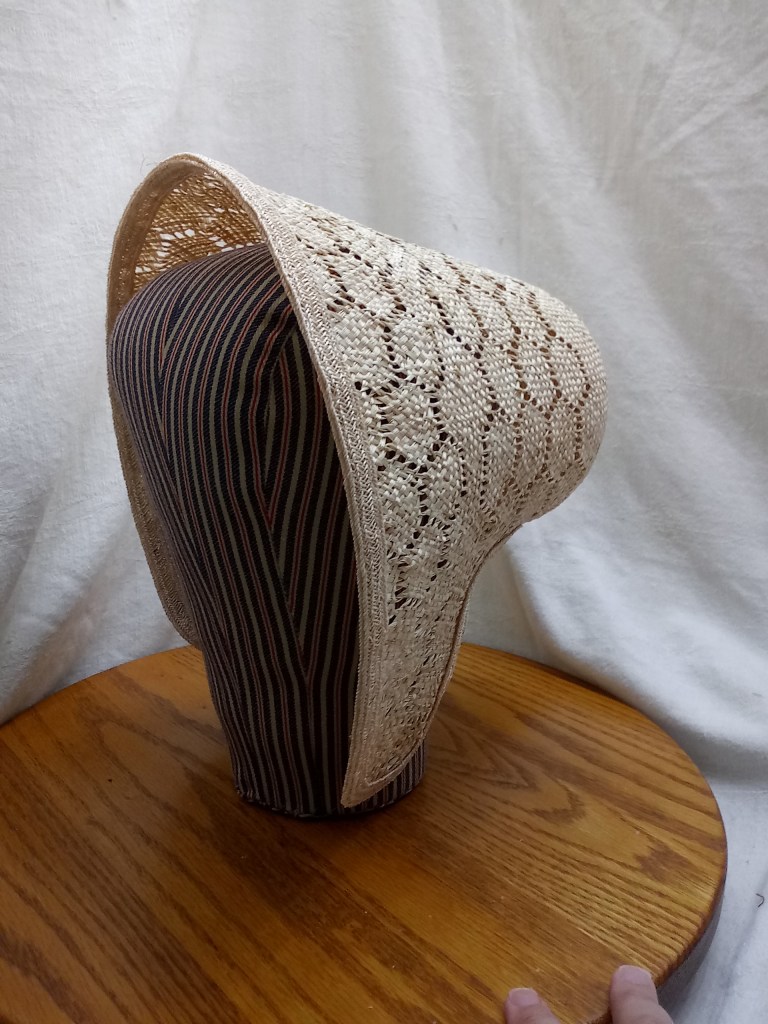
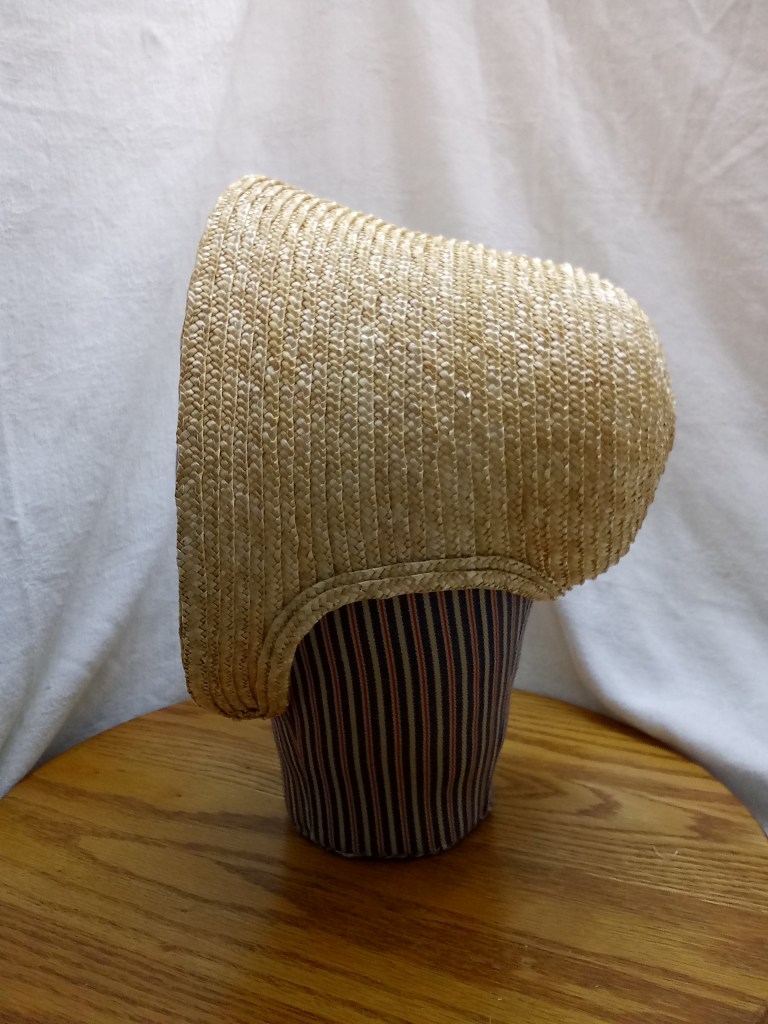
I anticipate the weeks transitioning back to school will be accompanied by a scattered brain. With that in mind, I am pre scheduling images for the next several Millinery Mondays. I will write posts when I can.

Published in: on August 8, 2022 at 6:05 am  Comments (1)  

Summer Series – How Long Did A Straw Bonnet Last?

Two weekends ago, I heard several questions about the life of a straw bonnet or hat. Some asked how long one would last. Others asked if they could be remade. These questions wander down a delightful path.

I already addressed the durability of straw in a previous post. Read

While some women could afford to purchase multiple bonnets a year, some women needed their bonnet to last several seasons or even years. Other women were just sensible and/or even crafty.

Straw is a forgiving material allowing old thread holes and markings to disappear fairly well. This meant a straw bonnet or hat could be redecorated from season to season or as the need arised. This could be the floral trims, the ribbons, or the entirety giving it a new bavolet, frill, and trims resulting in a “new” bonnet.

As the shapes of bonnets changed from season to season, the shape of a bonnet could fall out of fashion. Many straw goods merchants offered blocking services. This enabled a straw form to be blocked, or reblocked, to better reflect the newer style. While this would have been more difficult proceeding through the 1850s as the brim rose in height, the changes from the 1840s into the 1850s, then the 1850s into the first half of 1860s as bonnet size shrinking were managable.

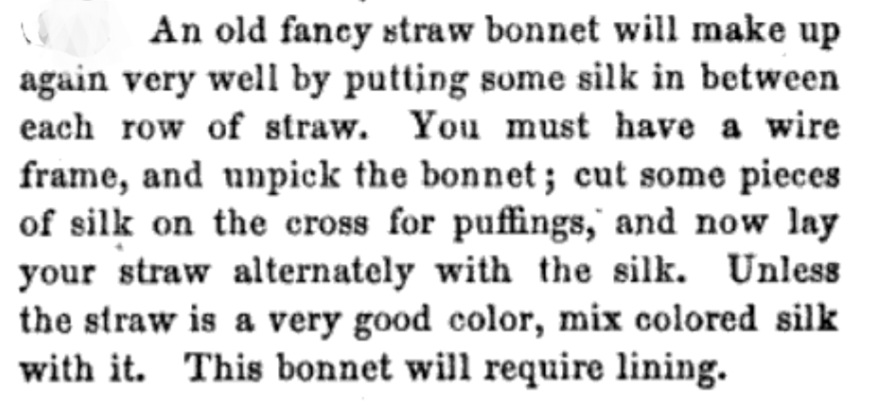
Women with skill could rework a straw bonnet or hat at home. Early in my millinery adventure, I came across a this Godey’s 1856 passage describing how to pick apart a bonnet and resew it alternating straw rows with strips of silk.


Do you enjoy reading my blog? Do you find it helpful? Please consider supporting through Patreon or  Sending a Tip.

Published in: on August 1, 2022 at 6:05 am  Leave a Comment  

Summer Series – Were Milliners only Single Women?

Actually, the question is usually “Only single women could be milliners. Right?” or “Could milliners be married?”

Many of us were taught married women didn’t work outside of the home or couldn’t work outside of the home for much of the nineteenth century. This is a misconception.

Looking at advertisements, Miss. and Mrs. are used with women’s names. Of course, this could be for public relations purposes.

Looking at census records, milliners have statuses of married and widowed. In 1855 Livingston, New York 47 women’s occupations were recorded as milliner. Of the 47, 7 were married, 5 were widowed, 6 were head of household. 12 were living at home with a parent (listed as daughter to the head of household.) 13 women were living in homes other than their biological family, listed as milliner, assistant, boarder, servant, laborer, and maid.

In New York, prior to March of 1860 a married woman’s wages were legally her husband’s money. In March of that year, a bill went through the legislature and was signed into law giving married women the right to the wages they earned.

A married woman may bargain, sell, assign, and transfer her separate personal property, and carry on any trade or business, and perform any labor or services on her sole and separate
account, and the earnings of any married woman from her trade, business, labor, or services shall be her sole and separate property, and may be used of invested by her in her own name.

The 1860 Act also required a married women to get her husband’s written consent to sell real property but gave ways to do so when a husband was unable to do so. (In New York, married women also retained ownership of businesses owned prior to marriage after the Married Woman’s Property Act or 1848.)


Do you enjoy reading my blog? Do you find it helpful? Please consider supporting through Patreon or  Sending a Tip.
Published in: on July 25, 2022 at 6:05 am  Leave a Comment  

Focusing on Education

For the second year, I was able to focus my millinery interpretation, during GCVM’S Civil War Living History Weekend on women’s employment. Shifting from the “pretty” of millinery to the women and history connected to each part of a piece of millinery allows us to have more indepth, more genuine conversations with visitors.

Before and After

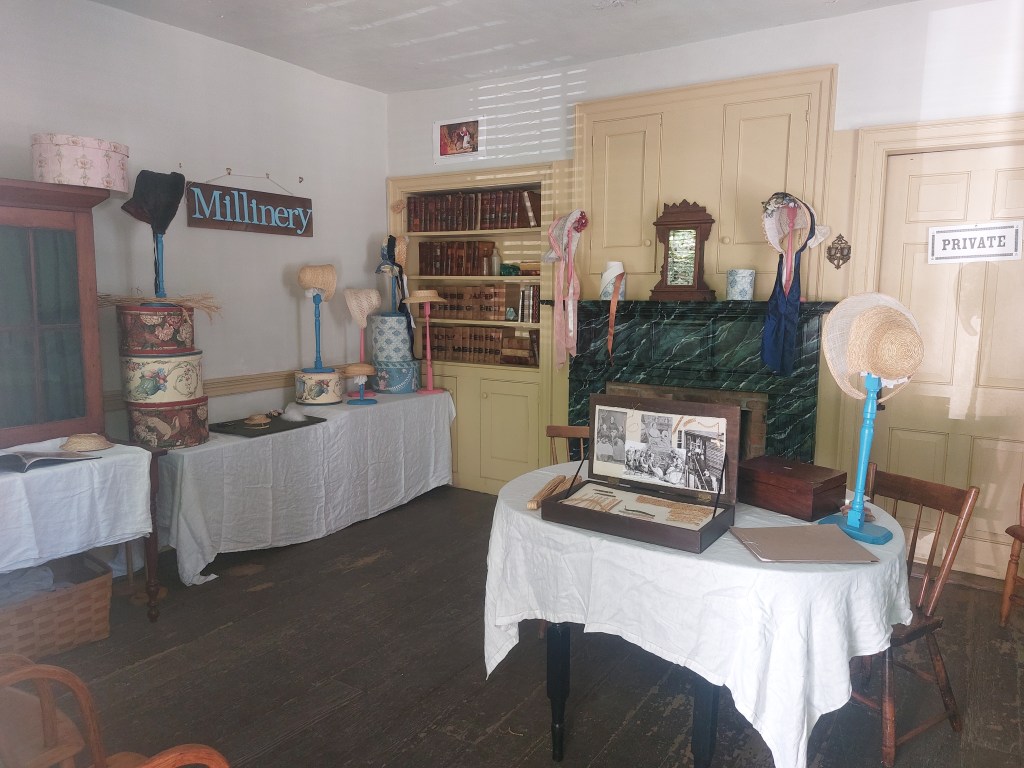
To prepare for the weekend, the Insurance Office needed to be transformed once again into a millinery shop. Here are before and after looks from the doorway.

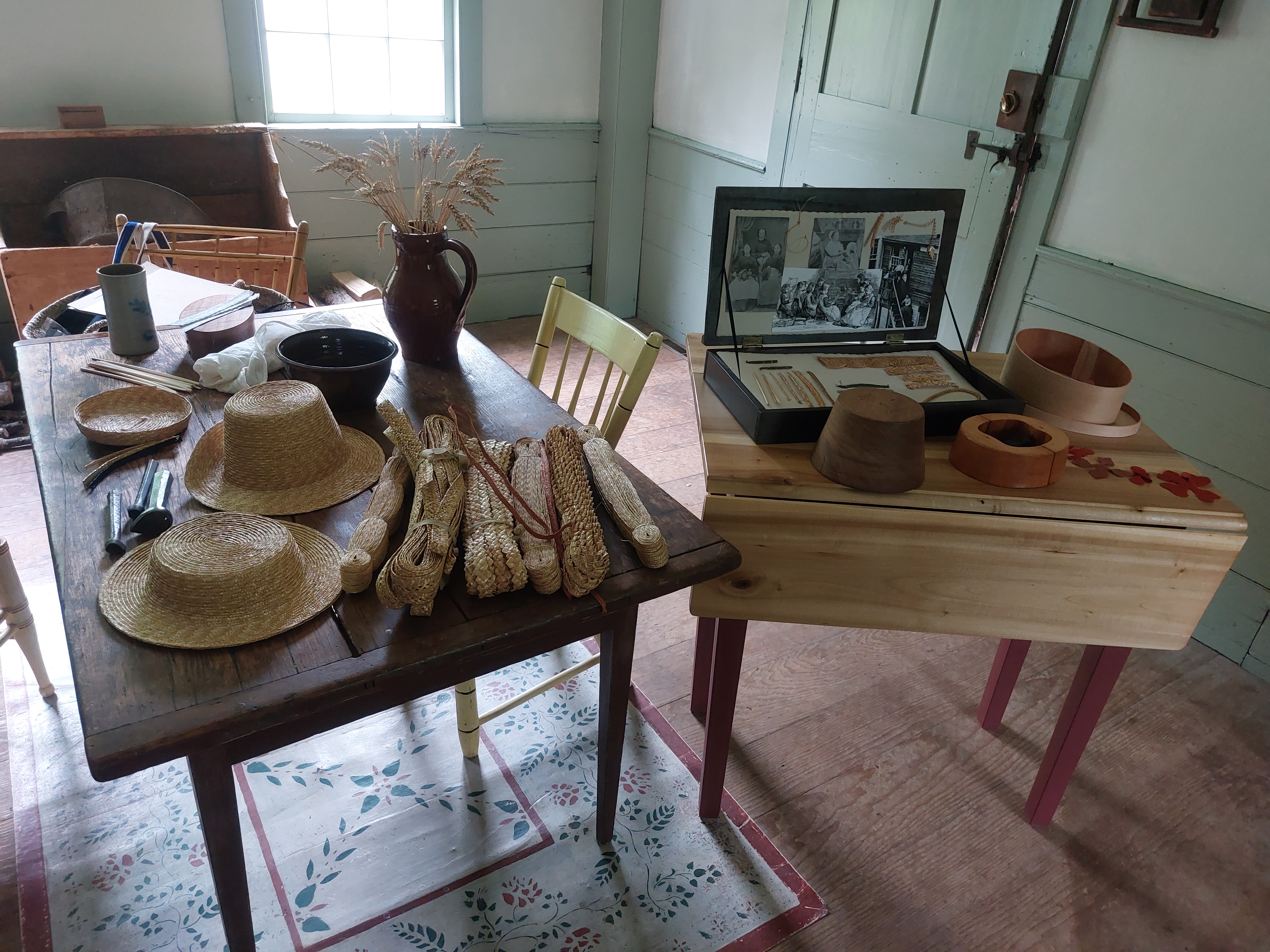
With the focus on education, I brought educational display items in addition to the items for creating the appearance of millinery shop. On the front table is the straw millinery display showing the steps from wheat to straw to plait, with different examples of plait and straw motifs. To the right is a visual resource book filled with illustrations, cdvs, photographs of my millinery blocks, and copies of billheads. Additional reference books are on the shelf beside the mantle. On the side table is a new display board I thought of last minute and plan to develop further. These are touchable items, each representing not only a component in making a hat or bonnet, but also an employment for women or children.

Having resources and visuals available to share with visitors as their questions and our conversations unfolded was extremely helpful. I grabbed the visual resource flip book several times each day to show visitors the illustrations of cottage industry, photos of millinery blocks, and billheads. The copy of Virginia Penny’s Employments of Women was also referenced a few times either to show the multitude of employment opportunities for women or to let a visitor look up a particular job.

This year, visitors came with excellent questions. Some wanted to know how a woman got a job working in a millinery, what kinds of things they did, how much they got paid, and what the work day was like. Some even want to role play in first person. I plan to include some of these questions in coming Millinery Monday posts.

On a Personal Note….

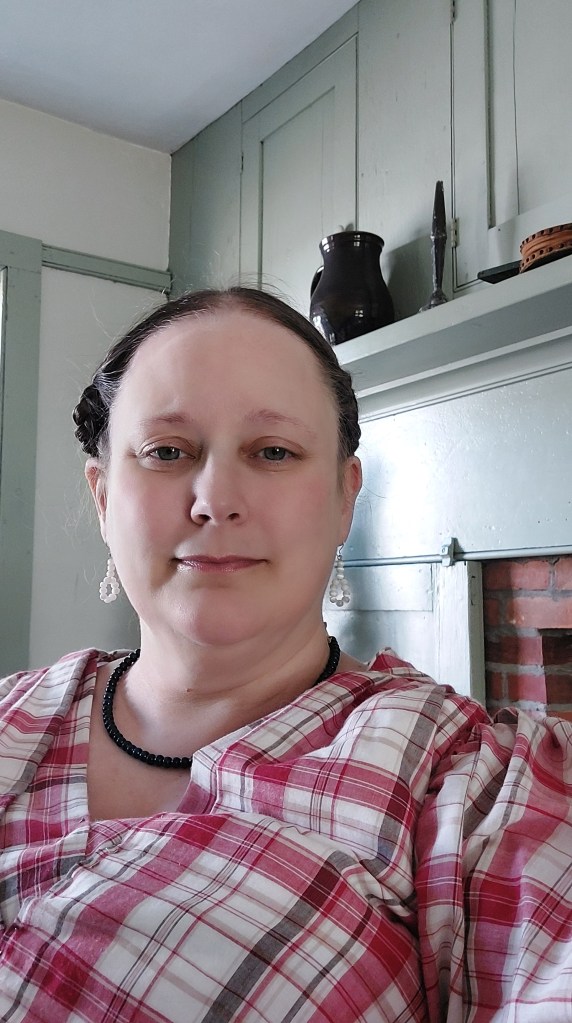
I once again failed to get many photos. I feel good about this trio as it shows I am managing the physical aspects better than I have the past several years. I am not yet as fit as I once was, but hope keep improving.

Published in: on July 24, 2022 at 7:04 pm  Leave a Comment  

Summer Series – Isn’t Straw Delicate?

“Isn’t straw delicate” is one of my favorite questions. It shows a visitor is thinking through what I am working with, imagining the fiber itself, and questioning either what they see or what they think.

Straw as a straw is delicate. It can be snapped or shredded with little effort.

Yet, straw once paired together with other straw can be quite strong.

Straw braided and sewn together can hold its shape well. It can be relatively strong. It can also withstand elements better than other contemporary materials.

One of the great things about straw is it can be forgiving, allowing it to be retrimmed or redecorated a number of times.

One of my favorite straw bonnet stories from the nineteenth century tells of a young woman who has the same bonnet for ten years. She redecorates it yearly…… Cite

Advertisements for millineries and straw goods stores often include bleaching and reblocking of straws in their lists of goods and services. Straw bonnets and hats can be reblocked into their original shape with new sizing (stiffening) or, within reason, be reblocked into a newer shape for a more updated style.

Straw can also be repaired. This can be seen in original bonnets and hats with patches of straw plait.

Clients have shared with me a few survival stories over the years. Most recently, is this hat who had a rough journey to its owner. The box suffered significant damage including the dented in side seen here and the opposite side ripped into. The hat within survived with only some mis-shaping from the trauma.

Another hat took an impromptu flight and dip into the ocean while its wearer was on a leisurely excursion. The boat was able circle around while the hat floated in the water. When it was fished out, the hat needed only to dry before it could be worn again.

Now, this isn’t to say straw millinery is invincible. A straw hat or bonnet is unlikely to survive being sat on or trampled. Straw can also be susceptible to mold or mildew if not properly dried after getting wet or damp. Straw can also become brittle if stored too long in a dry area.


Do you enjoy reading my blog? Do you find it helpful? Please consider supporting through Patreon or  Sending a Tip.

Published in: on July 18, 2022 at 6:05 am  Comments (1)