

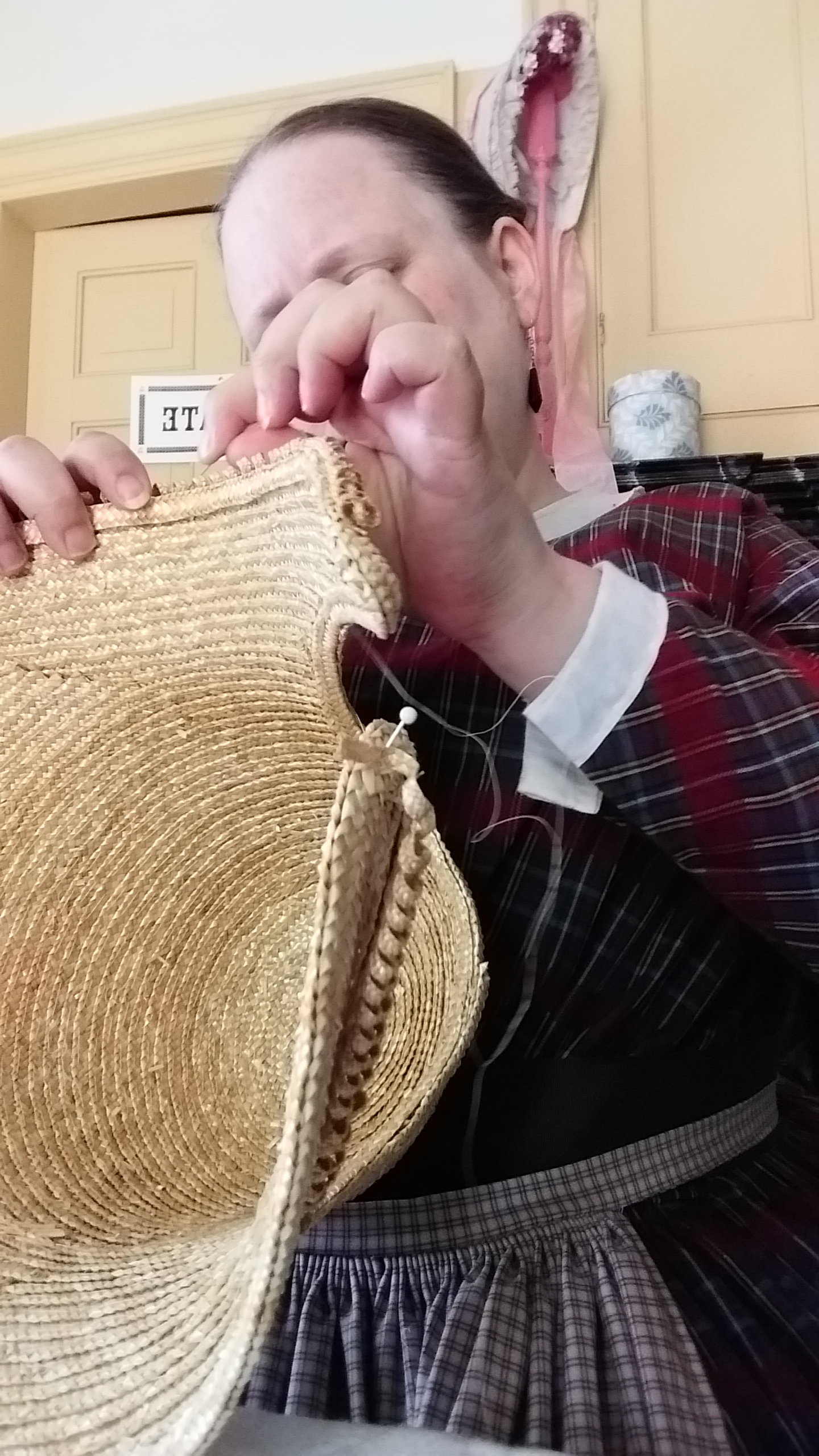

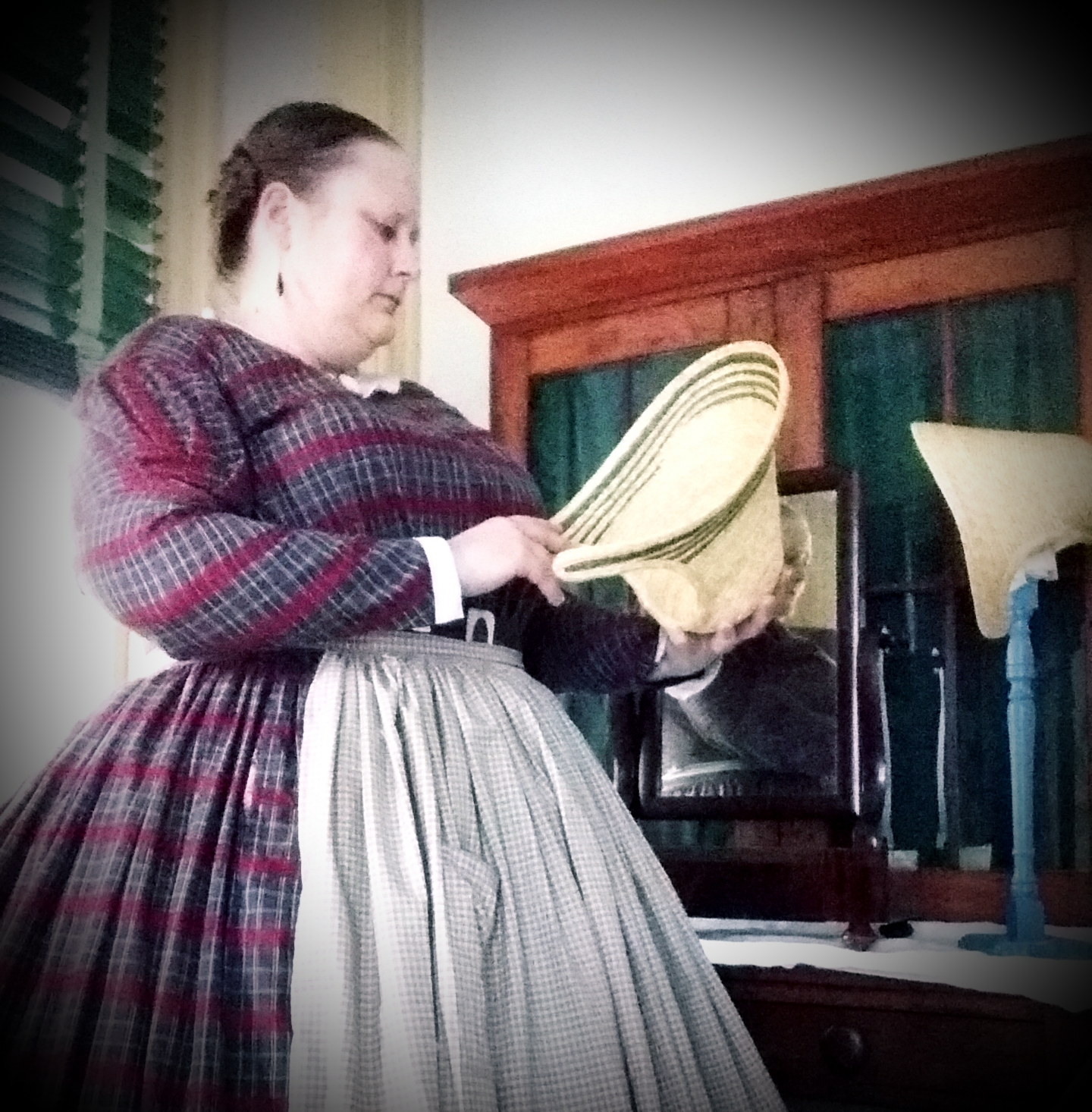
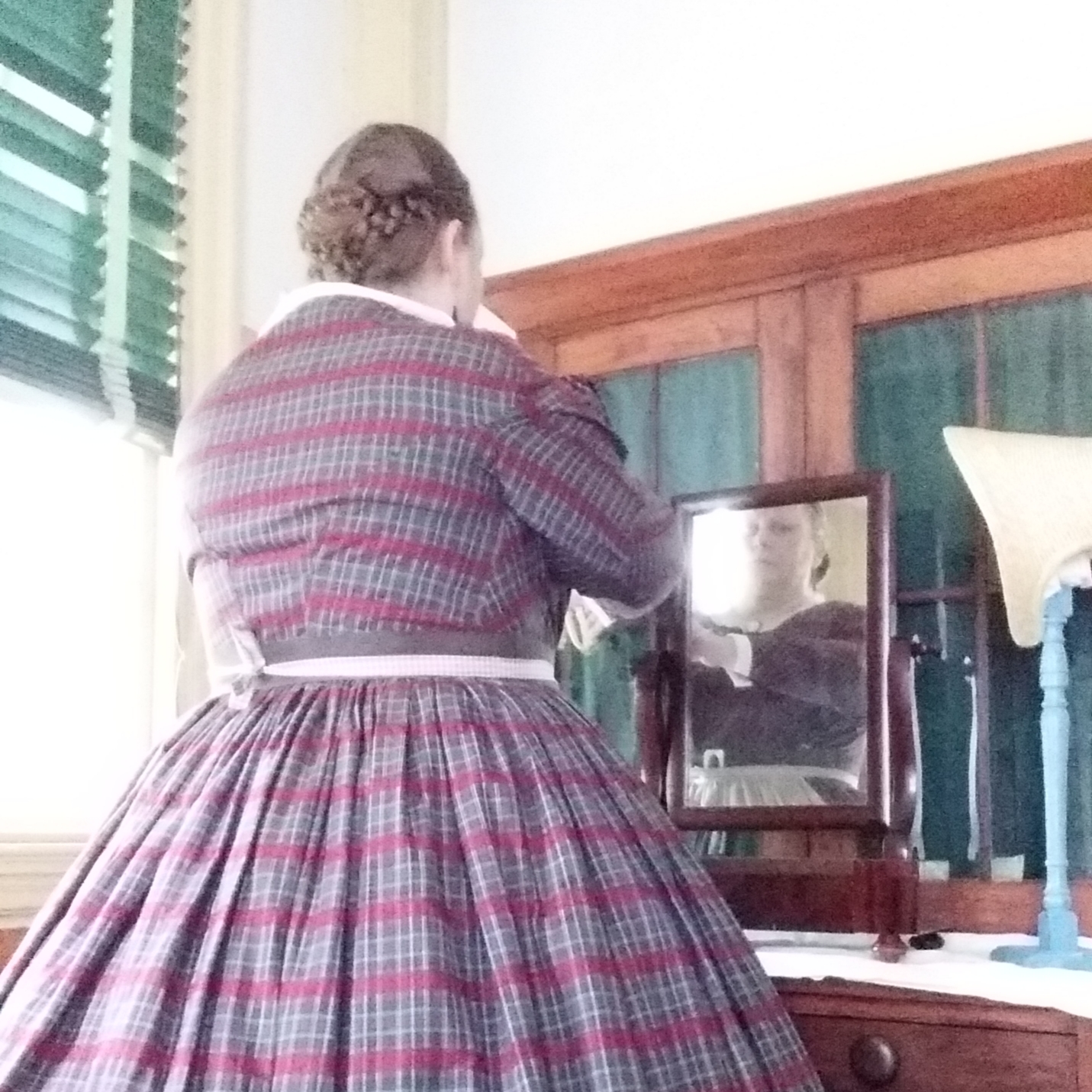

For several years now, I have wanted to take a deeper look at what the millinery industry meant for women. Behind each of the beautiful confections for the head, are an assortment of women; some earning a little extra money, some supporting their families, some exhausting themselves for the spring fashion season.
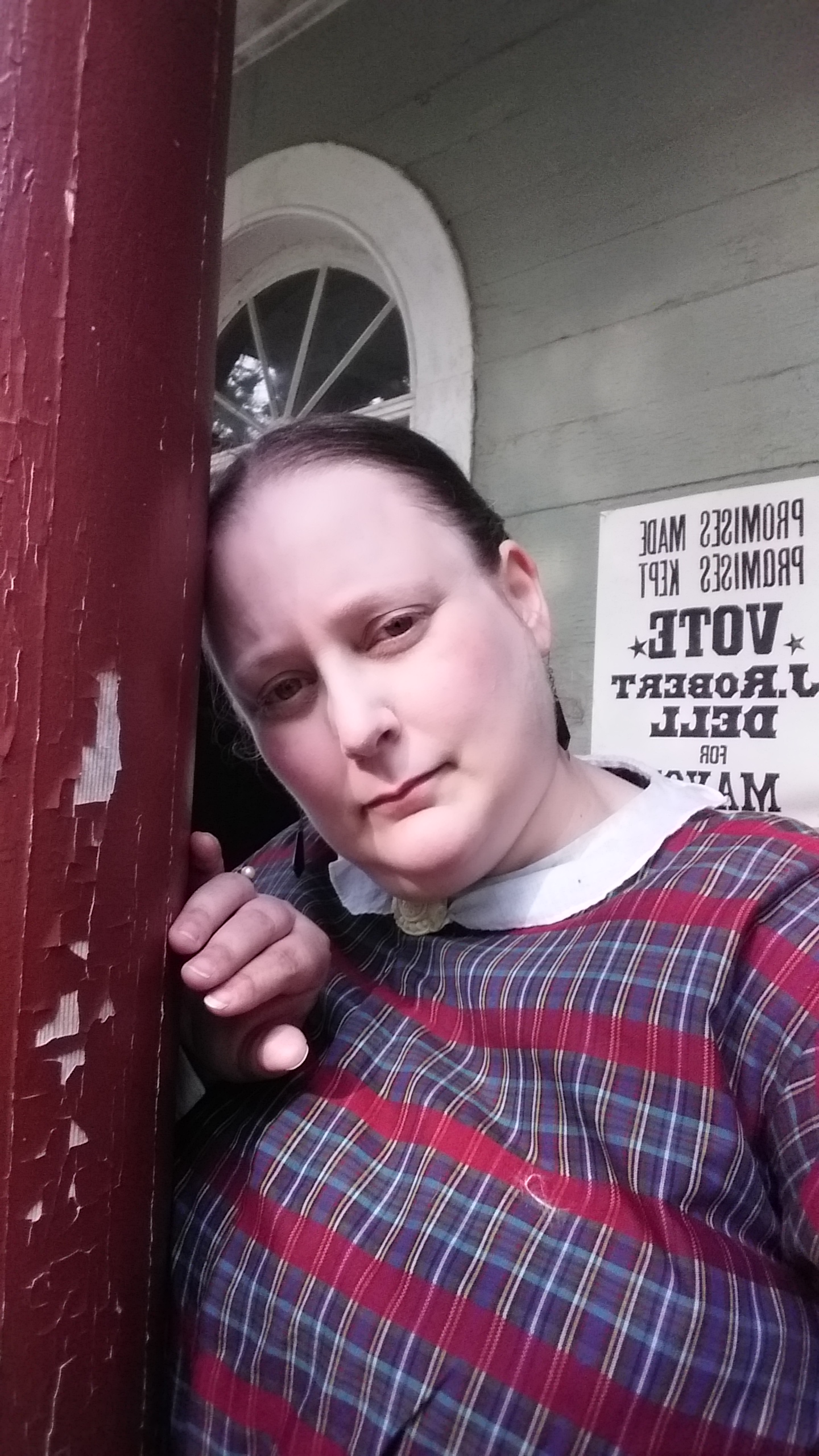
This past weekend, the Genesee Country Village and Museum provided the platform for this approach as their latest event focused on the lives of the women, children, and men of Western New York during the Civil War. This living history format invited visitors to take more time with each of the interpretations and presentations, while interpreters and reenactors were able to get more in depth with their topics. Based on our experiences in the millinery and what I could see from my porch steps on the square, visitors embraced the opportunity.
Today’s video starts with a rainy wet Saturday morning, then takes a look at the two interpretive approaches used with most visitors.
Notes for the Video:
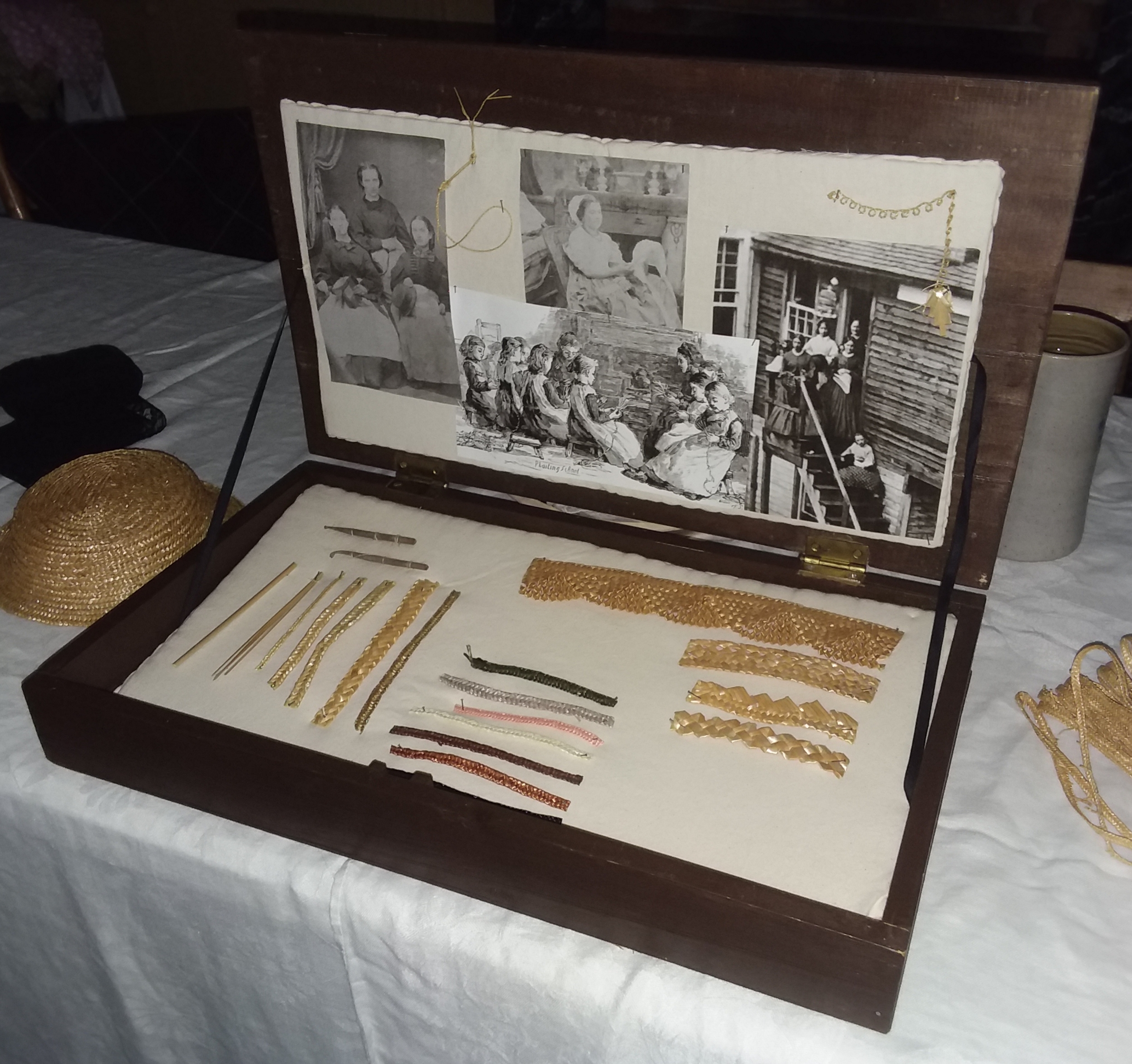
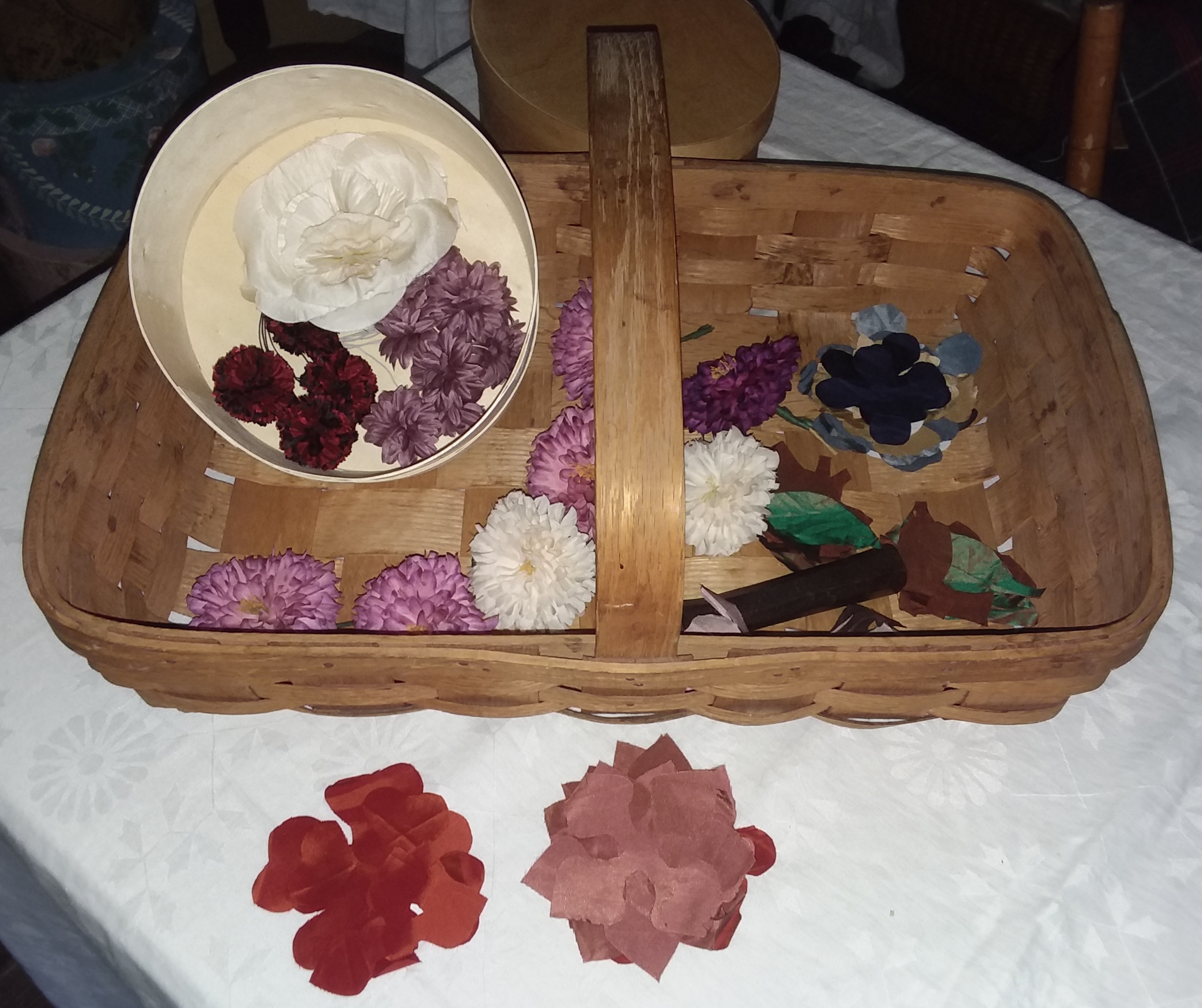
This is the recommended reading list set out for visitors to photograph: PDF

I remember each summer Grandma would tuck a new lavender wand, or two, or three, here and there around the house. These fragrant, woven bouquets were quintessential tokens of summer in the historic village.
For each wand, you will want:

I didn’t know until I wrote it that this is going to be a new series. It won’t be a regularly scheduled series or necessarily a long series. It will be a series though. I hope to share my straw sewing with people while exploring the various aspects of straw millinery. I hope you enjoy.
I also have new bonnets in the shop. I anticipate the bonnet from the video being finished later today (Monday)

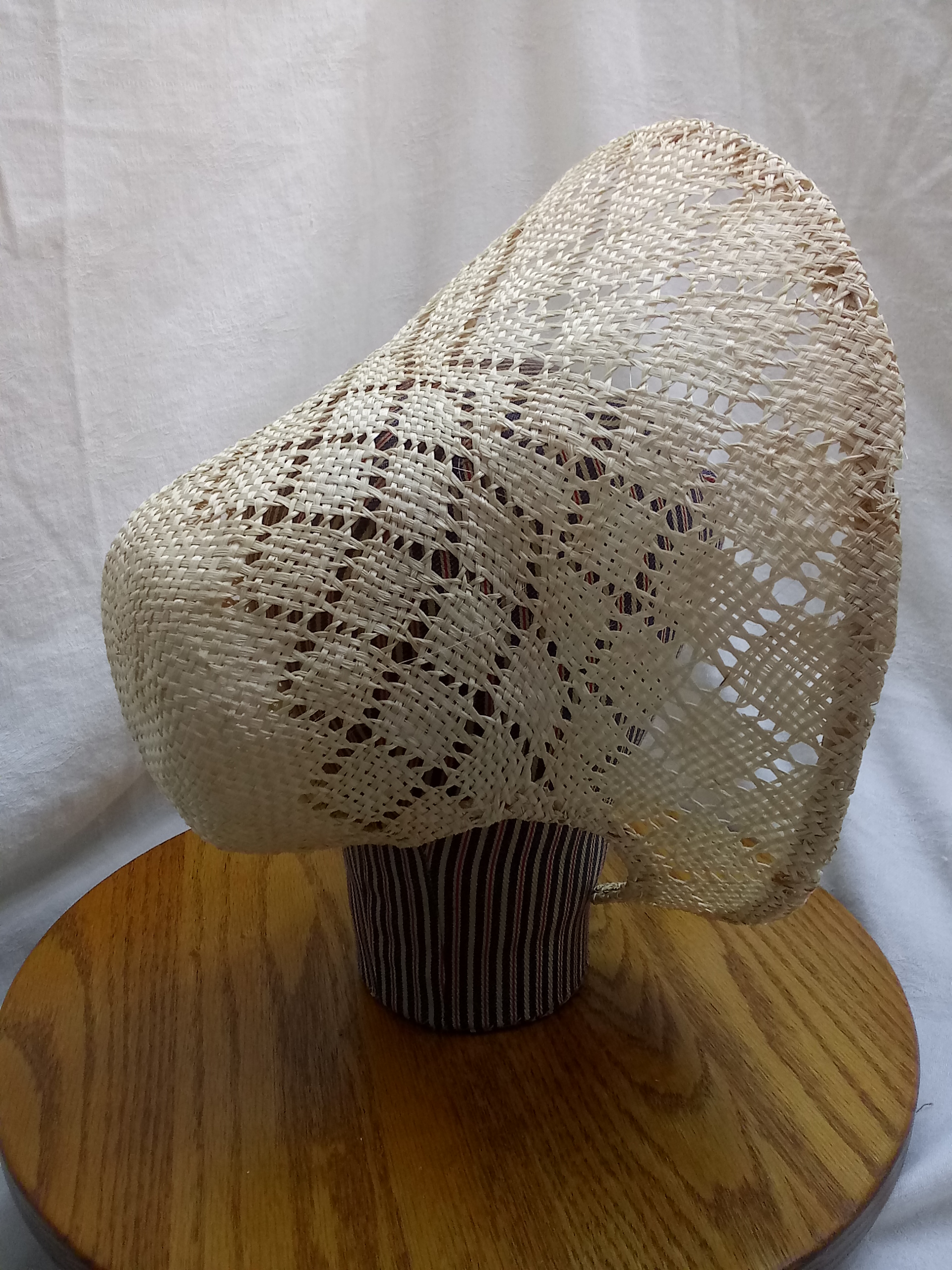
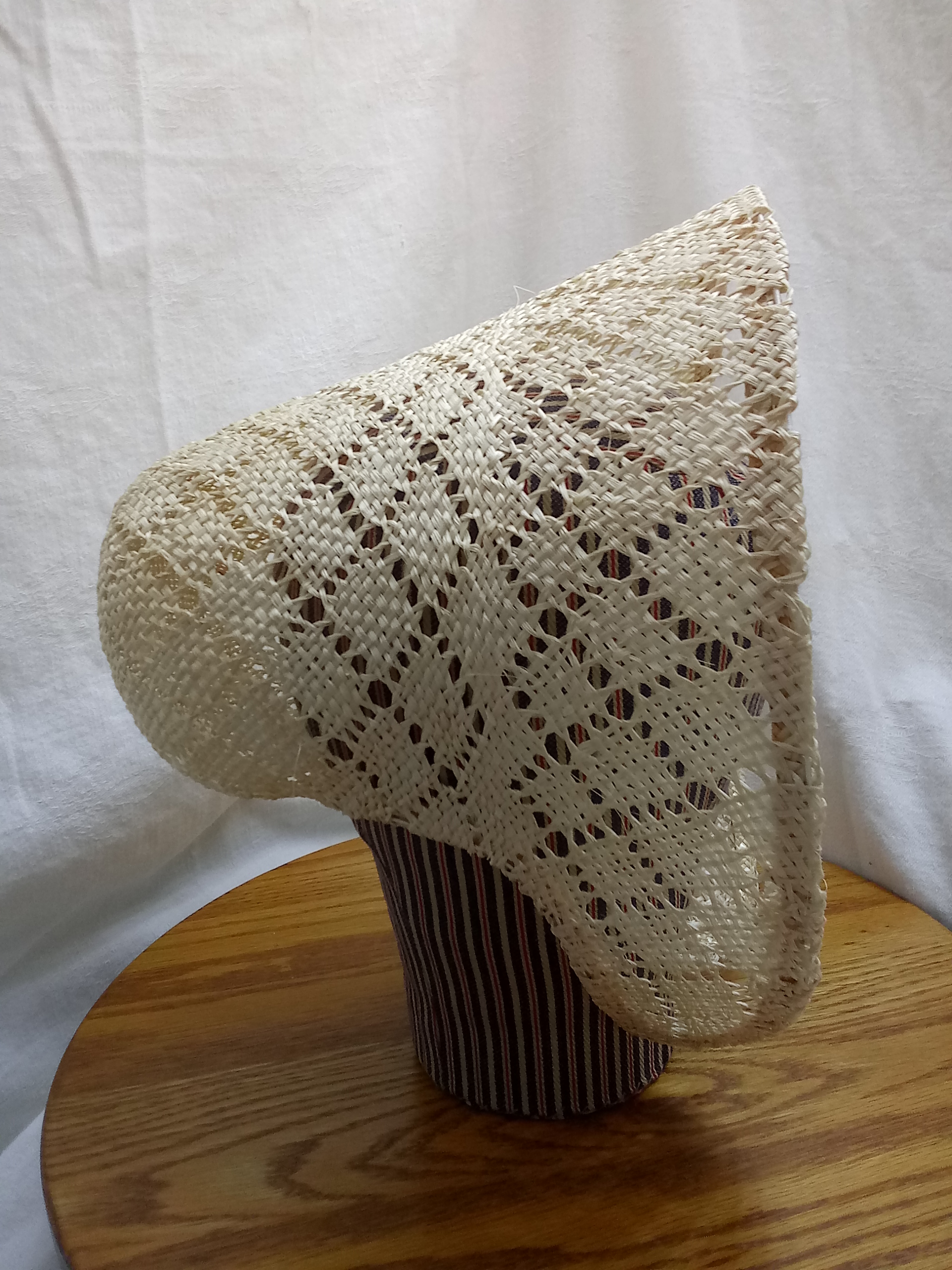

If you’ve been watching or reading for a while, you may get a giggle out of today’s video. Midday I came home from my errands and hit a giant, fluffy pillow of “nope” “na” “done”. I suspect this delayed summer crashing was finally triggered by last night’s printer incident. Finally, sometime around noon I found myself not wanting to sew, stretched out on the couch enjoying an audiobook.
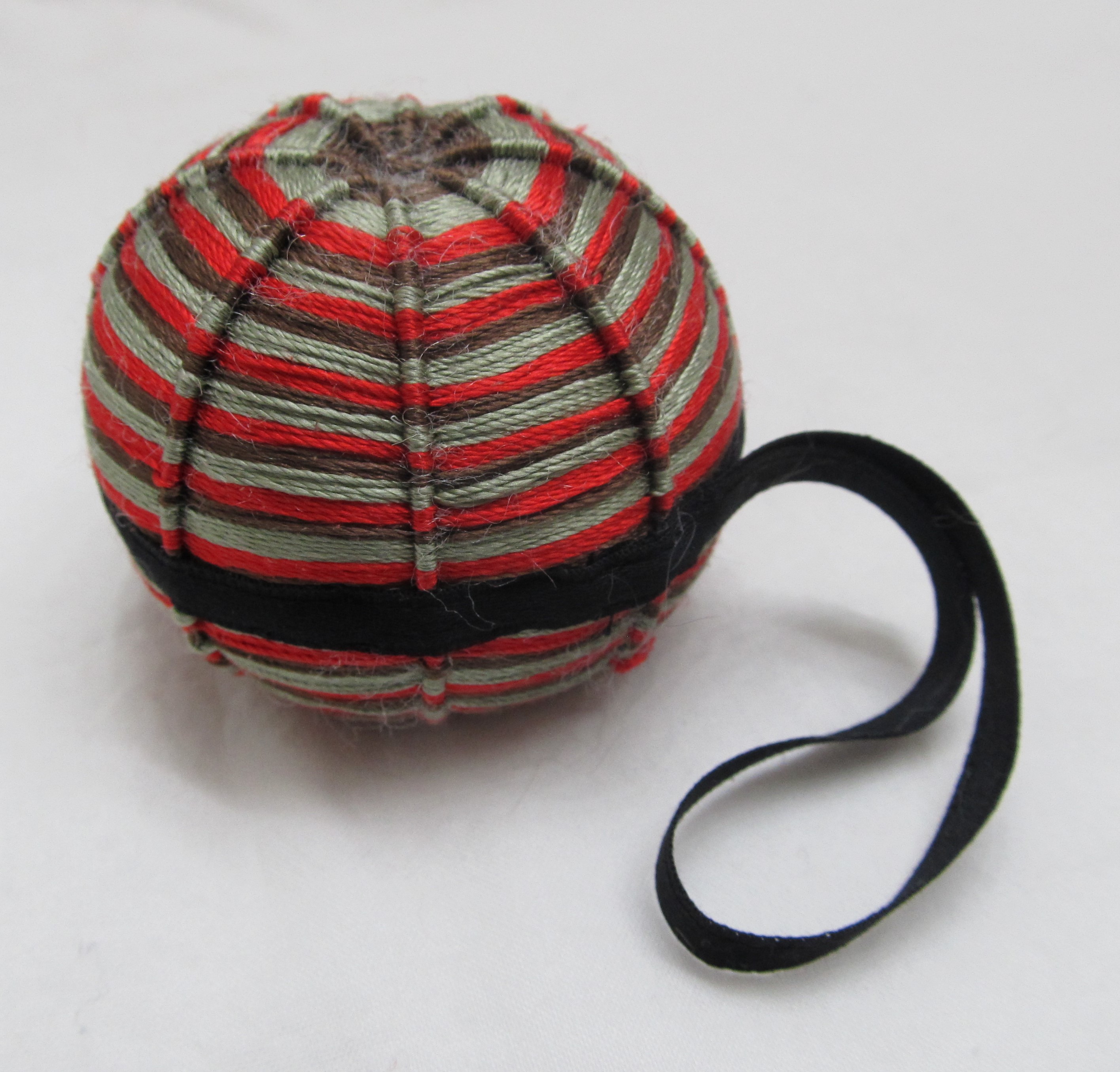
Looking back to the beginning of June, I released my newest kit: A Corded Ball Pin Cushion. I think this makes my third kit (parasol pen wipe and embroidered velvet needle-book being the first and second.) There was a nice response with all but 5 kits being sold quickly.

Patreon supporters received a special edition of In Detail on one of my favorites from An American Girls Book.

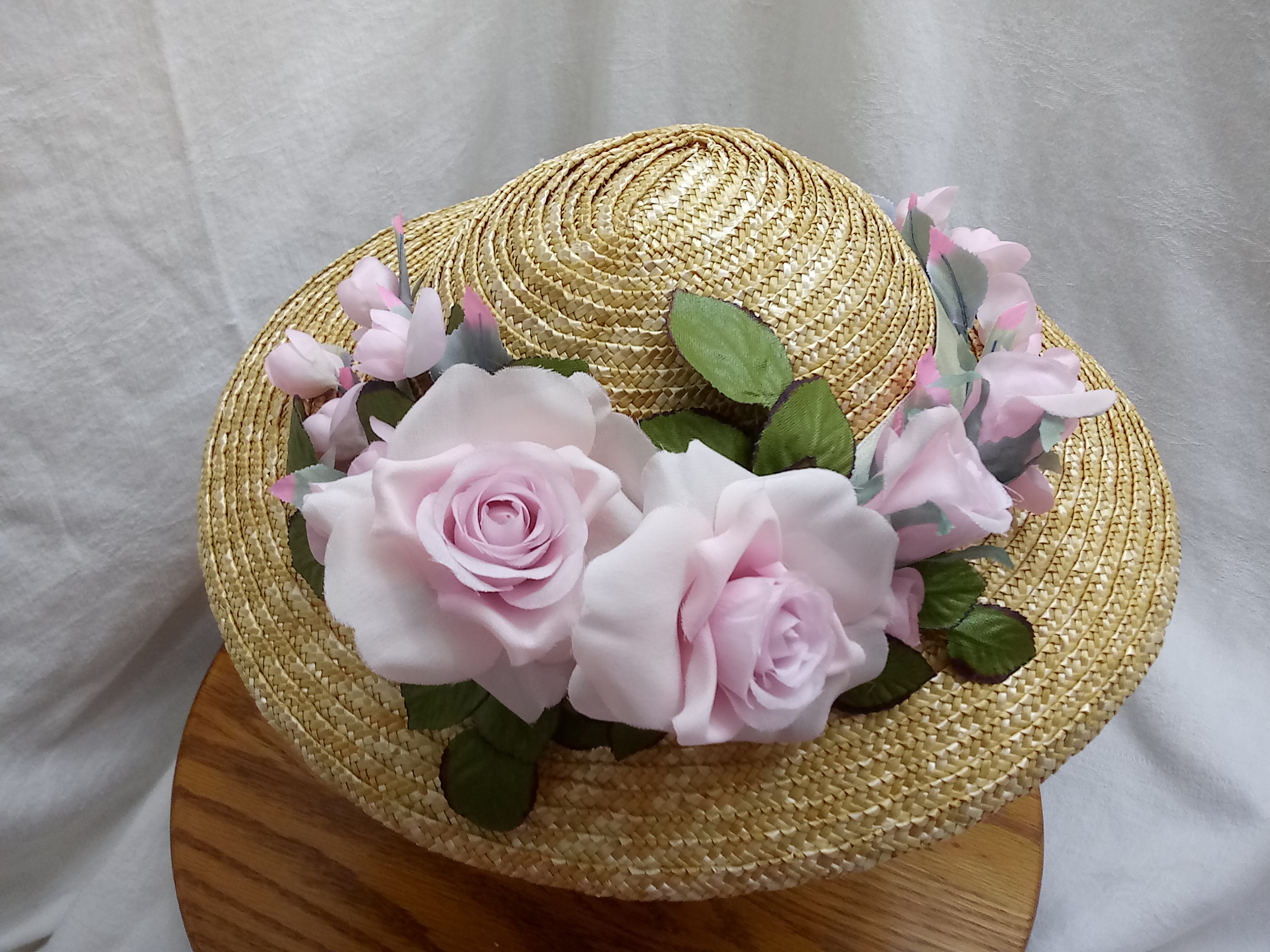
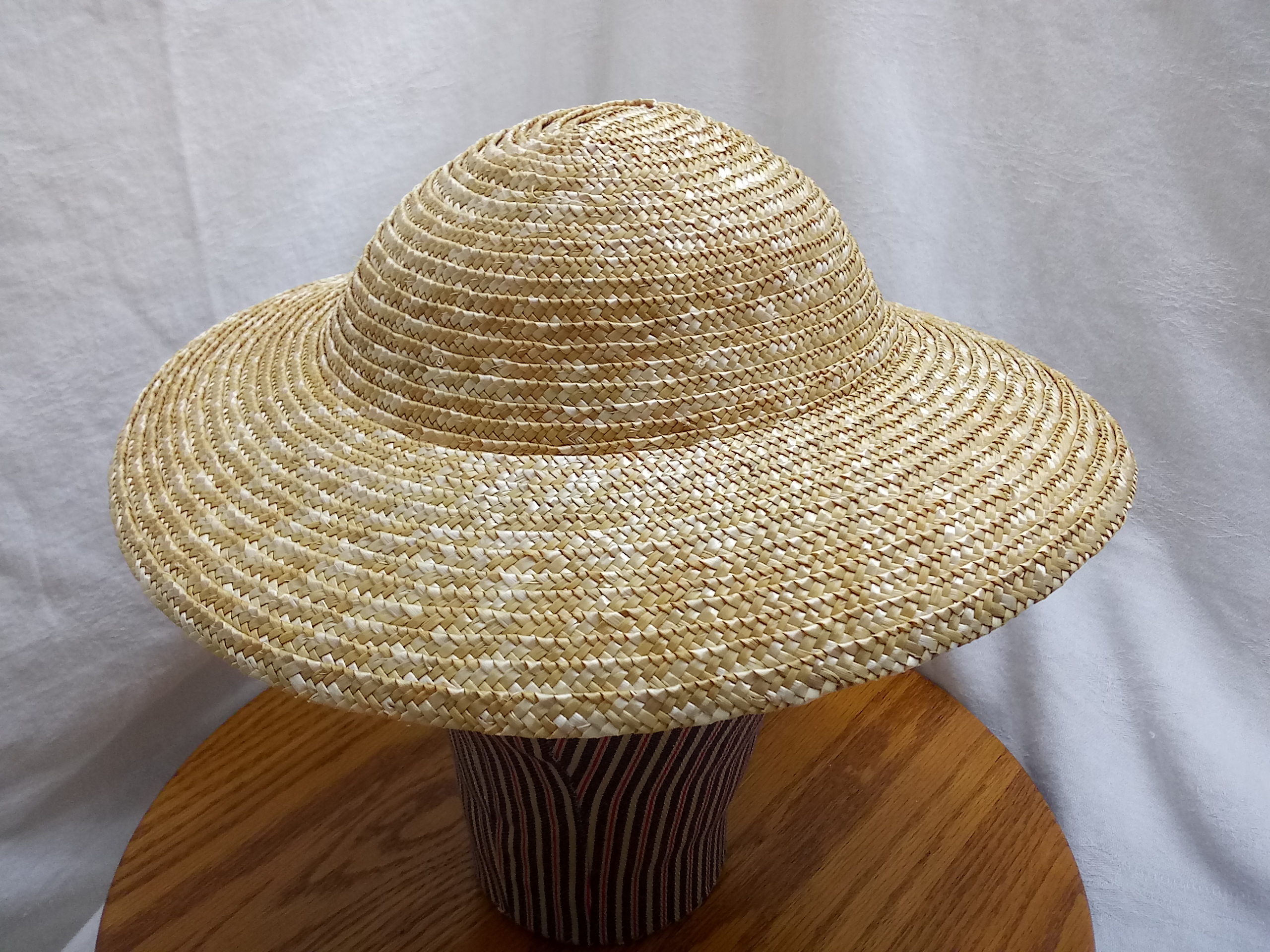
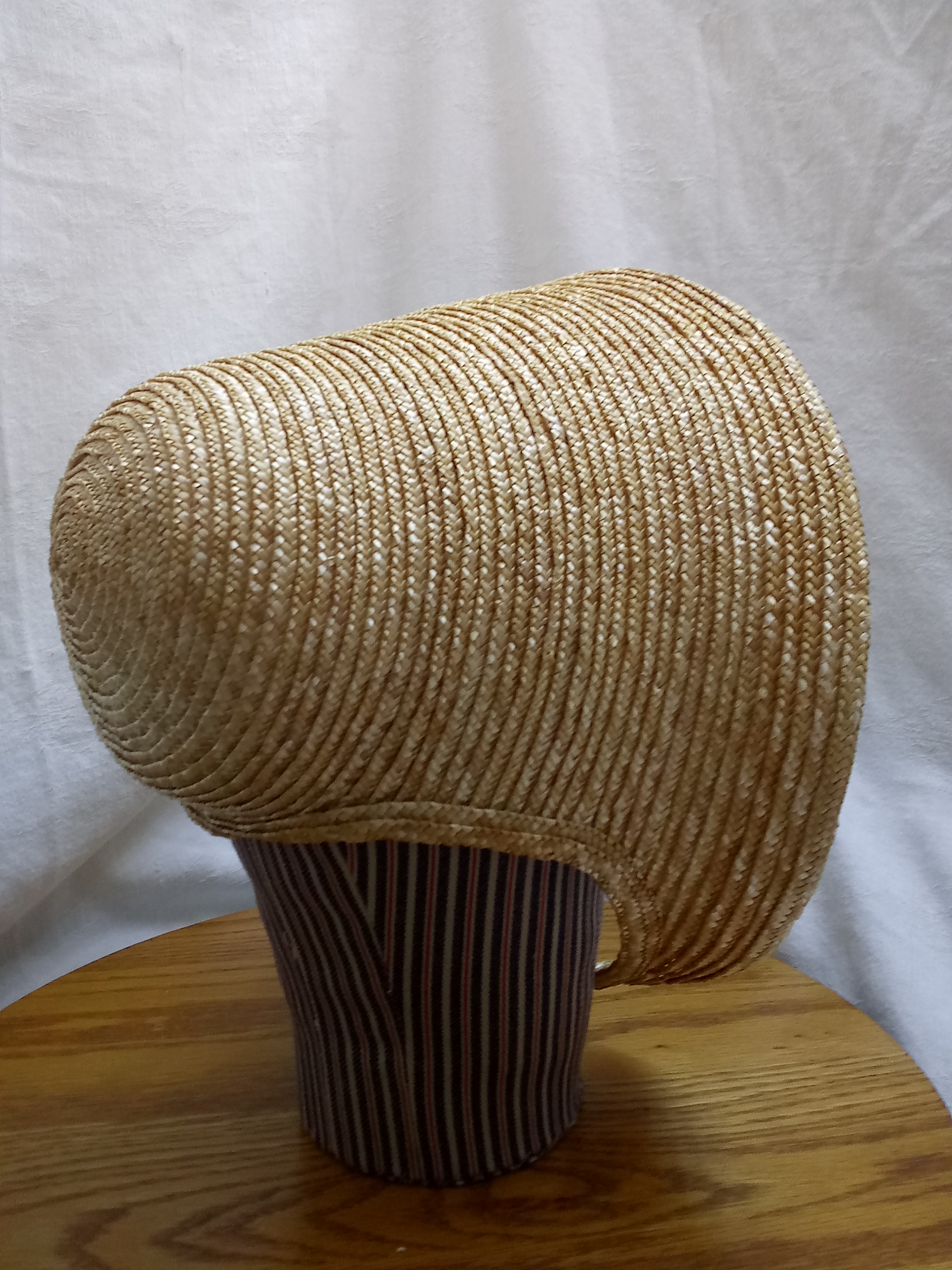
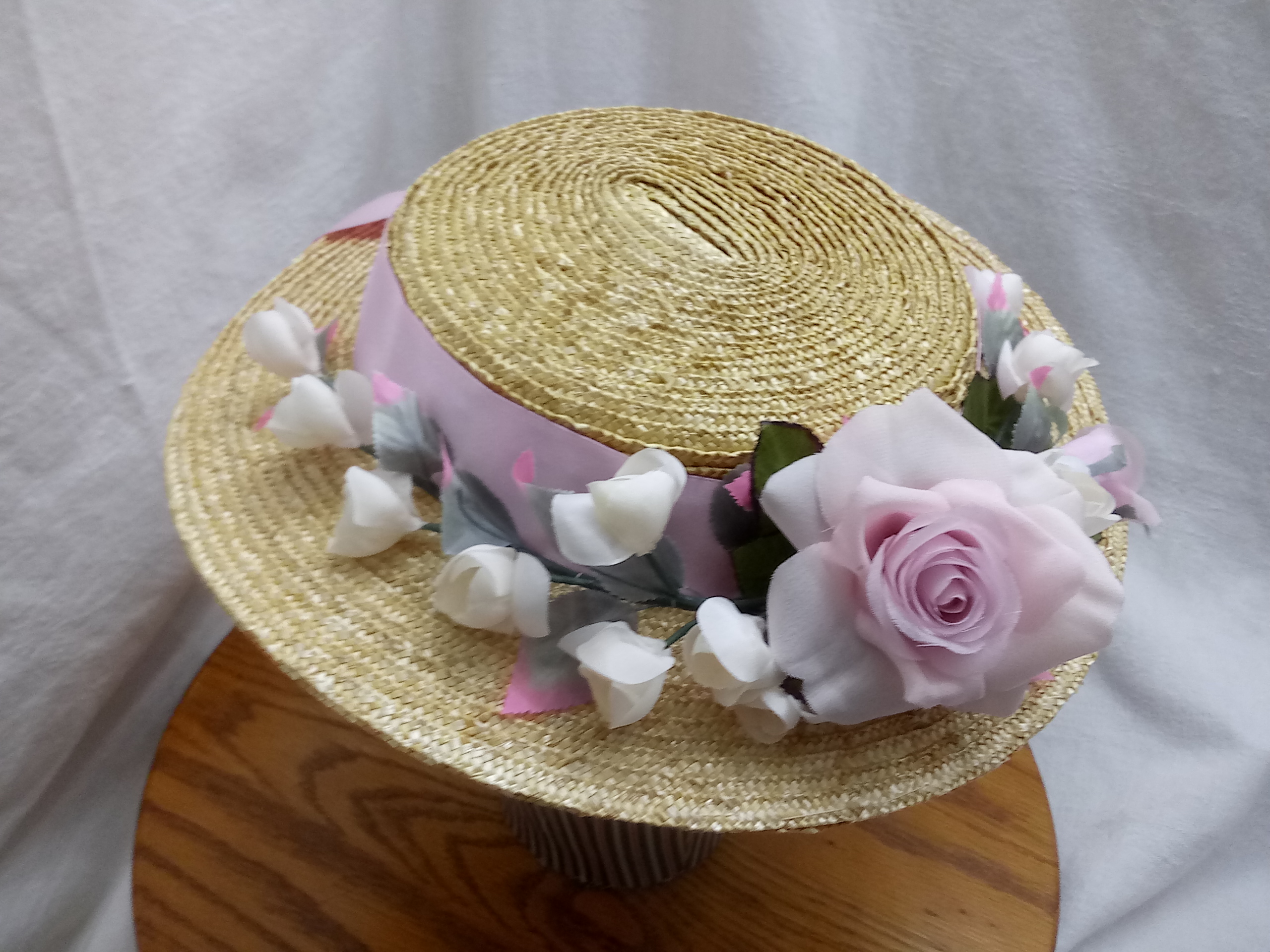
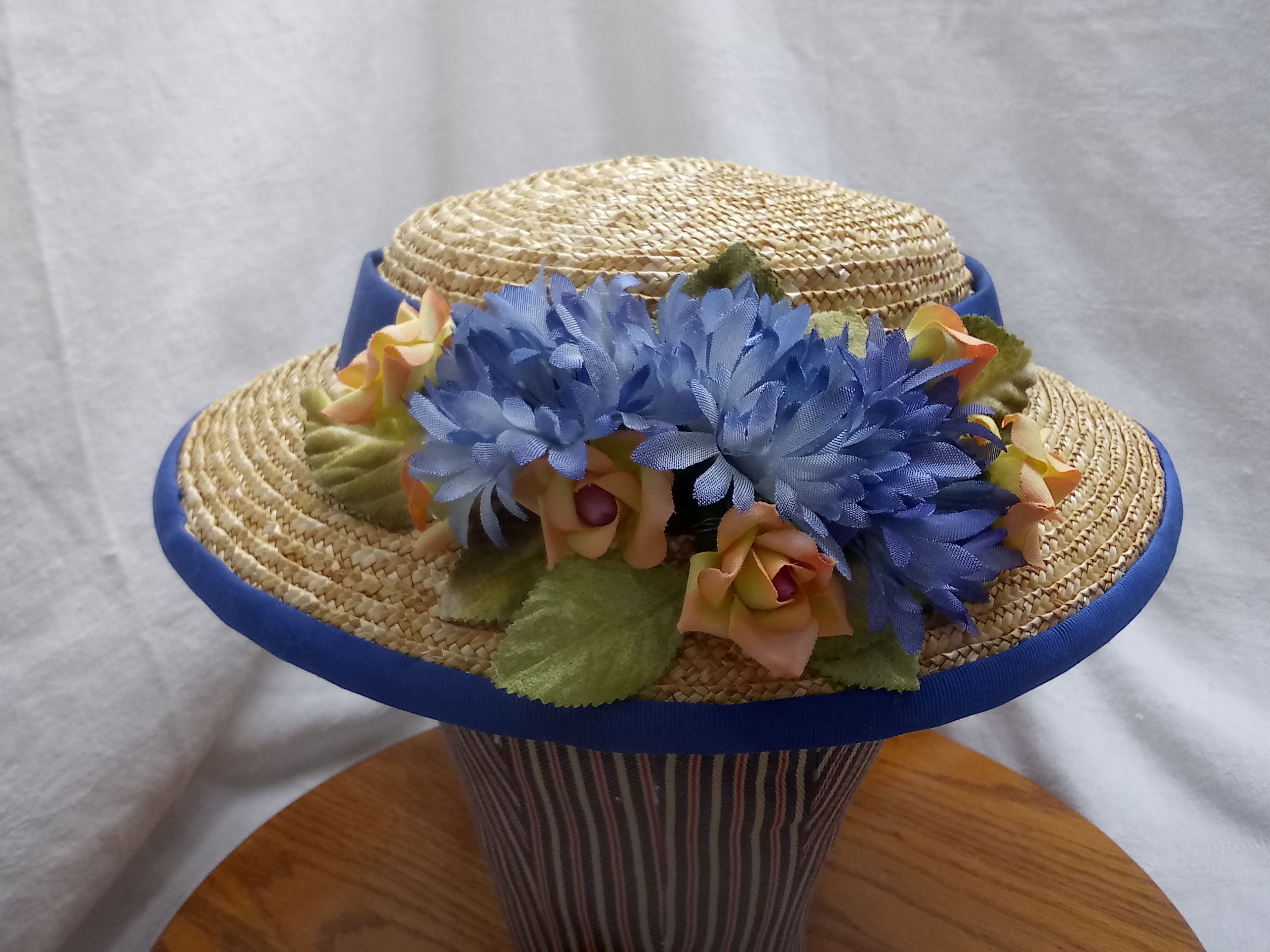
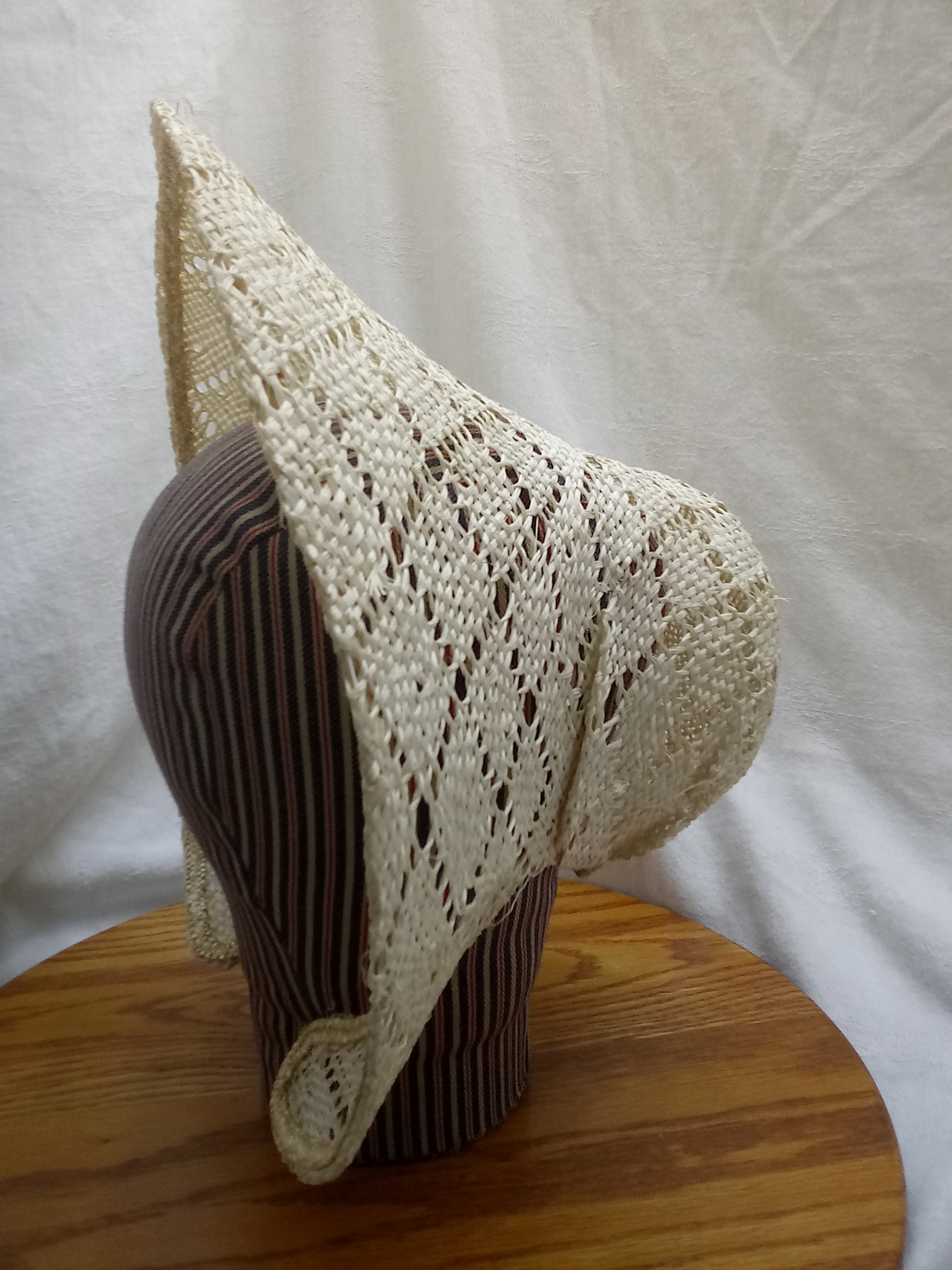
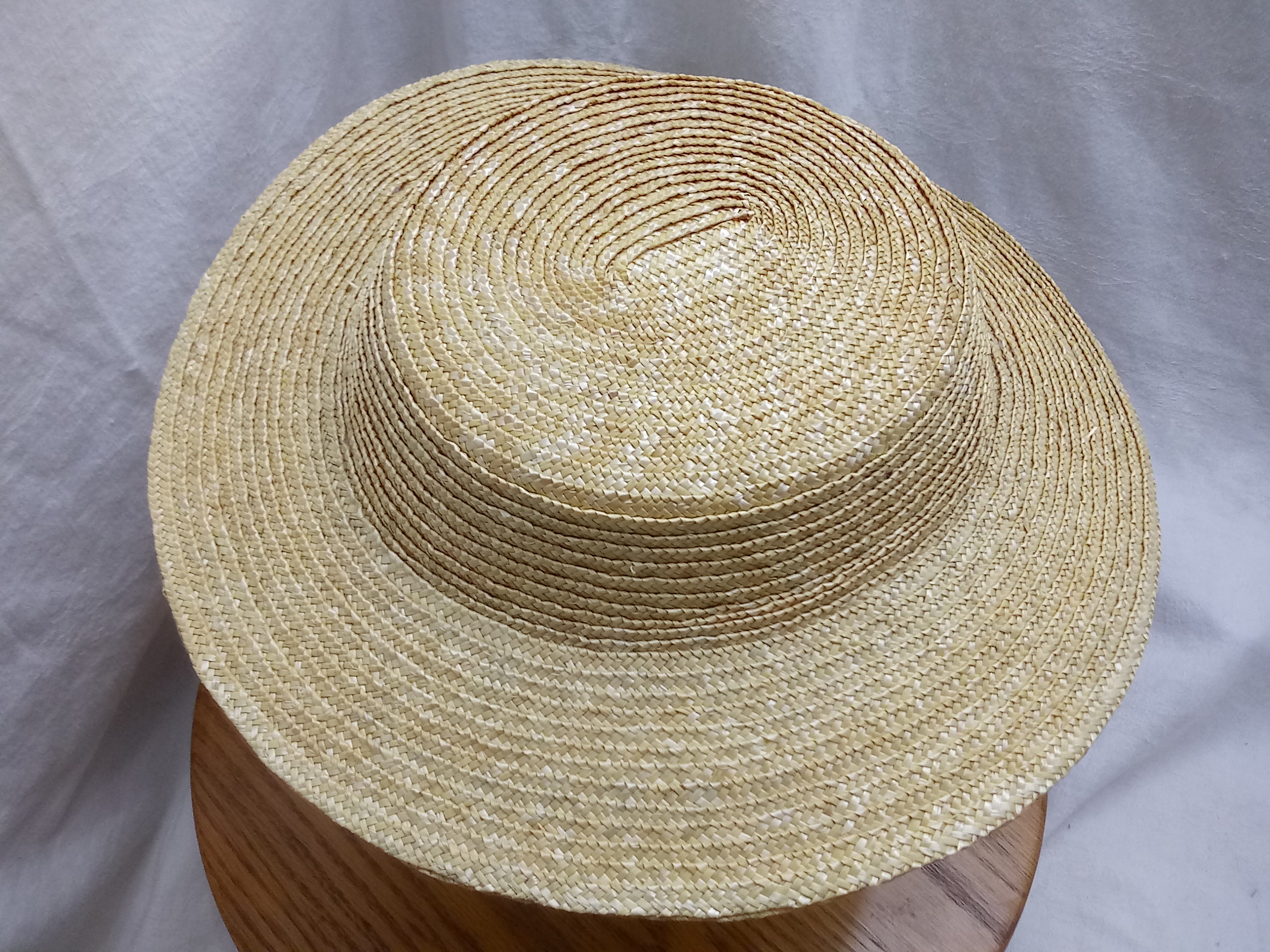
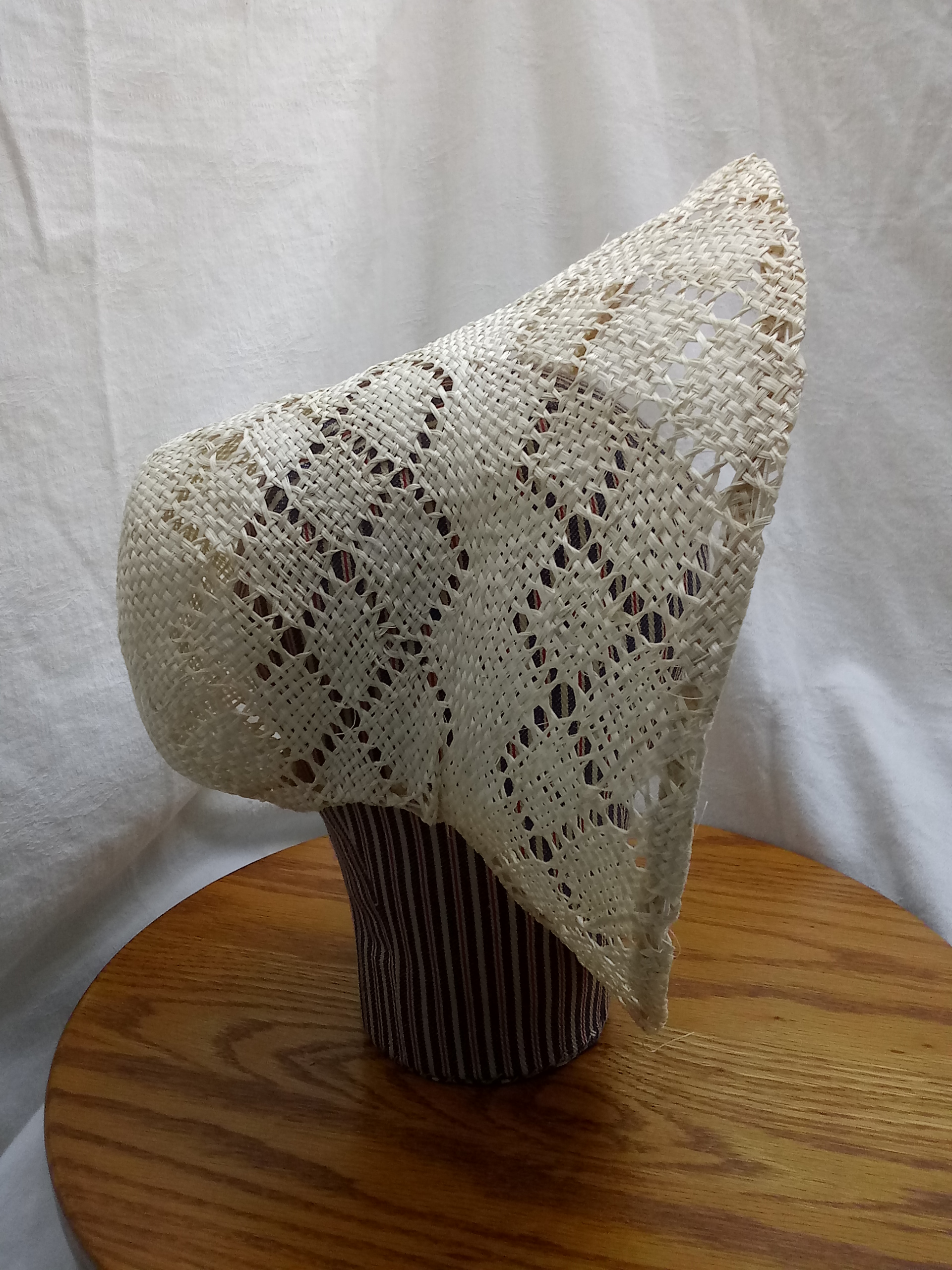
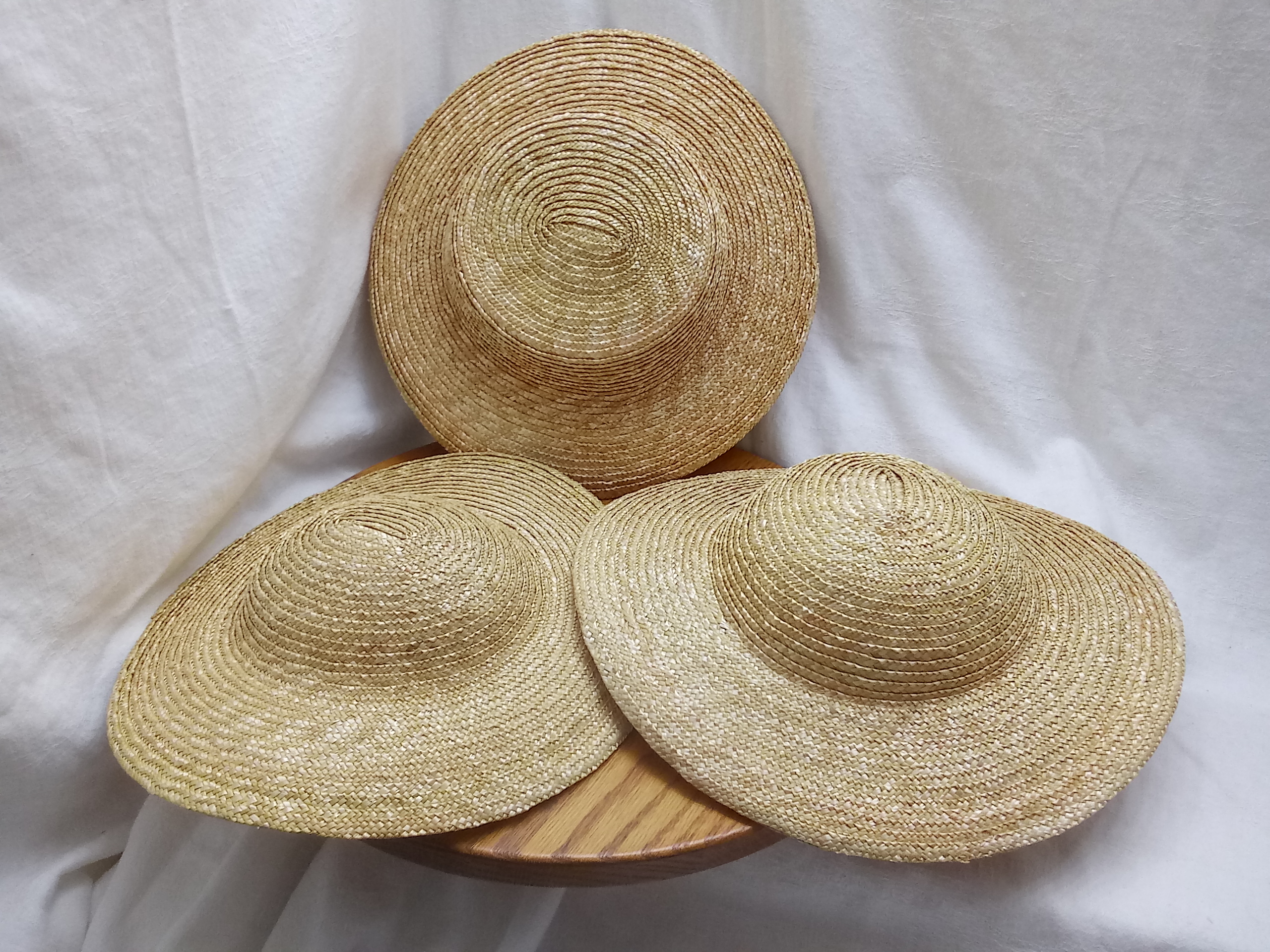
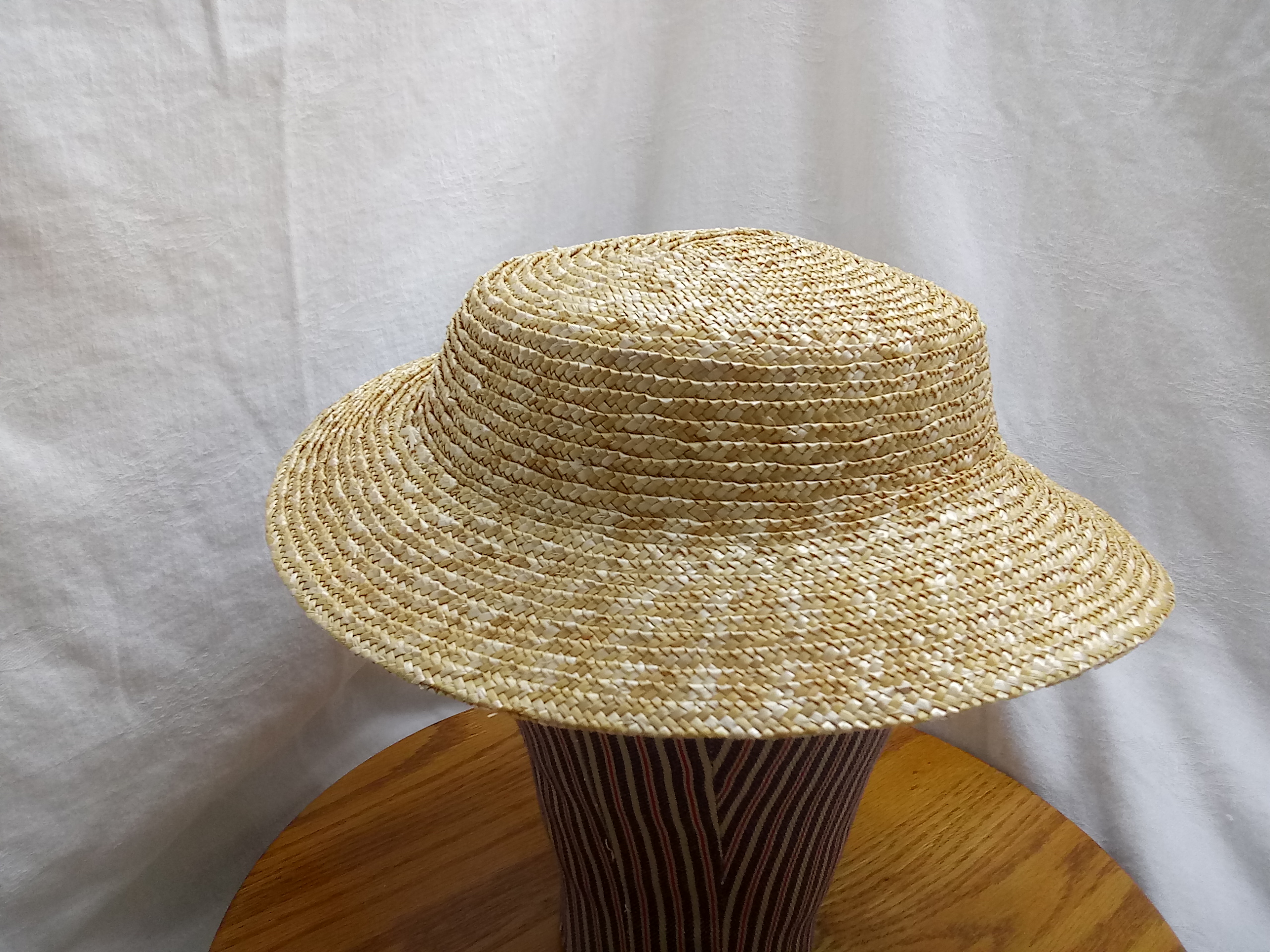
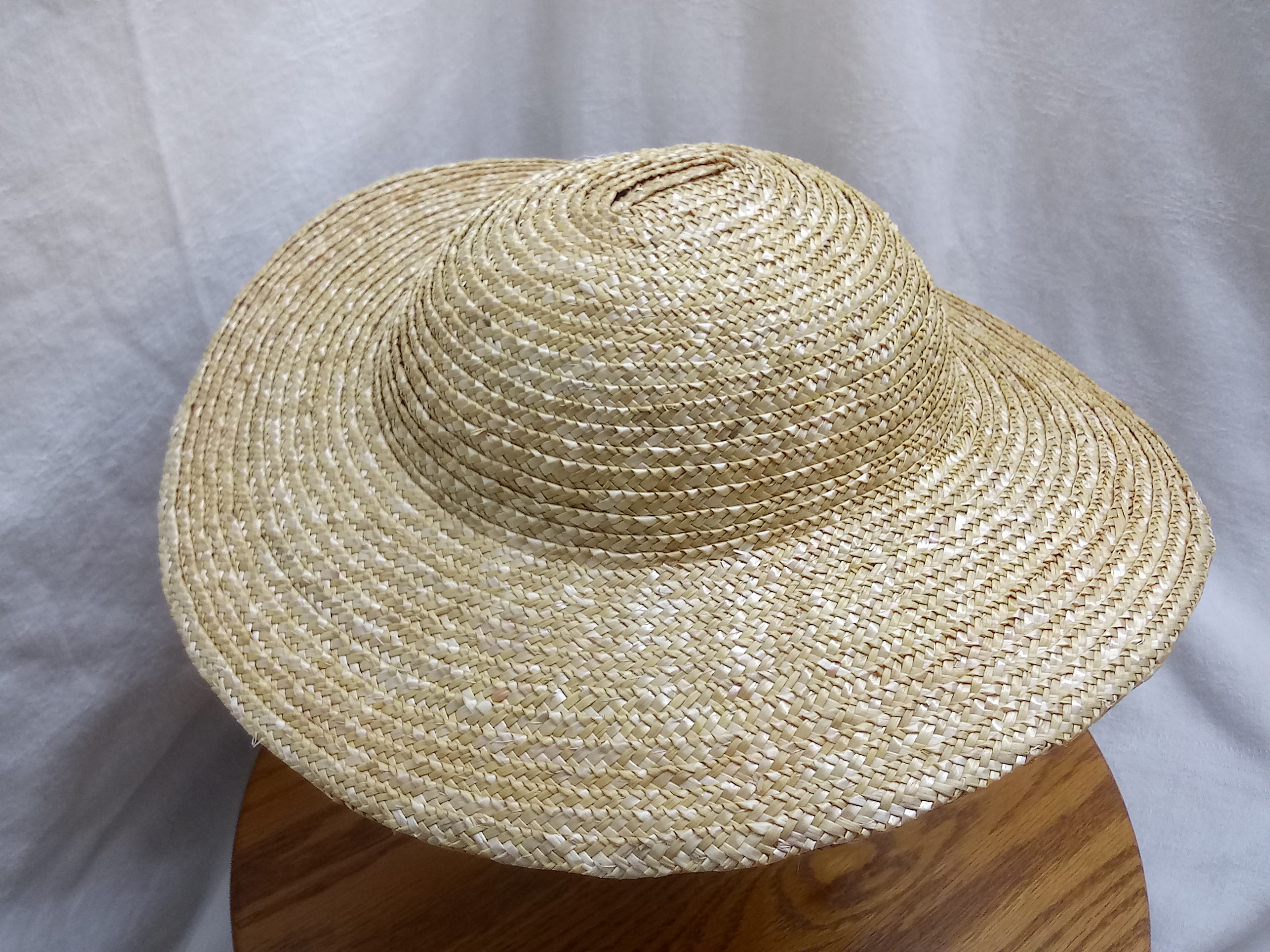
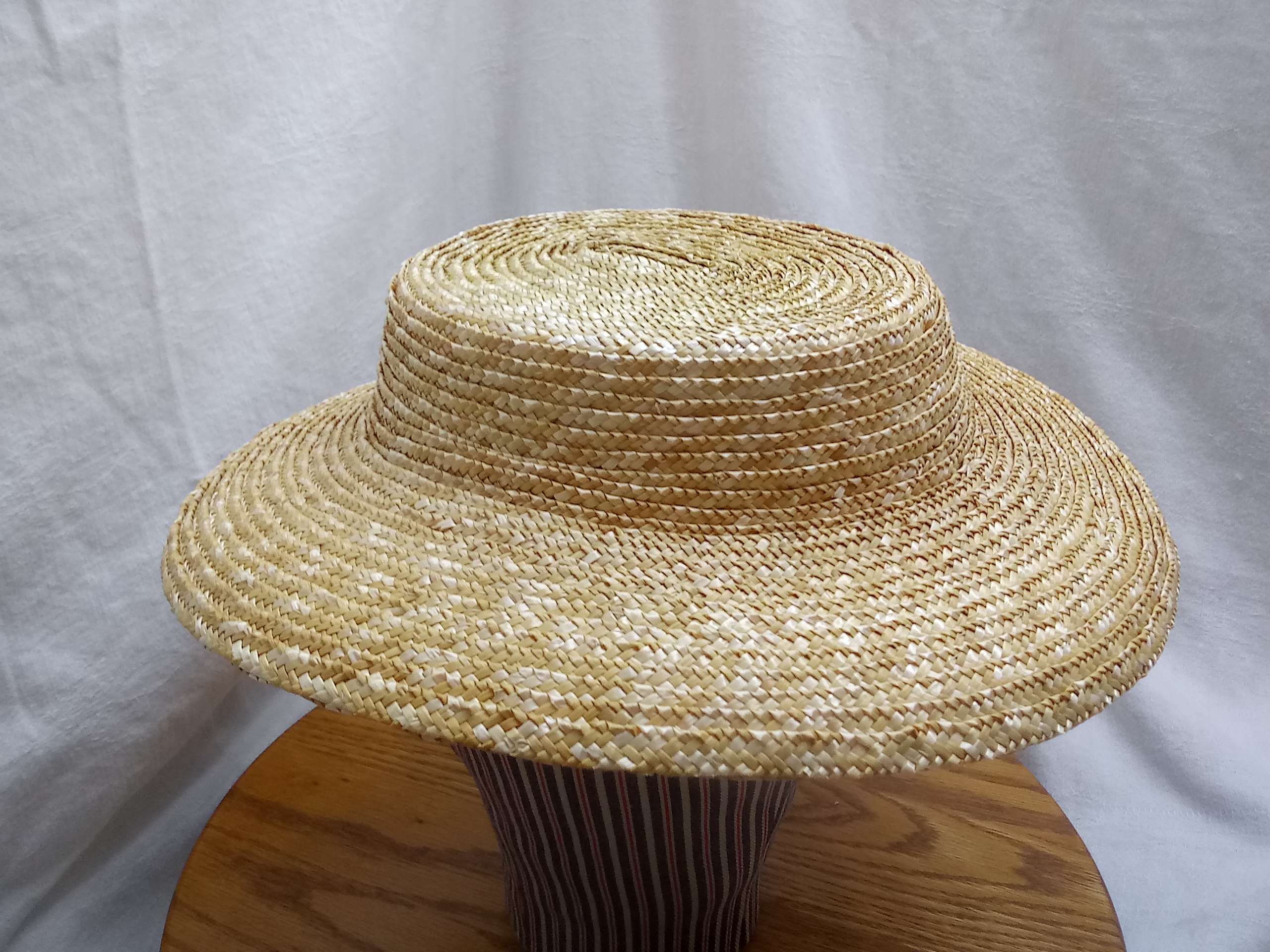
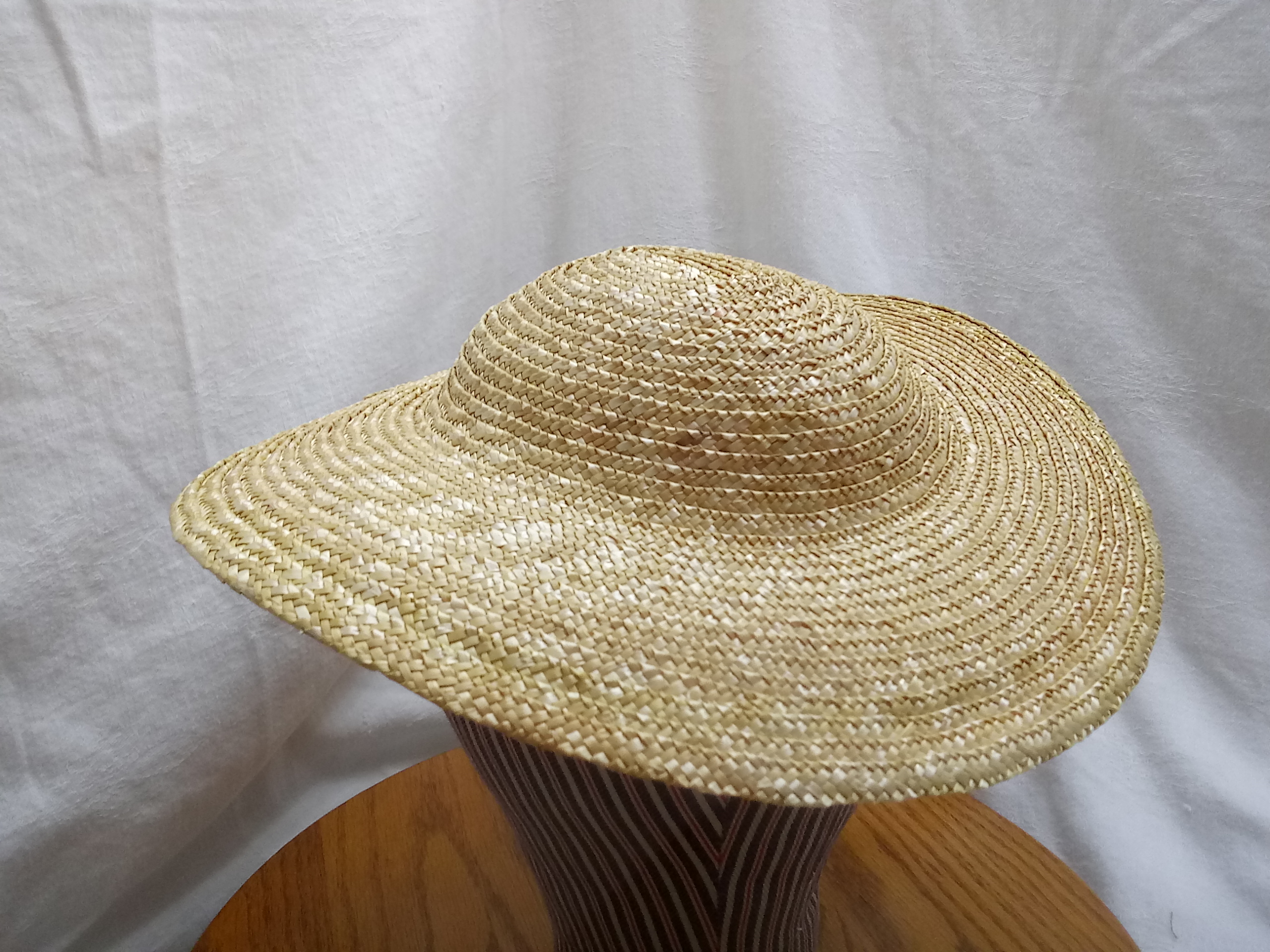
In the fog of what was June, I seem to have made several millinery pieces:
My recommendations for a basic hair kit:
● Straight hair pins
● Faux tortoise hair pins
● Plain black elastics
● Hair Pomade
● A Plain net or two
● Faux horn hair comb or two
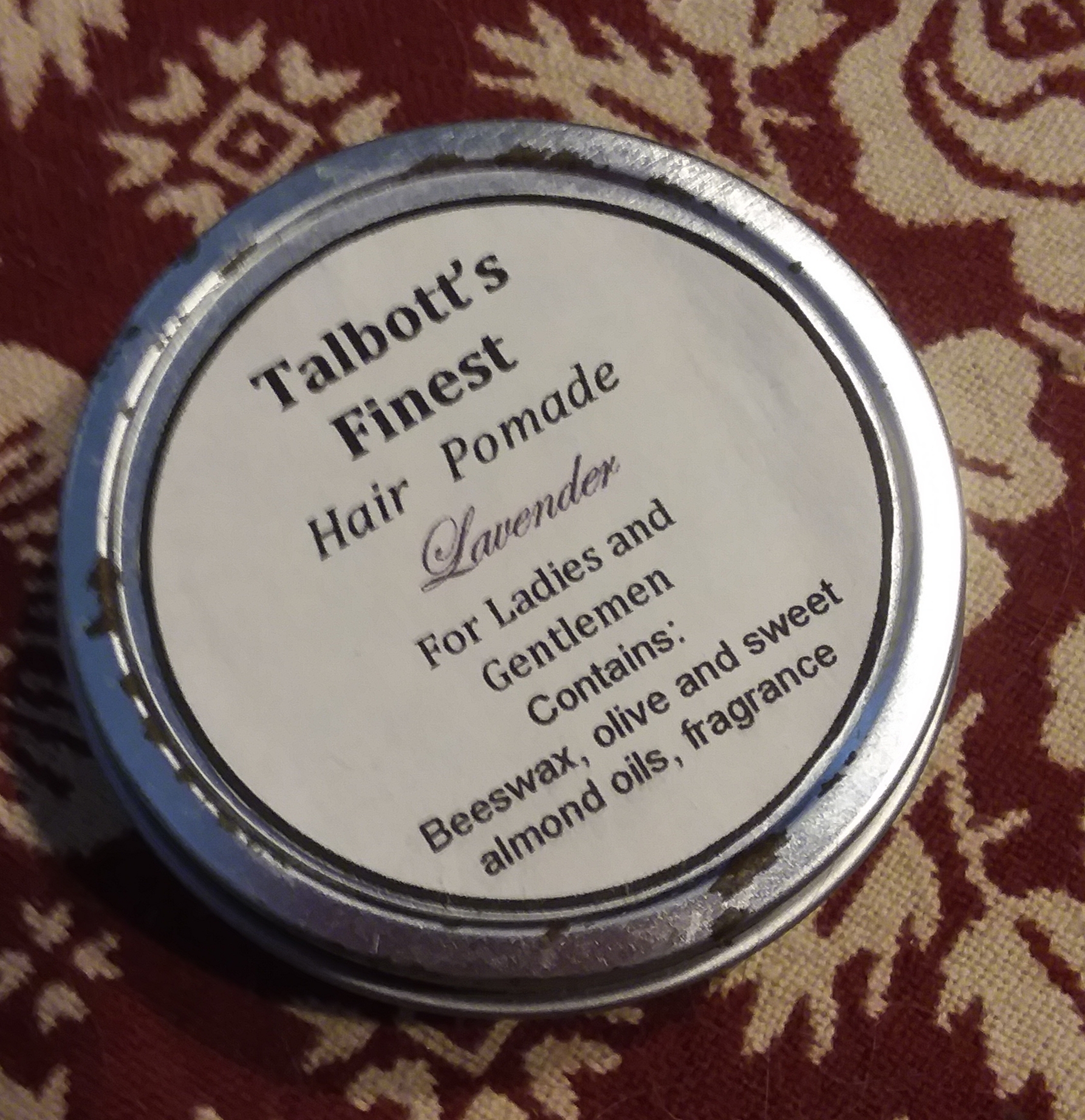

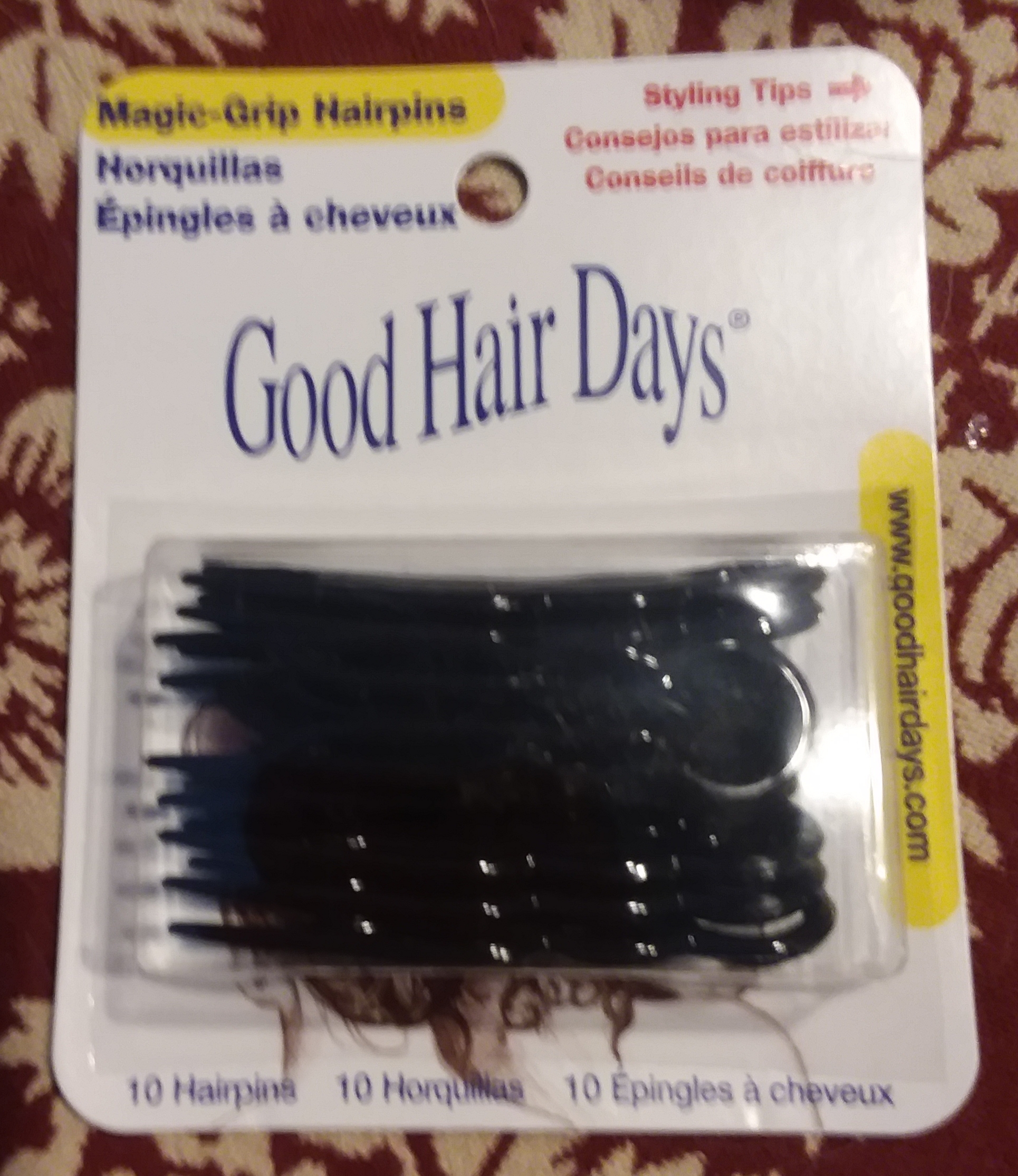
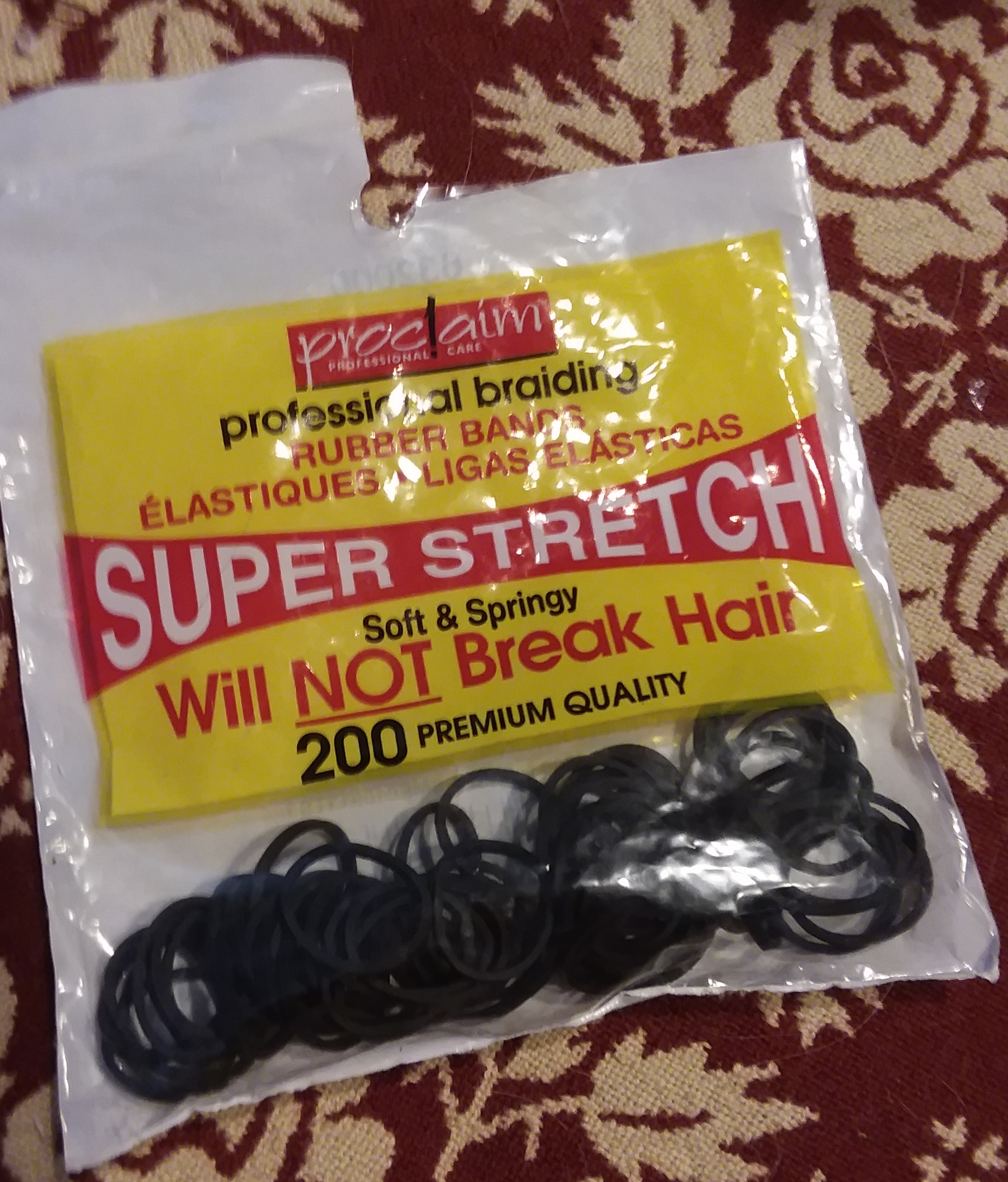

I am lucky enough to be able to purchase these items in person, includong the straight hairpins during a day trip through the Finger Lakes. Not everyone has similar local resources. With this in mind, I am including two shopping lists: one that can be done online from home and one that can be done mostly in person. The online list supports small businesses, with the exception of one item through Amazon.
Shopping from home for approx $38.00:
Order from Timely Tresses:
~~1 set of faux tortoise hair pins $4.00 or 4 chignon faux tortoise hair pins $5.00
~~1 plain hair net $4.00
~~1 back comb $4.00 or 2 side combs $4.00
Amazon:
~~2 sets of 12 straight hair pins in 2” or 3″ and 2.5” $12.00
Talbott and Co on Etsy:
~~1 tin of pomade $14.00
Shopping mostly in person for approx $25:
Local pharmacy:
~~Plain hairnet $2 for a set of 3
~~Faux tortoise hair pins $3
~~Hair elastics $2
Amish dry goods shop:
~~Straight hair pins 2 sets for $4
Talbott and Co on Etsy:
~~1 tin of pomade $14.00
Sources:
If you have been following even for a short while, you know I love pockets. I love making pockets. I love having pockets.
For years, I carried a basket or a purse. It would get filled with a myriad of this and that, period and modern.
All this stuf I thought I needed to have on me. Extra water, a camera, a little money…. You know what? It all just added up and added up. Frankly, it was heavy and a PITA.
It also wasn’t accurate.
Then, one glorious day, I learned about pockets. Dresses had pockets! We aren’t talking the wimpy pockets in women’s jeans that barely hold a few dollars and a small set of keys. We are talking huge, mother of all pockets!
Skeptical?
Don’t think they could be that big?
Take a look at my dress from a few years ago. Okay, 15 years ago. (Ignore the hair falling down and the gloves for rusty nails. This was a heavy work day, building fences and moving corn.) The pocket in that dress is holding my lunch including a couple bottles of water and bananas. Can you tell?


I wear two pockets when dressed in Victorian era clothing. Each of my 1830s through 1860s dresses has a pocket on one side, preferably the right side. In this pocket goes the things I need throughout the day of the event, the period items. On the other side is a separate pocket that sits either below my skirt or below my skirt and upper petticoat. This pocket holds the modern items I hope not to need during an event but should have on me in case of emergency or when I leave.
The dress pocket with period items holds:
My seperate tie-in pocket holds:
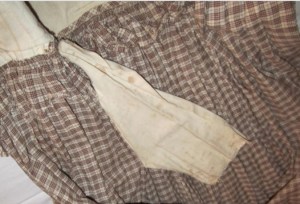
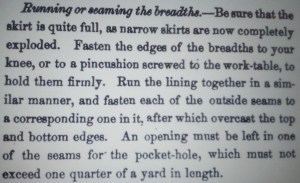
Pockets were most often set into the seam of a skirt. Originals show pockets were long, wide enough for the hand to fit comfortably, and both rounded or squared on the bottom. They are often a plain or cotton print with the seam to the outside of the pocket. Sometimes a support stay attaches to the pocket part way down and to the waistband. A straight edge of the pocket lines up with the skirt seam, and the skirt edge folds over the edge of the pocket. I prefer to do two rows of stitches around the edge of my pocket for a strong pocket.
Seperate tie-in pockets proceed the Victorian era by many decades. While seperate pockets grew less common by the 1840s and 50s as dress pockets became more common, they were still in use and recommended for situations like travel.

Currently, there is a pair of pockets embroidered by sisters Mary Ann and Hannah Rose Brigham of New Hampshire in an Etsy shop One is dated 1850. Both show wear indicating their use.

A couple years ago, I wrote an article/post called “Pizza and the Piggy Bank” that looked at which items to save up for and which items could be had for less than the cost of a pizza. It was a fun article to write and helped put some perspective on the cost of things. Since writing that article, I’ve often compared items to the cost of a pizza. (I also price life expenses in comparison to the number of bonnets it will take to cover.) I thought I would revisit the “Less than a Pizza” list with some revisions.
When I wrote the initial list, I could get a medium vegetable covered pizza for about $25. That price has gone up a little to about $30. So, this list will include items that can be had for $30 or less.
This week is a casual Hat Q&A talking about the questions I am asked most often. The focus is on American Civil War hats. I will talk about bonnets in a future video.
How do I wear my hat?
Which is the front?
How do I measure my head?
Where do I put the flowers and ribbon?
How do I keep my hat on my head?
If you have more questions about straw hats or bonnets in the nineteenth century, put them in the comments below. I will do more millinery Q&As in the future.
More details on measuring and fit.
This is where to find me:
Consider Patreon for special content: http://www.patreon.com/AMillinersWhimsy
A Milliner’s Whimsy – If I Had My Own Blue Box (History Blog):www.amillinerswhimsy.com
Don’t Paint the Cat (Crafty Blog): https://dontpaintthecat.wordpress.com
Instagram for If I Had My Own Blue Box: http://www.instagram.com/if.i.had.my.own.blue.box
Instagram for Don’t Paint the Cat: http://www.instagram.com/dont.paint.the.cat




 If I Had My Own Blue Box: