Common Hat Styles (1860-65)

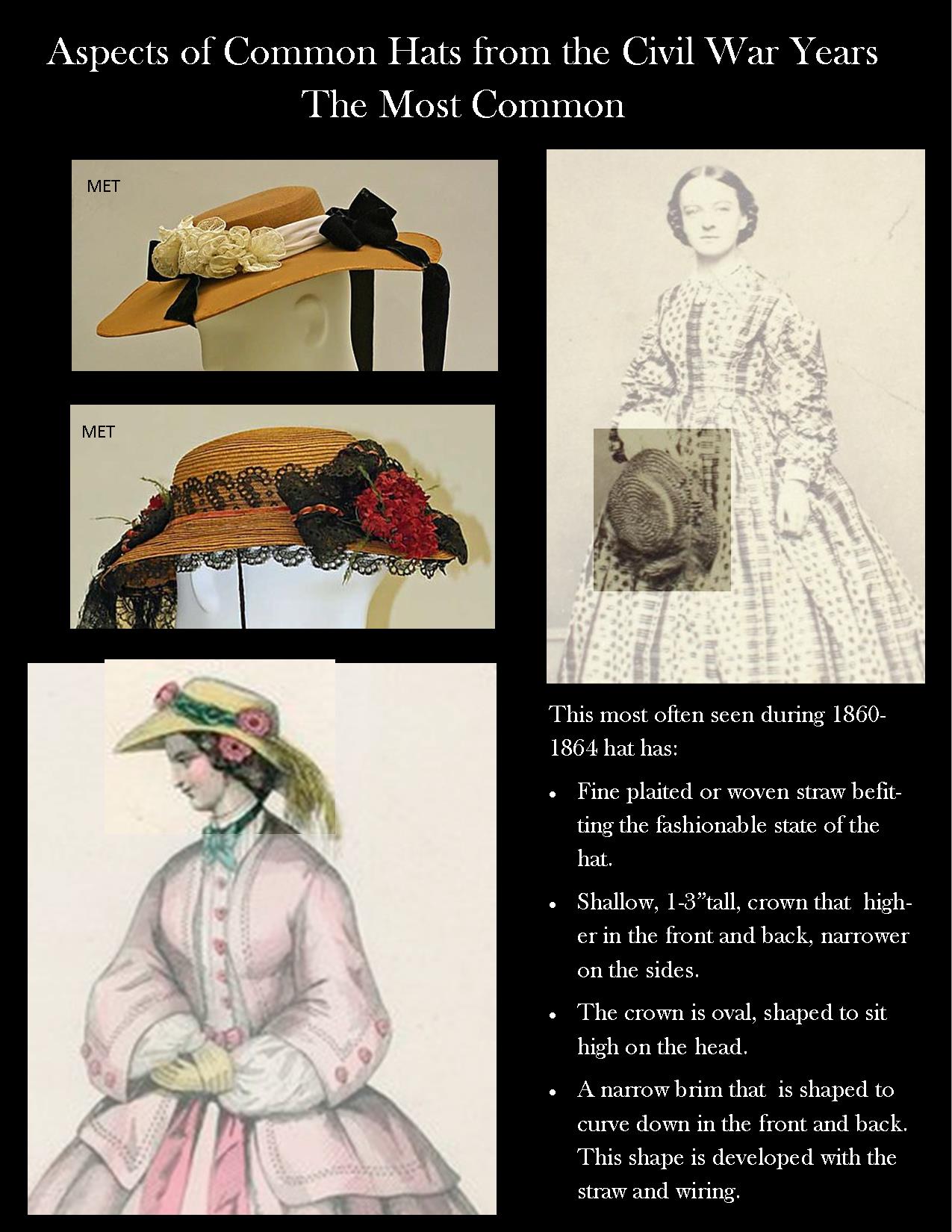
Common hat shapes during the American Civil War era.

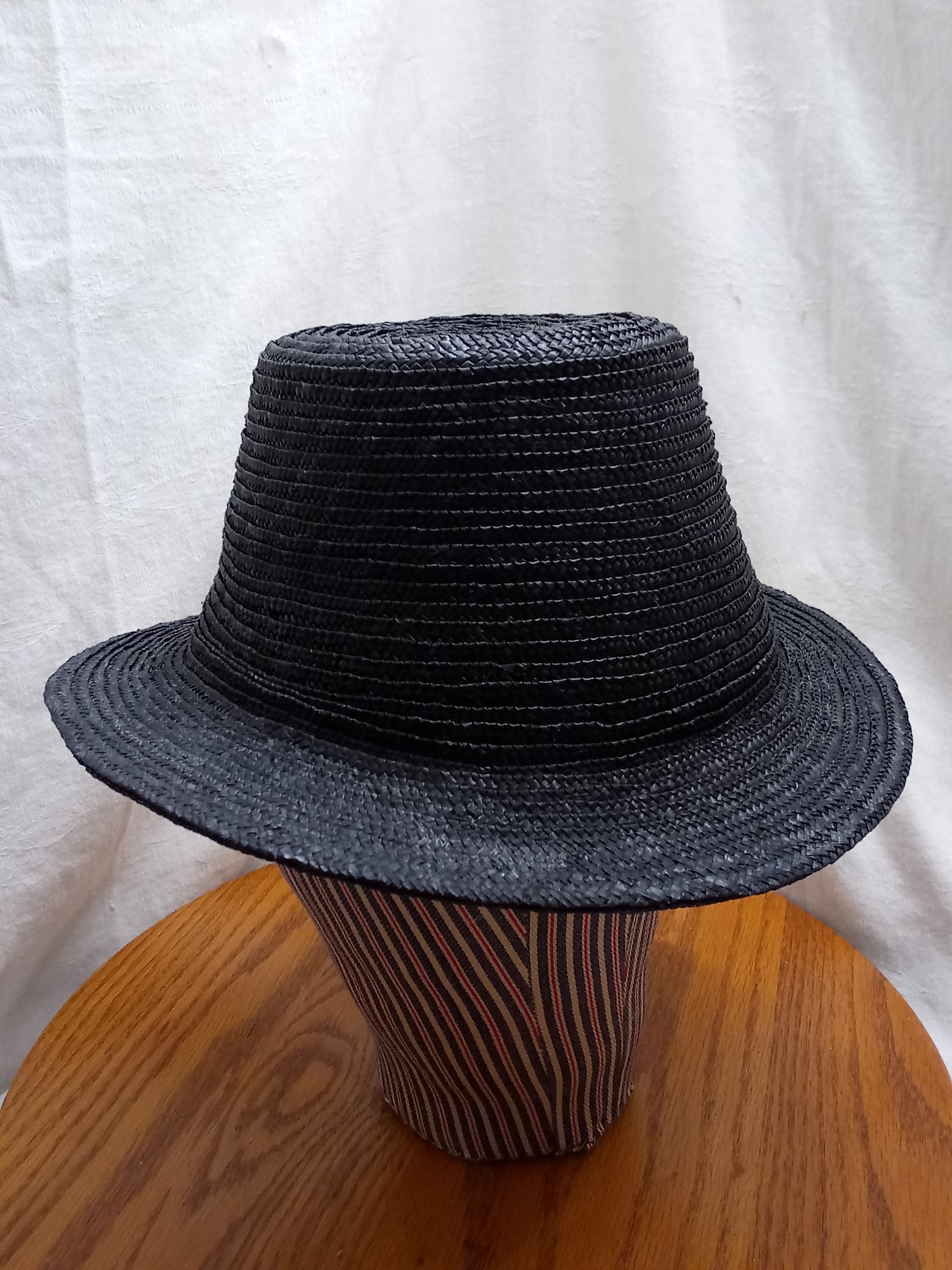
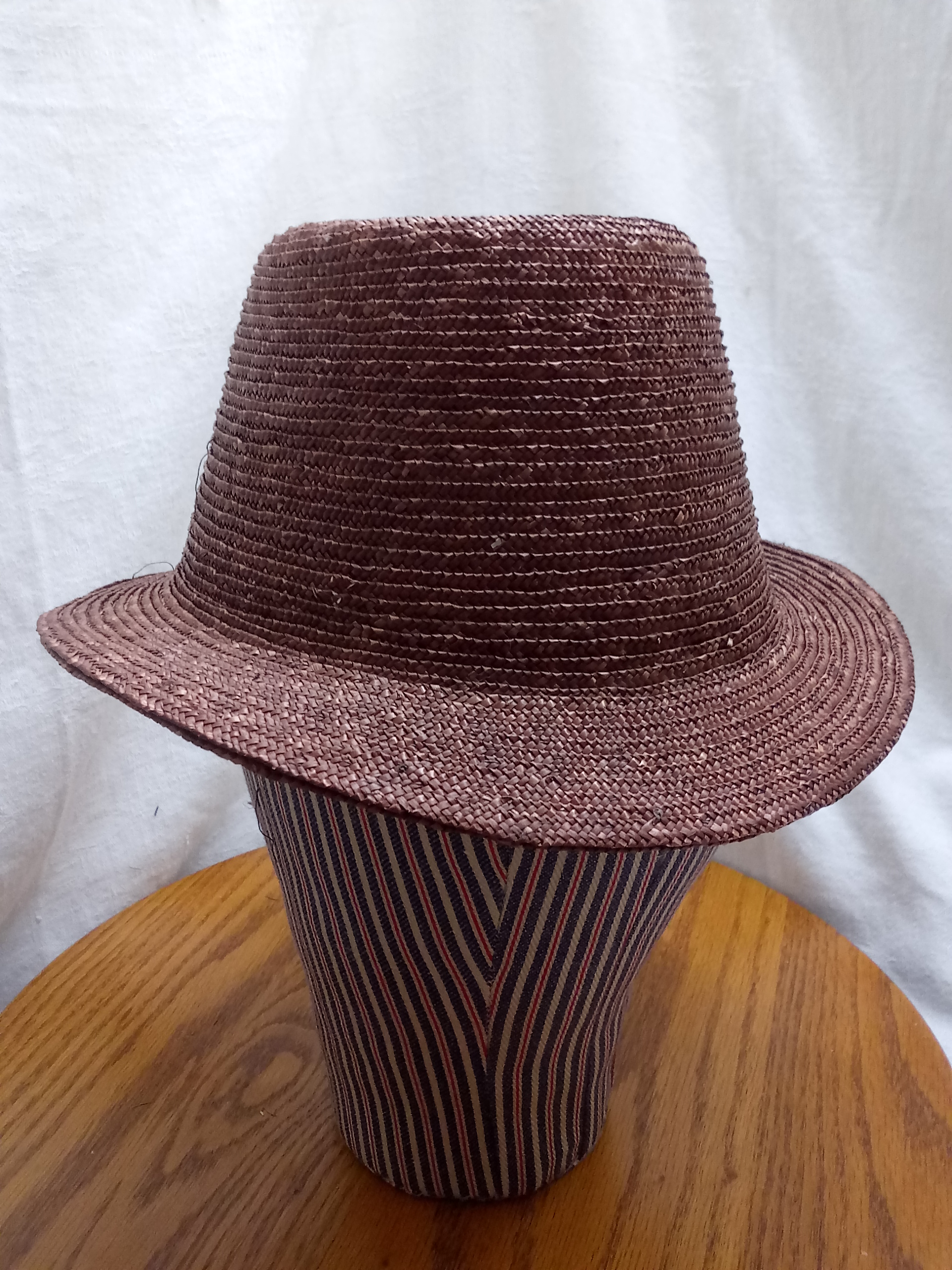
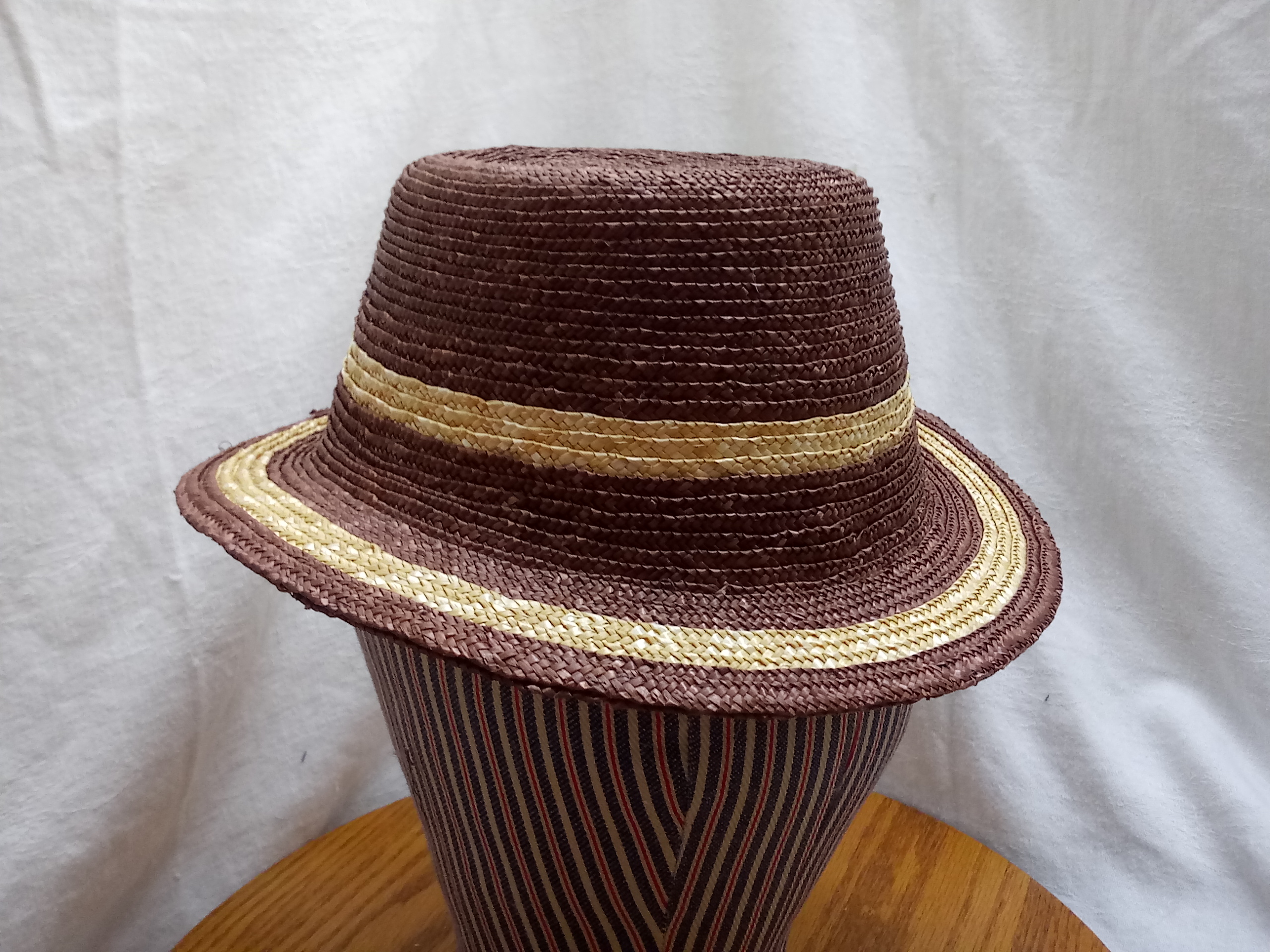
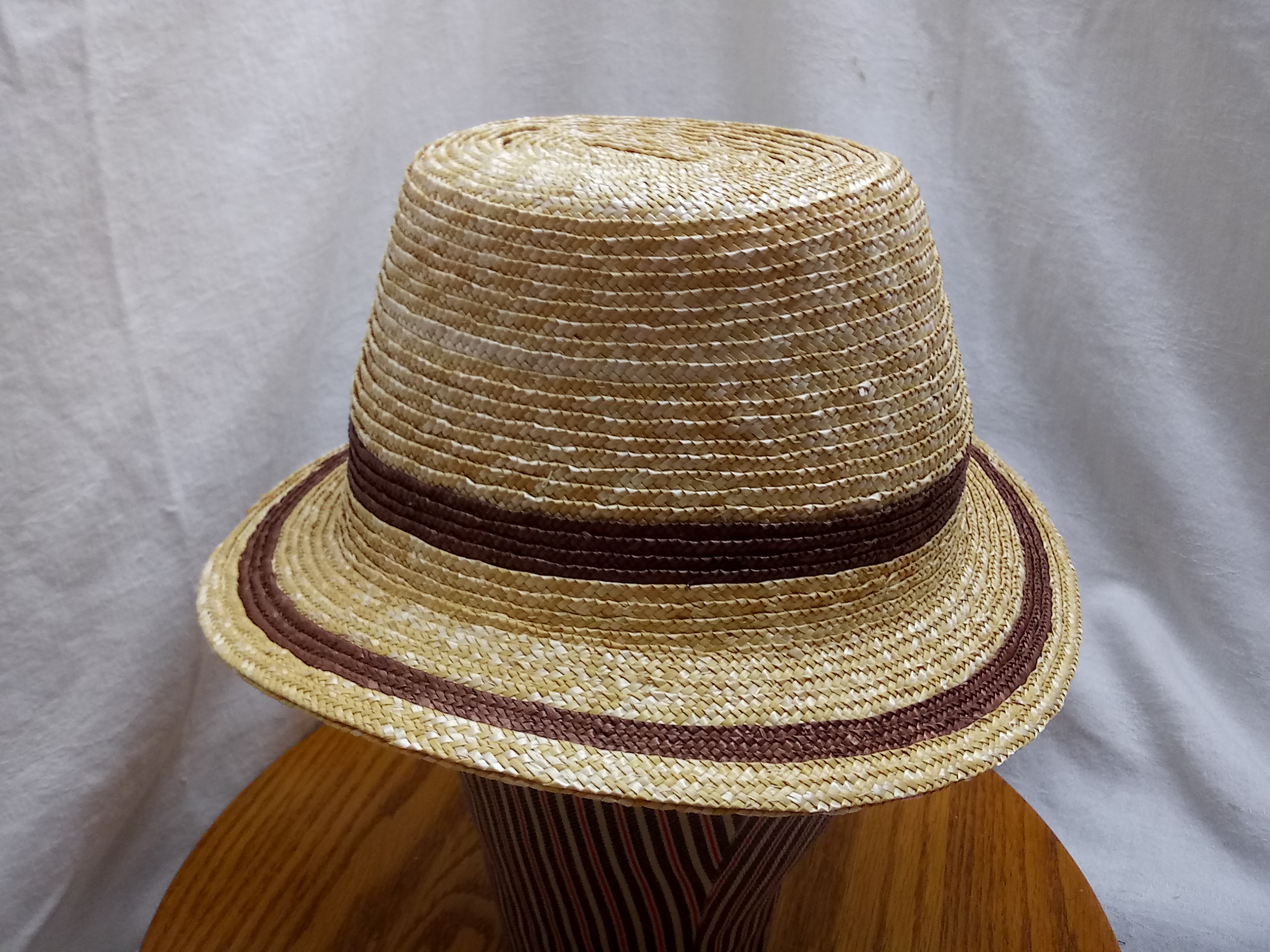
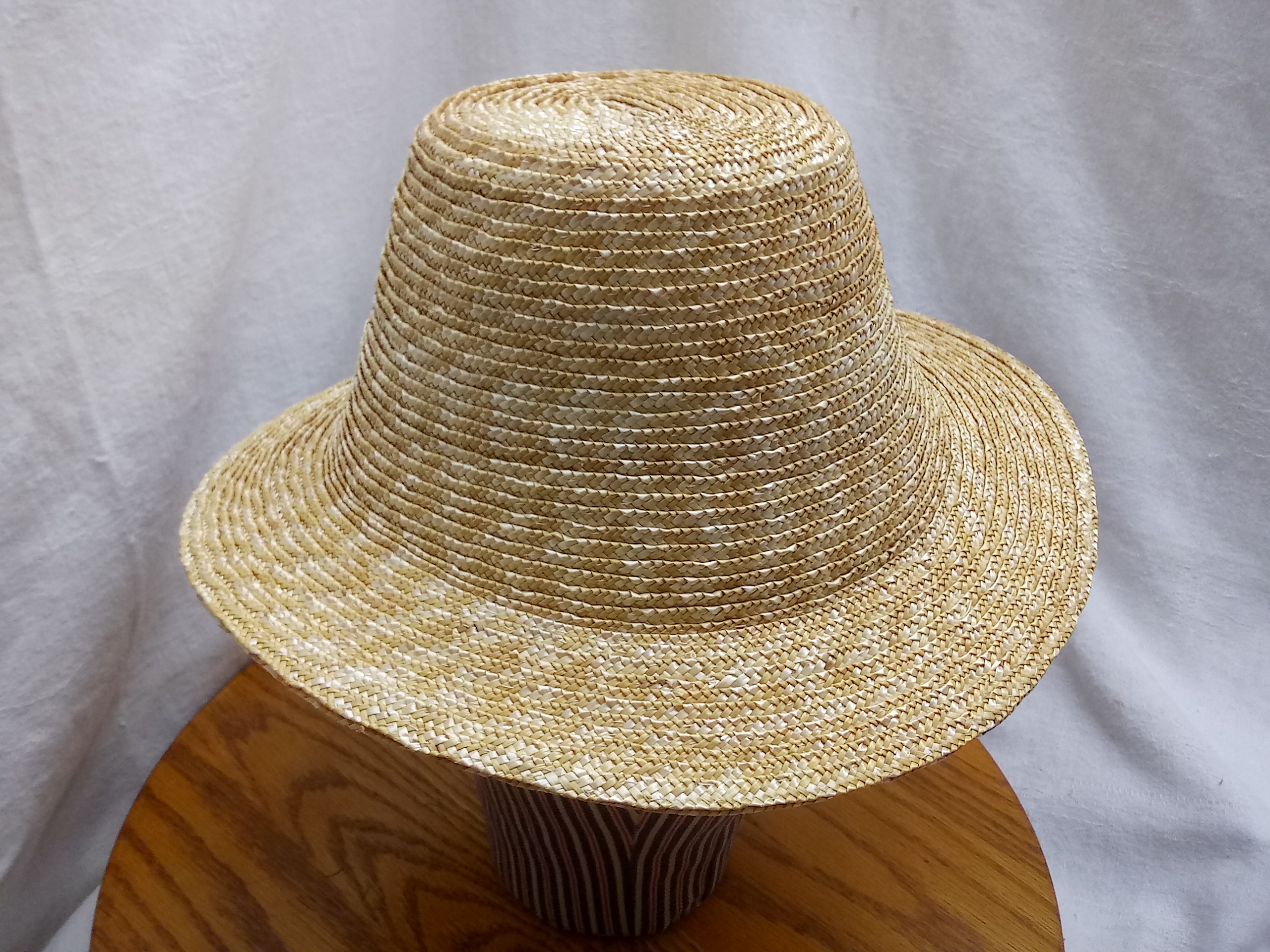
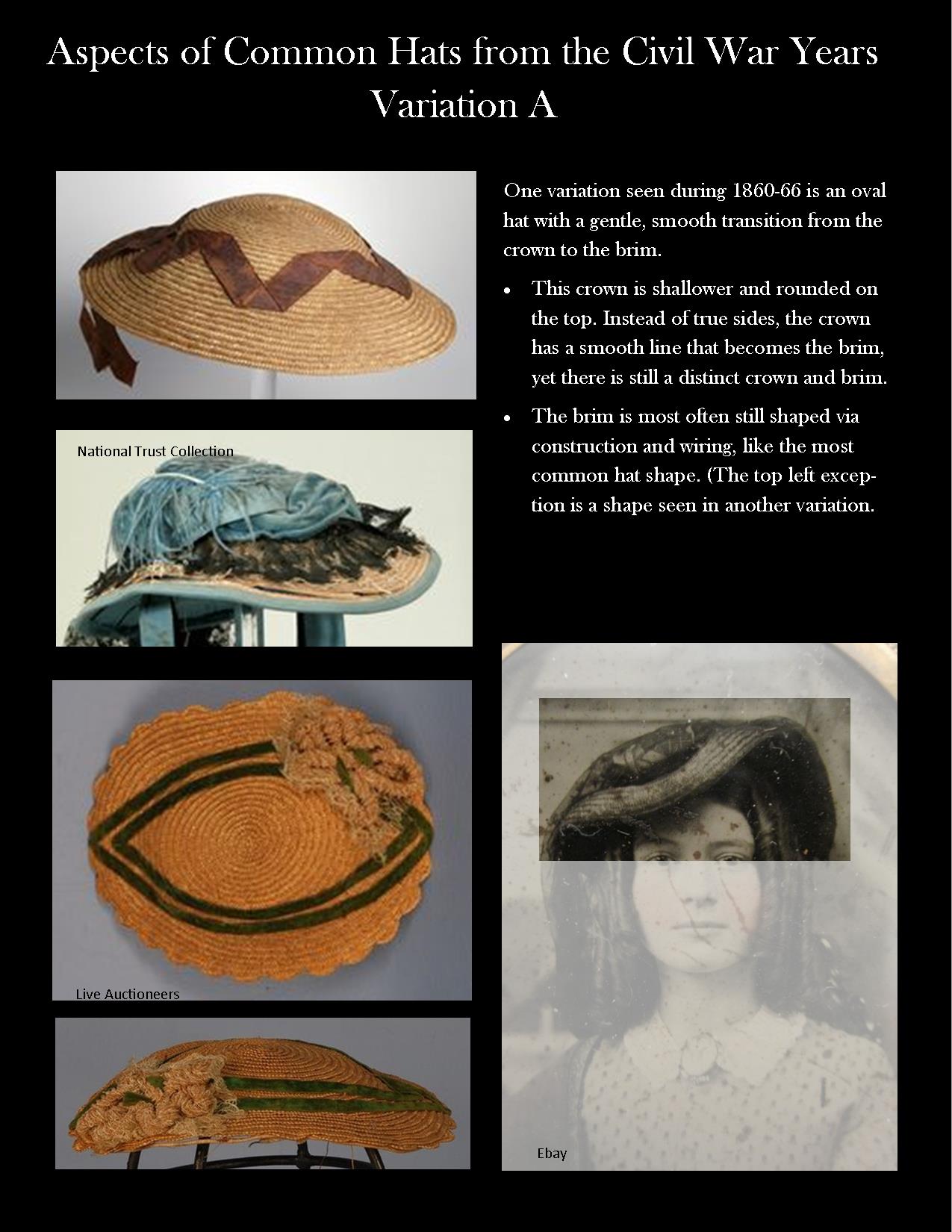
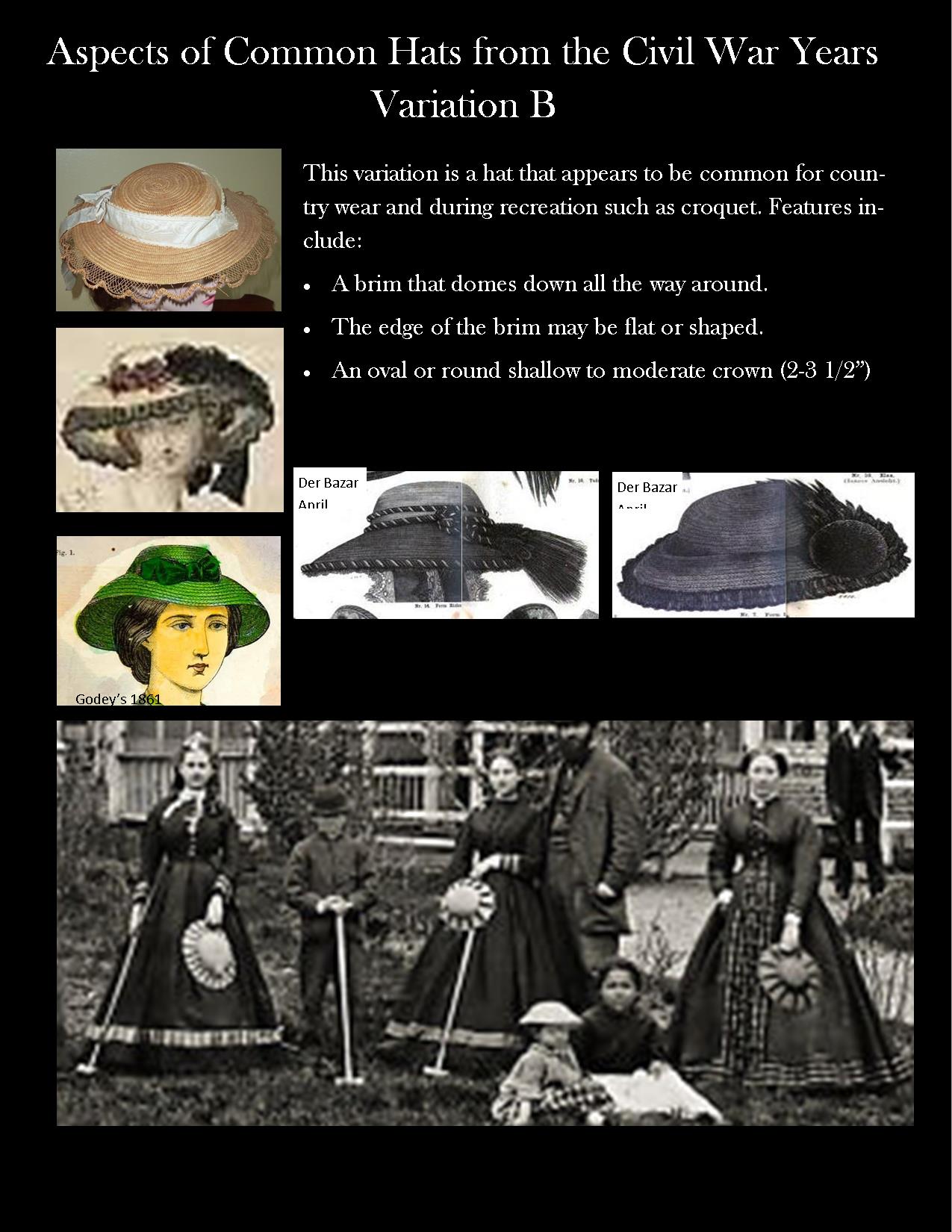
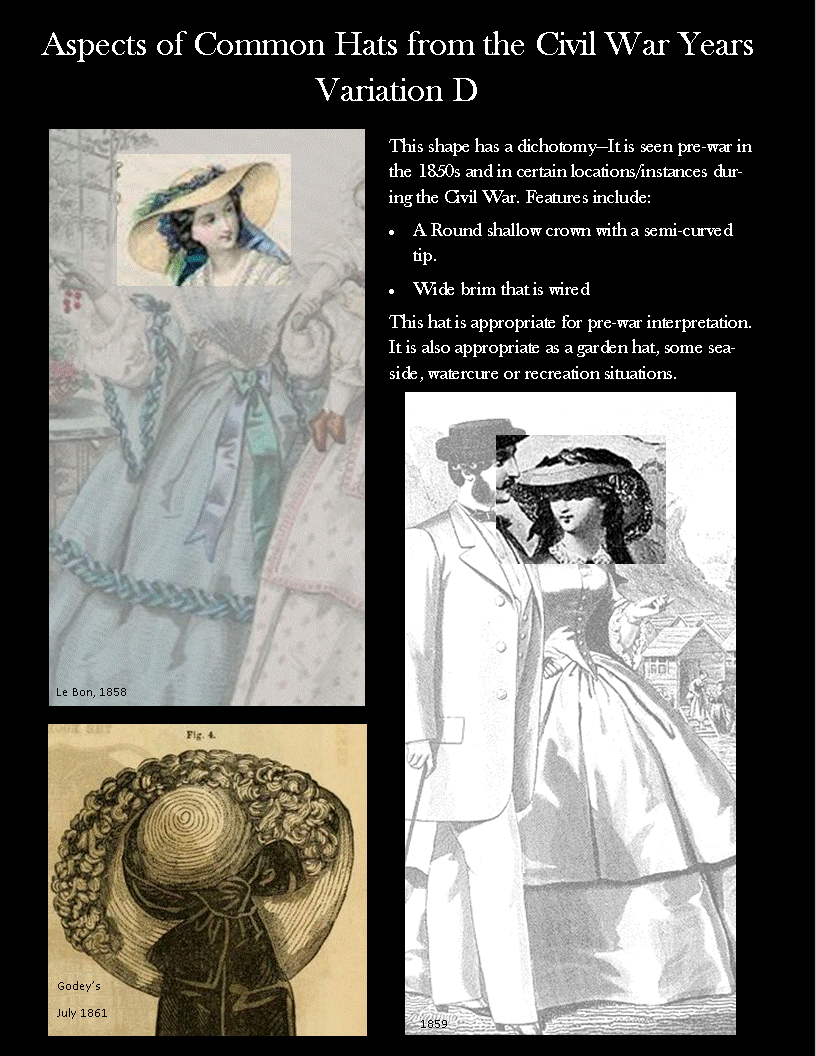
There are 2 main componants to a hat from this era: the crown and the brim. Both thd crown and brim were particularly shaped to reflect the styles of the time.

When selecting hat for an 1860-1865 impression, please keep in mind the situation you are in as well as your impression. In many cases hats had specific purposes and places. These include those for the seaside, watercures, the garden*, and recreation. There are seperate posts for these. I welcome you to explore these. There are also hats appropriate to those of poorer situations, institutionalized or previously so situations, and blockaded situations. (*note: a garden hat is different than one for gardening.)

common 1

common 2

common 3

common 4

This next style is called a “Mousquetaire” hat or a “Postilion” hat.
Mousquetaire hats have tapered crowns that rise about four to five inches, not quite double the height of other fashion hats of the early 1860s. The brim is shaped, with a curve dipping front and back. This brim is narrow, only a few inches wide. The decorations are primarily at the center front, reaching the height of the crown. A ribbon may or may not circle the crown with a bow or arrangement in the back.

Additional variations (I have yet to make graphics for):

  • Smaller hats including Torque and porkpie
Published in: on March 28, 2022 at 4:05 am  Leave a Comment  

Utility

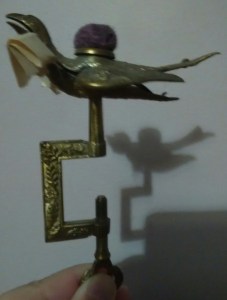
For this day of #historyinherhands , I offer this sewing bird. This charming bird currently holds its history in it’s mouth. 150+ years ago, it held the work of its owner as an anchor while she worked. Items of utility such as this made daily tasks easier.

Published in: on March 27, 2022 at 5:05 am  Leave a Comment  

Iron

For this 23rd day of #historyinherhands , I offer this sad iron in miniature.

Published in: on March 23, 2022 at 6:05 am  Leave a Comment  

Spring Planning

As the calendar has officially turned over to spring, I am in full planning mode. Usually,  I am planning as the new year begins. But, this year is what is is, has been what it has been, and will be what shall be. Onward.

As you have likely seen, I put out two surveys for planning. One looks at long term writing projects while the other looks at workshop possibilities.  Your responses to these surveys are a huge help in planning for those two areas. Thank you.

Events

I plan to be at the following events at GCVM:

Opening Day of the 2022 Season (May 7) and/or Mother’s Day (May 8 ) I will either bring a new pockets interpretation or the kerchief doll dress, tbd.
Antique Show Sale (May 28) Tools of the Trade
Independence Day Celebration (July 4) Picnicking
Celebrating Chocolate Weekend (July 16 & 17) Bonbon dolls
Civil War Living History Weekend (July 23 & 24) Women’s Employments – Millinery
A Novel Weekend (August 6 & 7) tbd
Agricultural Fair (October 1 & 2) Visiting
Domestic Skills Symposium (November 5 & 6) Workshop
Preparing for Winter (November 19 & 20) 19th century winter attire or winter hoods
Holiday Open House (December 18) Victorian Fancy Work Gifts.

Additional events are to be determined.  I did have another museum ask me about doing programs for them. I will let you know if that comes together.

Projects

With events comes projects. Here is what I have in mind right now:

  • A special group of bonnets
  • Kerchief dress for new doll
  • Pocket story project
  • The Eva’s Book project
  • My pink silk organza dress 1810s
  • My sheer wool dress 1850s
  • My sheer rose dress 1850s
Published in: on March 22, 2022 at 6:05 am  Leave a Comment  

Nature

For this 22nd day of #historyinherhands , I offer this delicately inked fish pin keep. This silk over card fish exemplifies how nature was incorporated into women’s fancy work in the Victorian era. Padded with batting inside, this small fish accepts pins into its perimeter for use as needed.

Published in: on March 22, 2022 at 5:05 am  Leave a Comment  

Measuring Your Head for Mid-19th Century Hats – Picking the Hat that Fits

There are two factors for finding a comfortable fit: Size and shape.

Size

The difference in wear or placement means we measure for a mid-nineteenth century had differently than we do for a twentieth or twenty-first century hat. The modern hat is measured just above the eyebrow. (This is also where many of us measure for bonnets. We want to keep you on your toes.) For mid-nineteenth century, we measure higher, at the hair line. In this illustration, we can see the difference between where the two measurements would be.

measure

These higher, hairline measurements are often smaller than those taken at the eyebrow. A hat worn at this point can be slightly smaller to slightly larger for comfort. So, add and subtract an inch to your hairline measure.

For example: I am 22.5″ around at my eyebrows and 21.5″ at my hairline. The vast land of the internet tells me that the average woman’s head measures 22.5″ to 22 5/8″ around at the modern measuring point. So, I am about average. I comfortably wear a mid-nineteenth century hat that is 19.5″ to 21.5″

Here is my head with the tape showing where to measure. This is where I wear most CW era hats. This is the circumference of my head. My measurement is 21 1/2″. (Note: this is a full inch smaller than the modern measurement take lower.)

General guidelines I use:

  • Small = Less than 21″ at the hairline (crown less than 20″)
  • Average = 21″-22.5″ at the hairline (crown 20-21.5″)
  • Large = Greater than 22.5″ at the hairline (crown greater than 22″)

Shape

It is helpful to know whether your head is more round or more oval.When looking from above, some people have rounder heads while other have more oval heads. I have an average oval head. Very round hats don’t work for me without adding to the lining.

round ovalHat blocks can be more round or more oval with the same circumference. To illustrate: Both of these shapes to the right can have a circumference of 22.5″. Yet, the same hat would fit each head differently.

Published in: on March 21, 2022 at 4:05 am  Leave a Comment  

Head

For this twentieth day of #historyinherhands , I simply offer this row of heads.

More on this bracelet.

Published in: on March 20, 2022 at 6:05 am  Leave a Comment  

Change

For this 18th day of #historyinherhands , I offer this assortment of sewing tools in light of change. Looking at these bone tools, one can not help but see how materials have changed from one century to the next. Now, each of these has been replaced by variations of plastic in common use.

Published in: on March 18, 2022 at 6:47 am  Leave a Comment  

Writing Projects Survey

This survey looks at 4 larger projects I have rolling around in my head. Please take a moment to answer the questions to help me plan.

https://forms.gle/RZEdogaMmEtErJpF8

Published in: on March 17, 2022 at 7:28 am  Leave a Comment  

Skill

For this seventeenth day of #historyinherhands , I offer this collection of antique straw motifs. While in the latter twentieth and twenty-first centuries straw worked into figures such as these has become an art and craft in itself, many of these motifs were used in nineteenth century millinery. Straw leaves were worked separately and added to bonnets or hats as well as being worked directly on a piece. Straw balls and baubles were created over wooden and cotton bead-like cores.

Published in: on March 17, 2022 at 5:05 am  Comments (2)