Something to listen to…
Audio Program “Glance at the Past: The Milliners”
There will be a box with a play button in the upper right. Click play.
Something to listen to…
Audio Program “Glance at the Past: The Milliners”
There will be a box with a play button in the upper right. Click play.

Rolling thoughts….. We all know I love little sewing boxes. I love making them and I love using them.
But, some times you need a box for Everything. I rather like Lydia Jane’s nickname for this type of sewing box, the “mothership.” This is the sewing box that holds just about everything you might need, every tool, every thread, every “just incase”. For some, this might contain a small project or two. (Before going further, there are a couple must read pages from Miss Leslie I think would be nice to tuck into a sewing box for occasional reference for mind set. READ ME.)
The women of the mid-nineteenth century certainly had their “box for everything” sewing boxes, aka “Work-boxes”, “sewing chests”….
Some were downright Amazing such as this stunning inlaid box in England. This example is lined with red and white silk and velvet, inlaid with flowers, birds and butterflies, filled with silver tools for every need. Just beautiful. Just as costly then as it would be now. More my style of drool-worthy is this ca 1830s rosewood and bird’s eye maple chest with incredible flowers worked into the wood. It has delicate mother of pearl inlay and a blue velvet interior. This too would have been a sewing chest for a lady with a more comfortable position. (While the 1830s date would put many items out of the 50s-60s bracket for most, in my opinion a piece like this is a life-long piece that could have been acquired in one’s 20s.) She has long since lost her sewing tools. This prompts me to wonder how many such sewing chests which have lost or been stripped of their contents over the years have been dubbed jewelry boxes instead. If you have an impression for which such a sewing chest is suitable, I highly suggest reading up on furniture styles of the 1830s, 40s and 50s before making a selection. Keep in mind, these highly decorative boxes might not be the proper goal for every impression. (Pricing thoughts to ponder further- We can find them listed in exhibition catalogs (ex1851) along with other very high end goods. This gives a hint.)
If you particularly love the chest style box but have an impression more towards upper working class, a simpler box with simple decoration may suit. These examples fall on the upper end of what I am trying to describe. Example 1, Example 2, Example 3. The MOP inlay on example 1 and the interior decoration in example 2 are the parts I am iffy on in terms of where the pricing would have landed for some one. Example 2 is also post-war. That said, these are boxes that could be carefully mimicked sans inlay. Notice how the interior compartments are actually a separately constructed piece that sets inside the box itself? This could be done with velvet or silk covered pasteboard or covered wood. (Guess who has just realized she has given herself another project???)
I do need to look into how much imported sewing boxes, such as this one at the MFA, actually cost in the mid-century and who would, or would not, have owned them. This page makes me wonder even more since this shows two girls being gifted sewing boxes, un-described sewing boxes.
What about the sewing box an everyday, middle of the working class women?
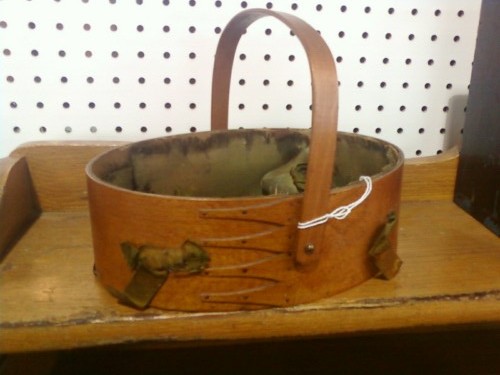
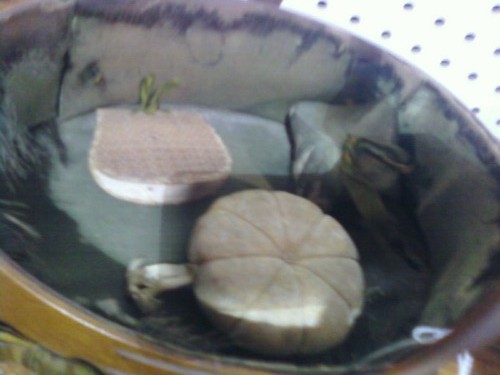 In areas where Shaker goods could be purchased (paragraph 6), a Shaker sewing box is an option. Here are two examples of Shaker boxes made into sewing boxes from a show I was at a few years back. When properly made, these boxes are quite sturdy. They have nicely fitted lids usually. They range in size as well, giving you several options. (I thought way in the back of my head thinks there may be standard sizes.) In the examples to the right, the box is lined on the bottom and around the wall with pockets for items. Matching pieces such as pincushions, needle-book and scissors holder are often seen. If this type of box is what appeals, find a well made Shaker box. I suggest doing the lining by covering a pasteboard or cardstock paper with the fabric, pockets already set in. This, slid in snuggly, will allow you to use minimum adhesive while giving a clean edge. This also allows you to change the interior later. (note – This is what I know in this area growing up to be Shaker boxes. I’m anxious to hear what T.L. shares about the difference between the boxes Shakers had for themselves and those they sold.)
If you are interpreting at home, do not discount the sewing basket. We often see the sewing basket, cloth or projects draping out of it, in paintings. While these may not be the idea for mobile impression, they are practical and correct for stationary ones. Do keep in mind that baskets have holes while tools and needles are small. Plan to have smaller storage pieces, such as a sewing box, inside.
And, then there are sewing stands. In my opinion, a whole other subject that very few mobile impressions would need.
Possibly more to come….
Related reads:
Examples of which I am fond:
Things to look up:
I may be on a (cranky) roll. But, I’m sick of incorrect shapes when there are some very nice ones available.
First and far-most, 1850s and 60s fashionable straw hats were rarely circular. (This does not count seaside hats, garden hats, hats for the watercure and such. Those are not fashion hats.) Fashionable hats were ovular. Fashionable hats had curves. I can’t get any more simple that this: (That should say “The Basic Shape of CW Era Straw Hats”)

This is not new news. Take a look at this nice blog post from Crown Heads Millinery from 2013. Don’t miss her example either. We also took some time to look at shapes here back in 2009.
This hat that was up for auction some years ago is excellent for seeing the shape from above. Notice how the crown is oval as well as the brim. The front and back reach much further than the sides.
Here is a page from the September, 1857 Godey’s Lady’s Book. Notice the general shapes.
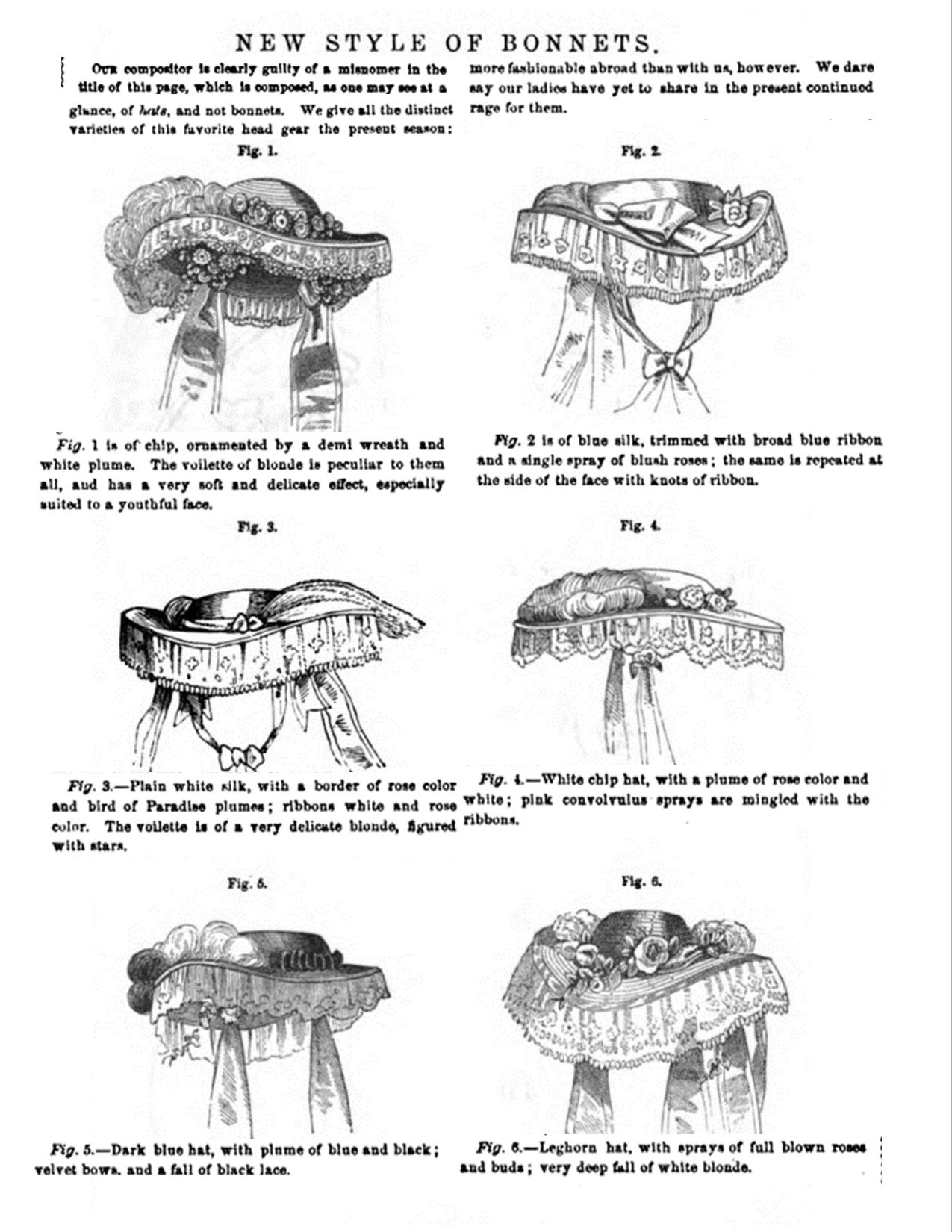

From http://www.thegracefullady.com (click link for full image)
The images to the right show ladies holding hats that obviously show the shape of the crown and brim.
his painting, Portrait of Mary French, 1862, shows how a shaped, fashionable hat sits on the head. Notice how the brim dips in front of her eyes and in the back. If her head was level, part of her vision was likely blocked.
Looking for a CW era straw fashion hat? The first place you should look is on Pam Robles site. She spent a very, very long time getting her woven straw shapes right. I will also hand make hats on occasion.
I strongly caution you to get a solid second opinion on any hat under $75. Take a close look at the type of straw, the sewing, the thread used and of course the shaping. Handsewing a straw plait hat will take at least 6 hours. They then need to be wired and blocked. Woven straws need extra special attention to the details of shaping in the blocking and wiring process taking time.
Coming soon in another post:
Now that I’ve talked about Fashion Straw Hats, there will of course be people saying “but what about this one”. One word:
Context.
Yes, there were other shape hats…. They all have their place. It is very important to understand the context of these other shapes before you wear one.
I am quite convinced that certain issues come up in a cycle rotating almost every two years or so.
This post has to deal with one of those issues. I will try to get through it as nicely and politely as possible. 
Lately, there have been some issues with violating Intellectual Property Rights. As such, we will start there.
What is Intellectual Property?
“Intellectual property refers to creations of the mind: inventions; literary and artistic works; and symbols, names and images used in commerce.” (World Intellectual Property Organization.)
What are Intellectual Property Rights?
Intellectual property rights are the rights given to persons over the creations of their minds. They usually give the creator an exclusive right over the use of his/her creation for a certain period of time. (World Trade Organization)
and
Article 27. Section 2 “Everyone has the right to the protection of the moral and material interests resulting from any scientific, literary or artistic production of which he is the author.” (The Universal Declaration of Human Rights.)
Copying and distributing someone’s research without permission violates Intellectual Property Rights. Using someone’s photos from the internet without their written permission violates Intellectual Property Rights. Taking photos of someone’s slideshow and sharing them violates Intellectual Property Rights. This is as much a moral issue as it is a legal issue.
Now, I am not going to address other instances of late as those are other people’s business. I will address part of my end.
I feel I share quite generously that which I am happy to share. This past year, I shared transcribed primary information weekly for millinery and in a variety of series for other social and material culture topics. I have shared a number of how-tos and directions over the years. Besides my blog, I have shared a notable amount of research and information in printed publications.
Frankly, I put a great deal of my time, thought, energy and money into my research and writing. I know there is some delusion oou there that those of us who work in the public school system live a comfortable lifestyle. I assure you, this is not the case. I do not have oodles of extra time and extra cash laying around to toss at a fun little hobby. I take my research seriously and choose to cut other parts of my budget to get what I need to do my research.
I have been asked for particular pieces of research lately.
I want to be happy to share these. My gut reaction actually is to share. But, the reality is I have had my millinery work copied and sold. I have had my directions copied and distributed.
There is no way for me to tell if someone asking is doing so for honest reasons of personal enrichment, curiosity and improvement, or if they are looking for some pre-done research they can make a quick profit off of.
I acknowledge some people may not realize they have done this; they may not have malicious intent.
But, it happens.
And, frankly it sucks.
This said…. Yes, I am working on a couple projects. I have one pet one in particular. You will see some of the products resulting from some of the work during this project. You, meaning the general internet public, will not see the details of this project until I have decided the format and venue to properly introduce it.
Please, as take time to consider how you can protect Intellectual Property Rights whether your’s or someone else’s.
 There has been lots of discussion lately about how to make ribbon hairnets. Here is a set of directions I posted on the Sewing Academy back in 2007.
Please be sure to take the time to read To Net or Not to Net and to look at original hairnets before proceeding. This will give you a better idea of appropriate materials, fibers, widths and weight.
Okay, a quick 7 am modern method of making an easy ribbon net….. Let’s see if I can make any sense this morning.
This is for a simple, basic ribbon net with no decorations, made with silk or velvet ribbon cut while woven. There is a way to do it with one long piece of ribbon. I don’t think I am awake enough to describe that clearly. It really is better with pictures.
You are going to want a surface to work on, either something to pin the ribbons to or to hold the ribbon ends. For the first ribbon net I made, I used a large 12 or 14 inch embroidery hoop. A large pillow will work nicely as will a piece of cardboard. Draw a circle 12 to 14 inches in diameter depending on the size of your head and the amount of hair you have when done up. Use a compass or a dinner plate. Now decide how close you want your ribbons to sit. If you have 1/2″ wide ribbon, 1/4″ space is good. If you have 3/4″ ribbon 1/4″ to 1/2″ is good.
Cut two ribbons 2 inches longer than you circle is wide (14″ or 16″). Center them in a + on your circle. Pin each end at the edge of the circle. This marks the center of your net. If you need to mark out a grid for your ribbon placement, just measure your spaces and ribbon width away from center on all 4 sides. Or, you can just eye it. Measure 4 lengths of ribbon for above, below, right and left of the center +. Cut them and lay them down in place, the decided distance from the previous ribbons. Repeat in sets of 4 until you reach the edge of the circle.
Weave the ribbons over & under each other as you would a basket bottom. I like to work from the center out. Adjust your ribbons so they are set your chosen distance apart. Pin each end on the circle. With a matching thread, tack each + point with thread. When all the + points are stitched, work on the edges. Unpin one ribbon end. Turn the end under creating a half inch loop. Stitch the loop securely. Repeat this for every ribbon end.
When all the ends are looped, take a length of ribbon or plain elastic and run it through all of the loops. The elastic will need to be roughly 3 times the diameter (less than the real circle’s circumference) to bring the sides of the net in once the elastic is tied. The ribbon can be 3 to 4 times the width depending on how much ribbon you want to tie the net with.
Chandra M shared photos in the SA thread of her hairnet using these directions with brown velvet. Take a look.
A couple years later, but not much more awake (it has been a long, cold week), I have this idea in my head that one of those round knitting thingies may work nicely as well. It may even make the single strand of ribbon version easily doable. You could weave the ribbon across one direction, then back across weaving, using the little tabs. Sew. Then slide the ends off.
Fanciful Utility: Victorian Sewing Cases and Needle-books is available directly from the publisher, ESC Publishing.
Straw Millinery, Drawn Millinery and Winter Millinery are all available in my Etsy Store.
Handmade Sewing Cases and Needle-books are available in my Etsy Store.
From Field to Fashion and my Quilted Hood Pattern are currently out of print. When they are back in print, they will be available in my Etsy Story.
I noticed Fanciful Utility only has one rater with only 4 stars on Good Reads. Okay, so, I pouted a little over only one rater.
Please, take a moment to rate Fanciful Utility.
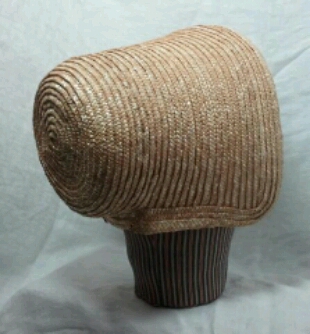 Okay, technically, my first all straw Regency bonnet. I did make a silk & straw about a decade ago. Skills have improved since then.
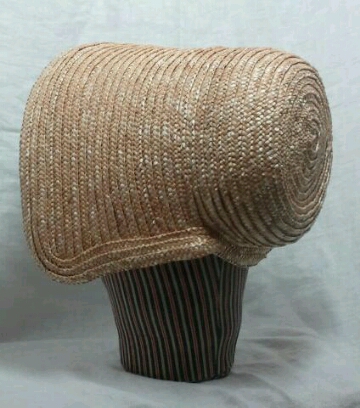
 When I started this piece, I had another bonnet in mind. But, the straw quickly told me it wanted to be this bonnet I had seen just before. I complied.
Then, as I worked, I became very worried I was going to run out of straw. This is indeed the very, very last of this hank of plait.
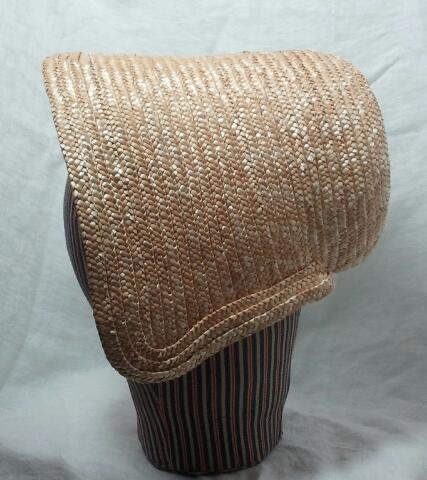
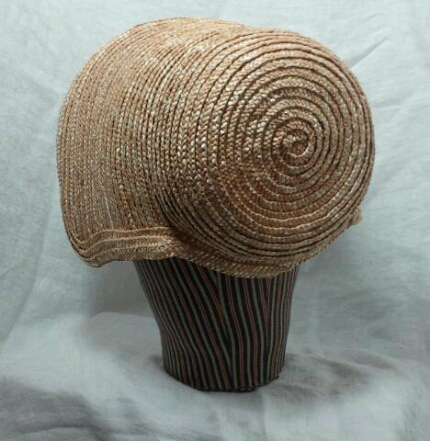
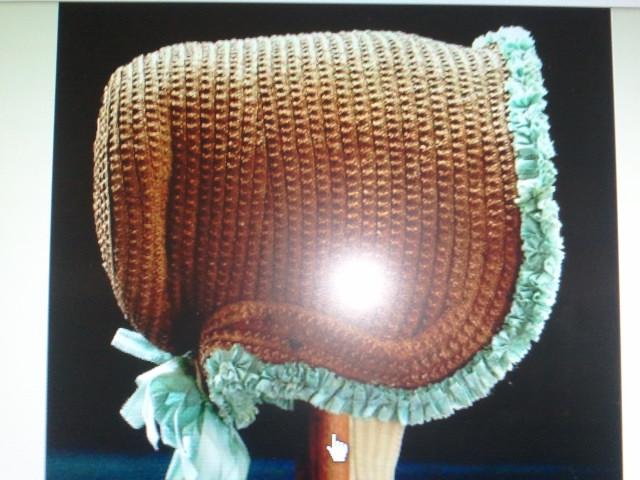
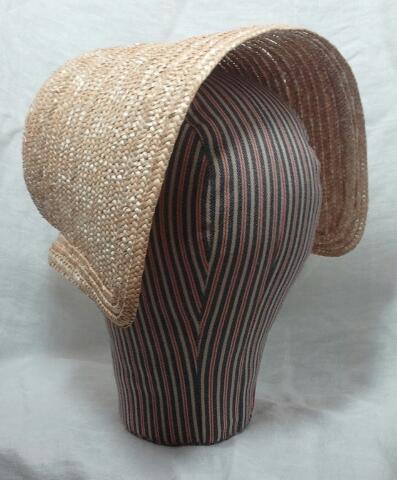 Original bonnet 1, 2 and original site.