Except from “The Romance of a Tassel” (The Christmas Annual, 1860)
We were to have a sleigh-ride, and the principal topic of conversation was, the delightful morning and the promise of pleasure; I was olde enough to feel all the enthusiasm of the occasion, and yet to temper my feelings with quietness. My Cousin Kate and I had been knitting some new hoods, beautiful we thought them, and of a new pattern. As my fingers had toiled through the countless loops, I had only thought what a delight it would be to wear it, and a little vanity was mingled with my feeling, for truly I looked like another person in its scarlet and white border than in the faded silk of my old hood.
All the young girls and boys of the village were to go to this ride, and I knew very well that Kate and I would have the most dashing head-gear of the party and I remembered with pleasure, that Esquire Thomas’s son Chester had come from the city and was to be one of the party.
I presume I tried my hood on twenty times the day before, because, I said, it felt so comfortable, but I had to look in the glass each time to see just how comfortable it felt.
After our breakfast was over, my Uncle Oliver rode up with his daughter Nancy, who had been sent to join in the day’s pleasure. She lived several miles back in the country, and I must acknowledge that I felt too little interest in her pale face and quiet manners, because I thought she was not quite so smart in her ways and dress as we village girls; but I had not an unkind heart, and so I ran to meet her with a hearty welcome, saying “Why, how cold you are; your cheeks at least are red as roses; come to the fire.” My mother with gentle manner took off her straw bonnet, trimmed with its light faded ribbon, and gave her some coffee, and I ran to get ready for the ride. It took me an hour. I twisted my curls over and over again. I asked Kate if I looked well enough. Then I put on my hood – too it off – re-arranged my curls. “There,” said Kate at last, “you look like father’s beautiful scarlet and white carnation pinks, and if Chester does not say so, I will box his ears.” – And what will Chester say of you?” I asked “Oh what he always does. “you most beauchiful butcherfly.” “But is not Chester handsome, Susy? And he is really so good, so manly, so noble, father says, none of your fops – but come, let’s go down.”
Just then my mother with her gentle touch opened the door. I remembered the look she cast on me – it was one of mingled pride and trust – her eye was bright and cheerful, but there was a look so ful of hope for me and trust in me, that I ran up to her with a kiss as hearty as when I was five instead of fifteen.
“Susy,” said she, in her animated but gentle manner, “Nancy has nothing to wear but her straw bonnet. She will be ill if she thus exposes herself to the cold wind. She says sh will stay with me rather than suffer as she did coming here this morning.” “Well I think it’s queer how some people live,” said I, “Never having anything to wear that is appropriate.” But Susy, she says her mother has been so sick, and you know her father is rather afraid of pennies.” “Afraid! I should should think he was anything but afraid the way he hugs them. Well, Nancy can have my old hood, thought it don’t look very well, but it is better than that old straw bonnet.”
My mother’s look changed instantaneously; there was a sad, half reproachful, half hopeful look on her face as she opened the door, saying, “Would you like to have her wear the old one?” She shut the door and went out. What a commotion was in my heart. I knew my mother had expected me to offer my new hood to Nancy, and wear the old one myself; but what visions were before me of Chester and the effect of my hood on him; of the general look of the whole party as they saw me again in that old Silk. Then came to my ear the sweet tones of my Mother’s voice. I heard all she felt, but more powerful was the thought of what would they say to see me looking like an “old dud.”
I believe I should yielded to the selfishness of my heart if Kate had not spoken.
“I think it is absurd for your mother to ask it; of course you will wear your own things.” Her tone and manner brought to me my Mother’s hopeful trust in me, for she had called her absurd and I knew she was anything but that.
“Of course I shall,” said I, and I ran from the room with swift step. I tore my hood from my head on the way. “Here Nancy,” said I, “You must wear my hood this once, it is so warm and perhaps your father will get you worsted to knit one – Wont you Uncle Oliver? It only costs a dollar., and just see how fine it looks.”
Continue reading on page 100…
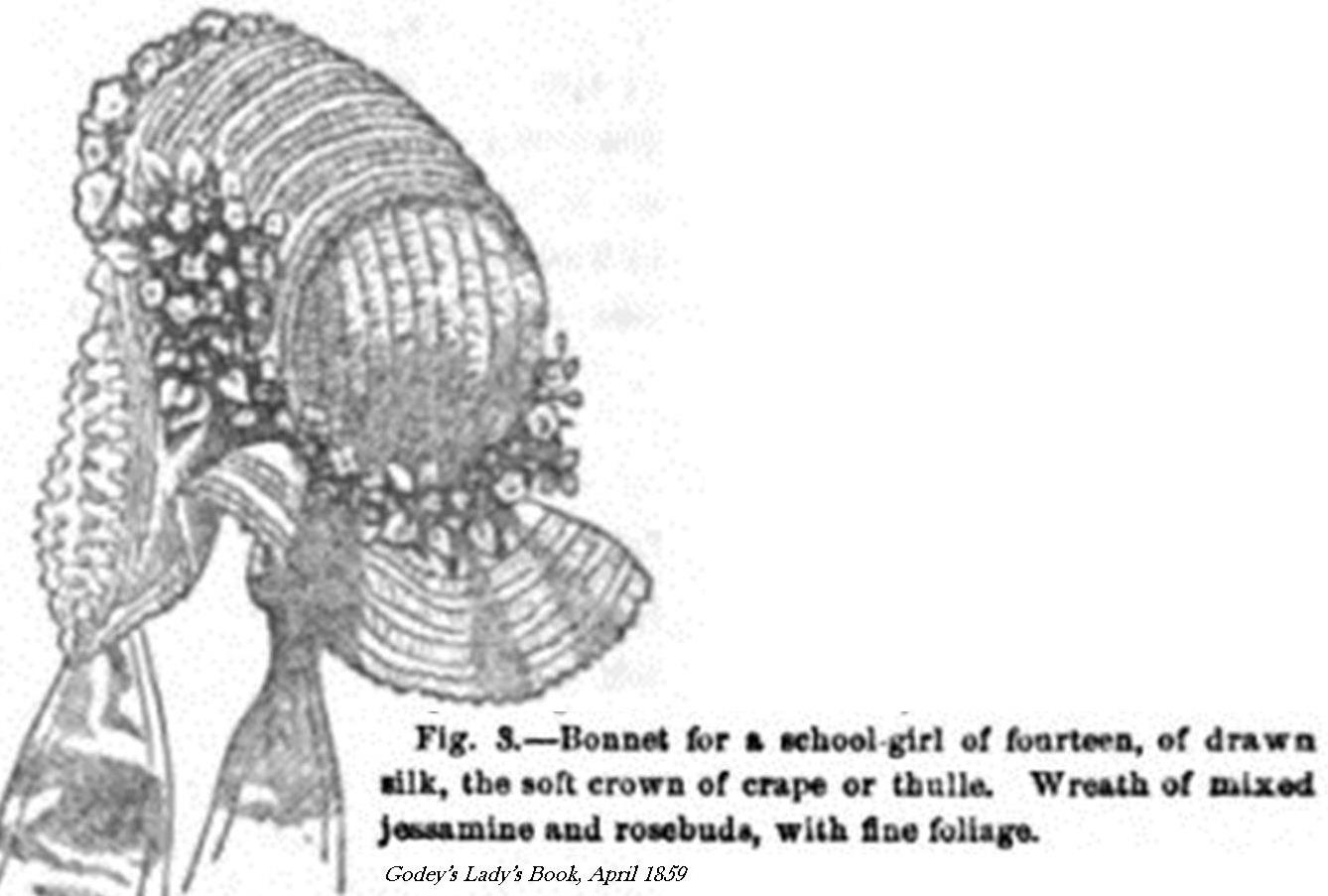
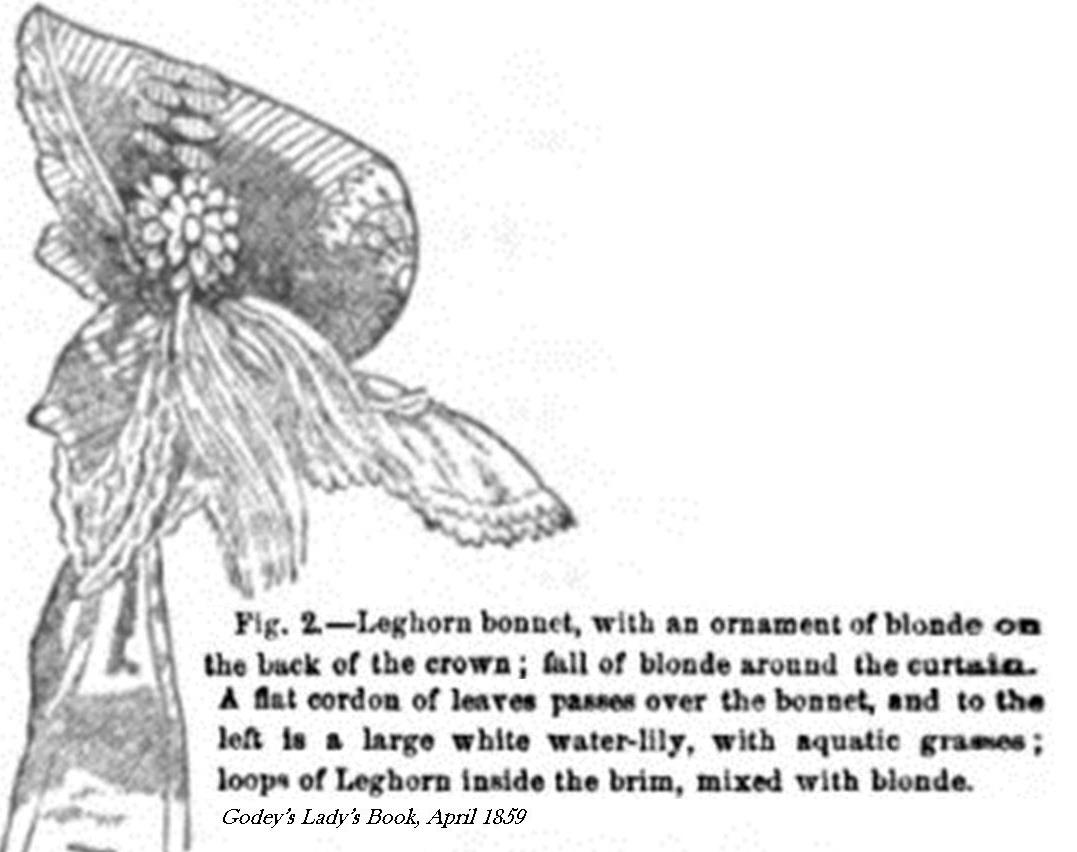
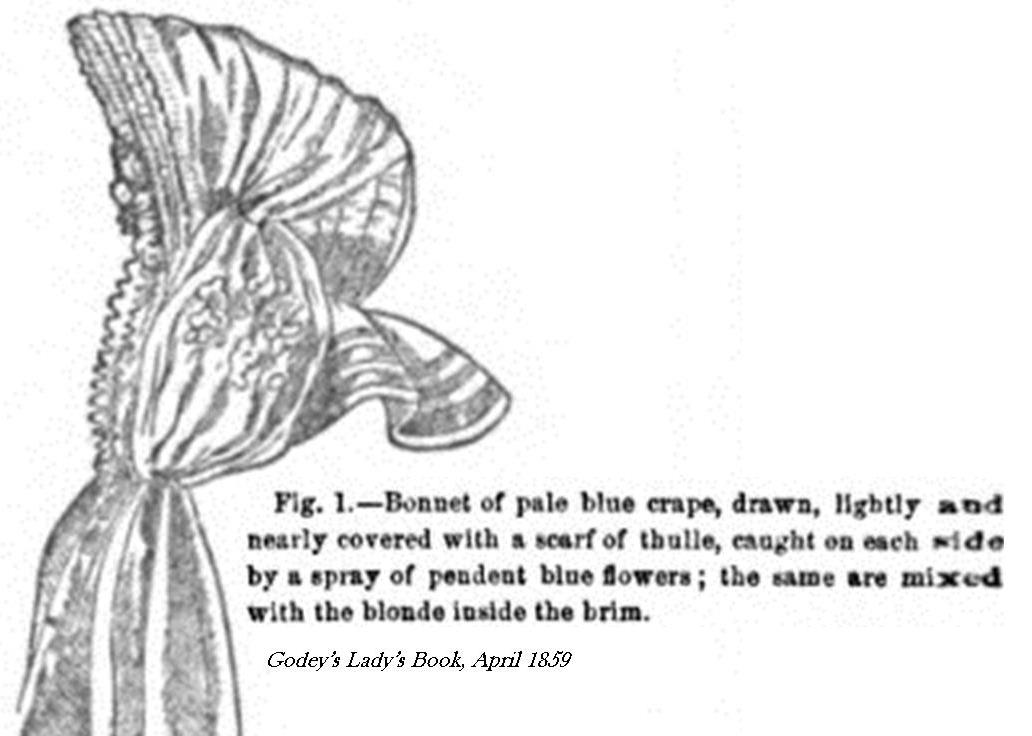

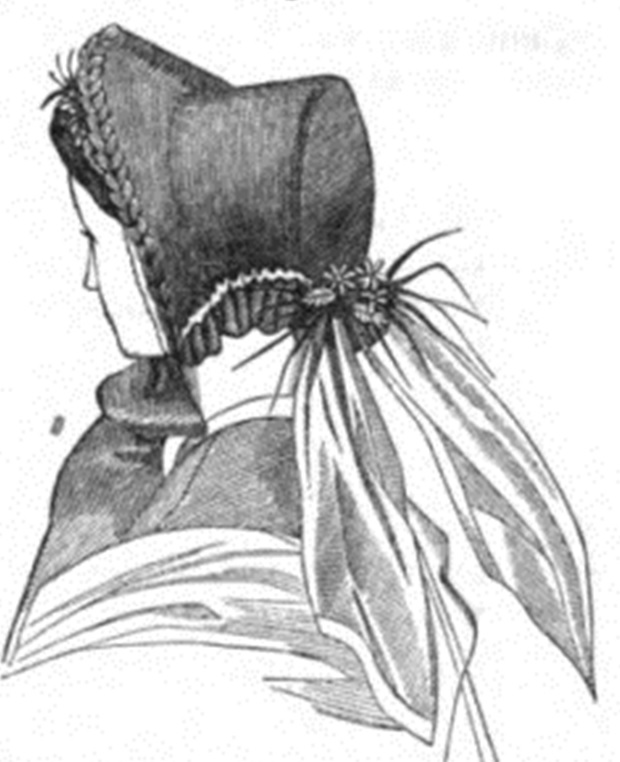

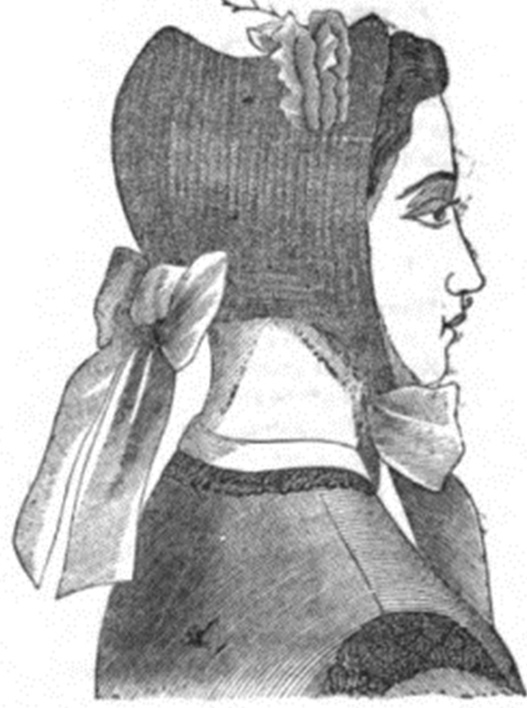
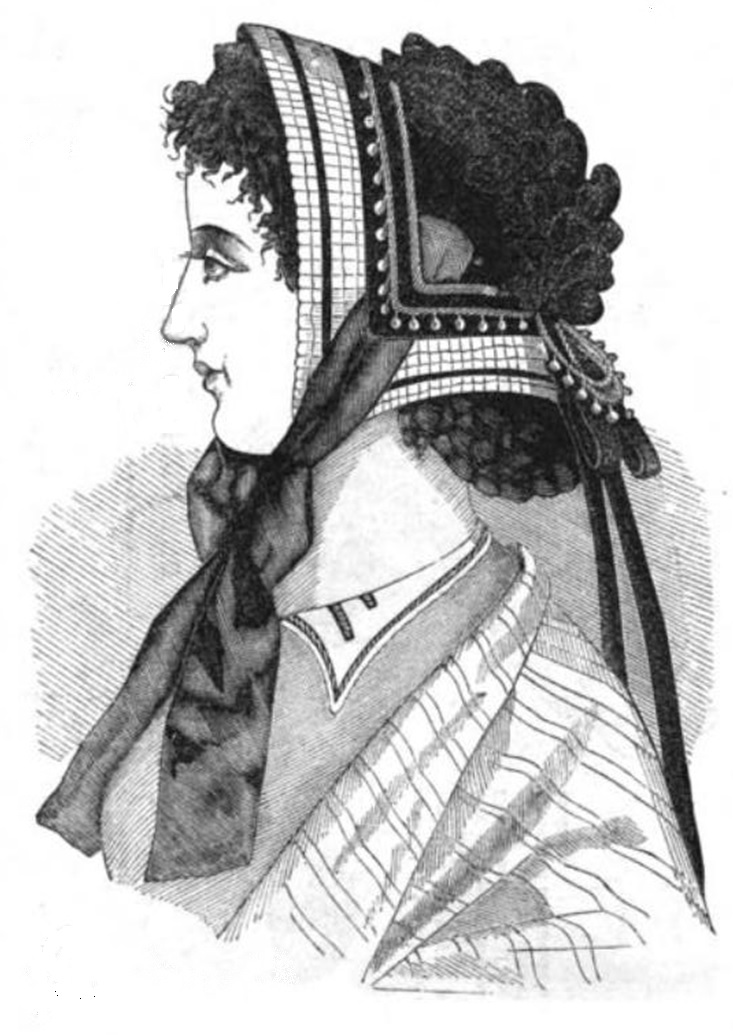
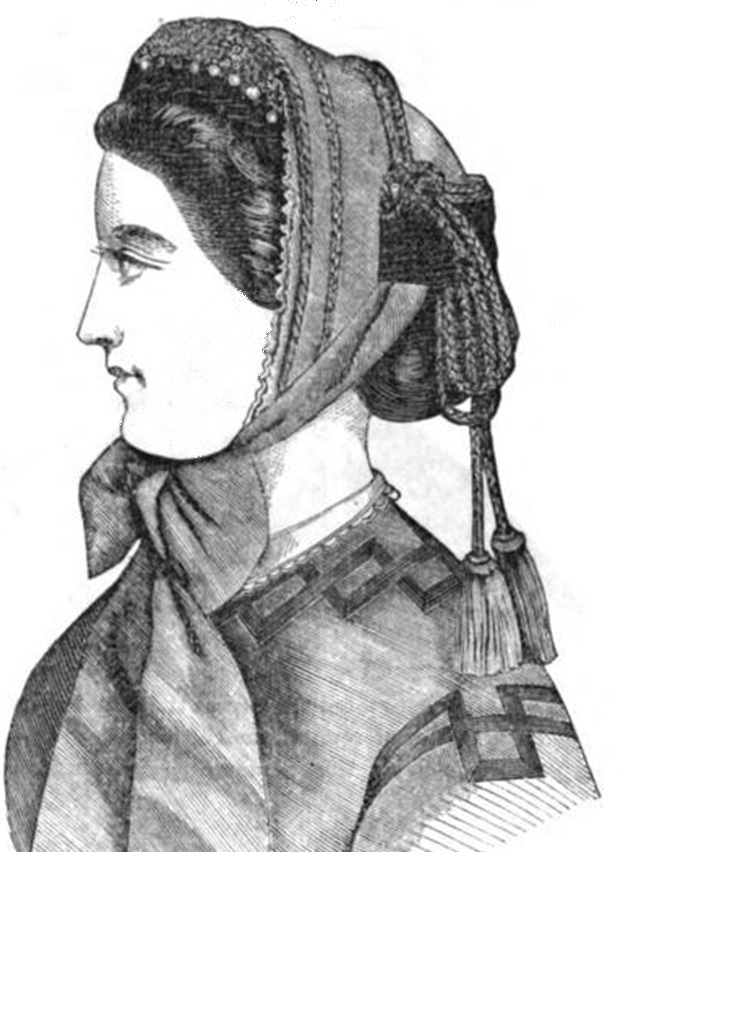
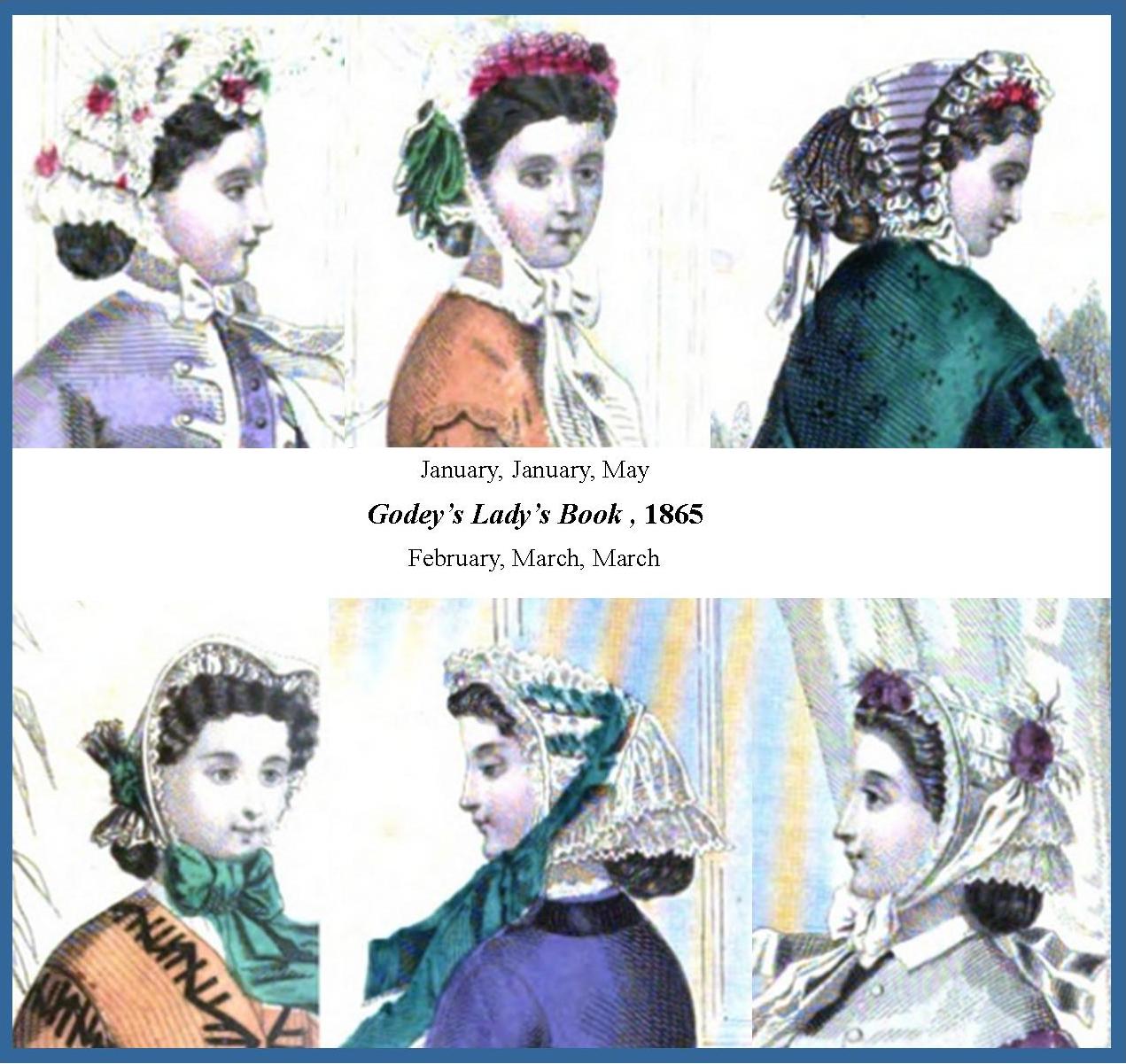
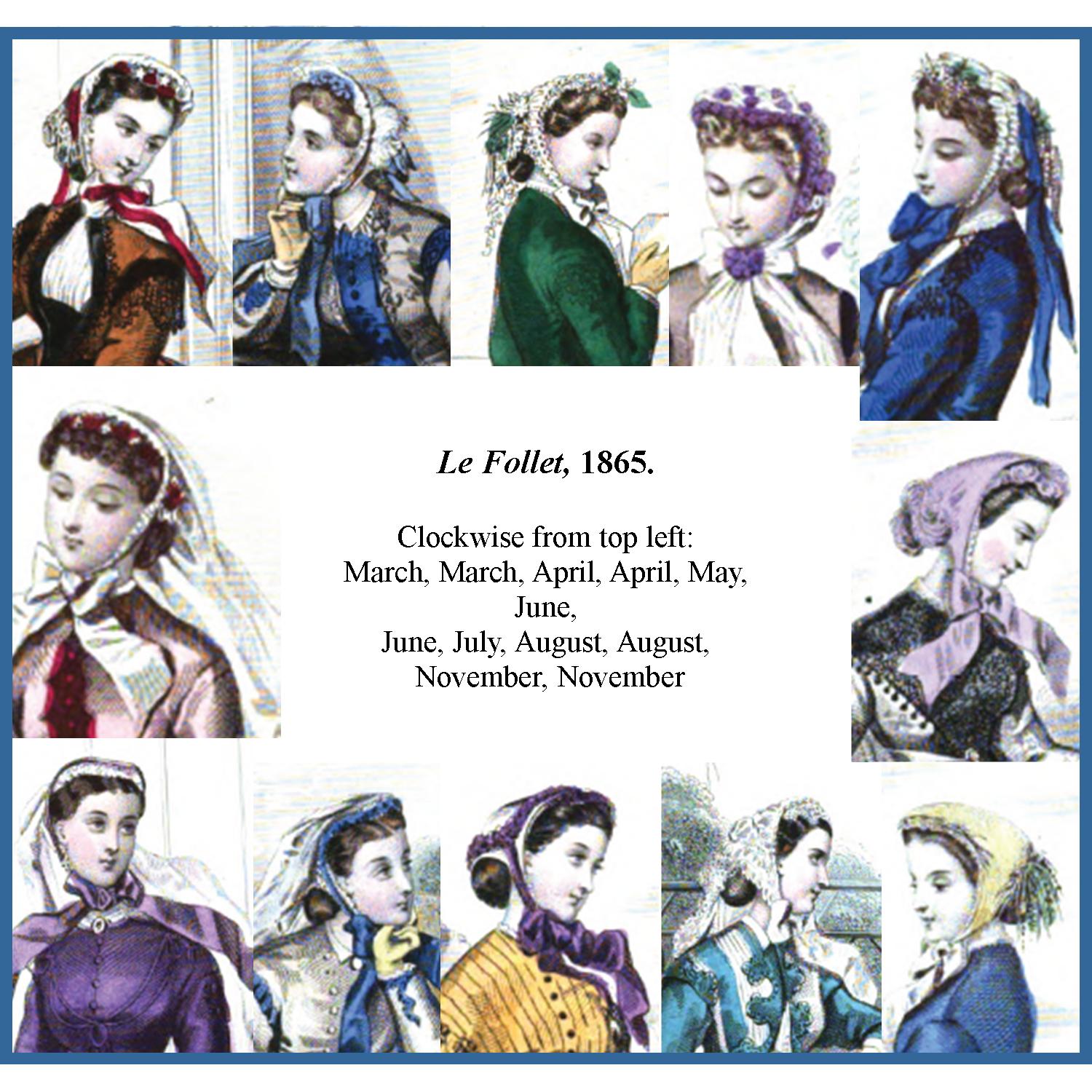

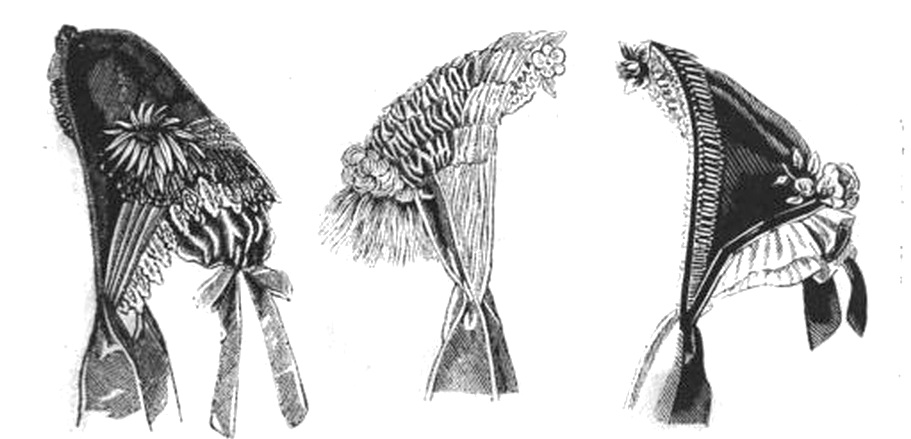
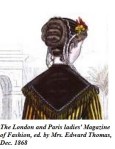 Really, I just don’t get it. What were they thinking? Going from beautifully shaped bonnets through the 50s into the 60s… then…”hmm, let’s just make wonky triangles to stick on our heads.”
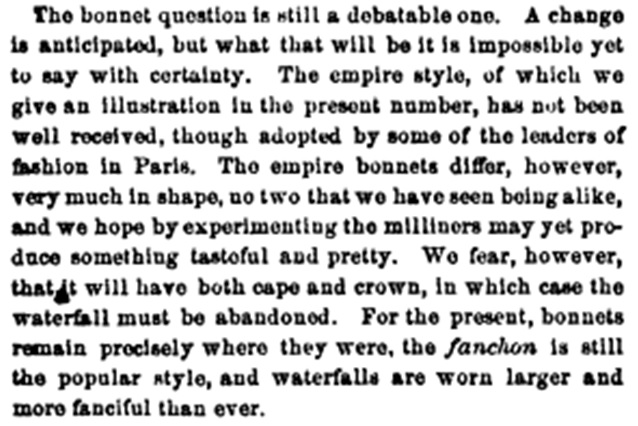
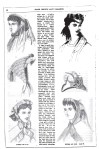 “The Fanchon, or half-Handkerchief style of bonnet which now prevails universally, is found by many to be “too common” – it is so easy to make at home, everybody wears a bonnet d la fanchon; and what everybody wears is not always acceptable, so the Empire shape, which is more difficult to improvise, is eulogized as “distinguished,” and adopted by a very small minority.” (The Australian Journal, 1866)
 The Fanchon was accompanied by the “la tarte”, the “Lamballe” and the Manderin. All on the smaller side. Not everyone of the time were impressed by this phase in millinery fashion. “At present the bonnet is not a bonnet…. It strikes our uninstructed minds as a misnomer to call a bason of crape a bonnet, and yet it is a bonnet according to Le Follet, and belongs to the genus of “Fanchon”…. Paying for a bonnet should be a pleasure, and we have no doubt it is; we trust, though, that the “Mandarin,” the “Lamballe,” and “La Tarte” are only temporary, and that a bonnet will not become so diminutive as to puzzle a very Owen of millinery, who might be asked to construct one from a future “Fanchon”.” (Every Saturday, 1866)
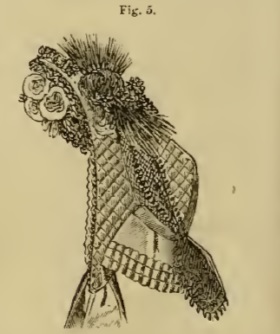
 We quickly see the Empire bonnet come to counter the Fanchon. This is a direct response to the dislike for the ‘commonness’ of the Fanchon both by milliners and fashionable customers. “None but those who take the lead in fashion wear exclusively the Empire bonnets. These have been a good deal modified in shape from what they were when they first appeared.”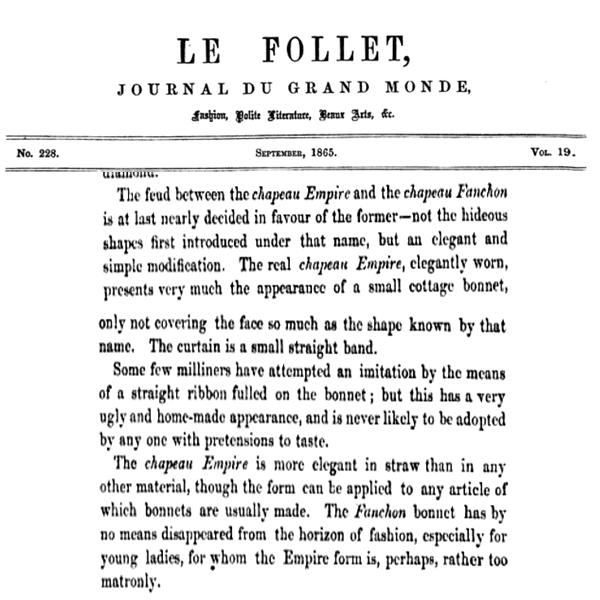

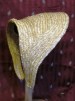


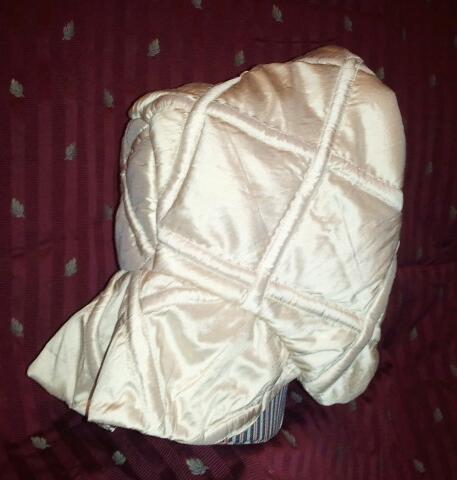
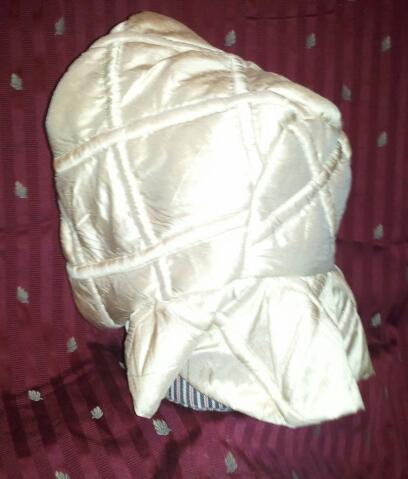


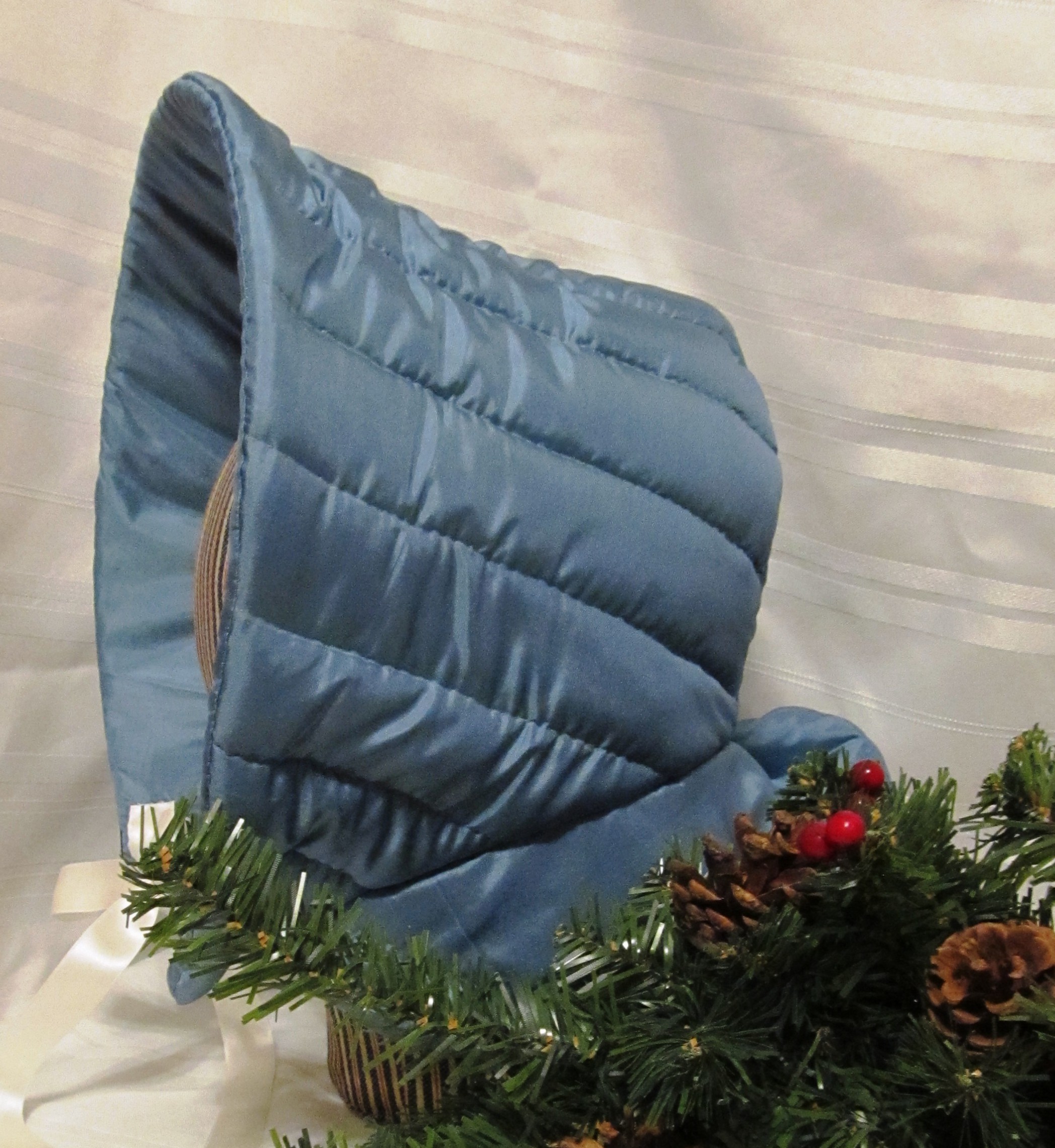
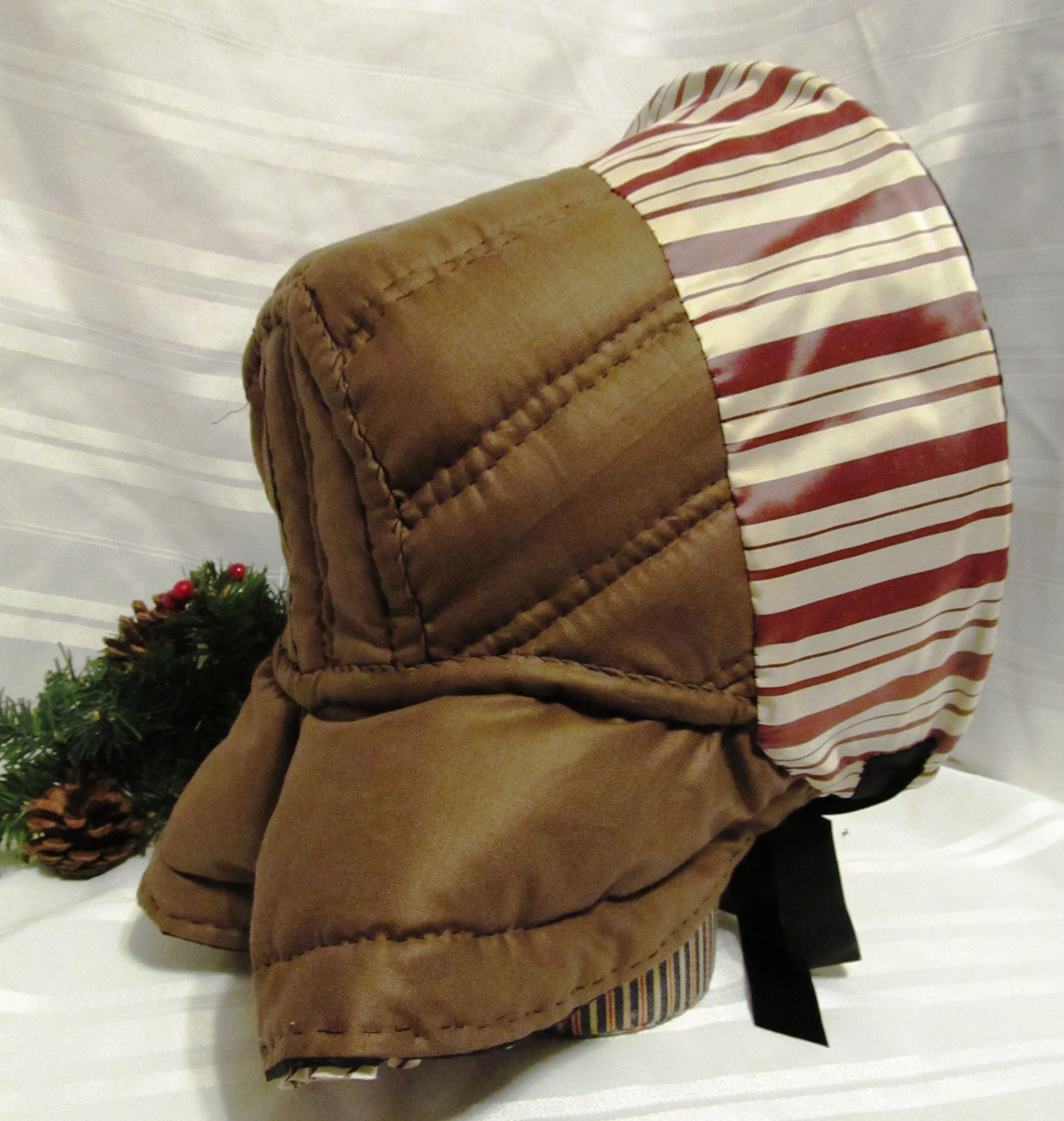
 All the measurements are as exact as I could get. I kept with the original seam construction as well, right down to the use of salvage which I’ve come to love for its great reduction in bulk. I did make two additional changes besides the color. The original has a piece of half inch broken cane. As it is only a fragment and the pinholes that previously held it only showing in a small area, I could not determine exactly where it ran. I have not included that. There is a piece of black ribbon attached flat along the bavolet seam on the outside that is just off. I suspect it was either added later to cover pinholes from where a decorative ribbon was placed or to cover wear. (
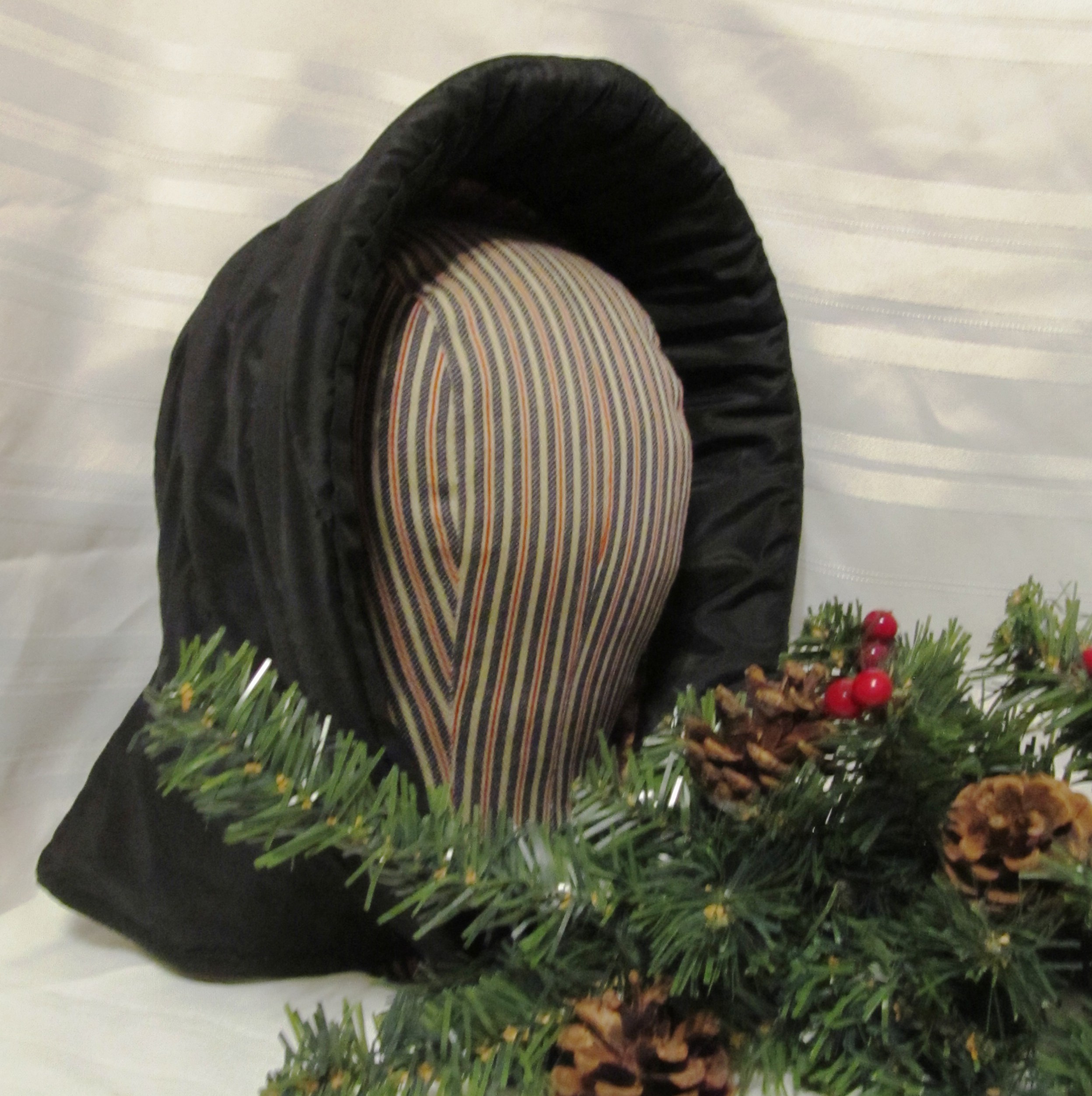
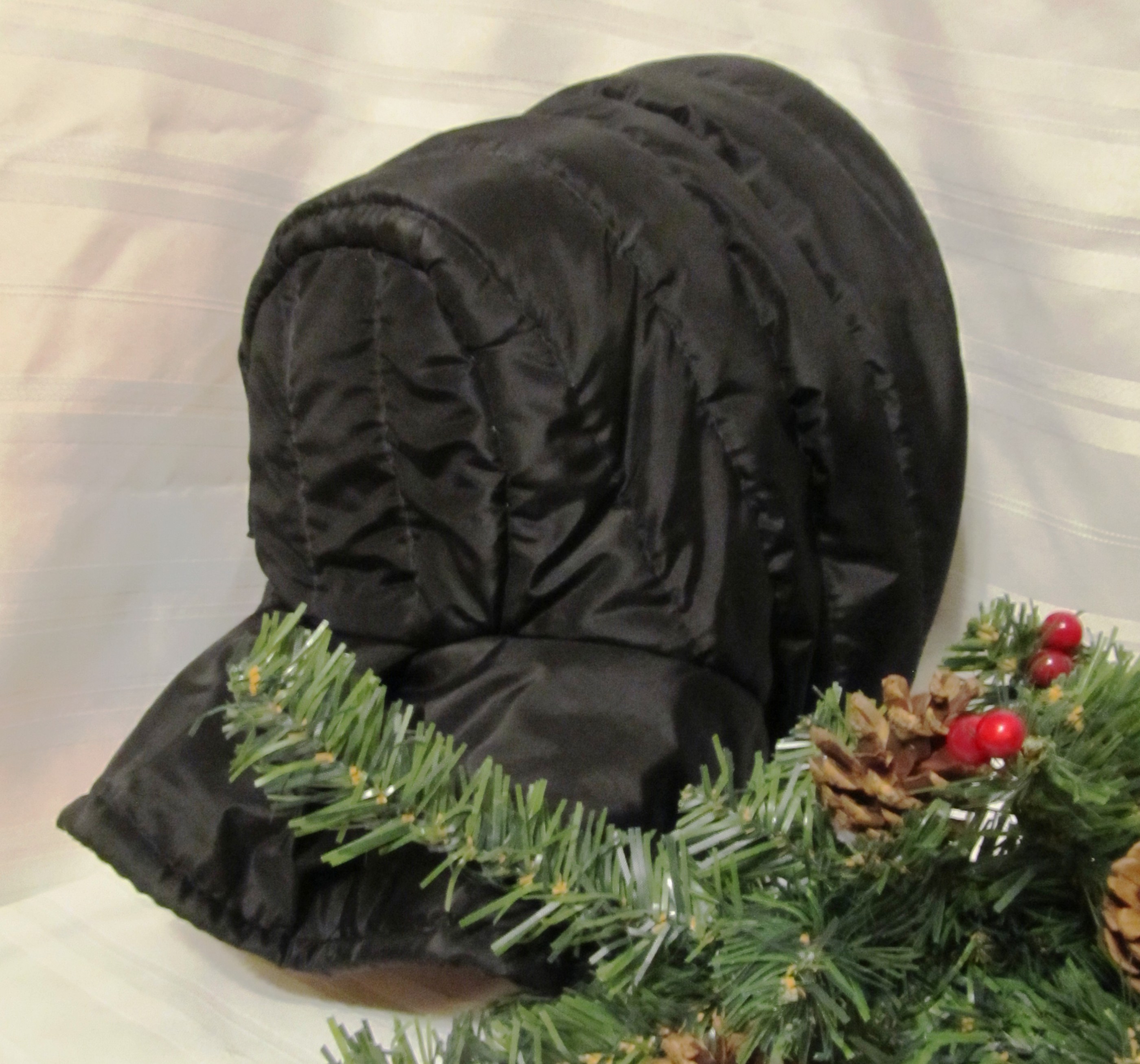
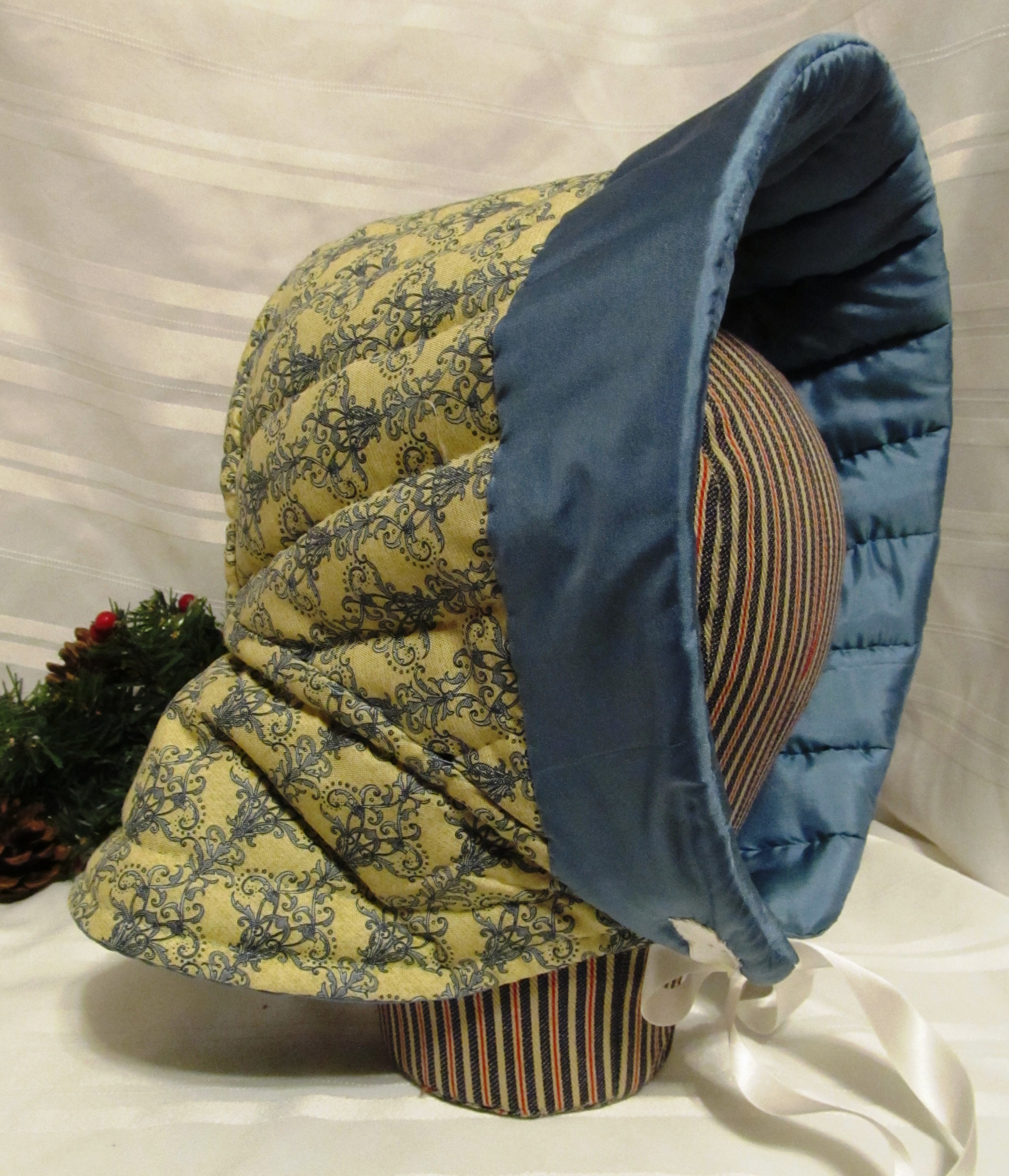
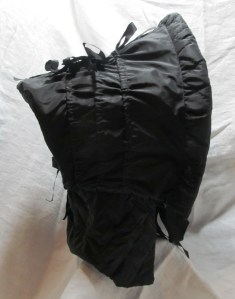 Now, I’m sure you are wondering why I’m calling this “The Ultimate Winter Wind Hood.” When I finished it and tried it on, I was greatly impressed by how wind resistant this hood is. The brim comes very forward of the face. At the same time, the ribbons inside the brim draw the interior of the hood down around the head, holding it snuggly and comfortably in place. The photo to the left an show you sort-of how those ribbons draw the interior down.
 The bavolet that appears flat and rather long is just right for keeping the wind off the neck. It sits right around the neck so to not let the wind catch underneath.
 Back to the exterior, you’ll see an interesting combination of quilting. All the quilting is made of diagonal stripes spaced at 1.25″. But, the front of the brim and where it turns under to the inside the quilting makes diamonds, while the mid to back section of the brim is simply diagonal stripes. I happen to really like the way the look comes together. The bavolet and tip both have the full diamonds. (I can tell you, this is a lot of quilting.)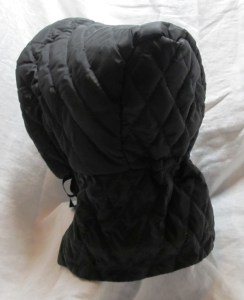










 If I Had My Own Blue Box: