If you’ve been following me for a while, Thank you!
If you’ve found your way here recently, Welcome!
Some of you may have discovered my work through social media or because of the upcoming Little House on the Prairie series, for which I had the privilege of creating hand-sewn straw hats and bonnets. However you arrived, I’m glad you’re here.
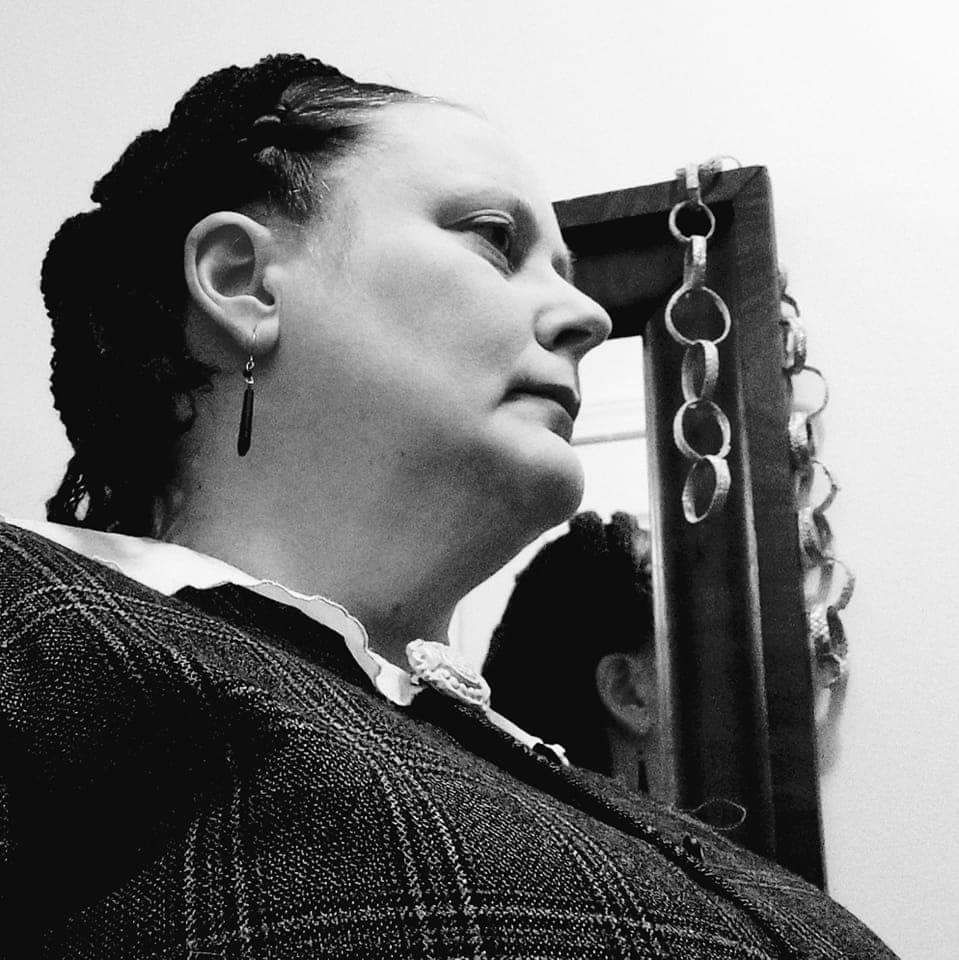
I’m Anna Worden, a historical milliner, researcher, writer, and lifelong student of nineteenth-century women’s work.
This blog has been my online workshop since 2009, when my original website became obsolete. Over the years it has grown into a place where I share research, projects, discoveries, and occasionally the winding path of life. Those who have been reading since the beginning know it has been quite the path. With so many new faces stopping by, it seems like the perfect time to reintroduce myself.
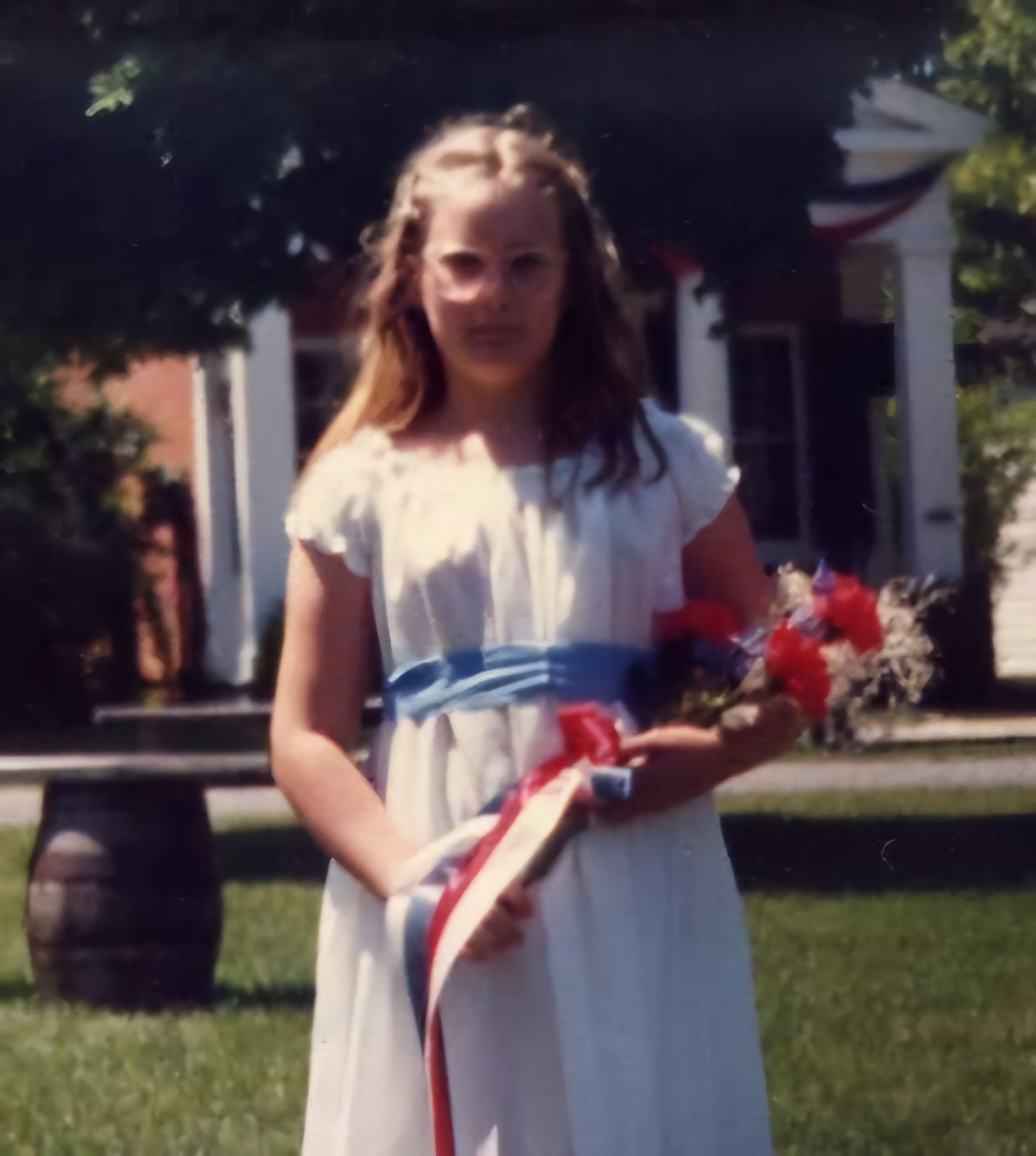
My journey into history began long before I ever picked up a straw braid.
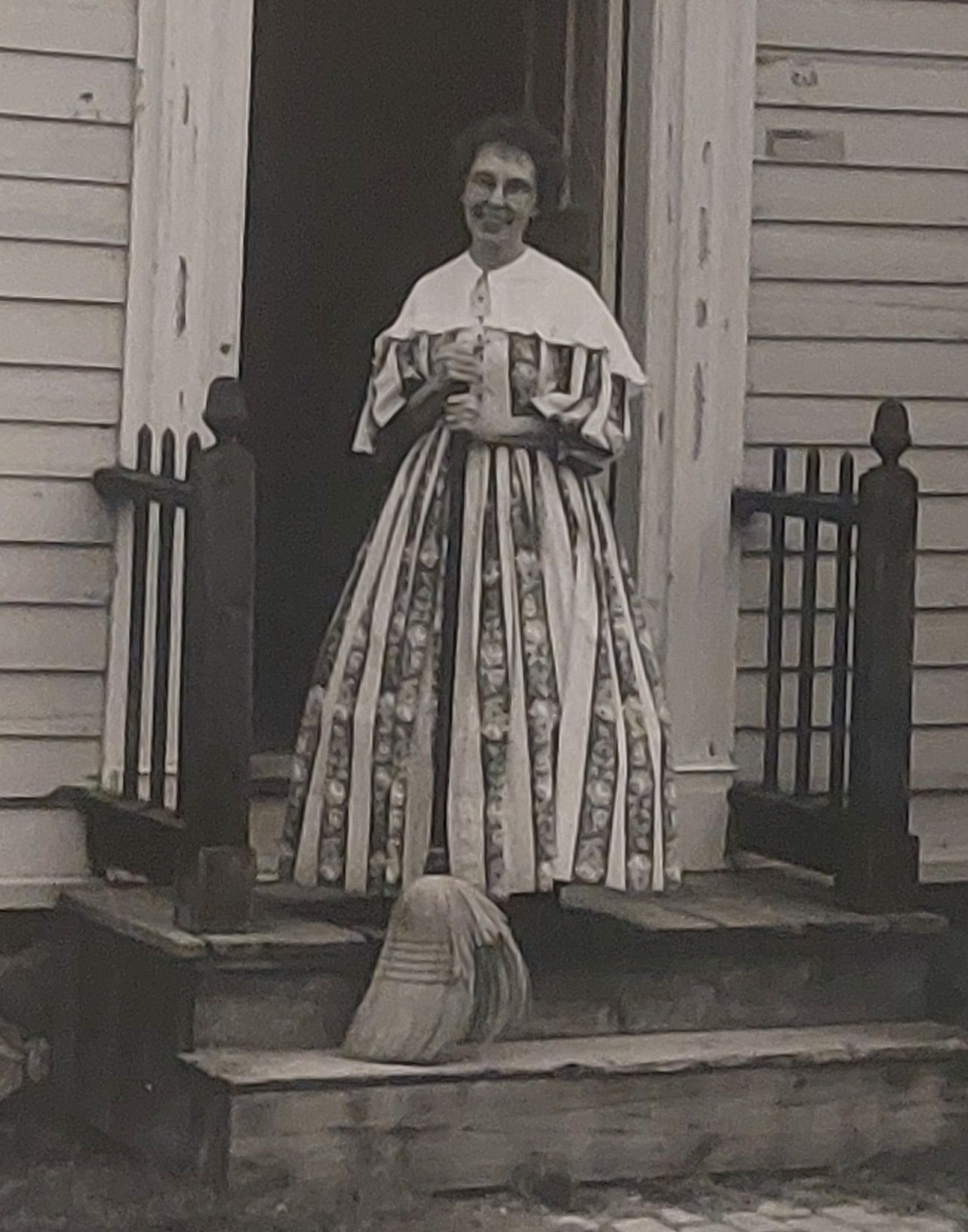
I grew up in surrounded by antiques. When I was eleven years old, I began volunteering at Genesee Country Village & Museum, where my Grandmother worked for 27 years. While many children spent their weekends elsewhere, I was happiest wandering museums, exploring antique shops with my grandparents, and wondering about the people who had made and used the objects I found. Looking back, the seeds of what I do today were already there. During college, I worked at the John L. Wehle Gallery of Wildlife & Sporting Art while becoming involved in living history and reenacting. Like many reenactors, I quickly discovered that building a period wardrobe could be expensive.
So, I learned to sew…. the 19th-century way.
What began as a practicality soon became a passion.
I became comfortable in creating the layers of clothing, but knew it wasn’t quite my niche. I began to explore accessories including millinery and soon discovered a reverence for straw. Straw fascinated me. Each piece was built by layers of straw building beautiful lines and curves. Working with it, straw just felt right in-hand with the rhythm of the stitch and the smell calming me… and connecting me.
The more original bonnets I studied, the more determined I became to understand how nineteenth-century milliners achieved those curves and proportions. I wanted my work to reflect not only the appearance of the originals but also the methods behind them.
That desire has shaped my work ever since.

Today I continue to work primarily with historically appropriate wheat and rye straw plait whenever possible. I study surviving hats and bonnets, antique millinery blocks, trade publications, women’s magazines, photographs, and original tools, always looking for another clue about how these pieces were designed and made. Every original object teaches me something new.
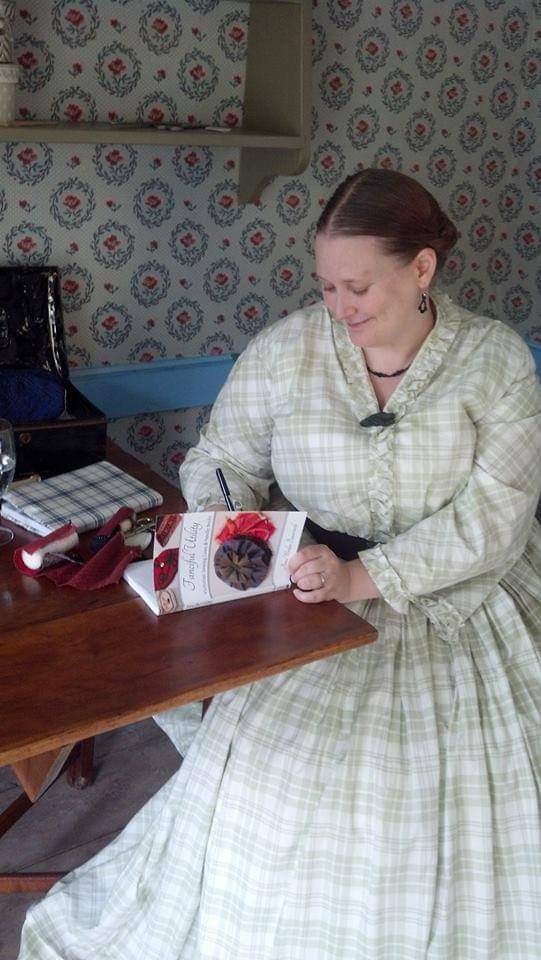
Around the same time that I discovered straw millinery, I also found a pair of Victorian sewing cases at a yard sale. These pieces became the foundation for my book Fanciful Utility years later. I couldn’t have known then that those humble objects would spark another decades-long fascination.
What began with those sewing cases grew into a love of Victorian fancy work—the small, often overlooked pieces that women stitched for beauty, usefulness, and pleasure. Whether it’s a sewing case, a pincushion, a fabric fruit, or another fanciful creation, I enjoy recreating these objects using original techniques while learning from the women who first made them.
Along the way, I’ve also developed a particular fondness for nineteenth-century winter hoods, a corner of millinery history that is often forgotten due to its utilitarian nature.
People sometimes ask why historical accuracy matters so much to me.
The answer is simple: because the objects themselves tell only part of the story.
A straw bonnet is far more than fashion. It represents fields of wheat and rye, women and children braiding straw, workers bleaching and dyeing it, milliners shaping it into the latest style, and the woman who finally wore it. Every bonnet carries the work of countless hands.
Victorian fancy work tells similar stories. Behind every carefully stitched sewing case or decorative ornament is a woman making something with her own hands—sometimes from scraps, sometimes for necessity, sometimes to share a part of themselves with a loved one.
Those women are why I do this work.
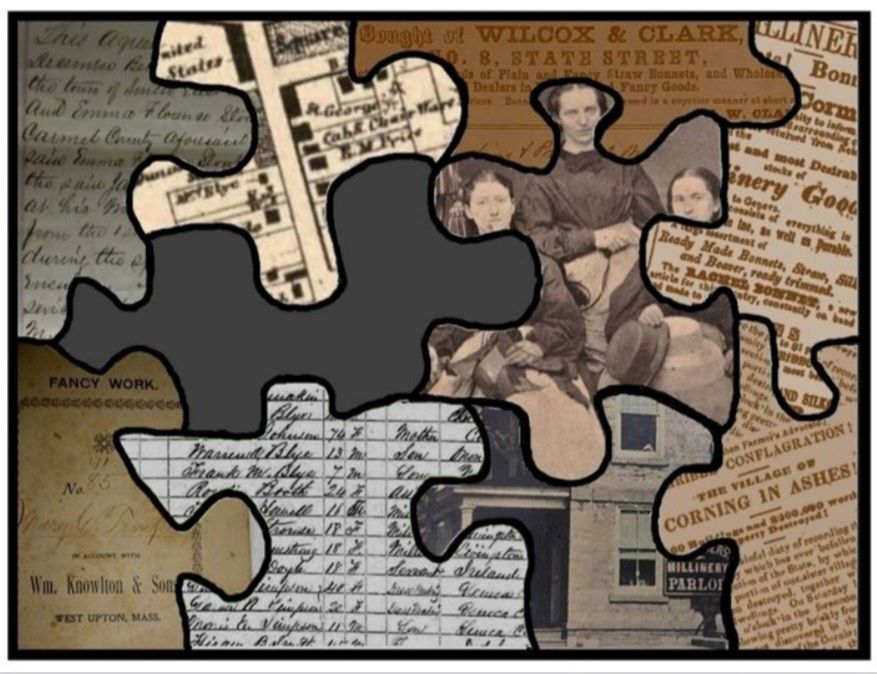
Research and making have never been separate pursuits for me. Every object I recreate helps me better understand an original, and every original object inspires another question to investigate. I don’t think I’ll ever run out of questions, and I hope I never do.
If you’ve been reading this blog for years, thank you for continuing this journey with me. If you’re new, I hope you’ll find something here that sparks your own curiosity.
You’ll find historically accurate straw hats and bonnets, Victorian fancy work, original research, museum visits, antique tools and artifacts, behind-the-scenes projects, and plenty of historical rabbit holes along the way.
Most of all, I hope you’ll come to see these objects not simply as beautiful things from the past, but as evidence of remarkable skill, creativity, and lives well lived. Every braid of straw and every careful stitch is a connection to the women who came before us, and it is a privilege to continue learning from them.
Highlights in Pictures









Leave a comment