It is 5 weeks to Opening & Mother’s Day Weekend…. Aka my first event of the season.
This means Things Must Get Done!
Normally, this is smooth sailing. But, this year I feel about a month behind. Between school/work and life and weather and a germy 5 day sleep, I am definitely feeling behind.
Here is the list:
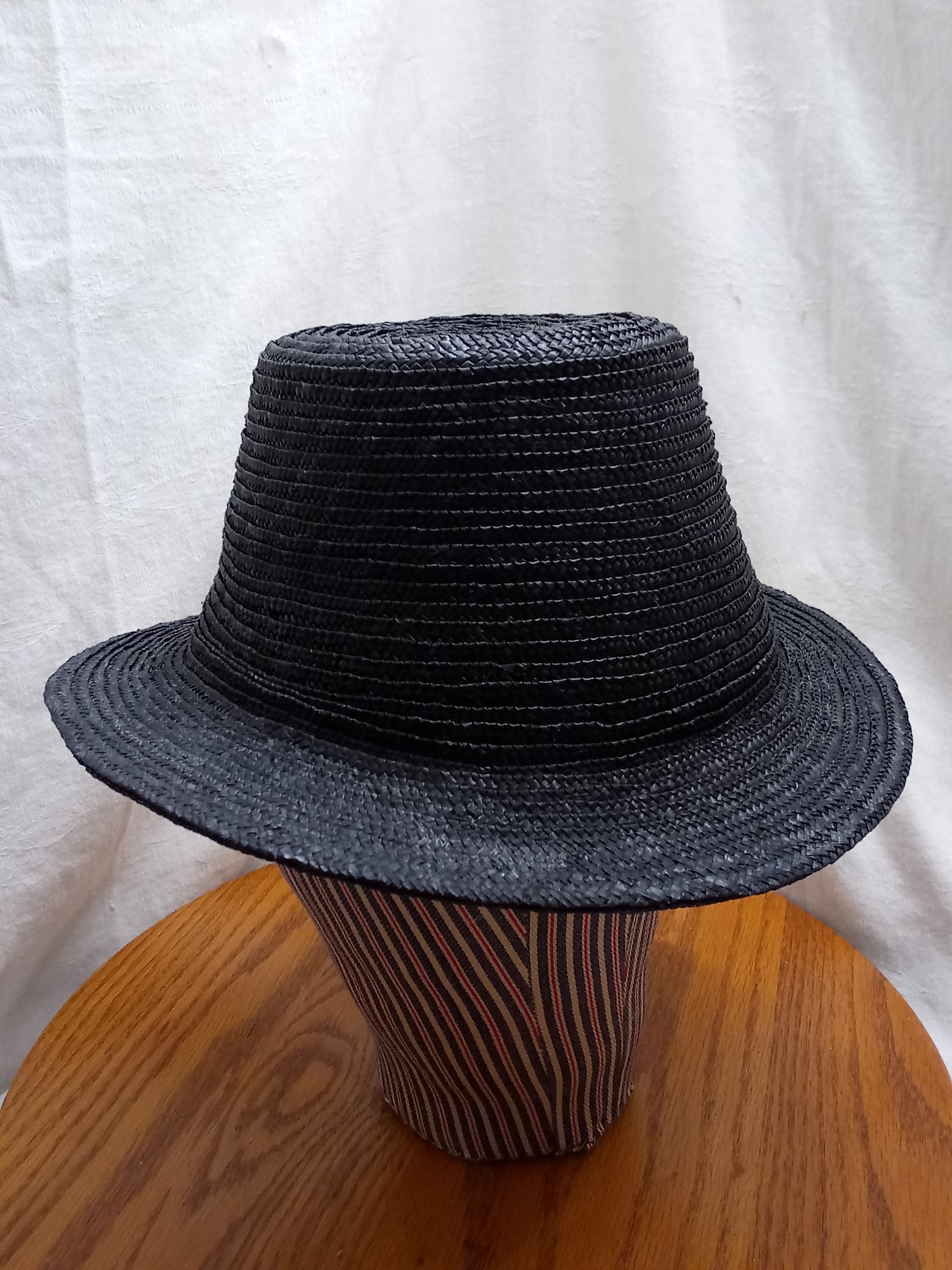
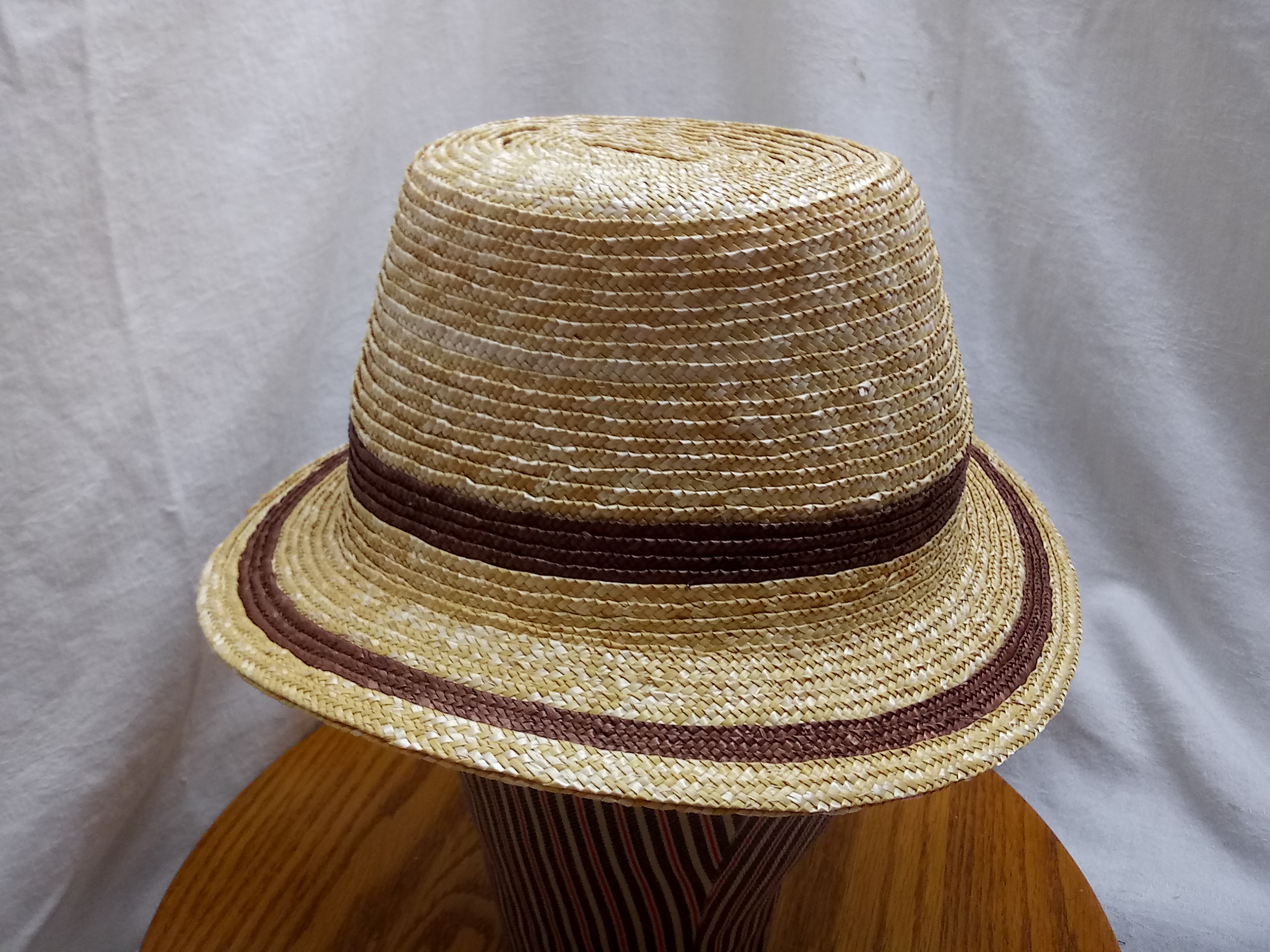
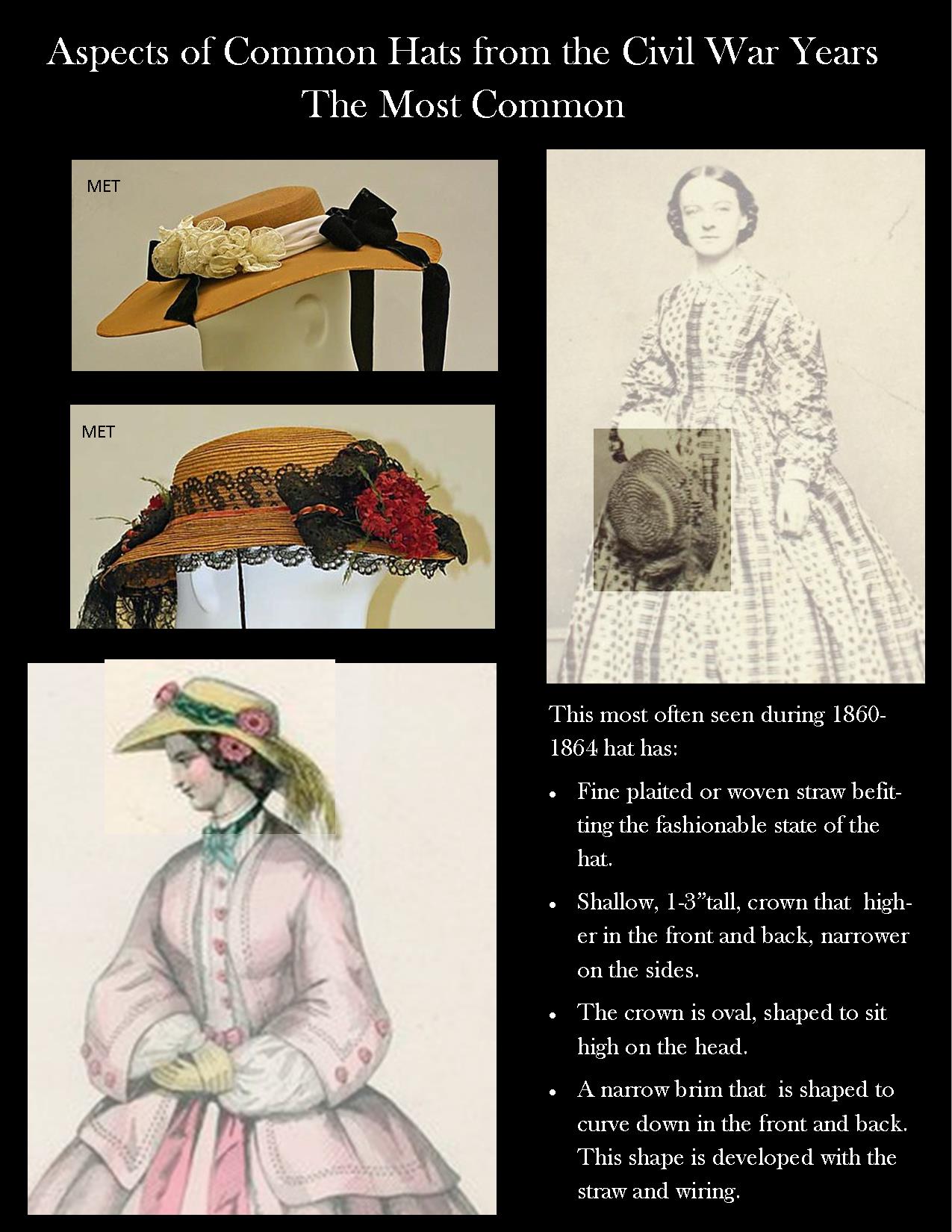
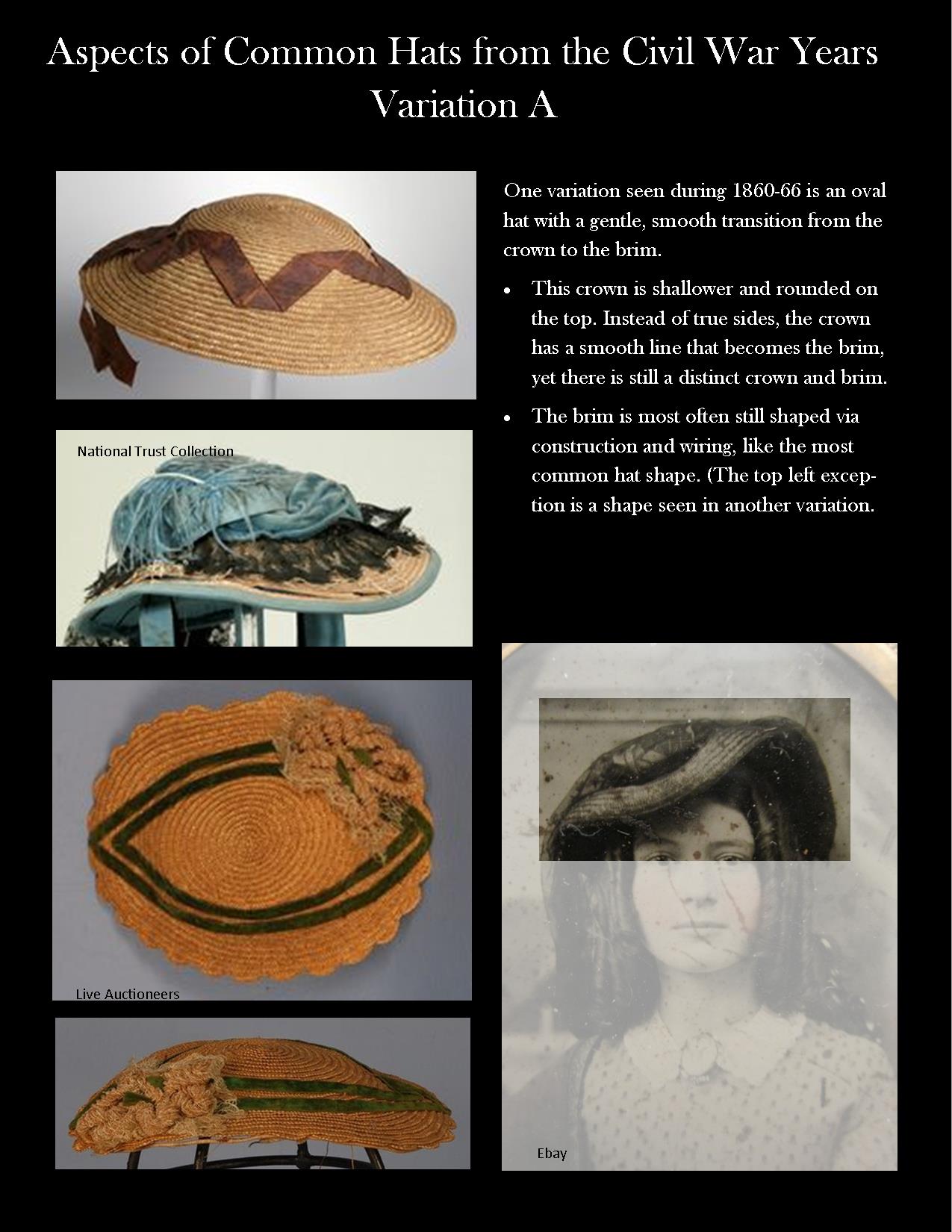
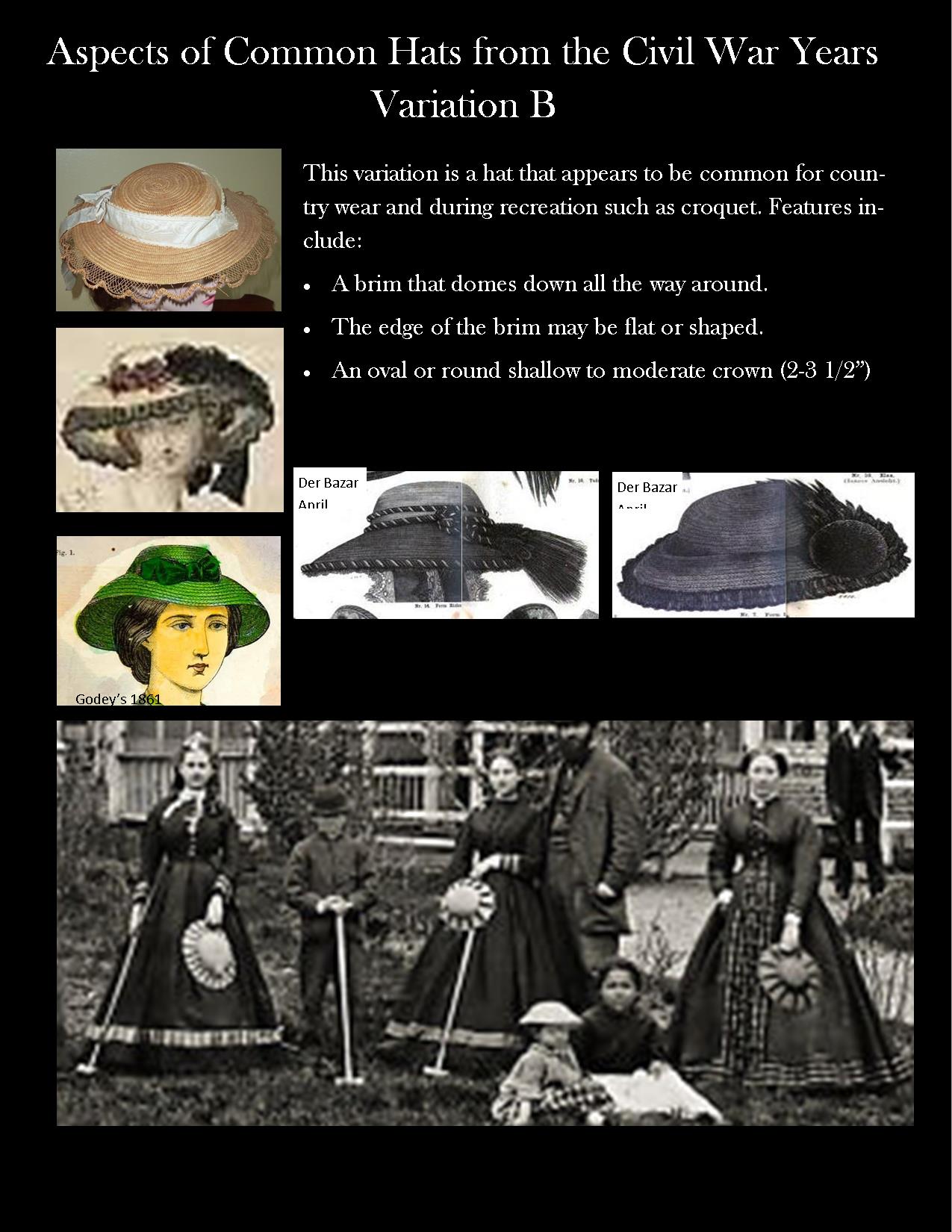
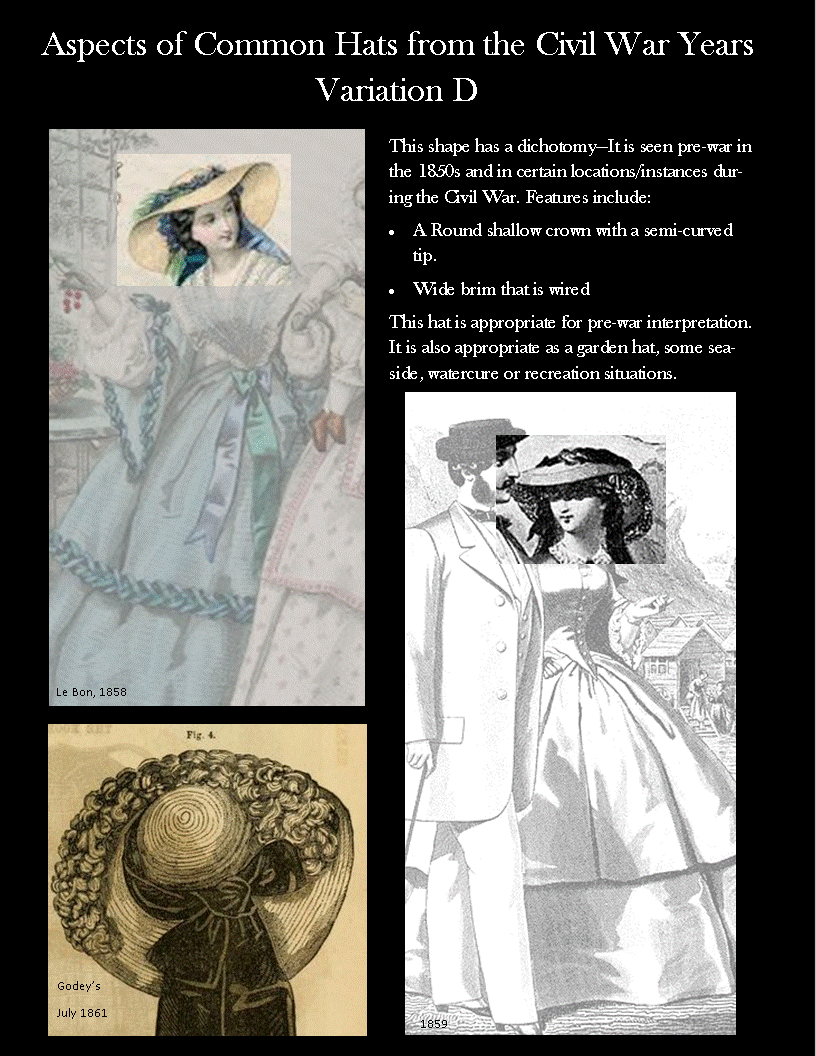
- 4 fully decorated millinery pieces. (12-16 hours)
- The kerchief doll needs a body and a name. I also need to order a second kerchief. Then I need to drape her bodice and plan out cutting the kerchief. (?5 hours?)
- I need to finish my wool dress, which means I need to start my wool dress. (?12 hours)
- Prep “Tools of the Trade” for the second event of the season later in May. (no idea)
- I must get some pieces made for the shop. This is an absolute budget must. (10×10 hours)
- A new collaborative project with a local friend that isn’t technically 19th century, though it is 19th century inspired and on the same time line of to-do. (5ish hours)
A certain feline must have known I need to get a move on. She woke me up far earlier than I wanted to wake up. Since then, I have fed her (the feline priority) and cut & pressed 4 linings, 4 bavolet nets, 4 facings, and 4 frills. That stack of bonnets is ready to get dressed.
Is it super weird that I’ve been keeping the extra hat/bonnet stands in the car because I ran out of room? I only have the antique ones plus one pink inside.
I think I am going to work on this black bonnet to the point where it needs to be blocked. Then on to linings. I may cut out a doll body first.















 If I Had My Own Blue Box: