A Must Have Book

When looking for tid-bits to accompany my previous post on neckerchiefs, I discovered first a neat description of a carriage bag then what I would call a Must Read Book for anyone who sews any type of reproduction anything from the mid-nineteenth century.  This description happens to be in said book:

To Make Up Carriage Bags

Very nice frames are sold for these. They are of a stout calico on the outside, and a nice striped ditto inside, with a handkerchief pocket. The sides are of leather; and the upper of the frame and the handles are the same. The work should be one piece for both sides – the canvas, of cloth edges turned in at the sides, and sewed to the edges of the bag. At the top, the edge of the canvas must be laid under the leather, which is stitched down over it. The handles are merely tacked on. They must be removed for mounting, and afterwards carefully sewed down in the same places over the canvas. Cover all the seams, and the edges of the leather along the top, with a fine silk cord. Observe that the work must be made to fit the frame, not the latter to the work, as frames are made only in certain gradations of size, except to order; and what is call an out size, even if smaller, always more expensive.

I would love to have an illustration of the frame the author writes about. Depending on what that frame really looks like, I can picture a few different versions of this bag coming together.

Now on to this must read book.

If you have not read The Lady’s Dictionary of Needlework; A Complete Guide to all the Signs, Terms, and Contractions Used in Every Sort of Fancy Work with Illustrated Instructions for the Elementary Stitches, hop over to Google Books and download it. I am pretty certain I have stumbled on this book before while compiling shawl information, but I never scrolled cover to cover so to speak. I should have. This book is packed full of useful information – a glossary of material, stitches and oodles of how-tos. This is one I would very much like to see reproduced or at least reprinted so I could pull it from the shelf as needed. Lacking that, I foresee a trip to my printer sometime soon to see about printing up a copy for myself.

Published in: on May 25, 2012 at 5:25 pm  Leave a Comment  

A Year of Images

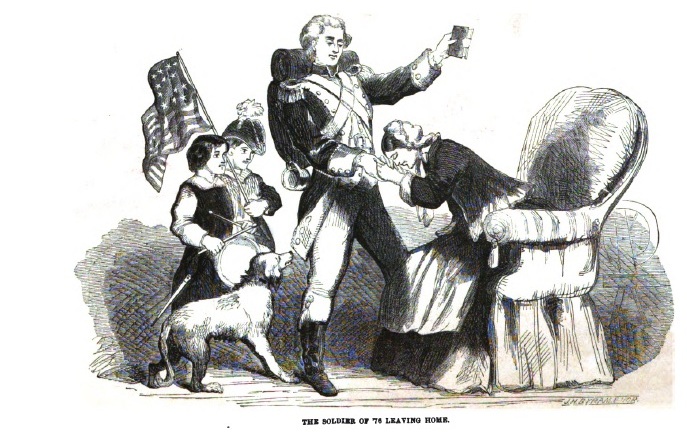
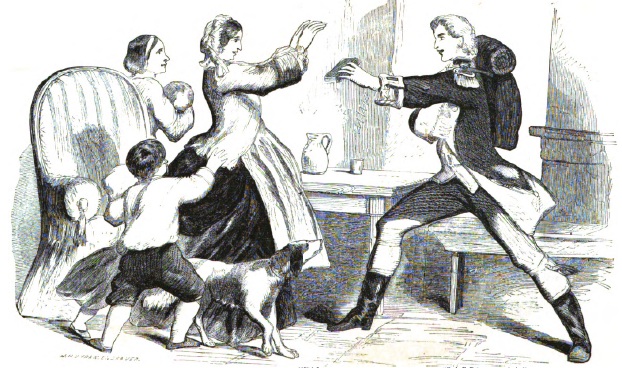
Petersons 62 April Soldier of 76 returning after peace

Petersons 62 April Soldier of 76 returning after peace

Published in: on April 27, 2012 at 1:29 am  Leave a Comment  

A Year of Images

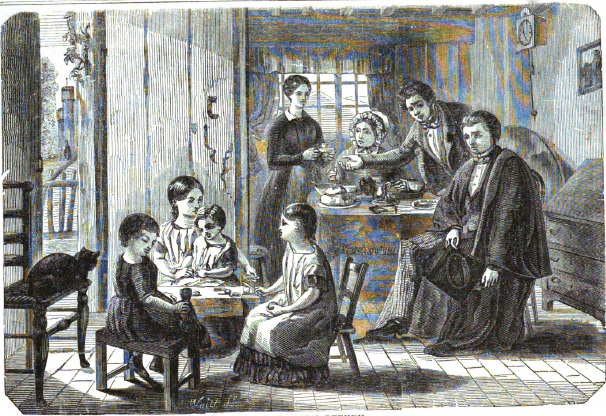
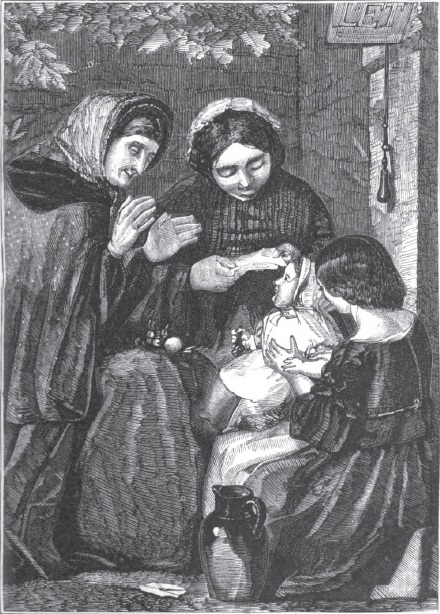
Petersons 62 April interior

Published in: on April 13, 2012 at 1:28 am  Leave a Comment  

A Year of Images

Published in: on March 30, 2012 at 1:27 am  Leave a Comment  

A Year of Images

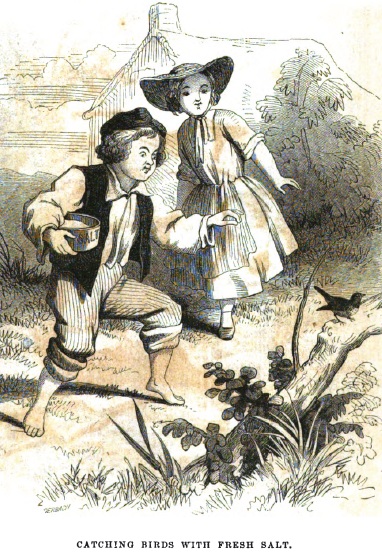
Godeys 62 Catching birds with fresh salt

Godeys 62 Catching birds with fresh salt

Published in: on March 16, 2012 at 1:25 am  Leave a Comment  

A Year of Images

Arthurs mag 61 The Wanderers return

Arthurs mag 61 The Wanderers return

Published in: on March 2, 2012 at 1:24 am  Comments (1)  

A Year of Images

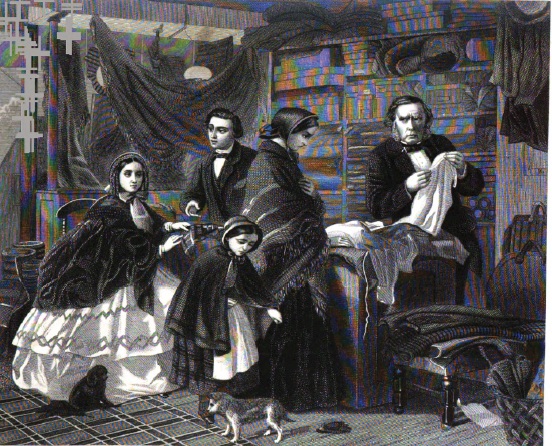
Godeys 62 Feb March Life and Still life

Godeys 62 Feb March Life and Still life

Published in: on February 24, 2012 at 1:23 am  Comments (4)  

A Year of Images

Petersons 62 February illustration

Petersons 62 February illustration

Published in: on February 17, 2012 at 1:21 am  Leave a Comment  

A Year of Images

This is a bit delayed… I am going to attempt to share an image for discusison a couple times each month for the year (or at least until the season kicks in and we all get busy.)

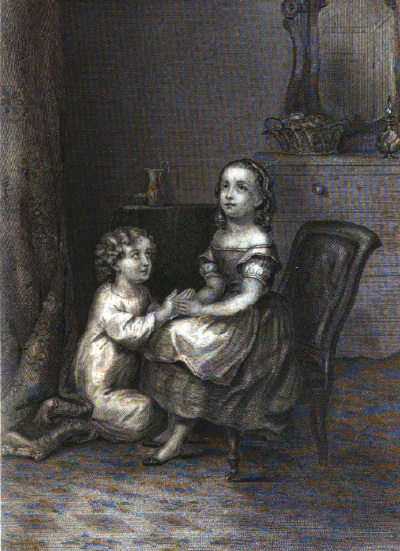
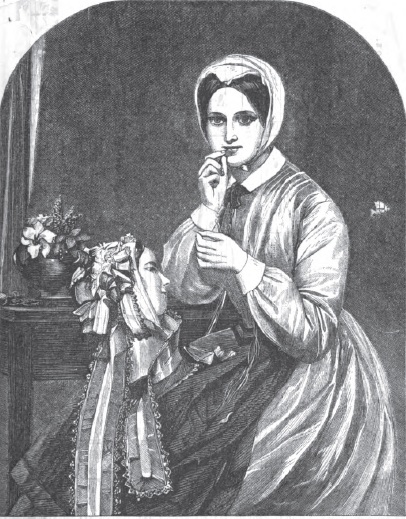
Petersons 62 January Bless its little heart

Petersons 62 January Bless its little heart

Published in: on February 10, 2012 at 1:18 am  Comments (1)  

Clips of Domestic Economy – pt 7

 An Encyclopedia of Domestic Economy by Thomas Webster has an indepth section on servants from the perspective on one employing them. Within the section is this passage and chart I know some will find interesting. Please remember this applies to an English servant.

“In servants’ dress two thirds of the wages only should be spent. The remainder, left in the hands of their principal, or placed in saving’s banks to accumulate, may prove a means of comfort to them beyond comparison greater than the translent pleasure which a more expensive dress might give them. In the following tables will be found estimates sufficiently accurate to show, that with judgment in the choice of the materials, and a proper subordination of the inclination for dress to the means for obtaining it, a third part, or even more, of wages, may in most cases, be untouched, and yet the personal appearance of the servant not neglected thereby, but rather improved, inasmuch as consistency in dress is always one of the its most becoming attributes.

Table I – Wages 7l.7s

                                                                                      L              s              d
1 good cotton dress, at 8d                               0              7              8
2 common working gowns, at 6d           0              7              0
Linings for the dresses                                 0              2              0
4 petticoats                                                          0              8              0
Body linen                                                          0              4              6
Stockings (3 pairs)                                             0              6              0
Muslin for caps and handkerchiefs        0              6              0
Bonnet and trimmings                                 0              10            0
4 chequered aprons, 2 white ditto         0              6              0
A shawl                                                              0              12            0
3 pairs of shoes                                             0              12            0
2 pairs of gloves                                          0              1              0
Sundries                                                         0              10            0
                                                                            4              13            2

Table II Wages from 12L 12s upwards

3 gowns (making, &c)                            1              10            0
Petticoats                                                     0              12            0
Body linen                                                   0              6              0
4 pairs stockings                                     0              6              0
Aprons                                                           0              7              0
Caps, habit shirt, ribands, and gloves    1              0              0
2 bonnets and trimmings                       1              0              0
Shawl                                                           0              15            0
3 pairs of shoes                                      0              12            0
Sundries                                                       1              0              0
                                                                   L7            8              0
Published in: on November 9, 2011 at 1:31 am  Leave a Comment