Where Can I Wear That Hat?

Recently, with my focus on hats, I have been asked a several times “where can I wear that hat?”

This is an excellent question. I love that people are asking. It means they are thinking about when and where they can appropriately wear a particular hat. It also means I don’t have to worry as much about one of my hats appearing in an inappropriate scenario. (Yes, I worry about such things.)

I want to cover the background to the answer(s) rather than just the answer.

First, where do we look to find out what situations are appropriate for different types of hats? We need to look at visual references for context. This will include context based photographs (cdvs, sterioviews), illustrations and paintings. This will show us the scene, the type of hat, the wearer and the clothing it accompanies. We should also include textual references, keeping in mind the written descriptions can misinterpreted due to various reasons.

Second, we need to keep in mind the chronology and geography of references. What was common in the 50s may not have been common in the 60s. What may have been common in an urban area may not have been common in a rural area. What may have been common in New England may not have been common on the Gulf coast.

Let’s look at some images. (Just as start. I’ll try to come back and add more.)

2016-03-04-08.09.29-1.jpg.jpeg

2016-03-04-08.09.29-2.jpg.jpeg

This pair of images I recently found after completing the violet velvet hat. These women are from a family photo that I lack citation details on. The daughter is holding a croquet mallet, indicating a recreational situation. Both women are wearing straw hats with brims that curve down all the way around, providing some sun protection. The hats appear to be simply decorated with ribbon. The clothing suggests a date between 1860 and 1863/4.(the link provided does not agree, estimating the photo is just post-war.) I estimate the girl to be in her young to mid teens, the mother in her 40s.
Straw Garden hat clip 2

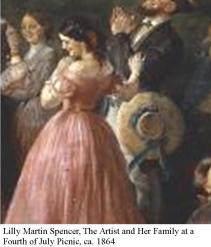
Continuing with the recreational scenario, this shot from a Lily Martin Spencer painting depicts a picnic on the 4th of July. The hat is a larger hat. It has a wide brim that would shade the face. The crown is shallow, maybe 2″ high. It is simply decorated with a ribbon and possibly a ribbon or flower arrangement in the front, bow in the back.

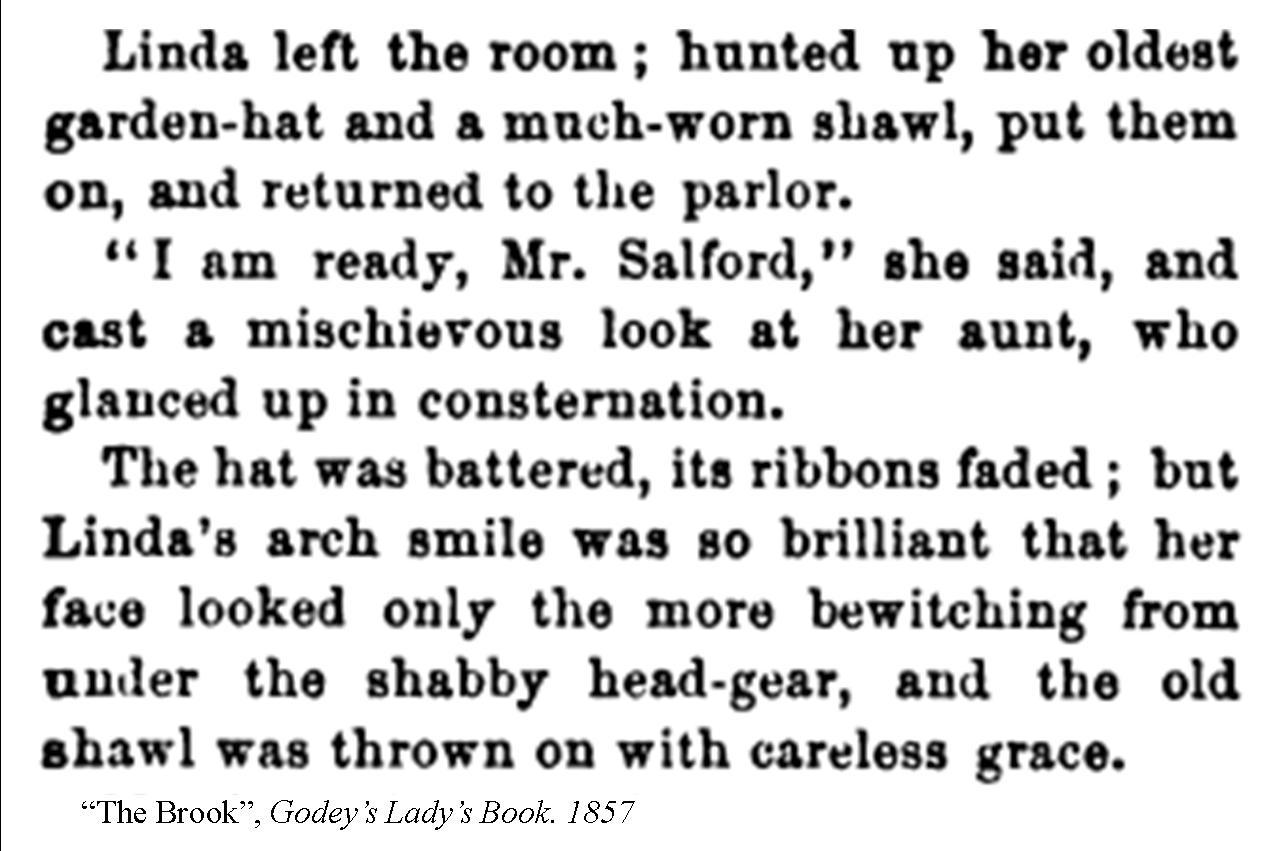
2016-03-16-13.21.13.jpg.jpegThis stereoview, A Charming spot for a Country Home,  shows what appears to be a small town or rural garden of a comfortable family. Dated 1865, this image is from New Jersey. We can see a woman seated in the chair with her back to us, wearing what appears to be an undecorated straw hat (with little blocking in my opinion.) This hat reminds me of this description of a well worn, favorite garden hat. Near the fence is a pre-teen girl in a wide brim, low-ish crown hat with a simple bow. Hats to do seem to fairly common in photos of people in the yards or gardens (upper working class, leisure class homes.)

Harpers Monthly June 18502016-03-16-13.23.13.jpg.jpegThis next stereoview, View of grounds at Newport, is estimated to be 1860, taken in Herkimer, NY. This can also be considered a recreational image as the woman stands in a field alongside a haystack. Her hat is smaller, with a very shallow crown and brim that reaches just about the depth of her face. (meaning the brim comes about as far forward as her nose.) This is a fashionable shape for a hat that I believe would be appropriate for a walk in a village as well. Compare it to the hats to the right from June of 1850, which have significantly larger brims.
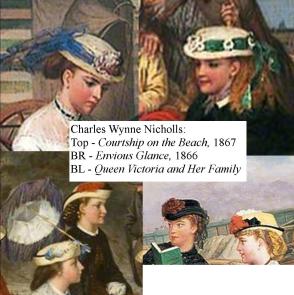
Seaside hats from Charles Wynne Nicholls

One can not mention recreation without touching on seaside. I don’t think many of us truely get to do impressions that spend time seaside. I think large, shady hats often come to mind when thinking seaside recreation. But, as we see in these late and post war paintings (English), smaller hats were worn seaside.

Close ups of how to wear a hat Stereoview The Baptisim


As a general rule of thumb, formal occasions were not appropriate for fashionable or casual hats. This includes church. This stereoview clip suggest there were some exceptions, in this case a baptism. (I’ll see if I have the whole scan saved elsewhere.)


Scenario Specific Hats (I really ought to find time to write more about):

  • Coarse hats
  • Southern made hats
  • Reform hats
  • Riding hats
  • Sporting hats (archery)
  • Resort/Watercure hats
  • TBD

More hats in context:

Published in: on April 4, 2022 at 4:05 am  Leave a Comment  

Got Perch?

A favorite blog post from 2014

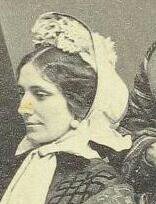
A CDV recently appeared that brought up how women wore their bonnets perched on the backs of their heads from 58ish to 63/4ish. (I want said cdv & will be bidding. Fingers crossed.) Here is a close-up:image

See how the bonnet sit further back on her head? Her interior flowers land almost at her mid-line.
The question I am hearing is “how did they do that?’
There as a few aspects that help:
– A bonnet stay. This is a ribbon, strip or even wire inside the bonnet, positioned to act like a headband holding the bonnet in place. (These need to be fitted to the wearer.)
– The frill and interior decoration. The placement and fullness of these act like a catch or a band to help hold the bonnet.
– Balance. The front to back balance of the bonnet needs to put more weight in the brim and forward crown area of the bonnet rather than the back.
The placement of the hair can also be a contributing factor.

This is my first straw bonnet, years & years ago. While it has some early issues, it shows what a stay can do. These photos were taken after a parade marching into 40 mph winds that ended in a hail storm. During this walk, the force of the winds actually snapped a bone in my cage. But, the bonnet stayed put.image

image

Here is Lily in the same bonnet. It sits further back on her. But, stays pretty well. (It finally got to retire after this.)image

This next bonnet is a different shape, drawn. Instead of a stay, it holds put thanks to the frill and flowers. The frill is gathered like ruching in this one. The back edge sorta stands fluffed, holding against my hair.image

image

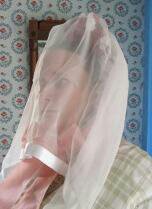
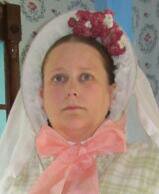
This is my bonnet from last year. (How awful is my facial expression?) I think you can see the position of this one. This stays with the work of the frill and my hair.image

image

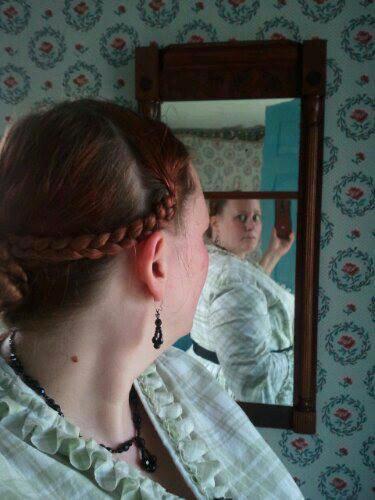
Here is how I often wear my hair:image

Now, Lily’s bonnet from last year does need a stay as she does have some issue with I staying put. Granted, se is also showing kids how o play with games including stilts much of the time. She also has far better posture than I do. Now that I think about it more, she has less hair in the back too.image

Here is a photo of both of us from last month with the same two bonnets. (different ribbon on mine) This shows the fullness of the frill pretty well.image

Tomorrow, I’ll be wearing my new soft crown. It has the ruched frill but no stay. Of course, the weight will be at the top. I will likely be wearing my veil turned back over the bonnet most of the day. I will report back on how well it stays.

Betsy Connolly sent me some beautiful photos showing excellent perch. (The photos are so pretty, I’m not going to crop them.) She says some have stays, some do not. She agrees that staying put is about balance.image

image

image

Here is Lisa Springstube Lindsey in a mourning bonnet with the full frill helping hold it and a Marie Stuart:image

image

Here is Beth Chamberlain with two good examples:image

image

If you have a good ‘perch’ photo & would like to share it, please let me know (I think if you link it in the comments, I can grab it. Otherwise, email or message me.)

Published in: on March 14, 2022 at 5:05 am  Comments (1)  

The Pumpkin Hood aka Wadded Winter Hood

Do you have your Wadded Hood Workbook yet?

Order and download your today!

What is a Pumpkin Hood?

A “Pumpkin” hood or bonnet is a wadded bonnet, most commonly made of silk on the exterior and polished cotton, cotton or silk on the interior. Wide, full channels are filled to a full loft with wool batting either lightly or densely. The channels are separated by smaller channels, single or multiple, that are drawn in by cord or ribbon. The front brim may or may not have a decorative ruffle, attached or tucked from the base exterior fabric. These usually have a petite to moderate bavolet either lightly filled with batting or without batting.

Some other terms that seem to apply: Wadded bonnet/hood, “Ugly”, a “Kiss-me-quick”.

How early were these worn?

Most museums seem to start their dating of wadded, pumpkin style hoods in the second quarter of the century. Some do push earlier, as far as the late 1700s/early 1800s, such as this example from the Boston Museum of Fine Arts.

As domestically made winter hoods were a utilitarian garment rather than a fashionable one, their appearances in fashion literature is limited. I see one set of passages referencing a wadded hood or bonnet, drawn in, worn close to the face that may help us give wadded hoods drawn close to the latter 1830s:

In the Ladies Pocket Magazine, of 1838, London, we see a mention of wadded bonnets as a fashionable item. Of English fashions – “Wadded bonnets which before were very much in vogue, are now almost the only ones adopted in promenade dress, and it must be confessed nothing could be better calculated for the season, particularly when they are worn, as in often the case, over a blond morning cap of the demi-cornette form.” (In this passage, wadded pelisses and wadded mantles are also mentioned.) Of Paris fashions “Winter has set in with all its rigour, but that is of little consequence to our elegantes, who, occupied with the grand dinners, balls, and fetes that are always given in the commencement of winter, have deserted the promenades. Novelty in out-door costume is consequently out of the question, velvet or satin mantles, which are trimmed and sometimes lined in fur, that their busts are defended by a large fur palatine, their hands doubly shielded by fur cuffs, and a muff, and their pretty faces guarded by a large wadded bonnet, which completely meets under the chin, we have said all that can be said of out-door dress.” The year prior, the same publication tells us: “We may cite with confidence, among the new bonnets will be very fashionable, the capotes a conlisse ouatees, or wadded drawn bonnets; the are a most comfortable head-dress, composed of satin or pou de soie, lightly wadded, and simply trimmed with ribbon. They differ a little in shape from the other bonnets, sitting closer round the face.” This may or may not be the beginning point of the wadded, pumpkin style bonnet. Neither publication includes an illustration of this practical winter wear in the midst of the popular large bonnets of the era.

In that same time period, we see wadded and quilted hoods/bonnets constructed for children in The Workwoman’s Guide. The illustrations suggest the quilted versions have larger crowns that are volumous in some cases. It is important to note the difference between this shape and the Pumpkin shape. I believe this is the construction that evolves through the rest of the century as the quilted bonnet.

Blackwood‘s suggested I should look at “quilted wadded capotes” as well as “bonnets” and “hoods”. Though, this February and March 1843 Peterson‘s suggest capotes were quilted, rather than wadded with loft.

One of only photographs clearly depicting a wadded “pumpkin” style bonnet/hood is a bit of tease. While taken in 1897, the photograph does not show contemporary/current wear, rather historical costume wear. This photograph is held by Deerfield.

Were they worn during the Civil War?

Yes, evidence suggest wadded hoods were worn in the 1860s. The 1860 painting, School Girls, by George Augustus Baker, shows the girl on the left in what could be a red silk wadded pumpkin bonnet. The artist did several studies for this painting, including Little Girl in a Red Bonnet, which is undated.

Museum examples:

Published in: on October 17, 2021 at 11:06 am  Leave a Comment  

What are You Wearing on Your Head this Winter?

It certainly is a COLD winter so far for most of us. We’ve been seeing single digits for days with days to come. Some have it much harsher with double digit negatives. I hope everyone is doing their best to stay warm and keeping their fur and feather friends warm as well.

With it being so cold, it is a good time to talk about the nitty gritty of wine get bonnets or hoods. Well, some of it. I need to save so e stuff for the up coming book.

Let’s talk about silk verses wool. One of the most common questions I get about winter hoods is if silk is better than wool or wool better than silk. The answer is “Yes”. 

Both silk and wool are found in original bonnets from 1840 through the 1860s. Without tallying up those I’ve surveyed, including my personal collection, roughly 65%-70% of extant hoods have silk on the exterior and roughly 35%-40% have wool exteriors. Other materials show up as well.

Silk is nice for wet snow. Think about how an umbrella made of silk protects against the rain. In a wet snow, silk will hold up against the wet for a while. Eventually, the water will soak through. This happened then as it will now. Water marks can be seen on some originals. (There is a difference in water staining for when a bonnet was worn verses damage in storage.)

Wool helps with moisture for an extended time as well as providing insulation. Wool needs to be a smooth, tight weave though. A fuzzy wool, such as flannel, will act like a snow magnet, inviting it to cling to the fuzzy bits. Wool also needs to be very light weight. Thick or heavyweight wools are not regularly found on original hoods.

Left: Original hood with a solid color silk exterior. Right: Original wool hood with a plaid wool exterior. 

Moving on to the inside, the batting or wadding – The vast majority of originals use some type of wool for the wadding or batting. A significant number are natural, just cleaned and combed off the sheep. I’ve seen a nice mix of colors inside some hoods. Some originals are lightly filled, while others are quite densely filled. Some thinner hoods have a thin batting more similar to 100% cotton quilt batting. Yet a couple others have a layer of fulled wool inside, completely covered (not as a visible lining.) Wool batting is by far the warmest option, over cotton batting. I have not yet determined if the thicker, fluffier, lighter wadding is warmer or less warm then the denser, tighter wadding/batting. I can tell more wool does seem to be more warm. There is also a point where there can be too much warm.

Left: Original wadded silk hood with fluffy wool wadding. This is sometimes called a pumpkin bonnet/hood. Right: Original silk quilted hood with wool batting. 

I am going to leave the lining for the upcoming book. Linings are just too varied and fascinating for a single post.

How about wind? Some of us live in areas with amazing winter winds. There is a quasi-local event each February that sees frigid, harsh winds coming off Lake Erie and picking up some extra speed off a frozen pond before walloping us on the overlooking porch. For this type of event, I want both warmth and wind protection. A deep brim that reaches in front of the face with minimal rise will help keep the wind off the face. A long bavolet will help protect the neck. Another help can be longer sides or the long, lappet like sides.

Left: Original wool and silk hood with long lappet like sides. Right: Original silk and silk hood with long lappet like sides. 

I will be working on some new hoods soon-ish. In the meanwhile, you are welcome to make your own hood from one of my patterns. They are available for instant download through my Etsy shop. 

Published in: on December 31, 2017 at 10:44 am  Leave a Comment  

Monthly Update

I am going to get a head start on one of my 2018 blogging goals: A Monthly Update post.

This was inspired by a favorite blogger I follow, Victoria Elizabeth Barnes. Her blog meanders beautifully between stunning antique finds and adorable foster kitties. I enjoy the way any one of her posts can have a little of both, as well as what is happening in her life, projects she is working on, what she is reading and such. My monthly update posts may fall just about anywhere in the month.

So, what have I been up to this December???

I have discovered the art of lazy couch laying. This is incredibly new to me. I don’t think I’ve ever come home from work for three consecutive evenings to lay upon the couch to do nothing other than sit, cat cuddle and doze off. It is delightful. It is strange. It is pretty cool.  

_20171128_060900In and around my experiments with lazy, I’ve made a few things. I started the month with ribbon pin cushions, weaving ribbons together. These were lots of fun. I still have more ribbon to make more. _20171128_060800I designed a bird ornament to make with my techniques from Fanciful Utility. This involved some adventures in wool fulling. Oh-so-soft. I stopped into my local quilt shop during our Hometown Holidays festivities to learn a new-to-me paper piecing technique. I loved the little ornament I made. Then the week following, I stumbled upon a way too similar pin cushion. So, I had to make that up as well. Then I found another sorta-similar. Stay tuned for that at some point.
_20171126_191040The shop had a nice December. After a crazy year, I was of two hearts on the shop going into December. Part of me wanted to stock it with all sorts of goodies. Part of me was in dire need of down time. See above to figure out which won. _20171126_190738


I finally ordered more archival boxes. I wanted to get those ordered before the snow fell. Luckily, it turned out Gaylord Archival had a great sale. I dedicated a chunk of last Saturday to getting the summer and fall arrivals properly re-wrapped and boxed. Once again, I didn’t order quite enough. I miss counted. Okay, I plum forgot about a couple extant hoods that I bought while in the hospital. I need to order some deeper boxes next time too. I was able to coax the original shape further back into a few of the wired and and caned than I had planned. I anticipate a major photographing session this winter or spring.

Published in: on December 16, 2017 at 2:00 am  Comments (1)  

Closing for the Season

I am closing the Etsy shop today for the season. E-books and e-patterns will still be available. I will reopen the shop some time after the new year. 

A huge Thank You to all who have supported me and listened to me whine through this past year. It was quite the adventure. Please enjoy this holiday season. I wish you all safe time with friends and family. 

Published in: on December 15, 2017 at 10:52 am  Leave a Comment  

Announcement from Ensembles of the Past

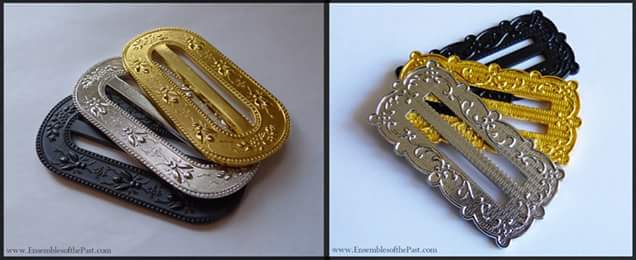
​Sara Gonzalez, from Ensembles of the Past, share a wonderful announcement. She will be exclusively producing the beautiful 19th century reproduction buckles created by Jeremy Richardson, the owner of JR&Co., who has ceased his production. Ensembles of the Past will be the sole manufacturer of these wonderful, high quality buckles. Sara says “I will be continuing the fabrication of Jeremy Richardson’s fabulous buckles, with additional styles to be added in the future. It is my hope that I will do justice to the endeavor Jeremy Richardson began, and I look forward to serving each of you through this new channel of my growing company in the coming days!”

Ensembles of the Past is currently offering the last of Jeremy’s buckles stock and pre-order buckles through the Etsy shop for $12 each. After, buckles will be $15 per buckle. Sara anticipates the first shipment towards the end of December. 

 
I own one of each. Yes, all six buckles between Lily and I. I love them. I find the quality to be exceptional, and the ease of wear wonderful. Having worked with Sara on fabric selections for my hoods, I expect she will continue the fine offerings Jeremy started. 

Please take a moment to visit Ensembles of the Past to purchase yours today. 

Published in: on December 10, 2017 at 1:01 pm  Leave a Comment  

Giving

Despite what my ridiculously refilling inbox indicates, today is not Cyber Monday take 2. Um, no. Today is “Giving Tuesday” or locally “Roc the Day.”

Today is the day you say thank you to those organizations and sites that make the world better, that do the little things that mean a lot, that do the hard stuff.

My personal recommendations for your consideration today:

The Genesee Country Village and Museum

502ac64d-2d30-446e-a24f-c0f9432971caThis year, the museum’s annual appeal focuses on very special village residents – the animals:

“As you know, the museum would be a very different place without our animals! The joy they bring to our visitors is part of what makes GCV&M such a fun, educational, and unique place to visit. So this year, funds raised through our annual appeal will support the many animals who call GCV&M home.

As anyone with a pet can tell you, animals are not only wonderful to have but also expensive to care for. During the winter, our oxen each eat a bale of hay per day! Keeping our animals safe and healthy is a priority, and we hope you’ll help us do just that this giving season – and also come visit them (and their new babies!) in 2018.”

. Click Here

.

Keller’s Kats 

kellersbanner

Keller’s Kats is a special rescue that cares for special needs animals and finds them just the right home. In the past year, they have helped numerous cats in need, from losing a limb or an eye to learning to live with a neurological challenge. These are amazing people with amazing hearts.

. Click here

.

Hearthside Cats


This is our local rescue. As I’ve watched their post over the last few years, I’ve come to know they truly are a forever rescue. They go to great lengths to rescue those in need. Then they stand by those in their care for the long haul, be it many years or the hardest of days.

. Click here

Published in: on November 28, 2017 at 7:00 am  Leave a Comment  

This Holiday Season 

I hope everyone is having a lovely Thanksgiving, enjoying time with family and friends. I suspect some of you are winding down, putting your feet up, checking your computer or phone, and possibly considering a little shopping. With that in mind, here is a peak at what you can find in my Etsy shop this holiday season. 

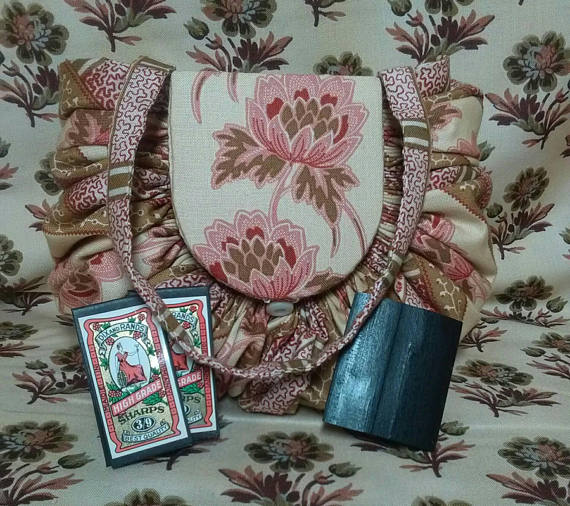
For those who sew on the go in historic settings, I have sewing workbags and the very popular workboxes

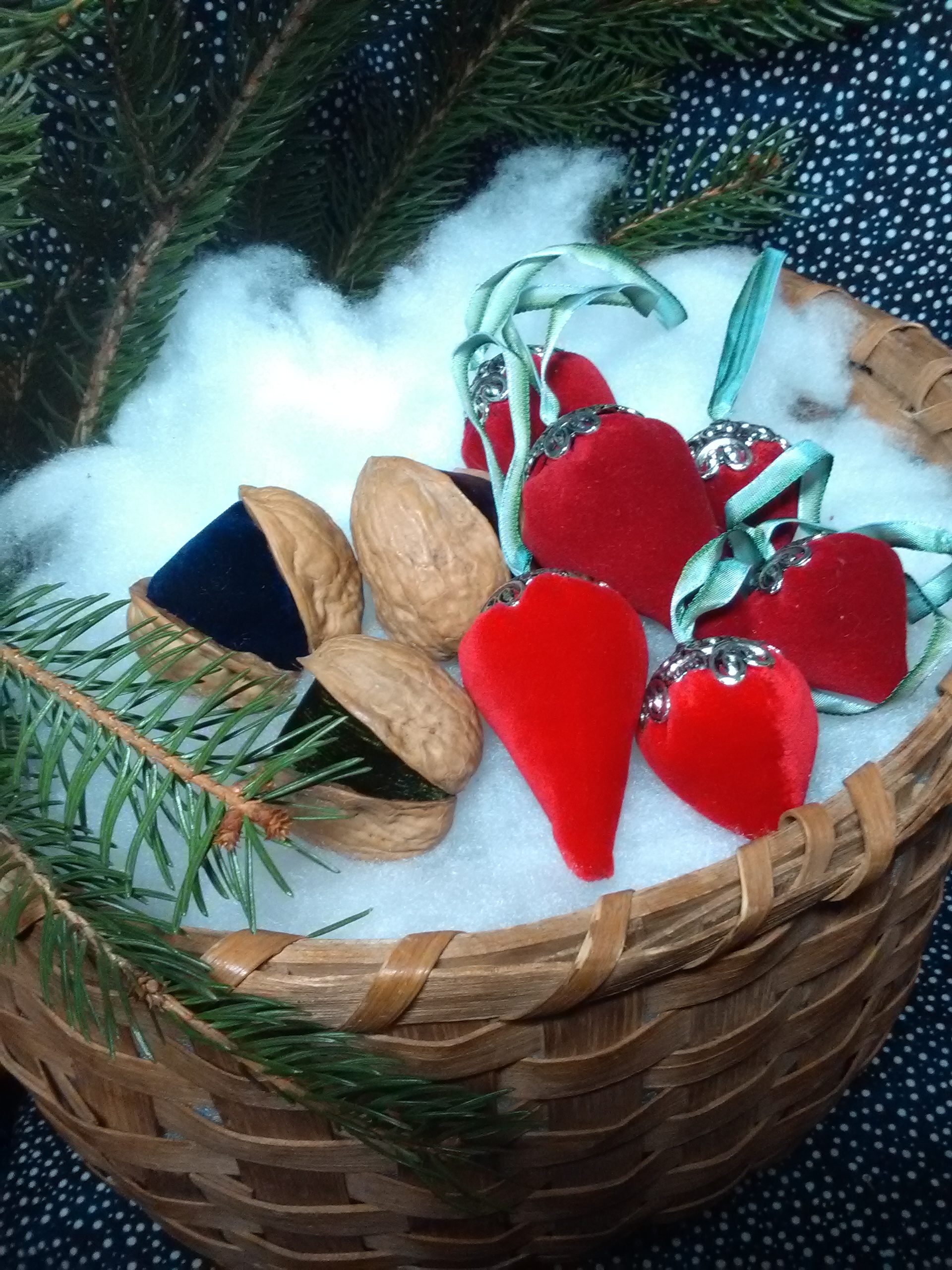
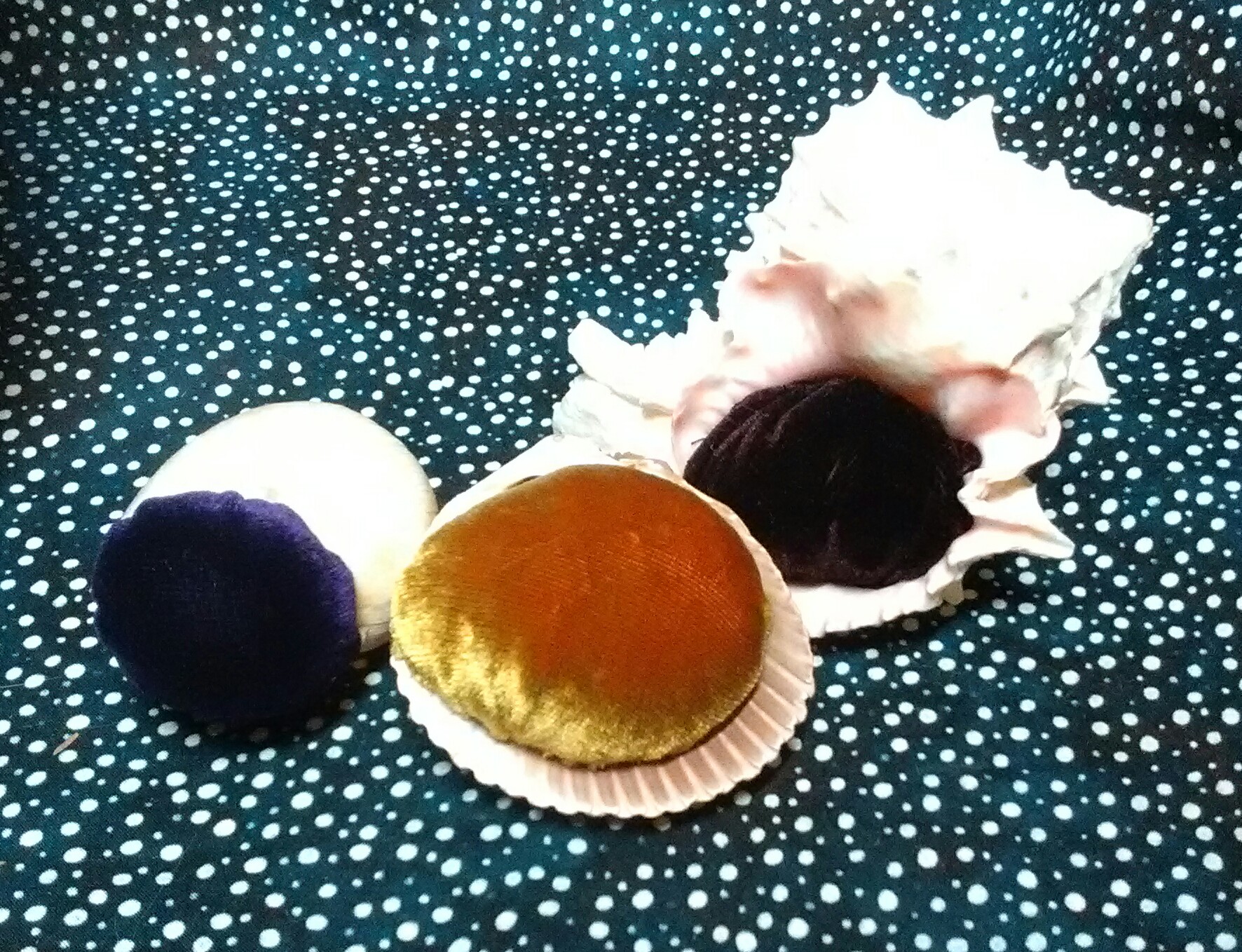
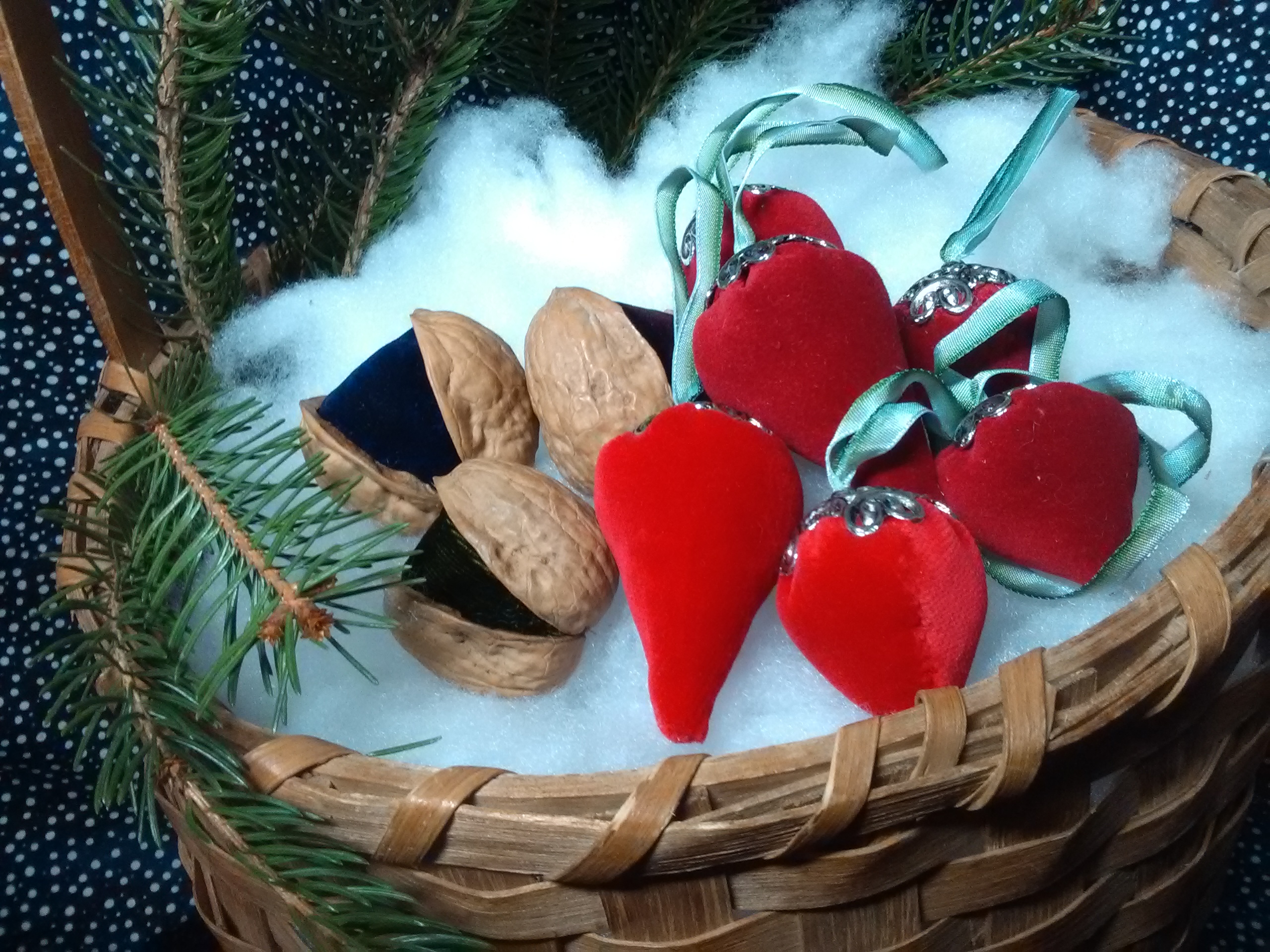
Fill her, or his, sewing box with a popular Victorian pin cushion. My shop is full of strawberries, walnuts and seashells, all hand made for the accurate impression. 

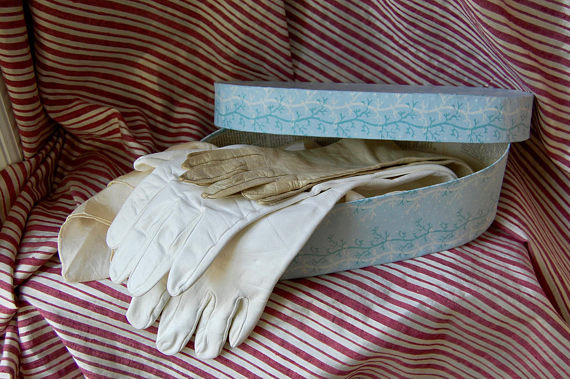
Not sure what to get the woman who has everything? Consider a vintage pair of gloves. I have several in my shop for early 19th, mid 19th and mid 20th century impressions. 

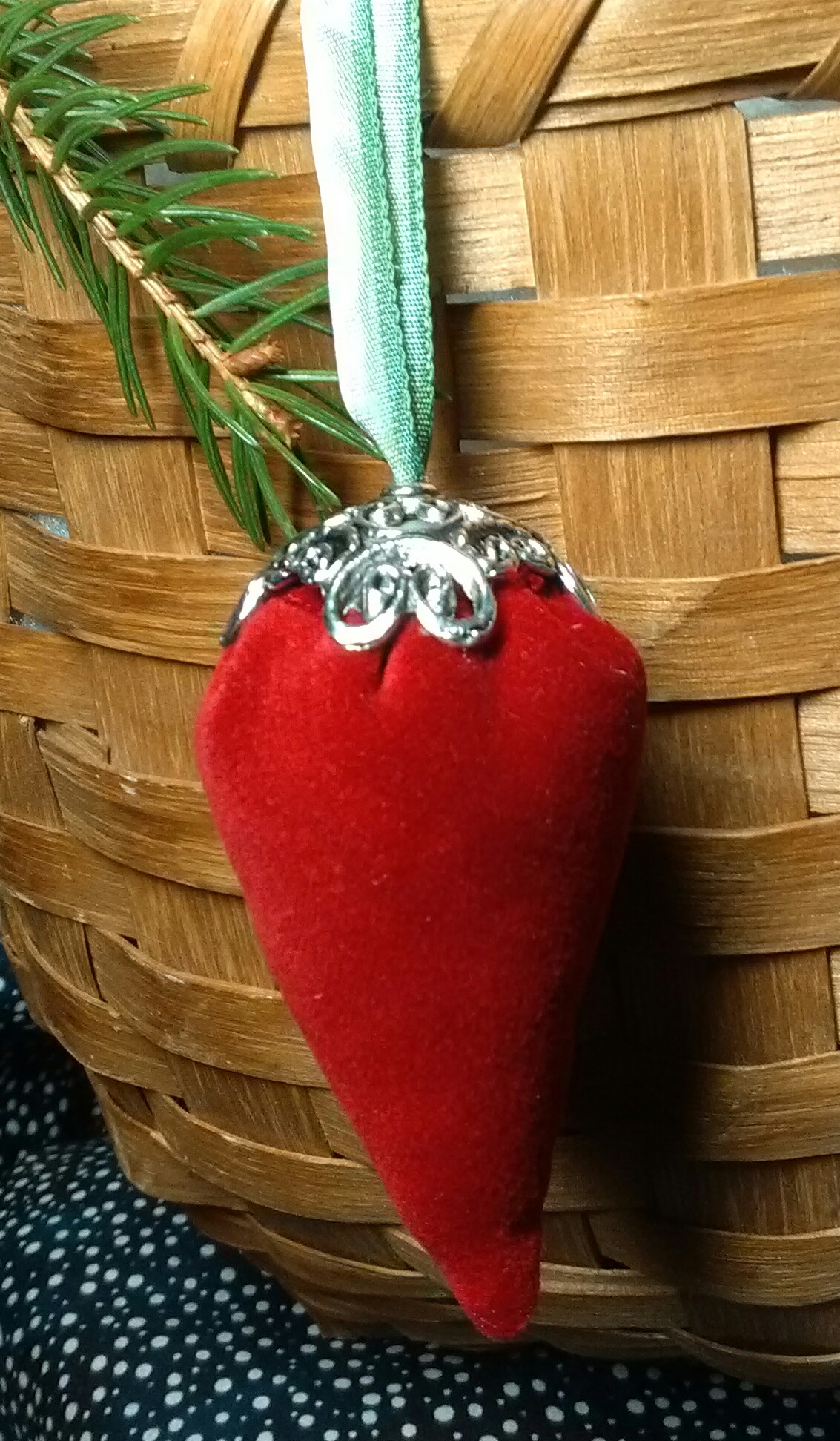
Looking for something special for their tree or yours? I made some strawberry ornaments as well. 

Of course, I have winter millinery for a warm and accurate mid-nineteeth century impression. I will be adding pieces as I get them finished. Each piece is entirely hand made and drafted from an original in my collection. 

Published in: on November 23, 2017 at 7:01 pm  Leave a Comment  

What do I Get My Wife for Christmas?

Back by popular demand, here is the 2017 version of What do I get my wife for Christmas. 

Gentlemen, are you asking yourself “What do I get my wife for Christmas?” or “What do I get my girlfriend for Christmas?”? If so, here are some reenactor approved gift ideas:

Fill her book shelf with these must haves:

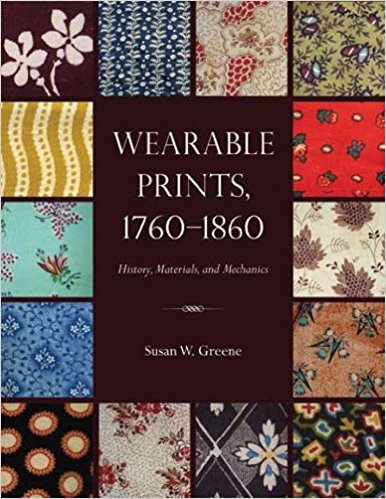
Wearable Prints, 1760-1860, by Susan Greene– This fabulous book is filled with extensive textile research and oodles of dress and fabric photos. This is a dream book. 

Fanciful Utility: Victorian Sewing Cases & Needle Booksby Anna Worden Bauersmith. This book is packed full of small projects including how to make several kinds of housewifes.

The Dressmaker’s Guide: 1840-1865 by Elizabeth Stewart Clark. This book is a must-have how-to for making women’s clothing during the crinoline era. (While you are there, check out the doll patterns too.) 
 

Love giving little things that mean a lot? 

 Kitty Calash is offering beautiful handmade bandboxes in her Etsy shop. These are well made with great attention to accuracy. She has glove boxes, sewing boxes, even comb boxes. 

Love the idea of giving a pair of gloves? I have several vintage the pairs of gloves in my Etsy shop. 
Looking for some stocking stuffers?  

I’ve filled my Etsy shop with small, heartfelt gifts for the historical interpreter in mind. You can choose from strawberry pin cushions, walnut pin cushions, seashell pin cushions, all very popular Victorian accessories. There are sewing boxes and work bags as well. 

If she enjoys writing at events or needs a journal, consider one of these pretty books from Talbott and Company. (A pair or trio would make an extra special gift.)


Want to pamper her? 

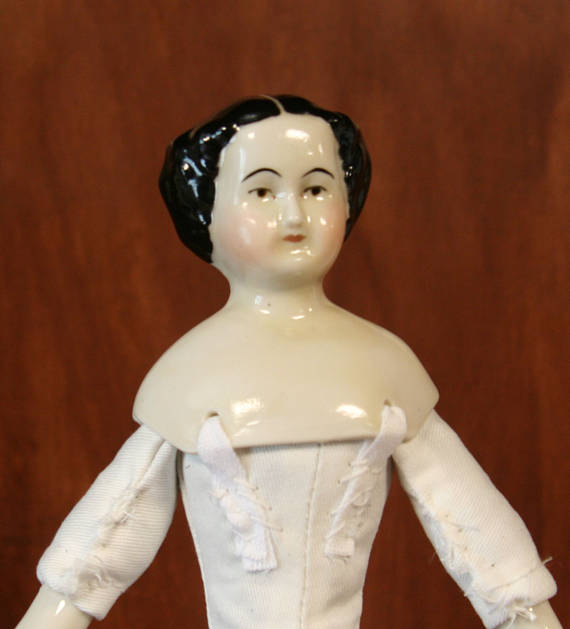
ReproDolls, over on Etsy, offers hand crafted reproduction dolls and accessories. Give her a beautiful period doll with accessories. 

Published in: on November 23, 2017 at 1:01 pm  Comments (1)