Let’s Talk About Cheektabs: Understanding the Fit of Mid-19th Century Bonnets
If you’ve ever tried on a faithfully reproduced 1850s or 1860s bonnet and thought, “Why is this thing poking my jaw?”—you’re not alone. For many new historical costumers and interpreters, cheektabs can feel downright awkward at first.
I often see two common mistakes. First, with modern hats worn so the brim shields the face, there is a tendency to pull the top of the brim forward, angling the cheektabs backwards towards or even behind the ears. Second, is trying to fit the crown of the bonnet to encompass the head when it should be perching on the back of the head. This can put the cheektabs in all sorts of wrong spots.
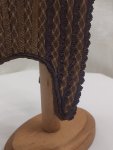
As the mid-nineteenth approached, the sides of bonnet brims began to create a distinct shape we call the Cheektab. At times, I think they may as well have been called jaw tabs because as shape progresses from the 1840s into the late 1850s, this tab narrows and elongated, essentially hugging the jawline.
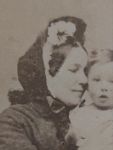
This placement becomes functional as the bonnet becomes smaller, shifting position to the back of the head. As the bonnet perches of the back of the head, the cheektabs help hold it in place with their position along the jawline. The cheektabs commonly worked in tandem with the frill, a bonnet stay, and functional ribbon ties to hold the bonnet to the head.

Now, let’s be honest: this can feel strange, particularly one accustomed to 21st-century attire. The pressure of something resting against the jaw is unfamiliar for most of us today. For some, this sensation fades with wear. For others, it remains a persistent discomfort.
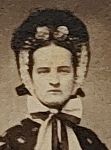
There are ways to alleviate the issue while staying true to period construction. First, remember that cheektabs are typically wired—this means they can be gently shaped to better follow the curve of your own jaw, reducing pressure points. A lined and bound edge (rather than raw straw) softens the contact. Further, the addition of a frill inside the brim adds both comfort and coverage, as it often did historically.
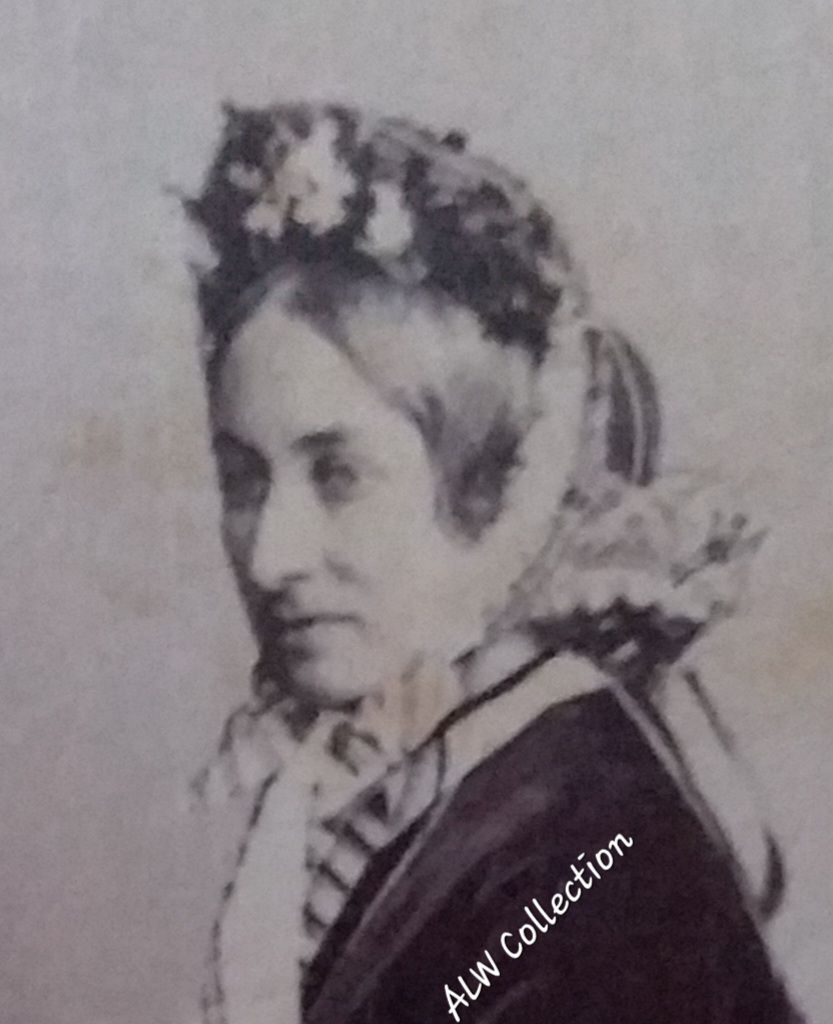
Here are a few close-ups of how cheektabs hugged the jawline, grasping alongside or underneath while the bonnet perches on the back of the head. Notice how it is the brim and front-most portion of the bonnet that encompasses the back of the head, rather than the tip and back portion of the bonnet crown. This fit wasn’t accidental—it was a defining feature of the silhouette. Learning to wear a bonnet this way, rather than reshaping it to feel more like a modern hat, can dramatically change the look and authenticity of your impression.










 If I Had My Own Blue Box:
Leave a comment