Scattered Leaves – Scattered Brain

I don’t know what it is, but lately my brain has been as scattered as the falling leaves. Really. No matter how much I neaten up the leaves, sweep them off the porch, the next thing I know the leaves are scattered all over the place again. Basically, it is:

So many projects….. so little time.

I should really be focusing on wrapping up a last, delayed straw project, pairing up the all too chatty silks and linings for the season’s winter millinery, pinning down the bits and pieces for the upcoming winter sew-alongs floating in my head and finishing up cutting the bits and pieces for the upcoming workshops at the Domestic Skill Symposium.

But, these nifty ideas keep falling out of nowhere. There are all these tastefully distracting “Ooooo, I want to make that”s.

Florence Hartley’s The Ladies’ Hand Book of Fancy Work is a ridiculous level of distraction. (Some of these likely look familiar to 1850s/60 periodical readers.) The book is page after page of projects to make. The book has something for just about everybody. This time of year, I find the slipper patterns too tempting. Who doesn’t want a pair of warm, soft slippers for the winter?  (For those who love knitting or crochet, you may find The Lady’s Album of Fancy Work1849 additionally interesting.)

Then there are the amazing personally made design books, those women compiled with their own drawings or clippings they have used. They are full of beautiful designs to make. At the same time, they are beautiful in and of themselves. How tempting it would be to make my own book of designs in an early to mid nineteenth century style. Mrs. Watson’s 1824 Book of Designs is full of hand inked designs. The first several appear to be edges that would work for petticoats, chemises and drawers. Some would be nice for kerchiefs, early fichus or personal whites. Her illustrations increase in size as the book continues. She also includes several circular designs and horseshoe-esque shapes.  One can only wonder what she was working on.

Similarly, this 1850 book of Embroidery Designs is packed full of pretty embroidery designs. While the author/illustrator is unknown, the shapes of the designs with the occasional outline, give us an idea of what each piece may have been for. I see a few that may have been a fichu, other collar edges. She even has a one that is likely a cap.

This  Design Book just wins me over though. Again, the author/illustrator is unknown, as is the date (though there is a clipping pasted in the middle of the book with a male’s name and 1839 date.)  It is filled not only with designs for needlework, but also shapes I think were for quilting.  The shapes are cut from an assortment of papers. Some are plain with a bit of visual texture to the makeup. Some are printed papers appearing to be periodical publications. Some are handwritten (notice how the words are repeated as though from school?) The cut outs were either for the quilting itself or for the pieces. I am pretty sure I see a couple that make up parts of an album quilt. Wouldn’t it be great to take her shapes and see what they could make??? (I am really puzzled by the clipping with the name/date. That clipping has a pin pricked design on it. Turning the page, there is an additional clipping, also with pin pricking, that has the same name and multiplication problems on it.)

So, this is why I need to not touch my laptop when I am home and have things to do. Too many tempting projects…. too little time.

Published in: on October 8, 2015 at 6:00 am  Comments (2)  

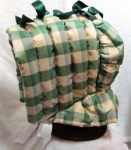
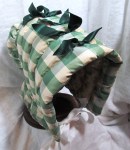
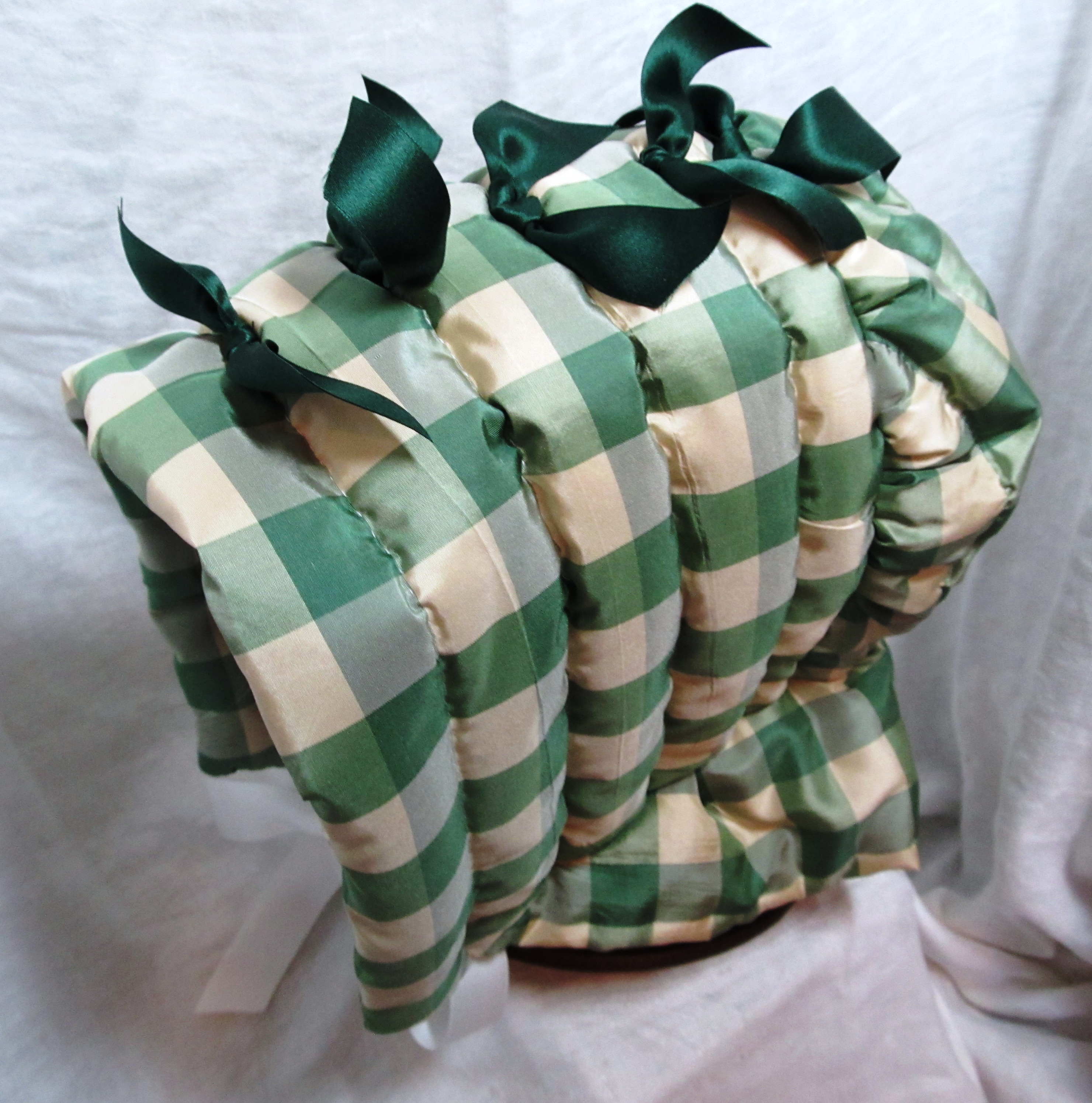
This Week’s Winter Hood: Green & Cream Silk Check

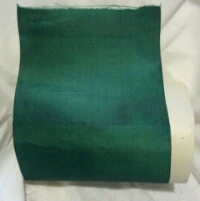
IMG_7974Winter wear in a pretty green and cream silk trimmed with dark green silk ribbons. The wide lofts filled with squishy wool are quilted along the lines of the check. The double layer of wool batting makes this hood soft and warm. The full crown gives plenty of room for your coiffure. It is also adjustable along the neckline.
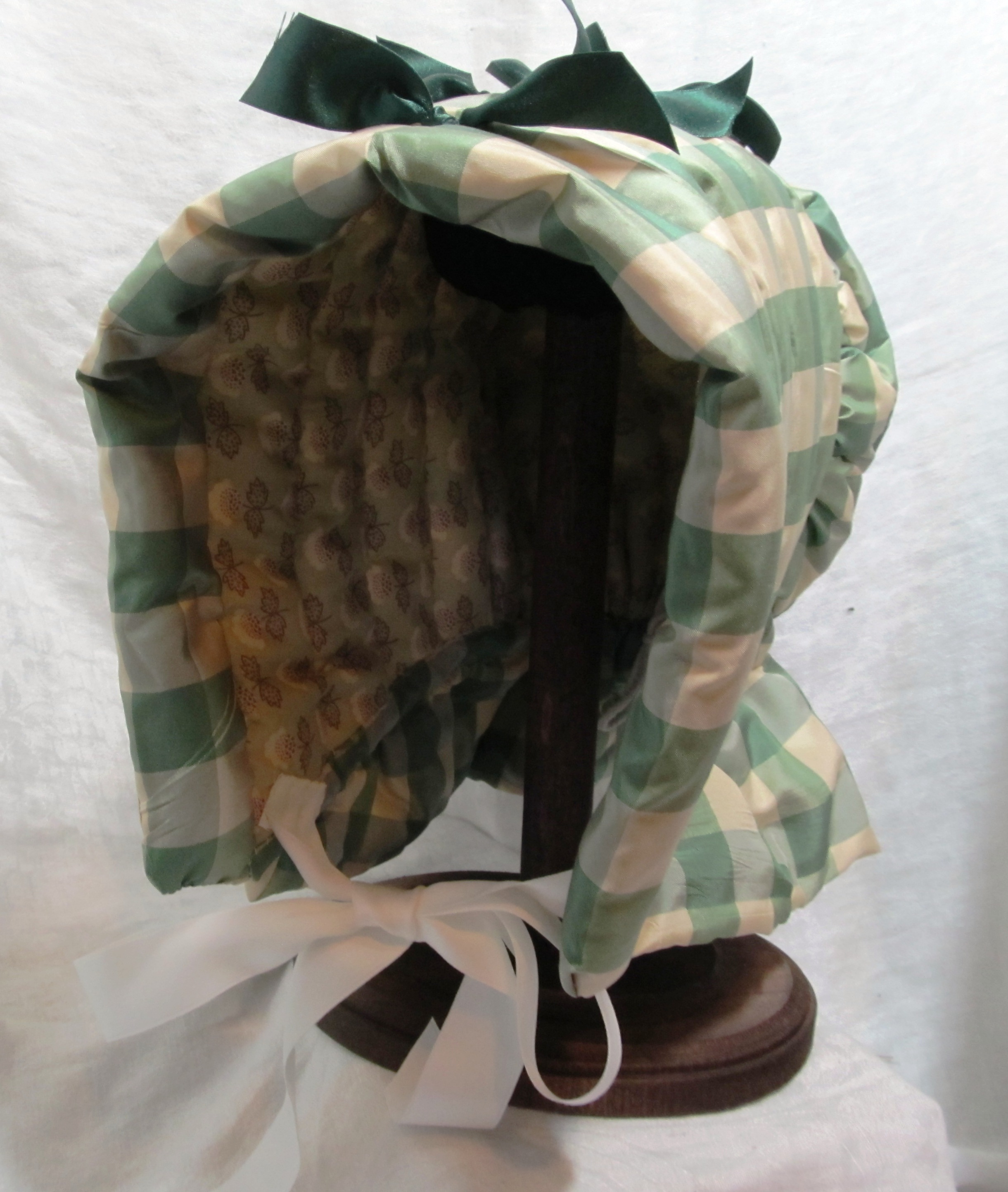
IMG_7984Inside is a pretty period cotton print with fluffy white flowers. It ties closed with a durable white cotton sateen ribbon.
This hood is currently available in my Etsy shop.

~
IMG_7979IMG_7976 IMG_7977

Published in: on October 7, 2015 at 4:50 pm  Comments (1)  

I Don’t Cook

Please read this post from Kitty Calash: “Men, Women, and Work.”

Years back, I determined “I do not cook.” This started out thanks to summers of doing a residential scout camp all summer where I cooked outside each and every week. I had enough of campfire cooking.

This stance of “I do not cook” has evolved into the observation Kitty shares: All too often women are tied to a campfire at military events.

For me, that is many levels of unappealing

I acknowledge some women love to cook, enjoy cooking, choose to cook. Cheers to you! Some of you do your research and impressions exceptionally.

Then there expected or assumed situations that ‘wife’, ‘girlfriend’, ‘mom’ is going to cook and care for me in camp.

Um. No thank you.

When little sister started developing an interest in historical interpretation, I repeatedly cringed at mom’s suggestion, um, read “push”, to cook. To me cooking is….. having to tow around heavy pots and pans…. having to box and store dishes…. having to deal with digging a fire pit…. having to deal with a fire…. having to deal with food… being stuck in camp….

Ugh. No thank you.

I am so very, very thankful for historical settings that invite a variety of domestic, social and business based interpretations. I am so very, very thankful for period publications, such as Moore’s Rural New Yorker, that show women venting about their distaste for the kitchen and those who hire in instead.

Published in: on October 7, 2015 at 4:00 pm  Comments (4)  

Shattering Silk – Why Not to Use Antique Silk Ribbon

Since our 21st century selection of silk ribbon is a teeny, tiny fraction of what it was in the 19th century, all to often we look to antique and vintage ribbon for embellishing our millinery. The silk florals, stripes, plaids, damasks, moires, pretty colors…. are all too tempting. They are just so pretty.

Well…. there can be a huge drawback to using antique or vintage ribbon for reproduction millinery.

wpid-2015-10-03-14.32.40.jpg.jpegAntique and vintage silk ribbons can be fragile. Even if they appear to be in strong shape, they can still be easily damaged. This black ribbon to the right is an example of this. This is 1″ ribbon on one of my personal winter bonnets. This is after the first wearing. The ribbon was tied in the morning when I left the house. It was not untied/retied at all through the day. This is how it looked when I took it off in the afternoon. This ribbon was part of an order of several black ribbons when I was out of my regular silk ribbon and my ribbon supplier was also out of ribbon. The ribbon appeared strong, being soft and supple. Obviously, this was not the case.

Bad for me. Good for you because this is a good chance to show what can happen.

The fractures or splits on this ribbon run the length of the ribbon. This means the weft threads are what broke. The weft threads, those running across the ribbon, are usually less strong than the weft threads that run the length of the ribbon. These fractures are along the lines where the ribbon folded/wrinkled in the bow. So, these fractures make sense. (This is also good to see because it can be compared to future observations of silk fractures. These would occur from the wearing. Other fractures can occur during the storing.)

Now, imagine this happening with a wider ribbon. This narrow ribbon only cost a few dollars a yard. A wider ribbon can cost $10, $20, even $50 a yard. Multiplied out by 2 to 5 yards going on a bonnet…. there would be lots of tears. I had a client who loved this wide green silk ribbon. It looked quite lovely. When it arrived, it was obviously quite dry and brittle. Using the ribbon would have been a disaster.

~
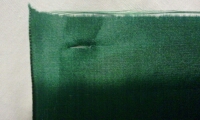
imageHere is another example I picked up at an estate sale for the ribbon collection. It is a brilliant green silk in a five inch width. This ribbon appears to be in nice shape on the roll. But, just the pressure of a finger nail can break the fibers like a razor blade. Notice how this break is across the ribbon. This means I am breaking the warp threads, which should be the stronger fibers. imageThis ribbon, assuming it survived being attached to the bonnet (which I doubt it would) would shatter in the wearer’s hands.

~
image

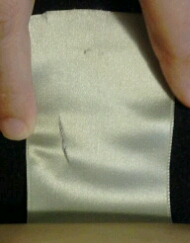
This pale blue silk is another example. this two inch wide ribbon appears to have a nice sheen. It is soft to the touch. It does not feel dry or have that weird crisped feel some aged ribbons can have.

image

Yet, it is still quite fragile. This break cuts across both the warp and weft threads.The break formed just from pressure in that area.

~

Of course, not using antique and vintage silk ribbons leaves us with vintage blends, narrower modern silk ribbons and wider ribbons in modern fibers. I highly recommend feeling some orginal ribbons when you can. Also, feel the different qualities of modern an newer vintage ribbons so you can have a tactile knowledge of what is available and how it compares to originals.

Published in: on October 6, 2015 at 6:13 pm  Leave a Comment  

Having a Ball

I completely forgot how much fun balls can be. Btw, I mean the round, spherical kind not the dancing kind. Though, those can be fun too.

“the little ball, the great, the empty ball, and the leathern ball.” (Ebenezer Landells)

Back when I taught Pioneer Days Camp at Stone Tolan, I included a ball project for some of the weeks. I took the ball design from The Girl’s Own Toy-Maker, by Ebenezer Landells. In this book, the author suggests sewing the ball of cloth or leather, alternating colors and filling with bran. The same author writes a little more about balls in his companion book The Boy’s Own Toy-Maker. Here he suggest, for a handball, the use of India-rubber or cork wound round with worsted (a woolen yarn/string) until the size of an orange.

While these written directions obviously intend these balls to be toys, we also find balls that were used for pin cushions. Eliza Leslie writes of a twist on the ball pin cushion, transforming it into a ball needle-book. I have yet to make this one.

These ball pin cushions is what has recently reminded me how much fun balls can be.

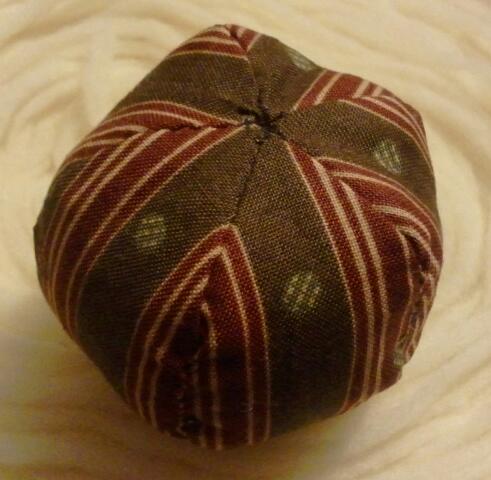
wpid-2015-10-01-06.18.51-1.jpg.jpegI have been filling most of my balls with wool wadding rather than bran. Have you ever tried using something like bran with small children? Let’s just say it can get a tad messy. Other filling options of various function and authenticity, could include walnut hulls (I have a lovely one with lavender from the quilt shop), rice, sand, emery (for small pin cushions), sawdust or small beans.

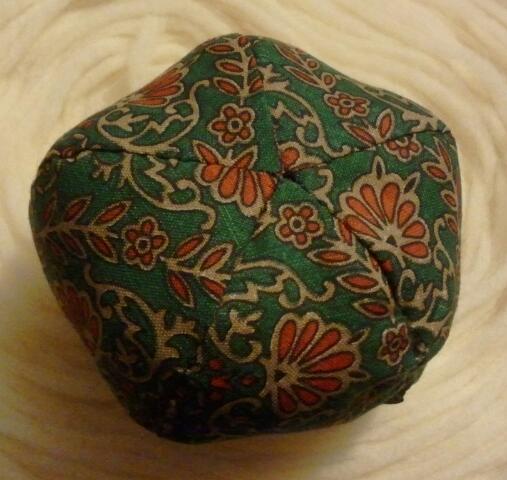
wpid-2015-10-01-06.19.09-1.jpg.jpegI like using the shape from above. For lack of a better word, I’ve been calling it a petal because it sorta looks like a flower petal. If you are worried about the proportions, there is a simple formula to use:

  • SW=2H
  • S is the number of segments
  • W is the width of the segments
  • H is the height of the segments
  • So, a 3″ tall petal would need to be 1″ wide if you want 6 segments or petals.

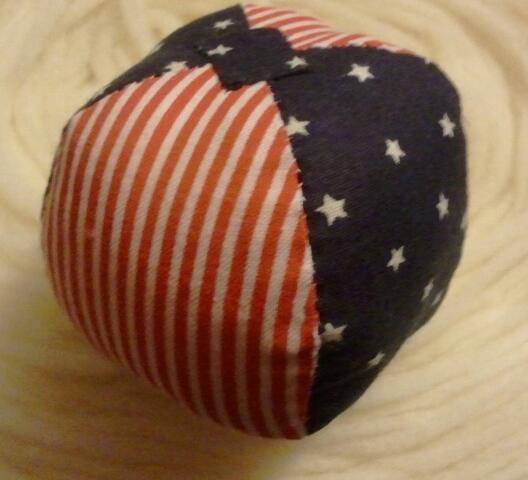
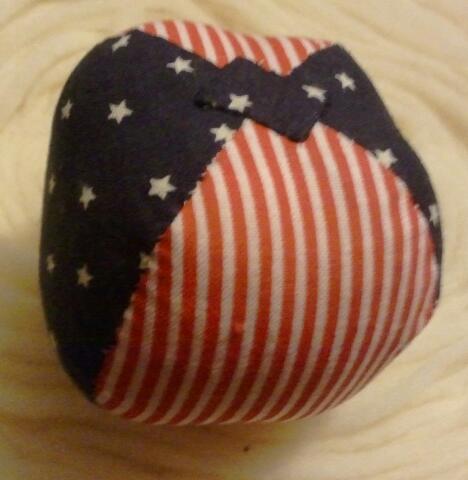
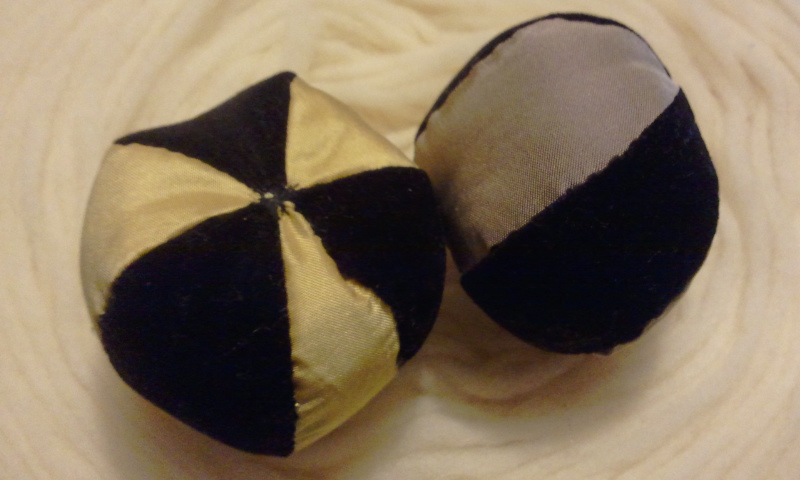
wpid-2015-10-01-06.18.12-1.jpg.jpegOf course, the fun part is selecting the fabrics. With an even number of petals, you can alternate fabrics. With an odd number, you can use an assortment of fabrics. There are an endless number of combinations. Alternating velvets and silk taffetas can create a play on texture. wpid-2015-10-01-06.17.56-1.jpg.jpegUsing red and white stripes in combination with white stars on blue can make a patriotic ball. The stripes in a corded fabric can be angled to play with a single color.

wpid-2015-10-05-20.10.38.jpg.jpegMany other ways of making balls that seem to pop up over time – triangle, octagons, etc. I’ve started a pin board just for these here.

For more toys and games, I recommend

Published in: on October 6, 2015 at 6:00 am  Comments (2)  

For Your Reading Pleasure – The Homefront Herald

From the hands of Mandy Kallal and Marie Waters Hoobery, a new civilian reenacting publication will soon be available.

The Homefront Herald.  A magazine by civilian reenactors for civilian reenactors.
 
​A new publication designed with the needs of the modern reenactor, and the desire to honor the past through living history at its very core. We intend to encourage integrity in reenacting and offer a forum for those with expertise and research to share with others in the hobby, thereby improving all.
Take a moment to visit their Website: http://www.homefrontherald.com/
Their Facebook Page: https://www.facebook.com/HomefrontHerald
Published in: on October 5, 2015 at 8:06 pm  Leave a Comment  

Agricultural Society Fair – Part 4 – Favorites

IMG_7960My favorites from this year’s Ag. Fair…. Let me first say I was both pleased and saddened by this year’s entries. There was some absolutely amazing work, I mean AMAZING. But, at the same time, there were far, far fewer entries. I remember when I was little that the meeting center and tents were filled, really filled. Then I remember when it was the whole meeting center, all three rooms. This year, barely two rooms were filled. This made me so sad.

IMG_7901Cheese has always been one of my favorite entries to see. I think it comes down to the cheese Grandma used to bring home at the end of the season. My favorite was the less than authentic peppercorn filled cheese. To this day, one of my comfort foods is simply pasta with a good hard cheese grated on.
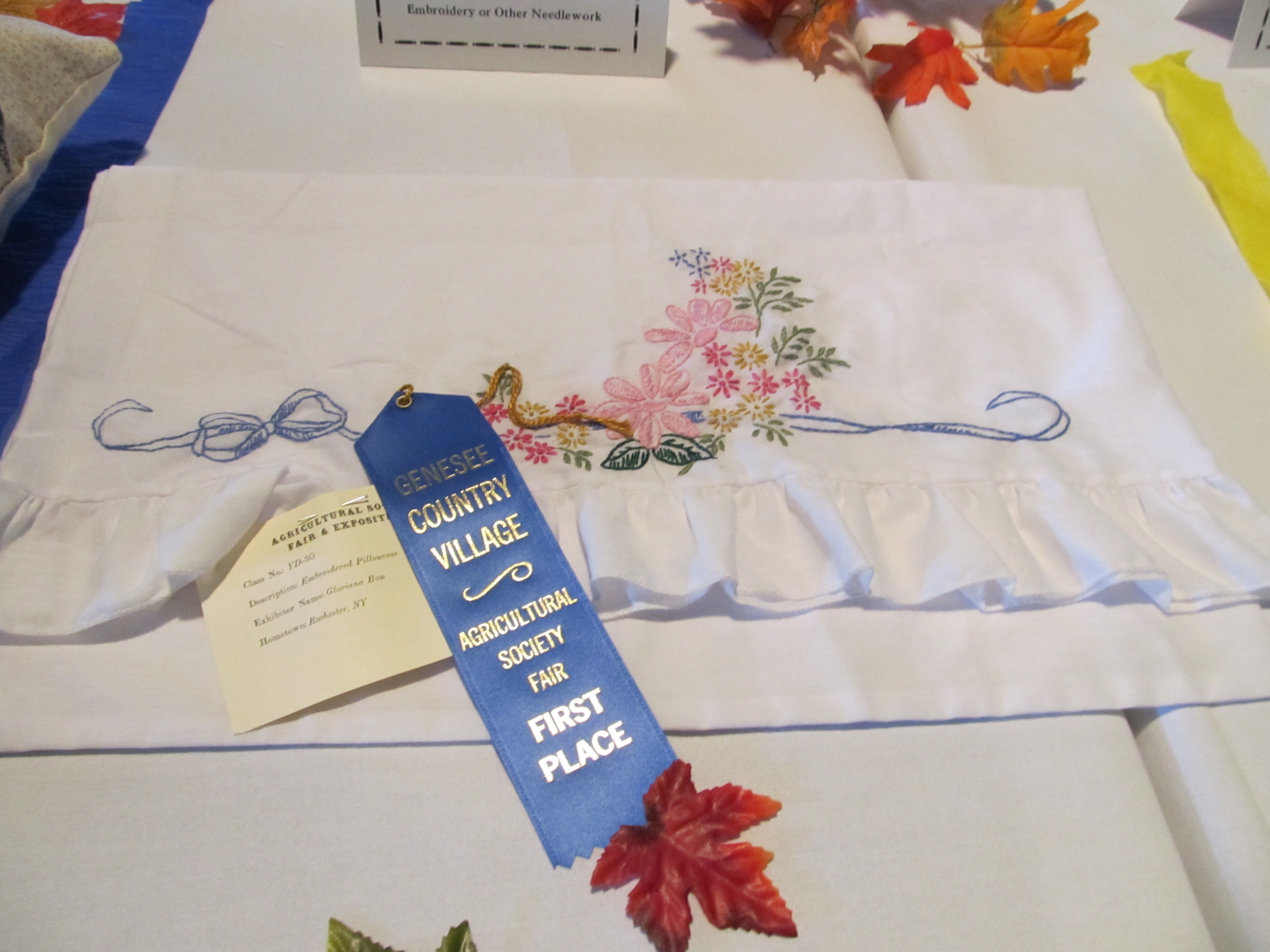
IMG_7900

This is one of the children’s entries. I thought this young person’s work really was nice. It happens to remind me of my Grandma Worden, who used to do this kind of needlework.

IMG_7920Each of the hooked rugs entered this year were beautifully done. There was just something about this one though. I think Grandma would have loved it. It is playful, pleasing and just the right balance of colors. Love it.
IMG_7914 IMG_7913

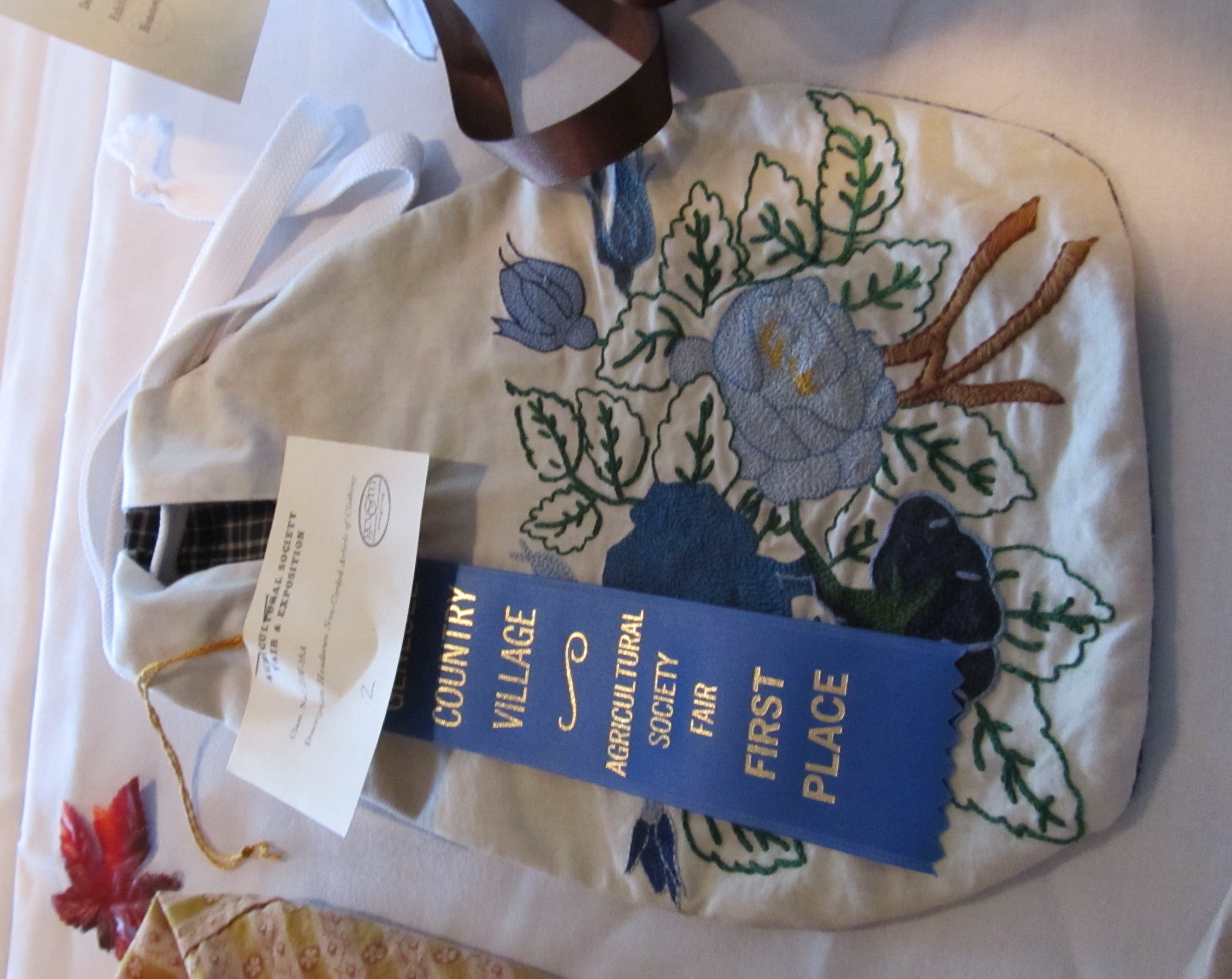
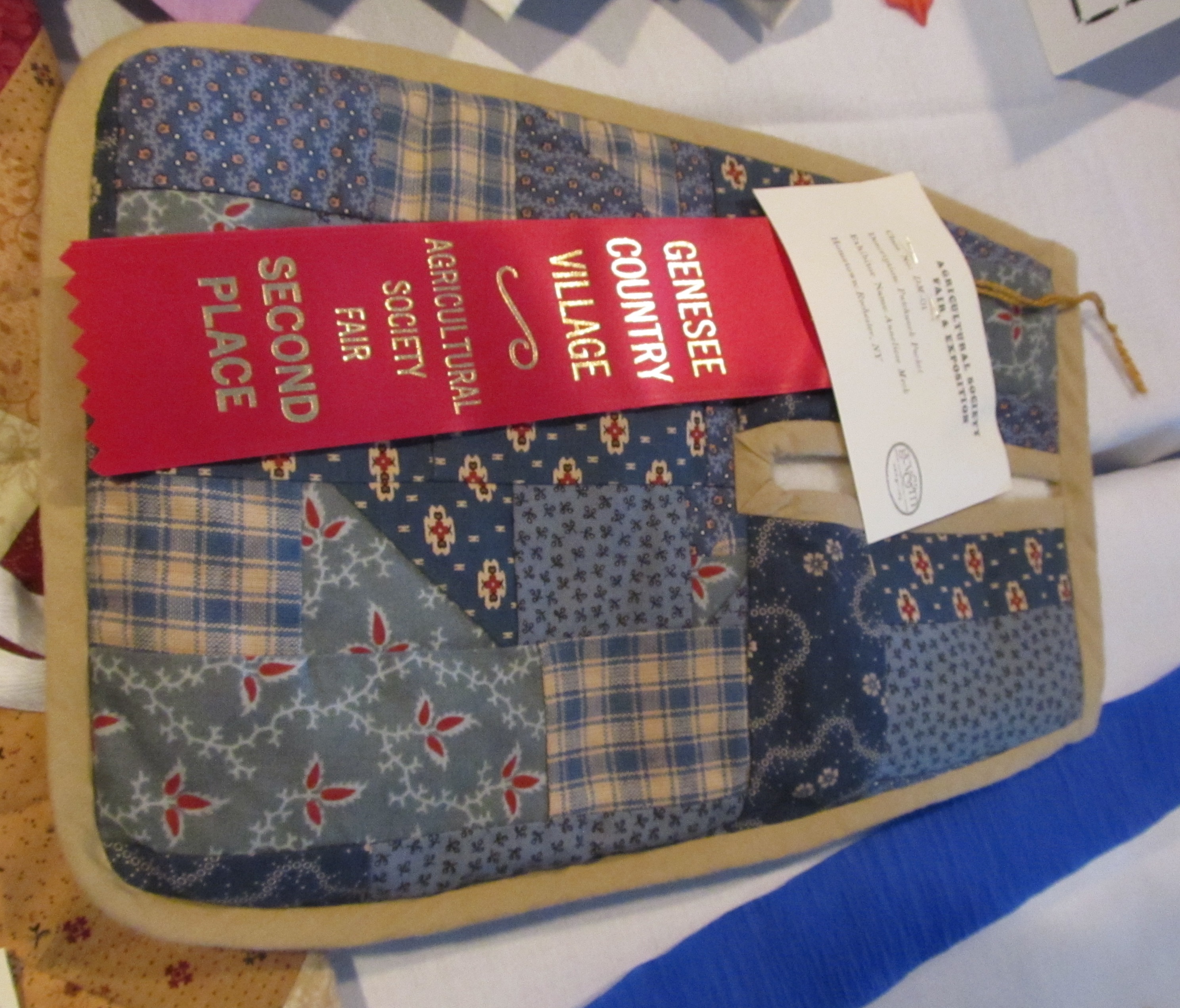
There were a pair of pockets that made me really glad I did not enter a pocket this year. (I had been thinking about doing a doll’s pocket.) One was a lovely patchwork. The other a stunning embroidery. Both in beautiful shades of blue that I am rather partial to.

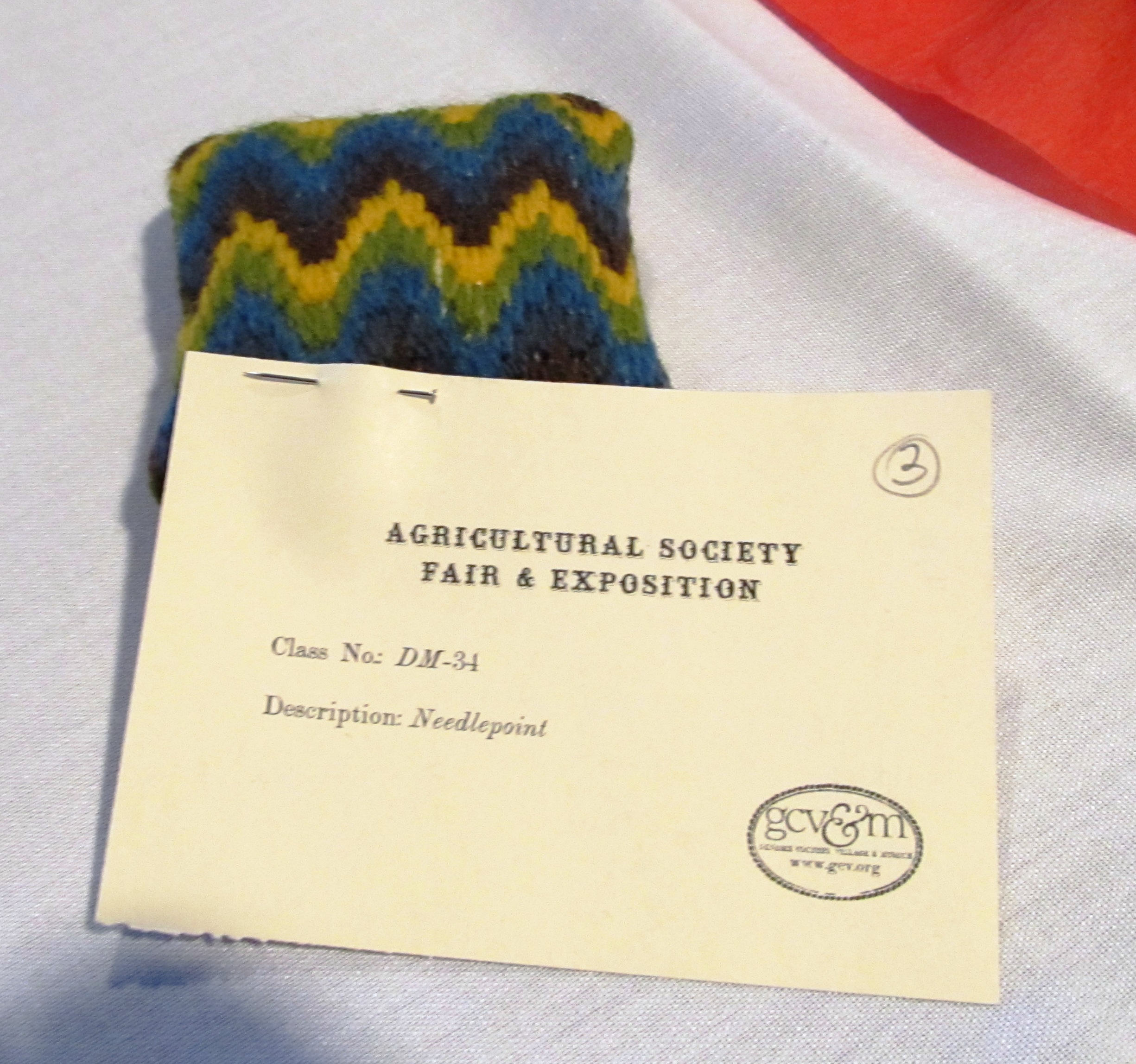
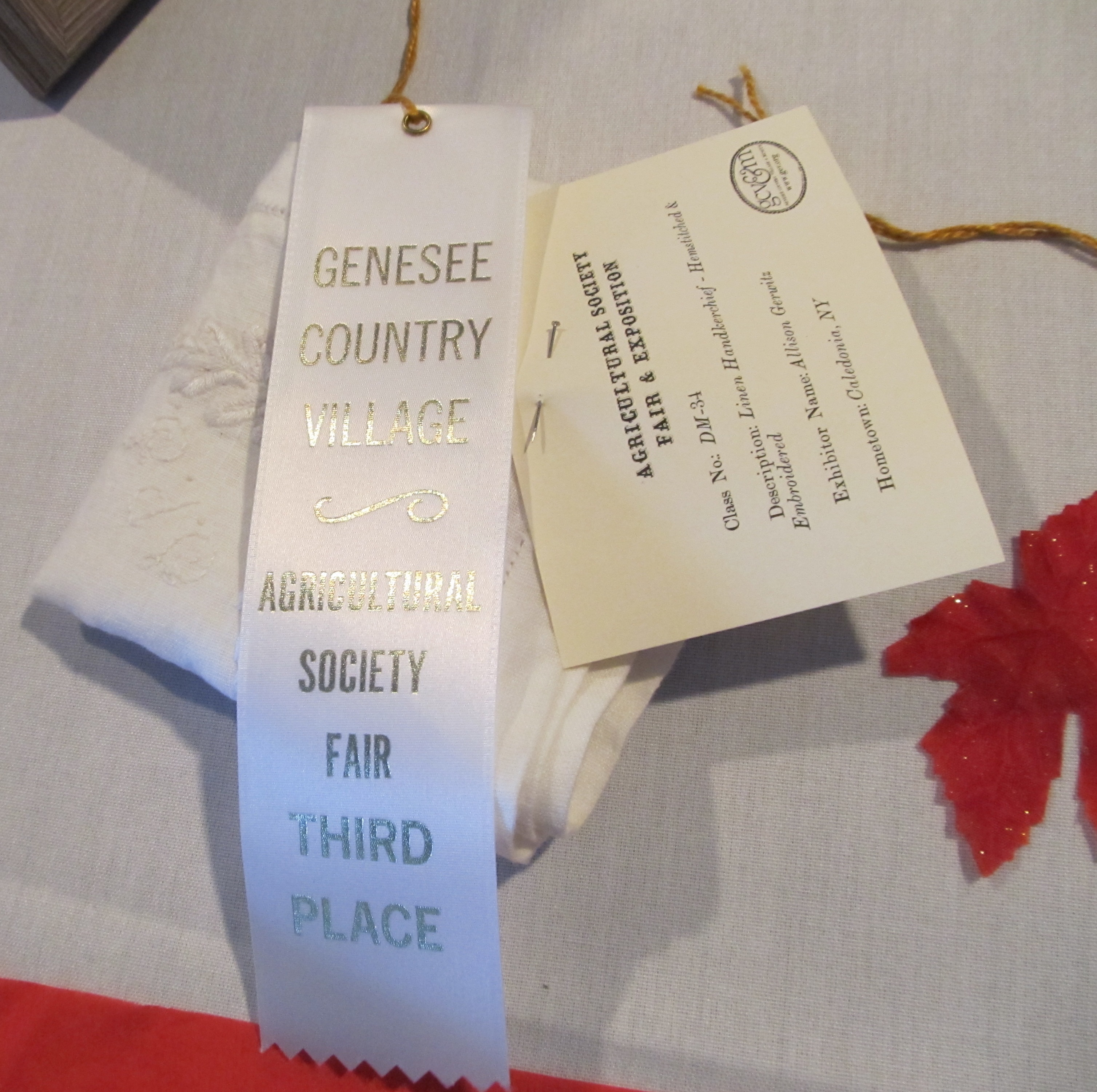
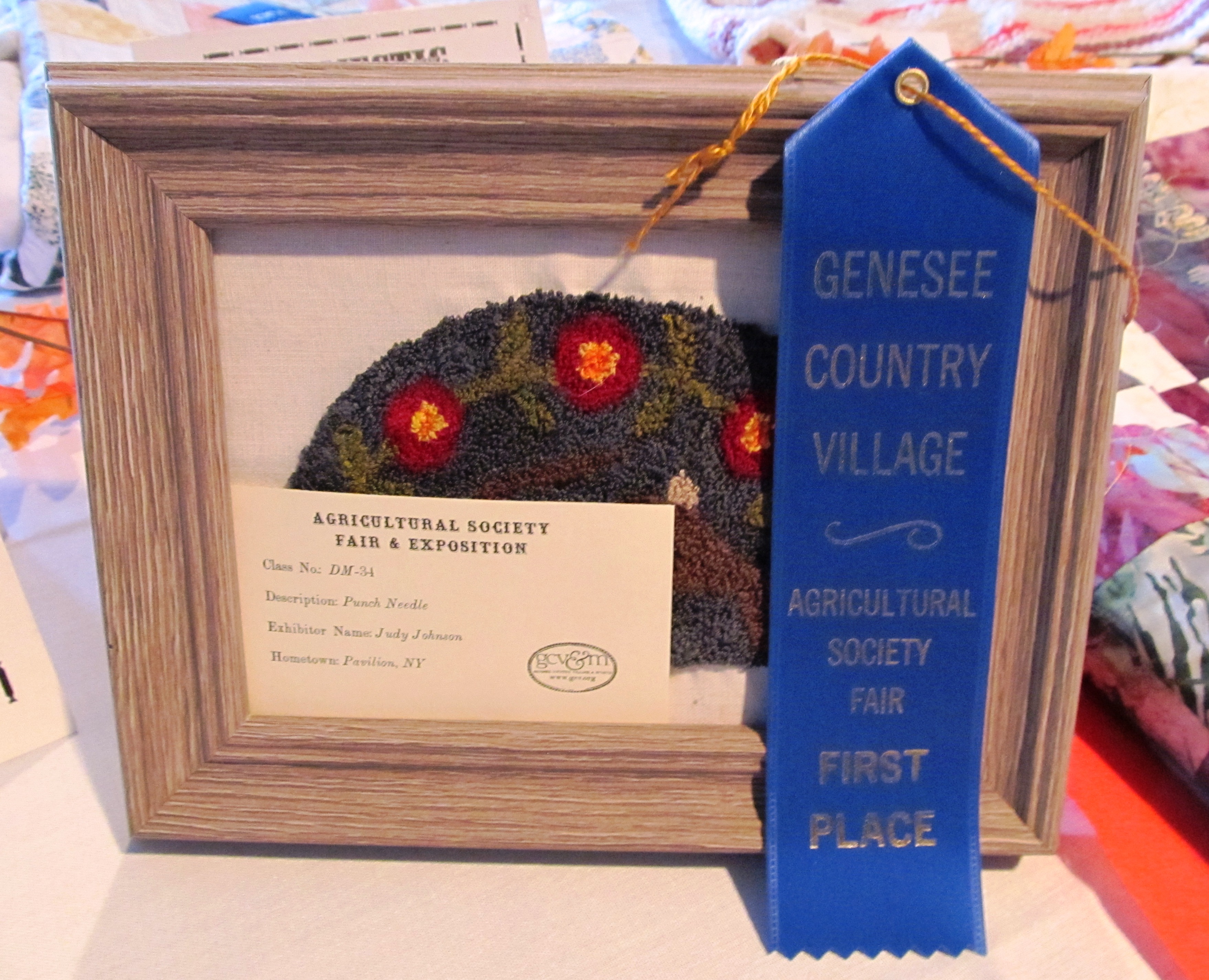
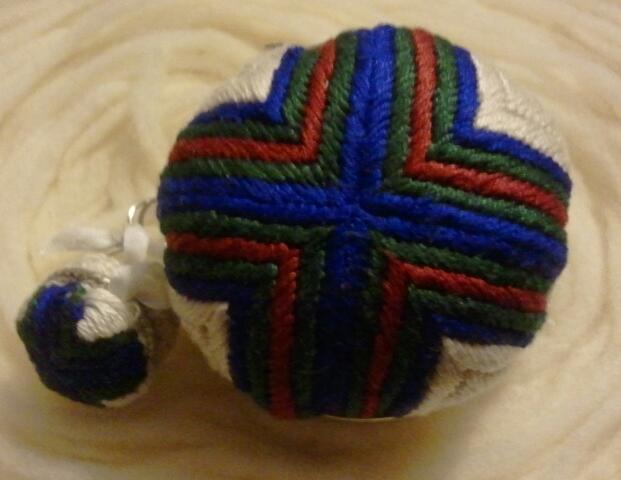
IMG_7907IMG_7910All of the needlework embroidery entries were amazing, stunning and so very well done. I have long thought this section needs to be reworked to reflect the needlework styles of the nineteenth century. IMG_7912This set of entries exemplifies why. Each one is an excellent example of a different type of needlework. IMG_7909Anneliese made the beautiful flame stitch pincushion, Allison worked the white work handkerchief and the punch work is by Judy (who I think I remember.) At least two other entries in other categories could easily also be considered for their needlework, the pocket above and the cap below.

IMG_7916

This cap, wow. I don’t know what to say beside ‘wow’. This is also made by Anneliese. I hope you can see all the detail including those worked dots. (I’m sure they have a name. Fingers cross she’ll comment below about them.)

IMG_7925

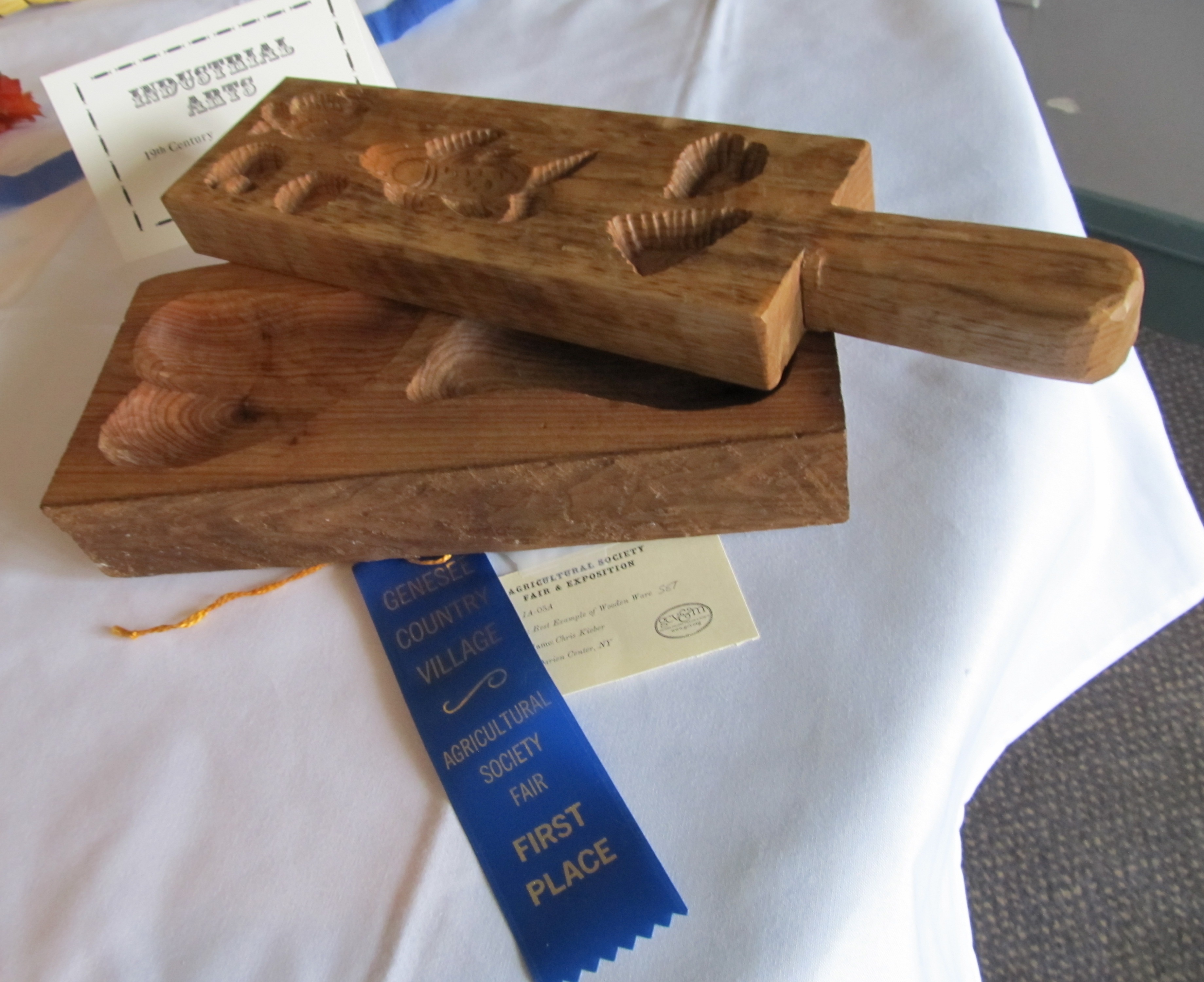
This best example of wooden ware made me “oooo” so loud I had  a response back from the other room. I can not imagine the amount of carving that went into these. I’m hoping we will get to see what they produce in the future.

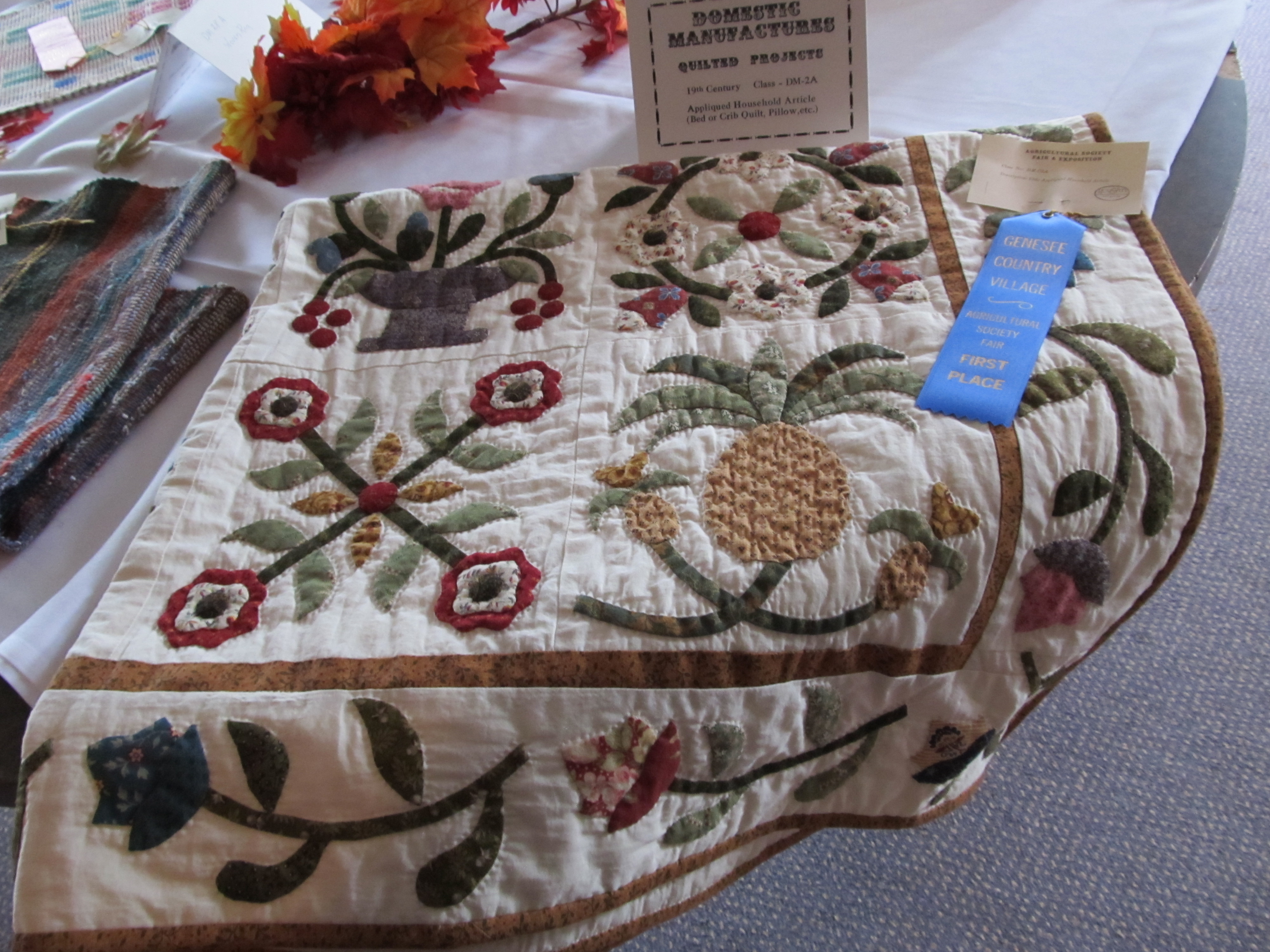
IMG_7926This quilt was quite pleasing. The colors work so well together. I have this style applique on my ‘wish to do sometime’ list. I hope I can pull one off this nice.

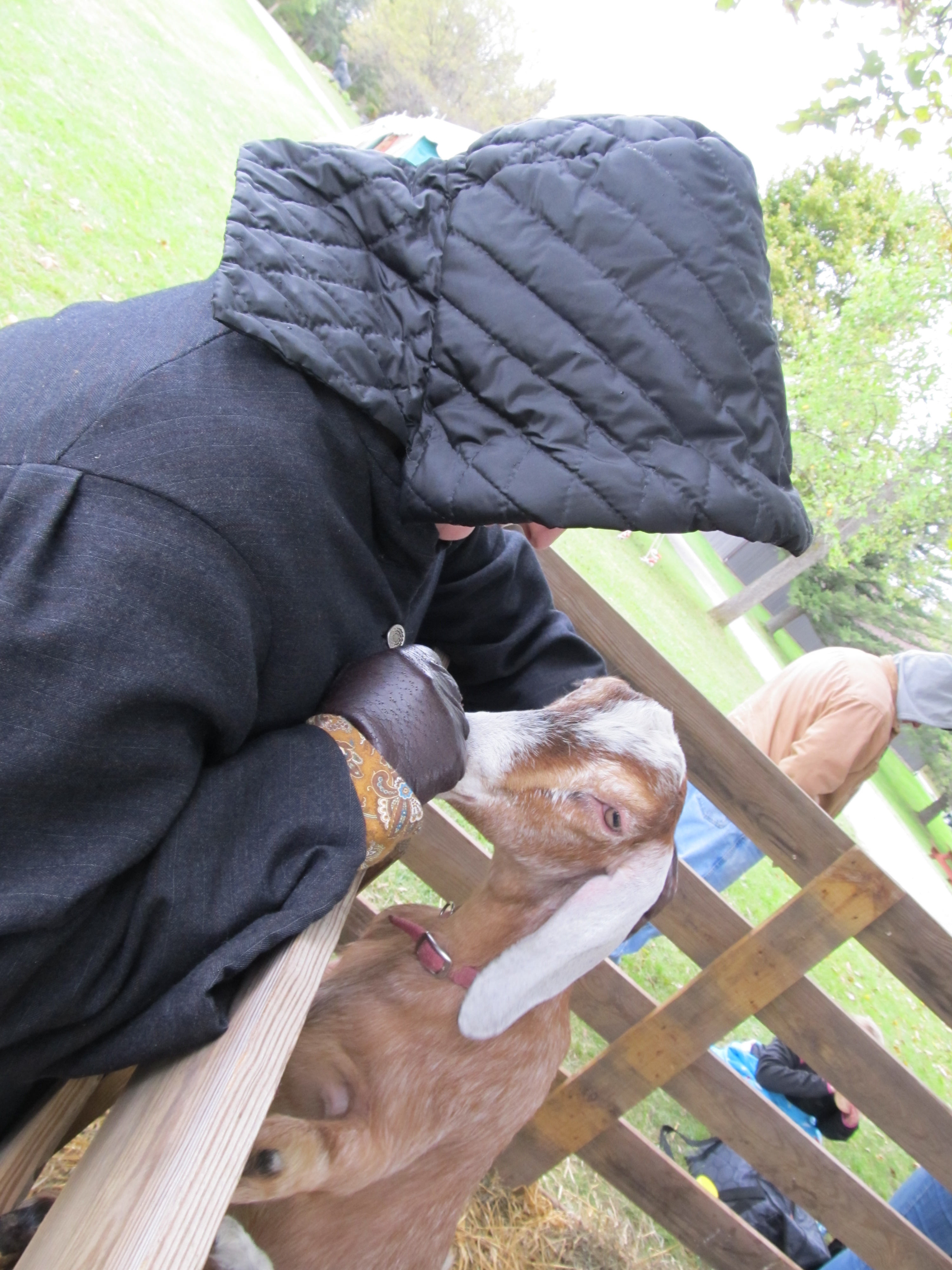
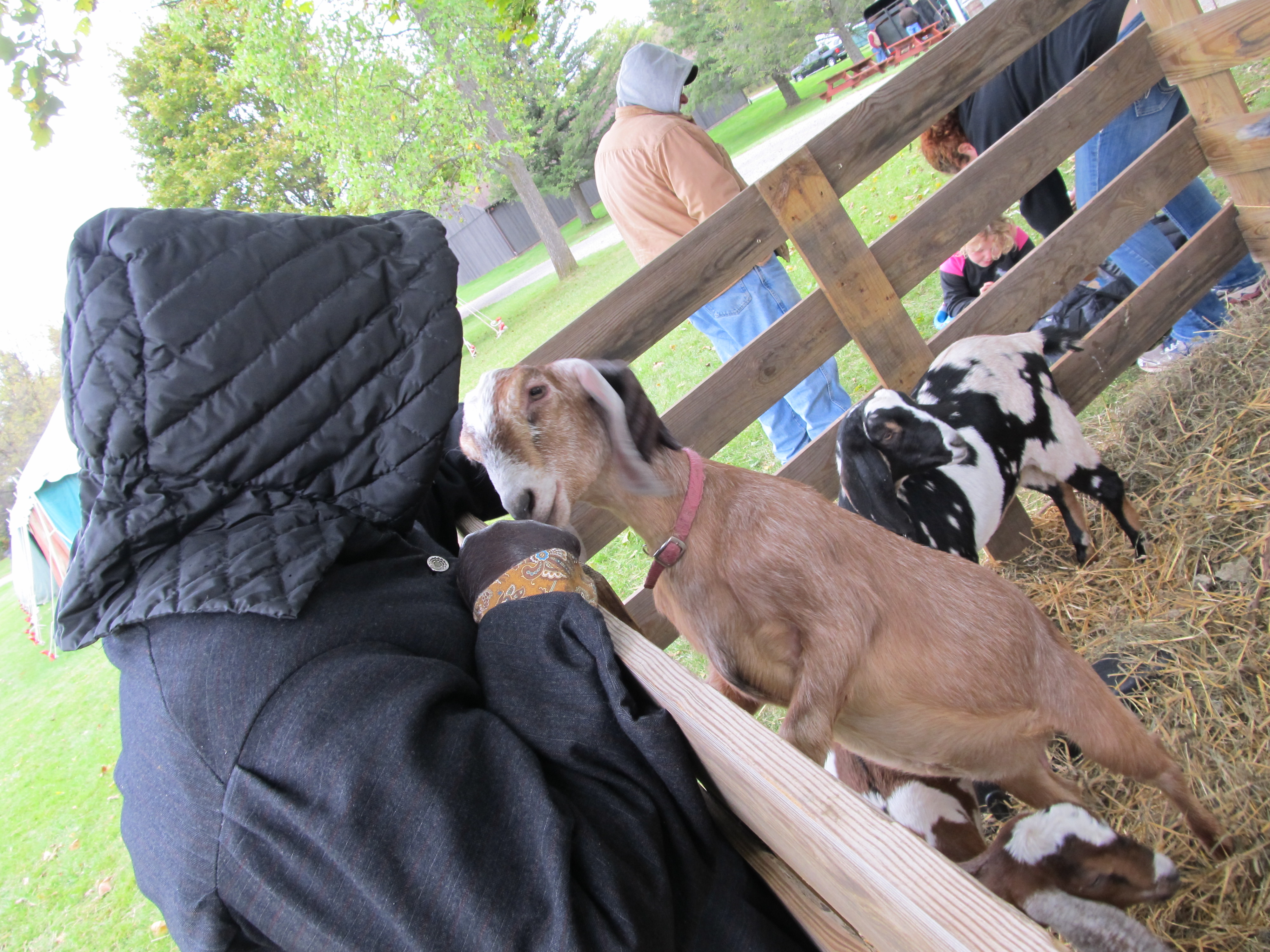
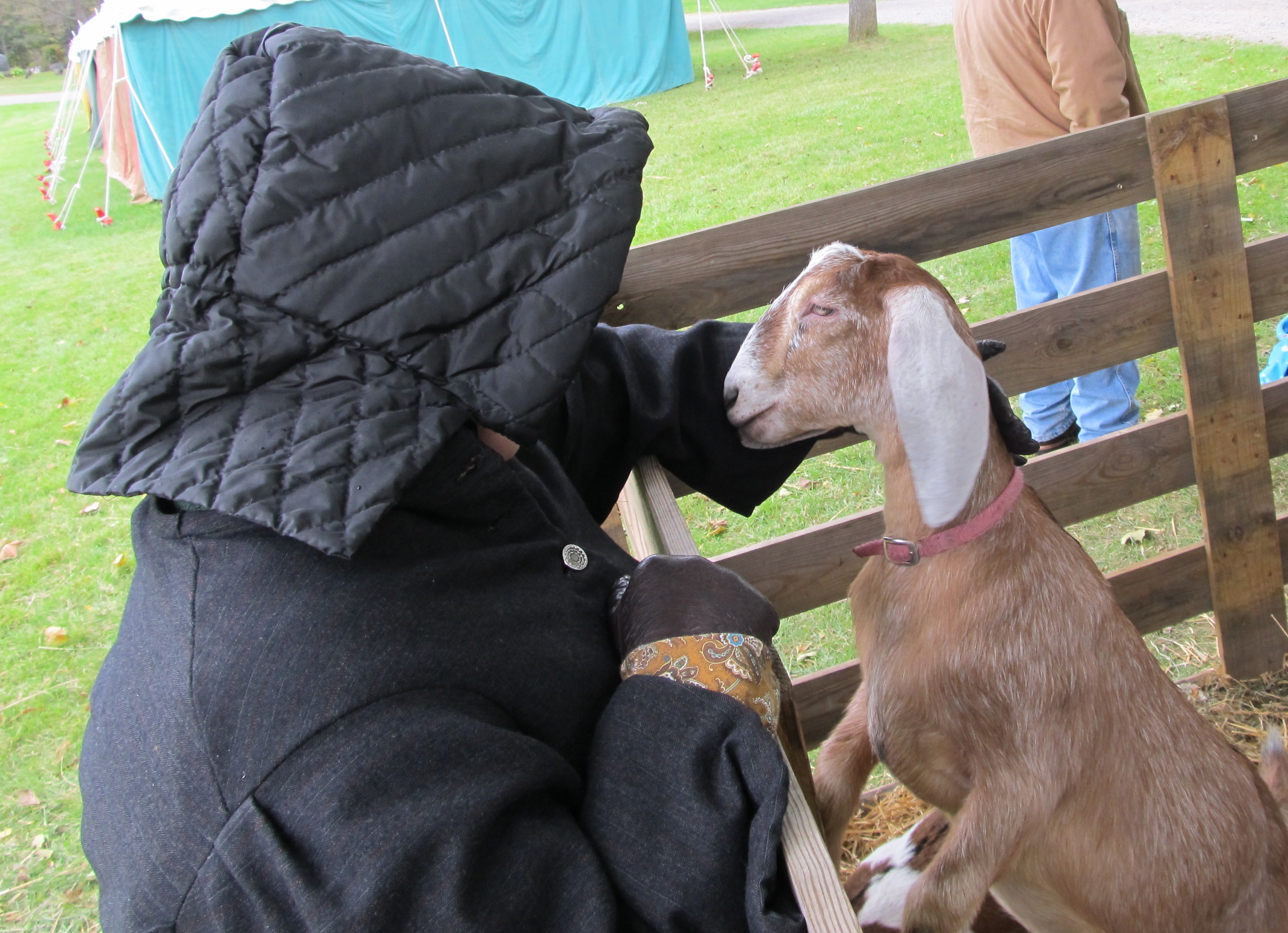
Lastly, we have my mobile favorite. I got myself some goat lovin’. This goat was such a sweetie. While I was petting this one, a smaller one was nibbling on my wool coat and dress just below. No marks, best I can tell. Eventually, one of the bigger goats started knocking the one I was petting out of the way. When it got aggressive, It was time to go. The little one bleated away at me through the gate while the one I was petting just starred. 😦

IMG_7968 IMG_7967 IMG_7966

Published in: on October 3, 2015 at 5:34 pm  Comments (1)  

Agricultural Society Fair – Part 3 – Mom’s Entries

Make sure you see the Ag Fair part 2 post for mom’s other entries. IMG_7898 IMG_7899 IMG_7903 IMG_7904 IMG_7905

IMG_7924

Published in: on October 3, 2015 at 5:04 pm  Leave a Comment  

Agricultural Society Fair – Part 2 – Mom in the Horticulture Tent

I knew mom was planning to bring a few things to the fair for the horticulture tent. I had no idea….

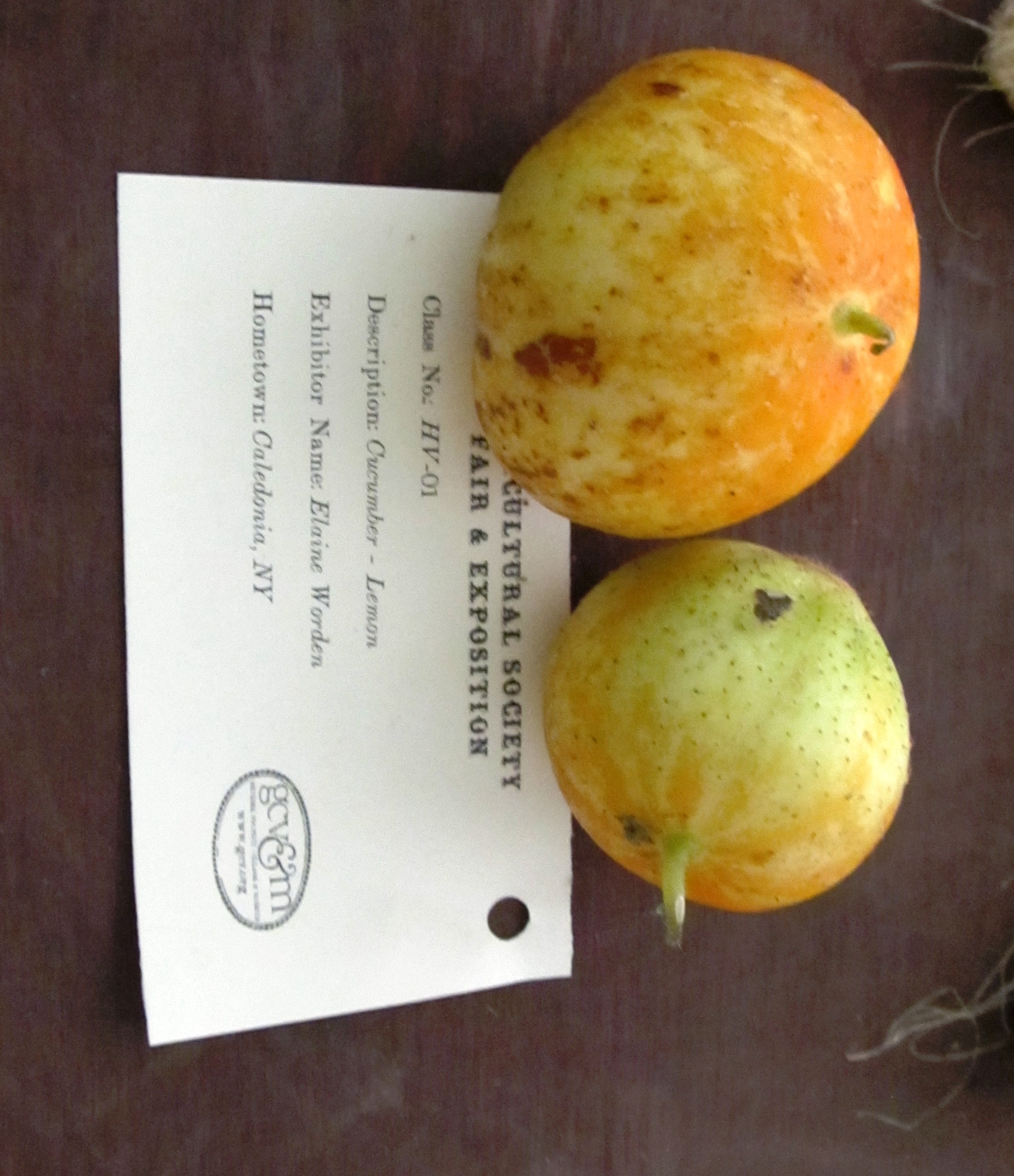
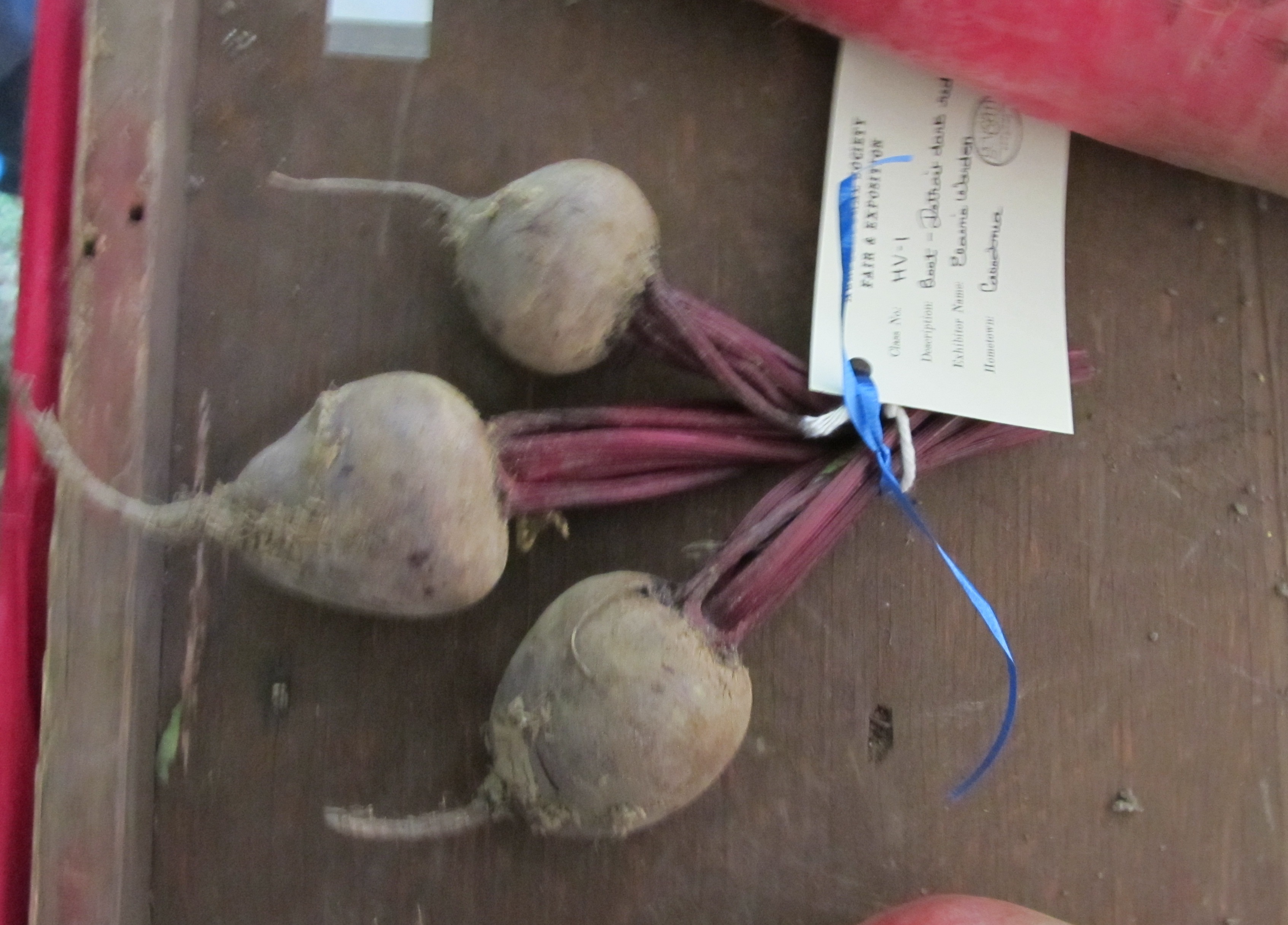
IMG_7946 IMG_7947 IMG_7948

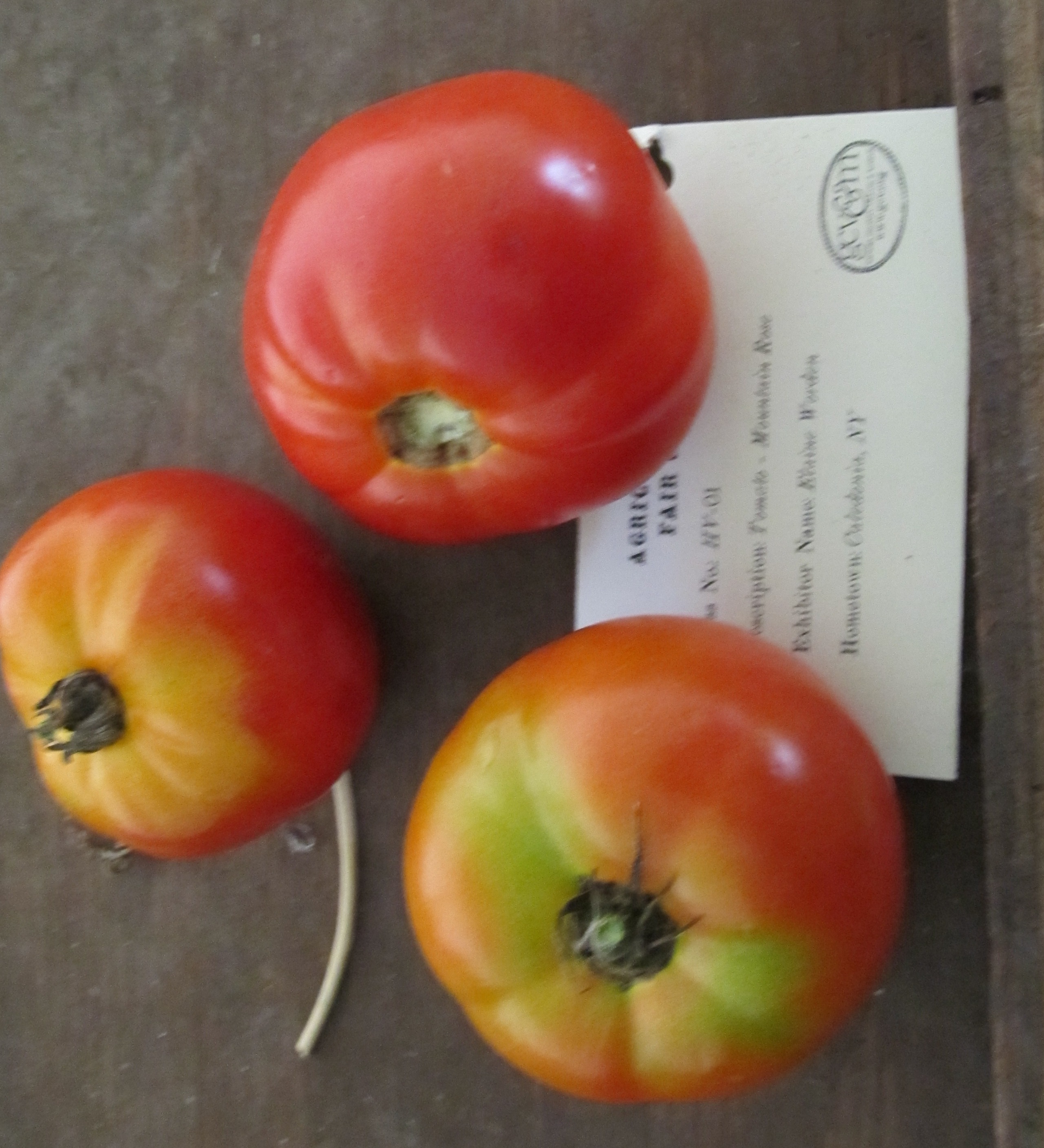
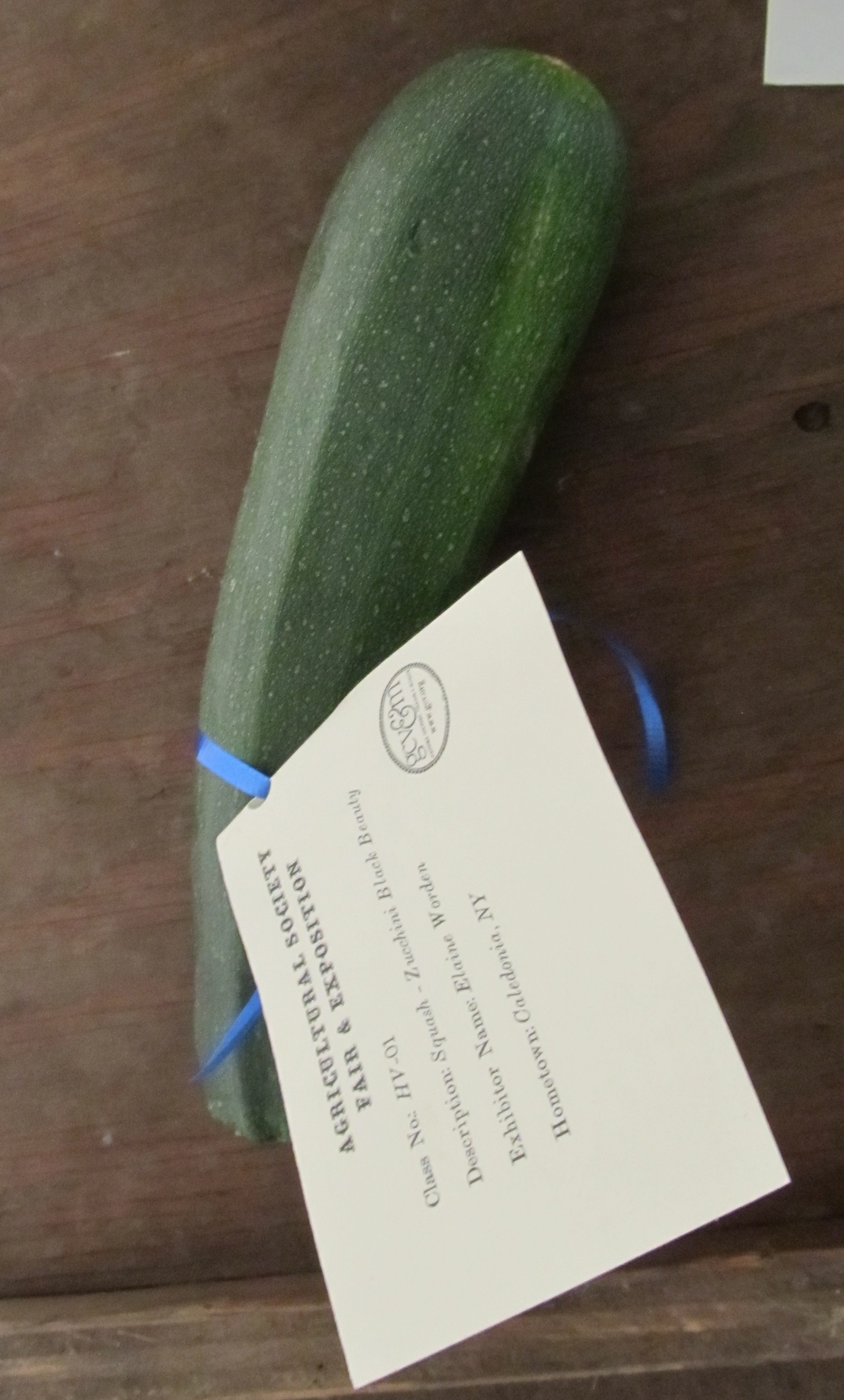
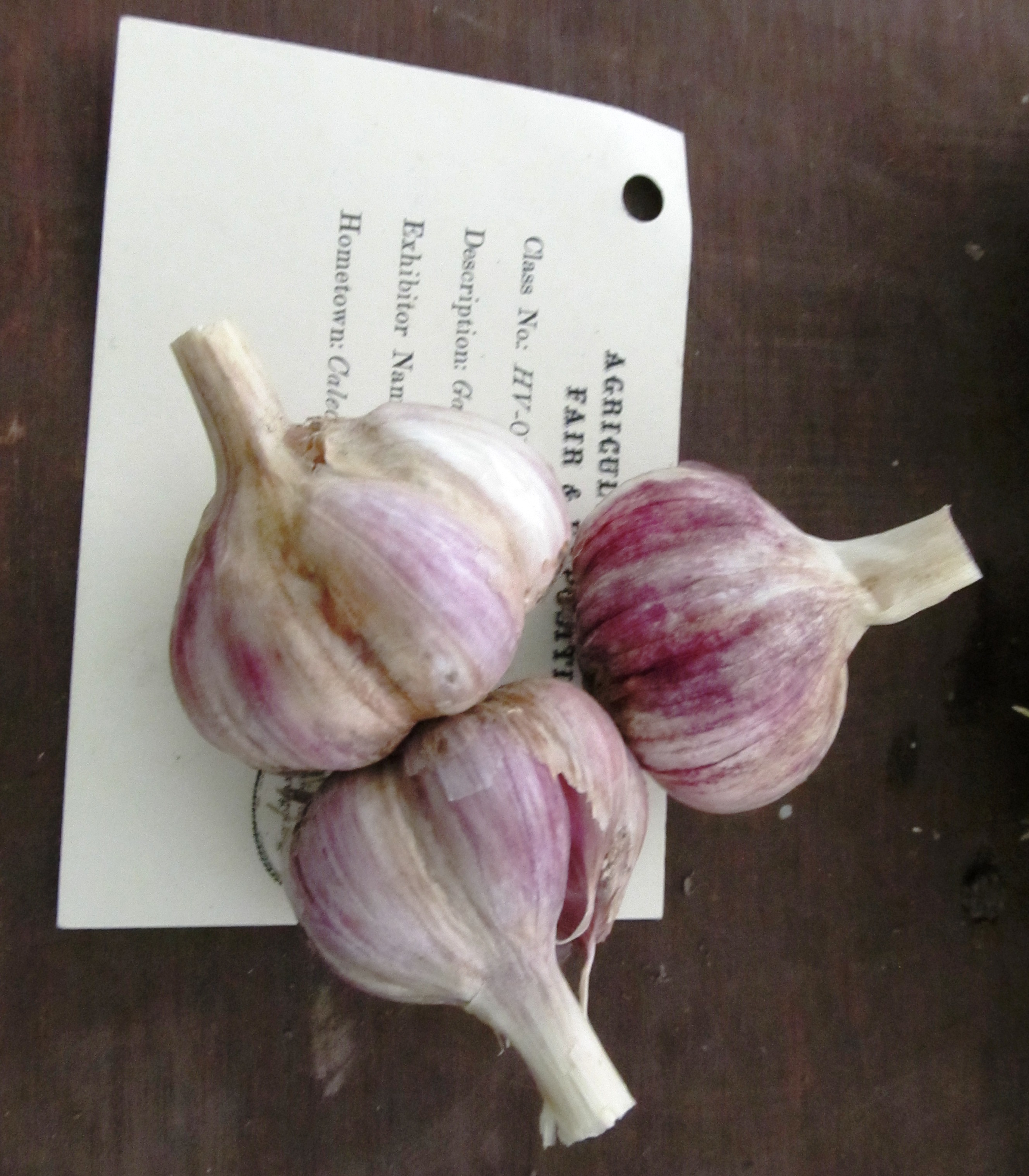
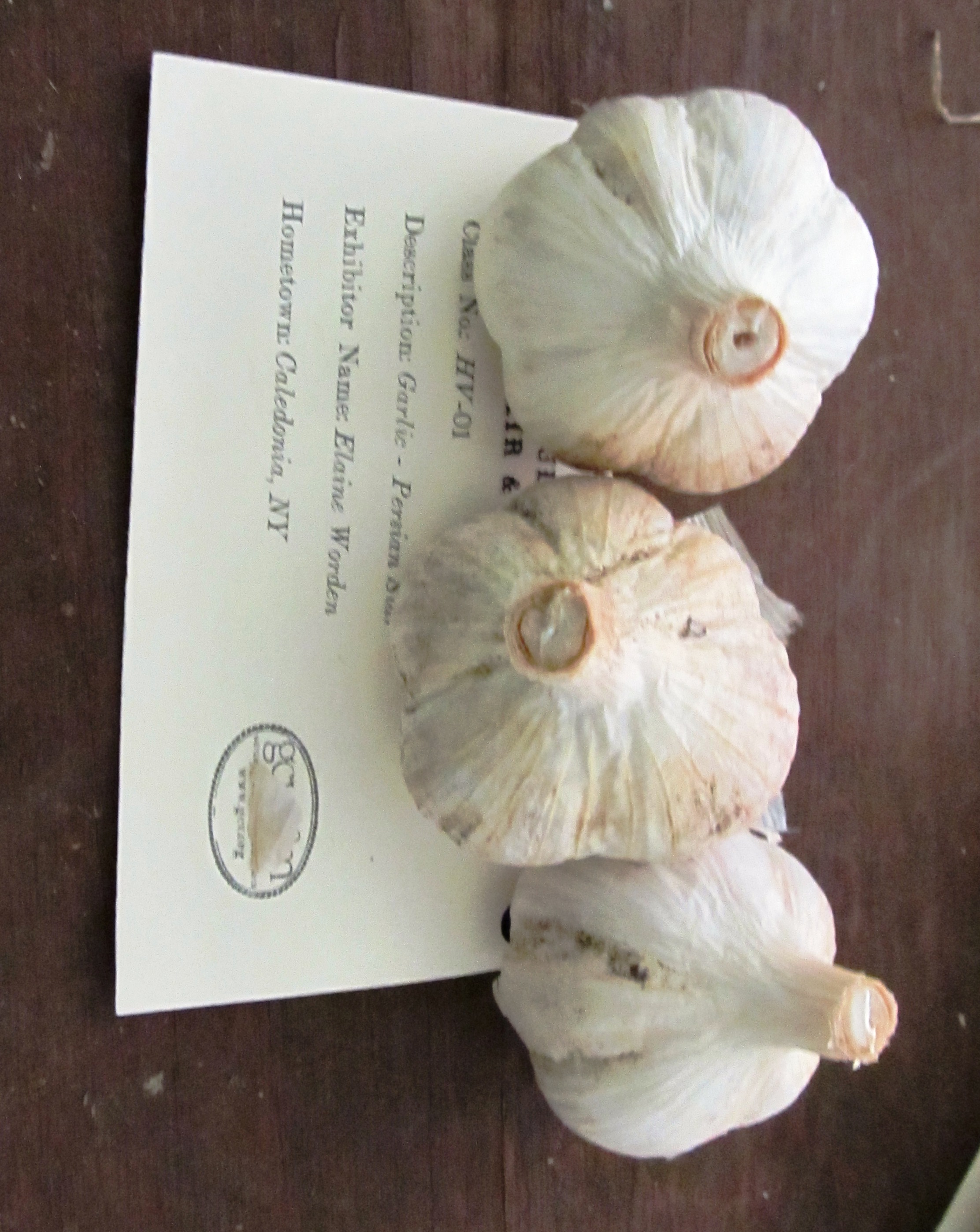
IMG_7951 IMG_7949 IMG_7961 IMG_7944 IMG_7936 IMG_7938 IMG_7939 IMG_7940 IMG_7941 IMG_7942IMG_7930IMG_7932 IMG_7931 IMG_7929 IMG_7935IMG_7928

Published in: on October 3, 2015 at 5:02 pm  Leave a Comment  

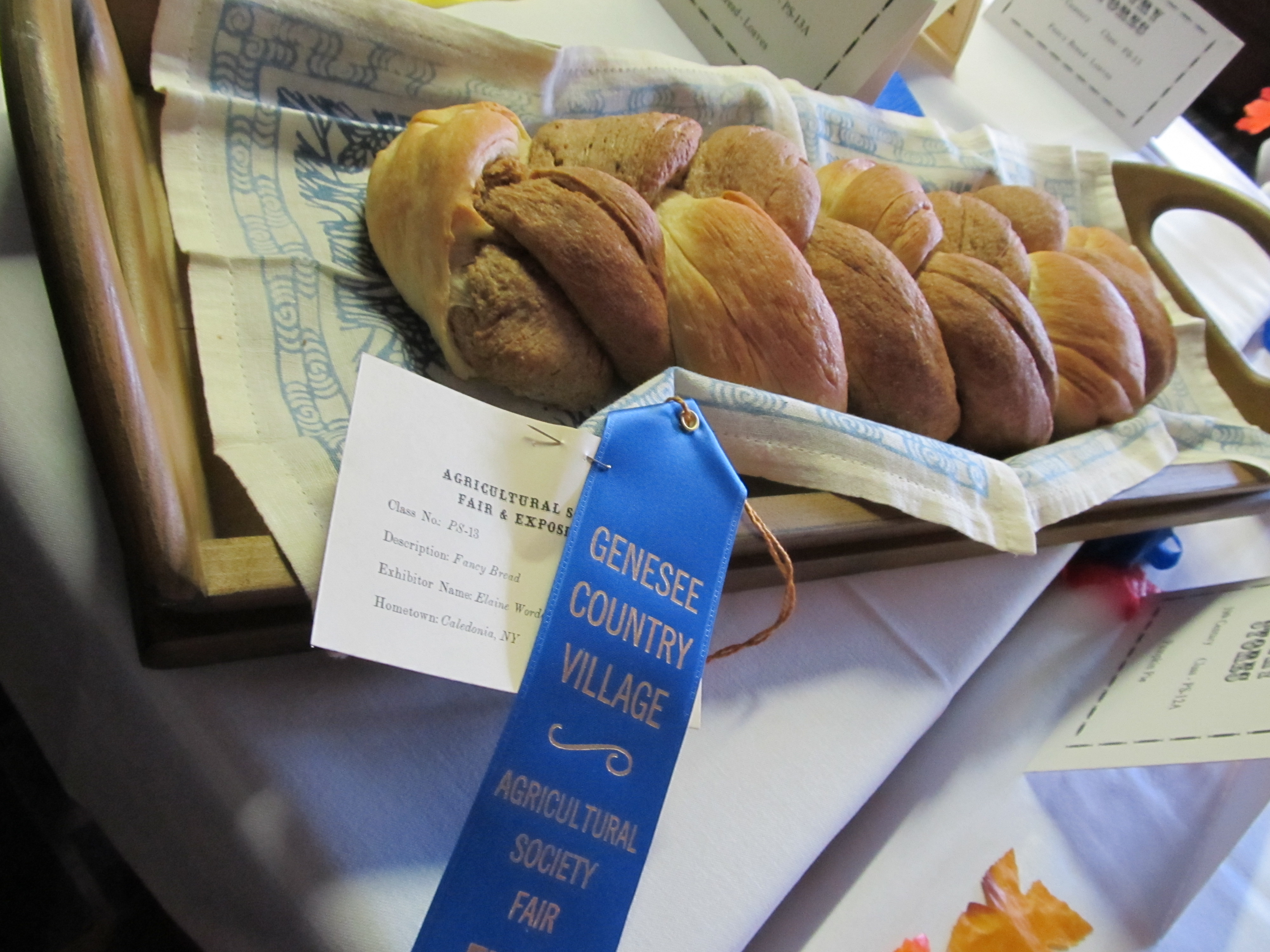
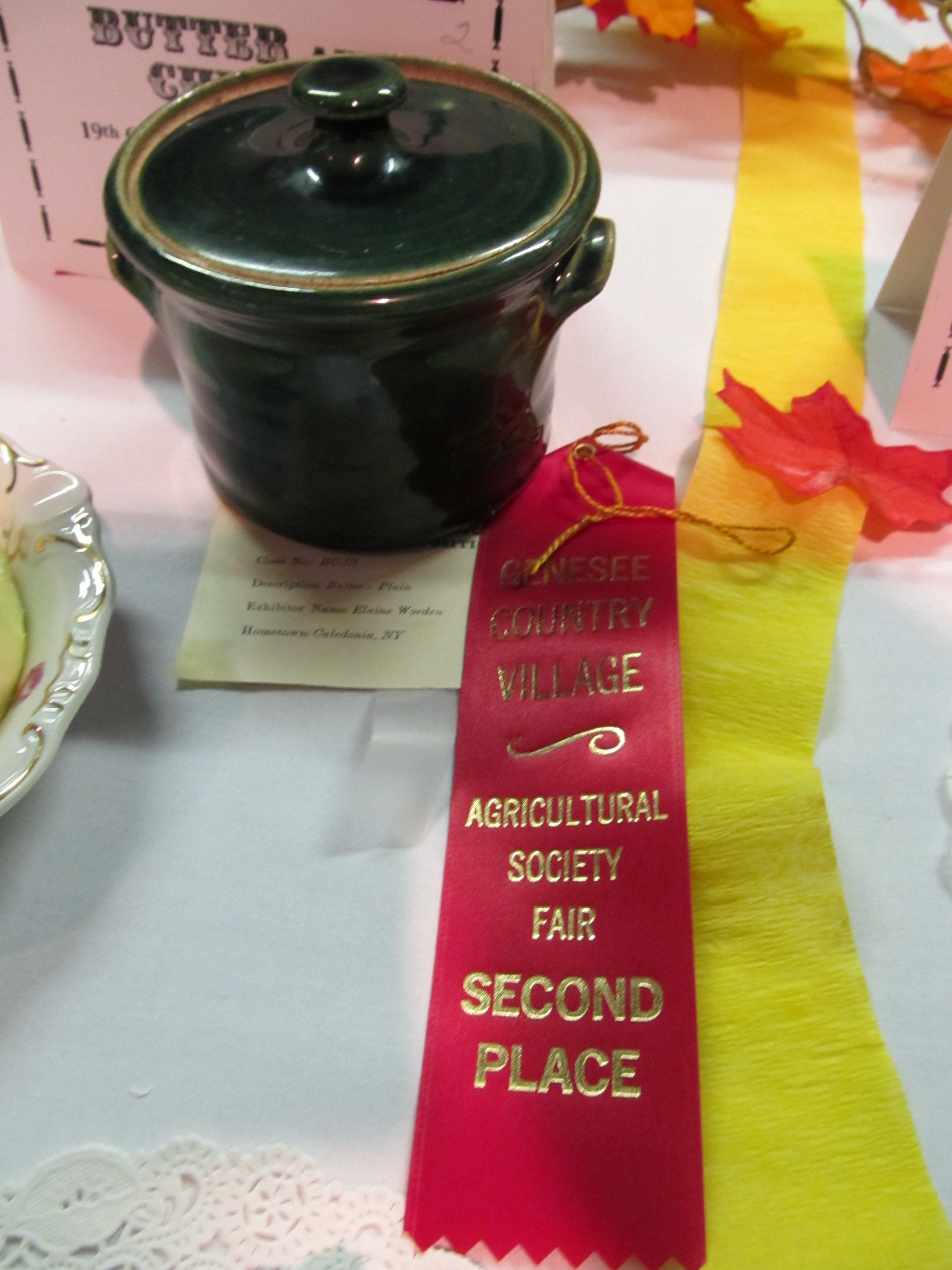
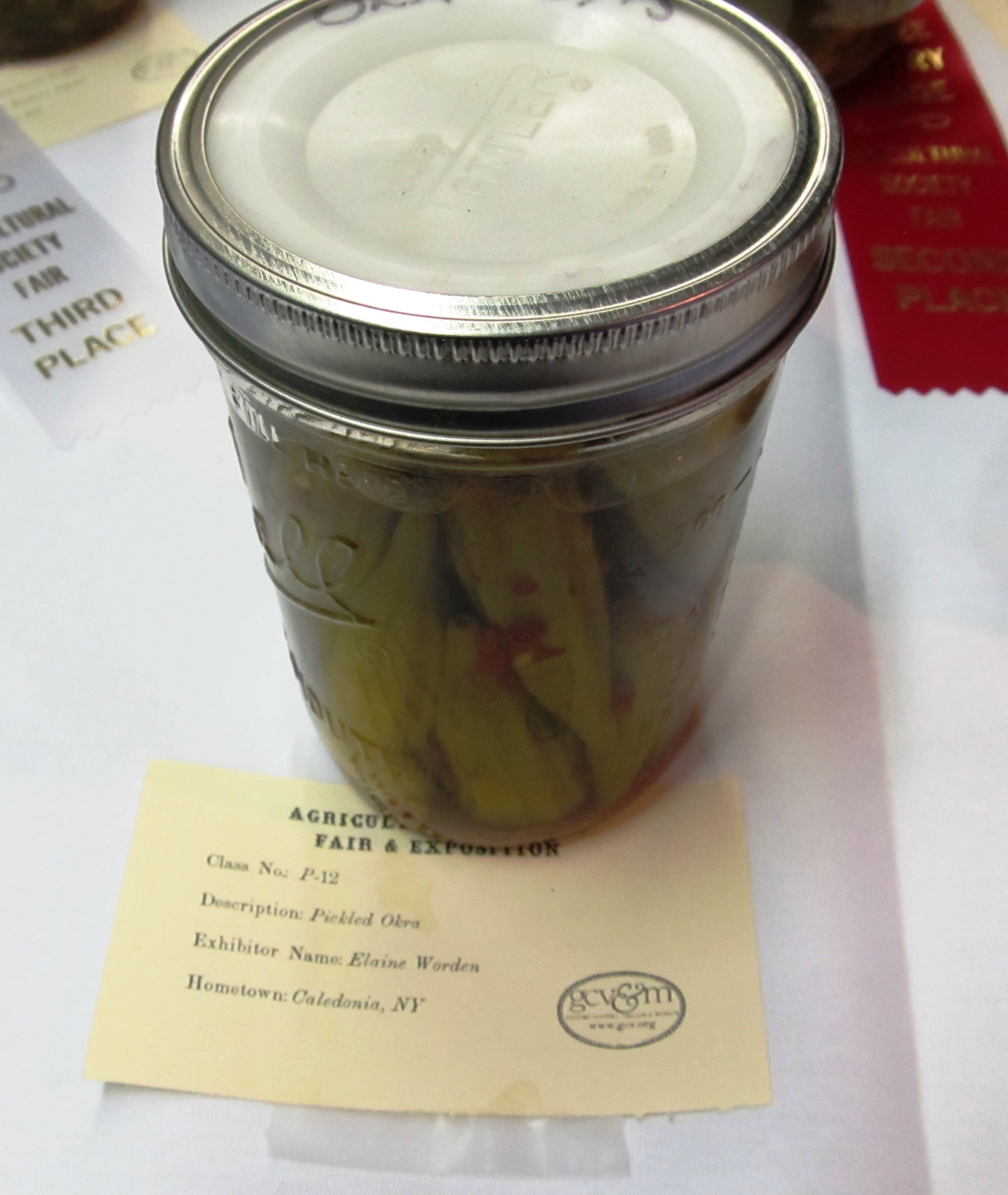
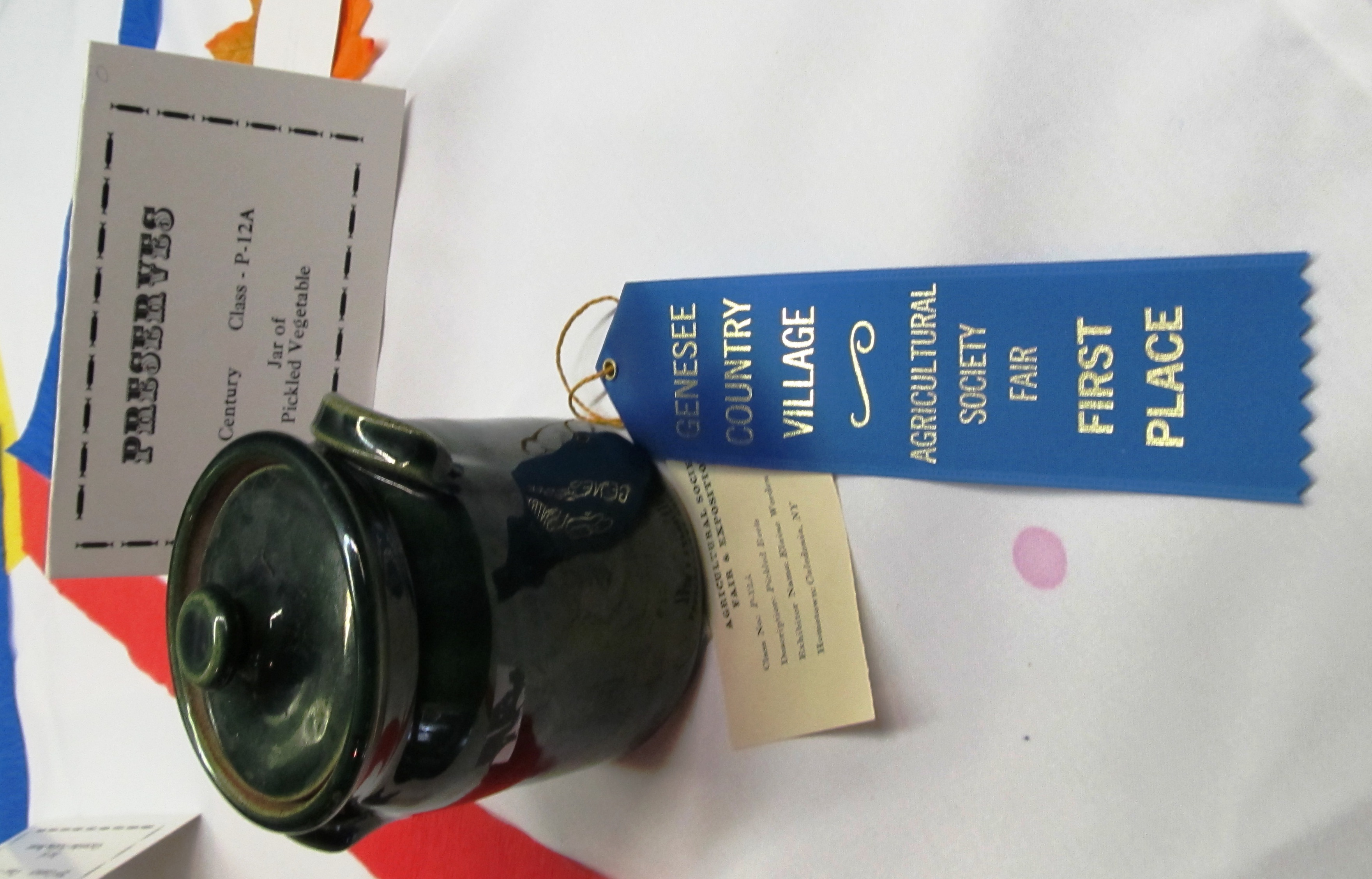
Agricultural Society Fair – Part 1 – Entries

This year, I decided to give myself an extra little challenge – Make my entries in doll scale. I set this goal for myself at the beginning of the year. While I didn’t manage to find the time to make as many pieces as I wanted, I was able to make few. There are also a couple human size pieces as well.

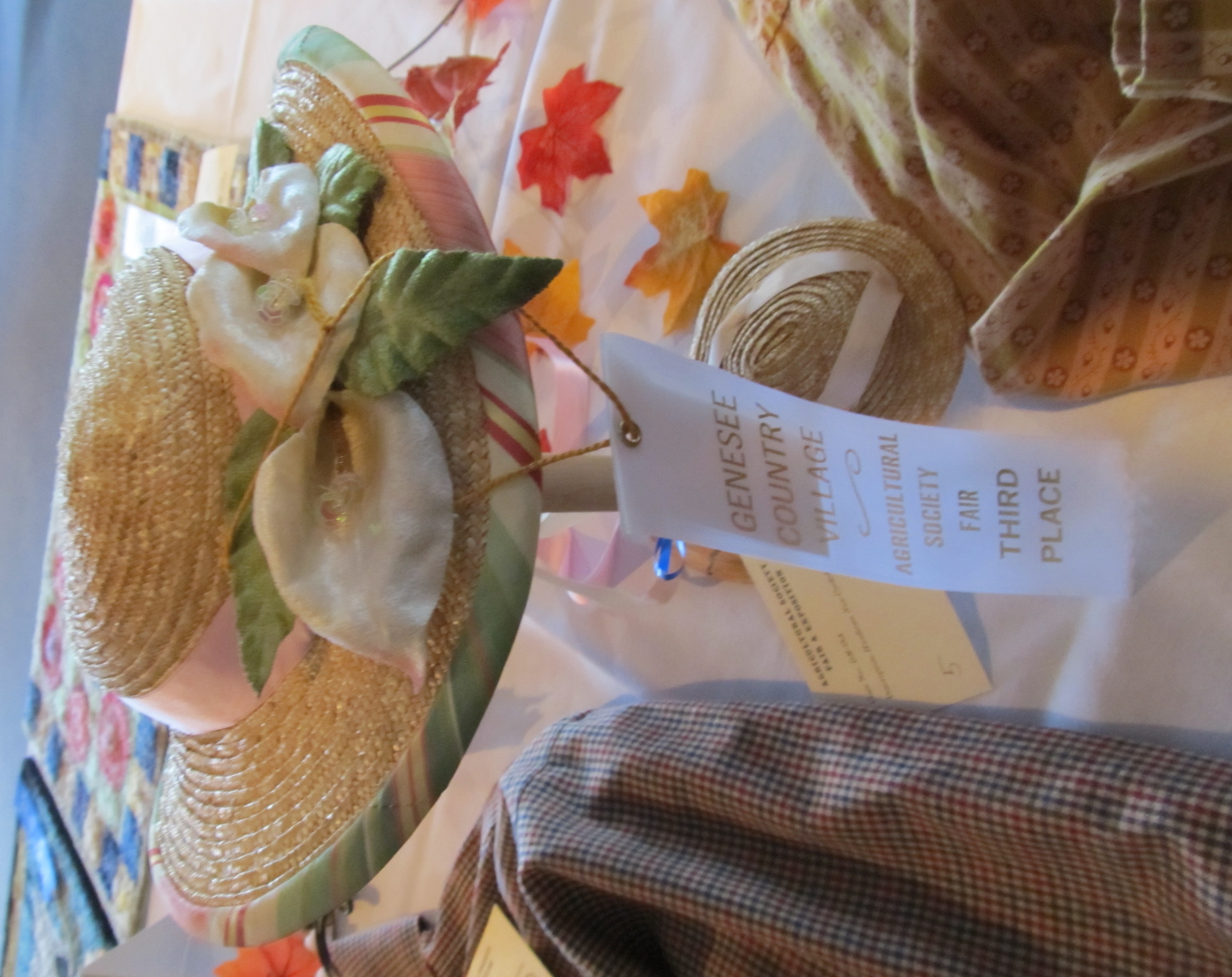
IMG_7915Since I spent so much time this summer making straw hats and bonnets, of course, I needed to make a pair of straw hats, one doll scale and one human scale. The full size straw hat was a favorite of this summer with its bias plaid silk lining and calla lilies. The doll hat is in the same style, simply trimmed with ribbon. If I ever find lilies small enough, I will be happy.

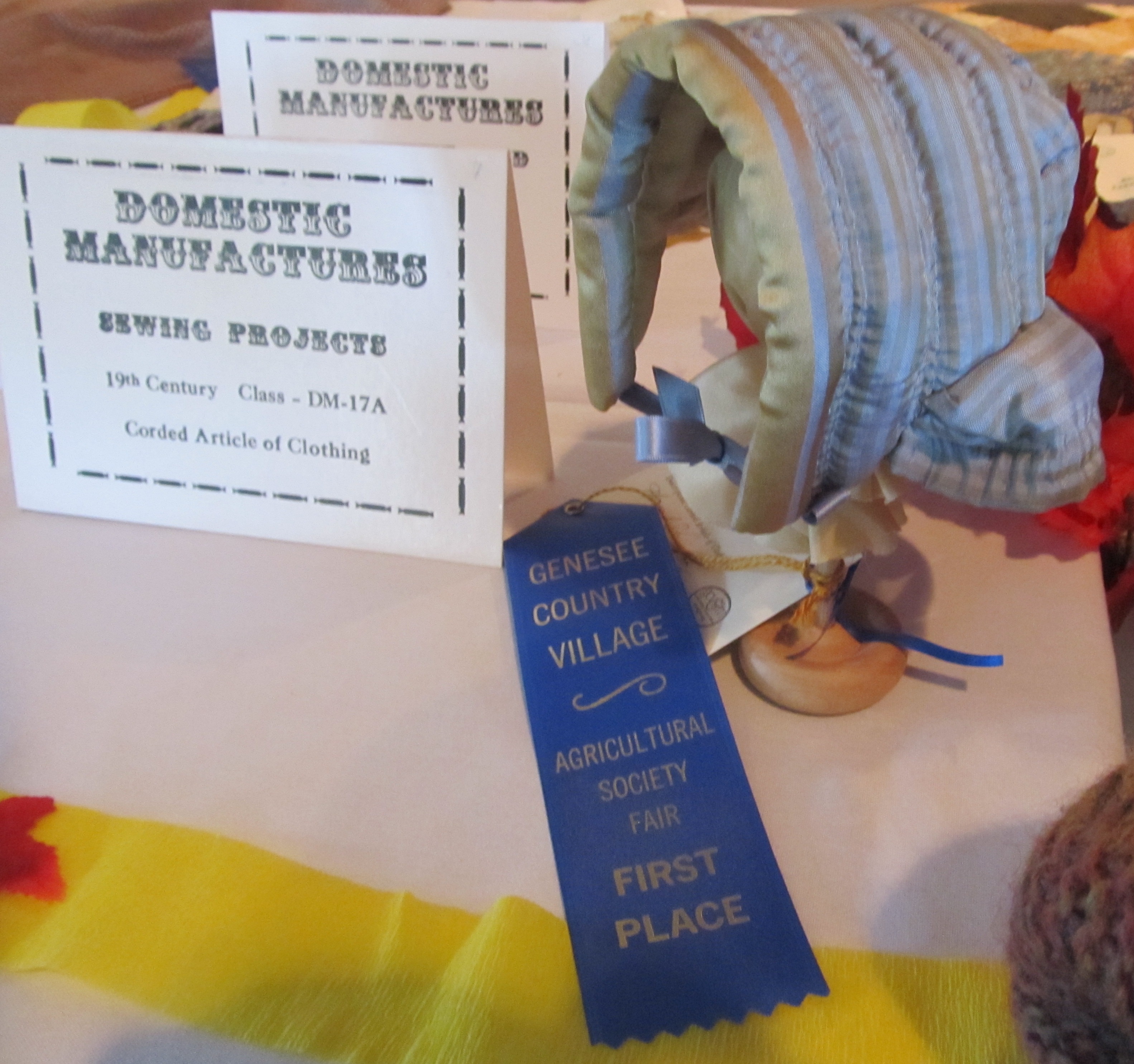
IMG_7921IMG_7917It was fun scaling down the winter bonnet patterns to doll size. I did one in a quilted style using a double twist pattern and one in the corded and wadded style that I find to be nicely warm. These are for dolls with 9.5″ to 10″ heads.

IMG_7918I had lots of fun with this little doll quilt. Triangular piecing was both easy and relaxing. But, as I was almost finished, I realized I needed to bind that curved edge I created. Thankfully, it was a lot easier than I thought. I am tempted to do a full size one in this design. Sometime.

IMG_7908When Mandy found these steel rings, I knew I wanted to do an embroidered pin ball. I did a trial run with simple embroidery on wool. Then jumped into the needlework for this one. Needlework like this is not something I have done much if any of. Some parts were enjoyable. Other parts, well, they made me think “aren’t I done yet?” After finishing the full size one, I wanted to see if I could do the doll size one.wpid-2015-10-01-06.13.49-1.jpg.jpeg wpid-2015-10-01-06.14.02-1.jpg.jpegOne challenge was deciding on what to use for the ring. I pondered an actual ring, but didn’t find one in the right size as I was working. The next challenge was turning the embroidered linen right side out at that small of a scale. I think it came out pretty cute.

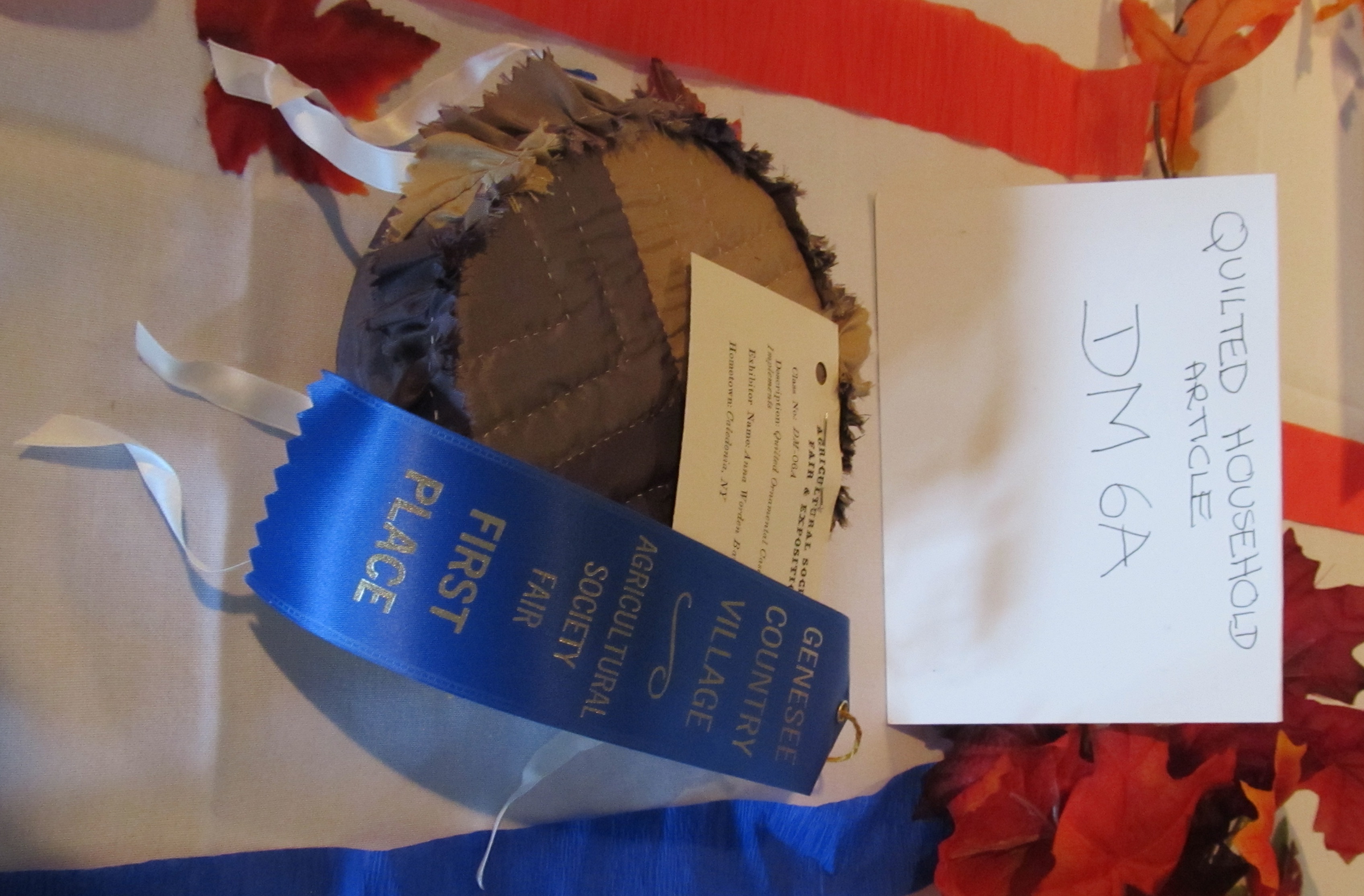
IMG_7923I had every intention of doing my household quilted item in both doll and human scale. Then, as I made the full size one, I decided this was the one and only I was making… ever. This quilted tool case was inspired by an 1872 illustration in Peterson’s Magazine. It could hold sewing tools or toilet tools nicely.